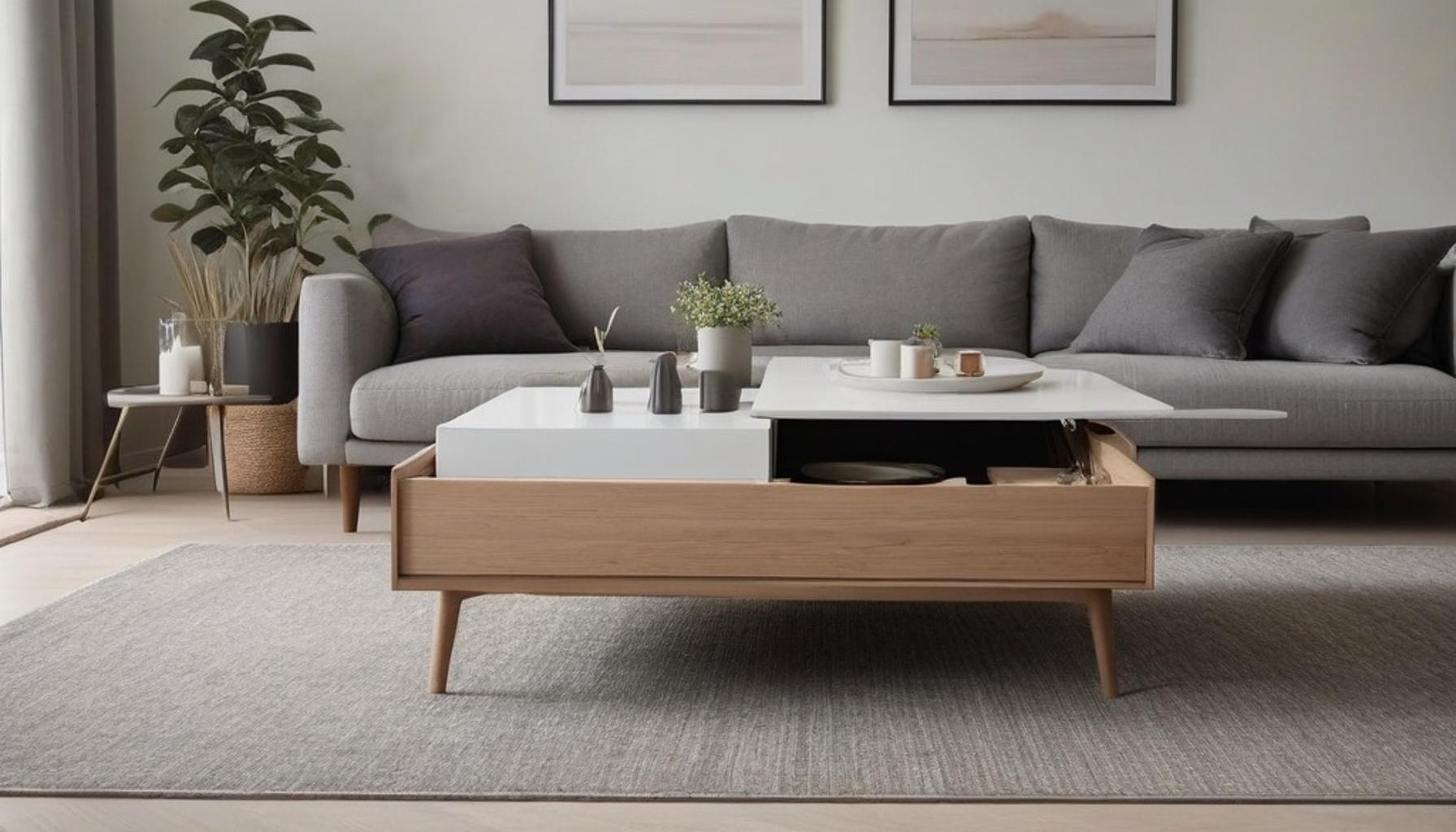
Creating Clutter-Free Zones: Effective Space Management Strategies for Home Organization
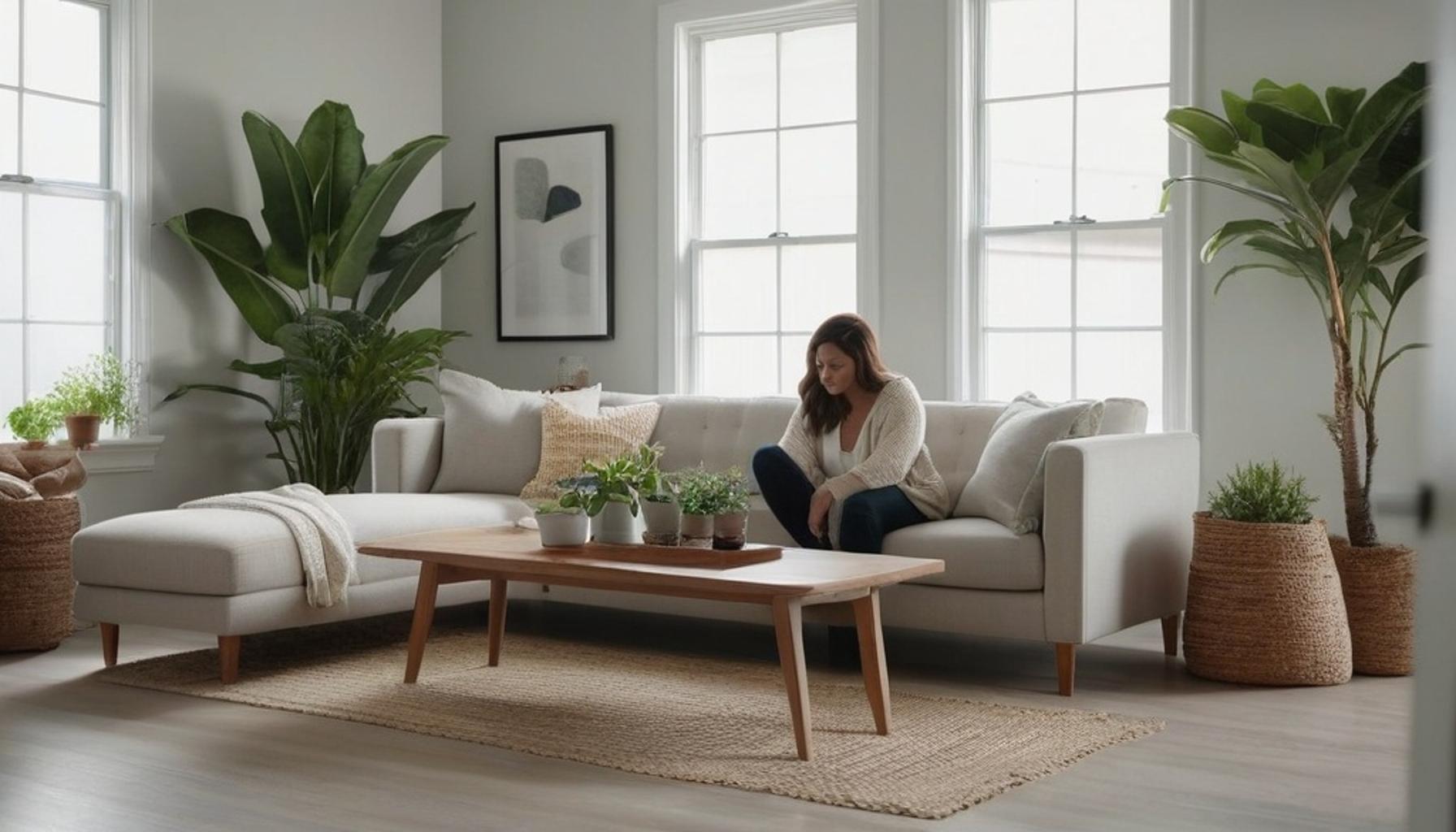
Why Every Room Deserves a Second Look
The average American home brims with more than 300,000 items, as reported by the LA Times. Remarkably, many homeowners can only pinpoint a small fraction of these possessions, leading to a significant disconnect between ownership and utilization. This disparity is precisely where clutter begins to flourish, creating an overwhelming environment filled with forgotten items.
Establishing clutter-free zones transcends the mere embrace of minimalism. It involves cultivating spaces that are not only aesthetically pleasing but also operationally efficient. A well-organized room can significantly alleviate daily stress by ensuring that every item serves a clear purpose, which in turn enhances the quality of life for its inhabitants.
The Hidden Cost of Disorganization
Clutter manifests not only as unsightly piles of items but also as an invisible drain on vital resources such as time, energy, and mental clarity. Research from Princeton University highlights the correlation between visual clutter and diminished concentration, along with elevated anxiety levels. The impact of disorganization extends beyond mere inconvenience—it’s an emotional and cognitive burden.
Let’s evaluate what disorganization specifically costs a typical American household:
- Time lost: On average, individuals waste around 2.5 days each year searching for misplaced items—a significant chunk of time that could be spent on more enjoyable or productive activities.
- Wasted spending: The frantic search for missing possessions often leads to accidental duplicate purchases. Households spend an average of $100 per year on items they can’t find, cumulatively leading to thousands lost in duplicate buys.
- Increased stress levels: Cluttered environments have been linked to heightened stress responses, including irritability and feelings of overwhelm, which can adversely affect mental health and well-being.
What This Article Covers
This guide promises practical home organization strategies that venture beyond the standard decluttering advice typically found in blogs and Help articles. Readers will uncover effective space management tips designed specifically for real-life homes rather than etched-out showroom displays.
Specifically, this article delves into:
- Step-by-step decluttering techniques tailored for high-traffic areas like the kitchen and living room where chaos is almost inevitable.
- Innovative methods for creating organized areas in small or awkward spaces that often defy conventional organization solutions.
- Essential principles of minimalist home design that foster easy maintenance and long-term organization, making it feasible for anyone to adopt this lifestyle.
Whether you are confronted with an overly crowded apartment kitchen or a garage overflowing with items long forgotten, the strategies featured here will pave the way toward achieving a sustainable, orderly living space.
DISCOVER MORE: Click here for more insights
Mapping Your Home’s Clutter Hotspots
Before diving into any organizational overhaul, it pays to understand where chaos actually accumulates. Not every room deteriorates into disorder at the same rate; each area of the home has its own unique challenges when it comes to clutter management. For instance, kitchens, entryways, and home offices tend to be the usual suspects, acting as magnets for mail, gadgets, and miscellaneous items that never quite find a permanent home.
By pinpointing these hotspots, you can take your first major step toward creating organized areas that actually stick. Rather than tackling an entire house in one exhausting weekend, professional organizers recommend a zone-by-zone approach, similar to how retail stores manage inventory flow. This method allows for a more sustainable and effective way to maintain order in your living space.
The Zone Method: A Smarter Way to Declutter
Think of your home as a series of interconnected zones rather than one massive space. This mindset shift is central to effective space management tips because it breaks an overwhelming task into manageable, bite-sized missions. Each zone can be tackled individually, leading to quicker results and less frustration.
Here’s how the zone method typically breaks down in a standard American household:
- Entry zone: Coats, shoes, keys, and mail pile up here faster than almost anywhere else in the house. A simple solution is to implement a designated basket for mail and a hook rack for keys, which promotes a tidier entryway.
- Kitchen zone: Countertops, pantry shelves, and junk drawers often become catch-alls for everything from spare batteries to expired coupons. Incorporating clear containers for pantry items not only organizes but also makes it easy to see what you have.
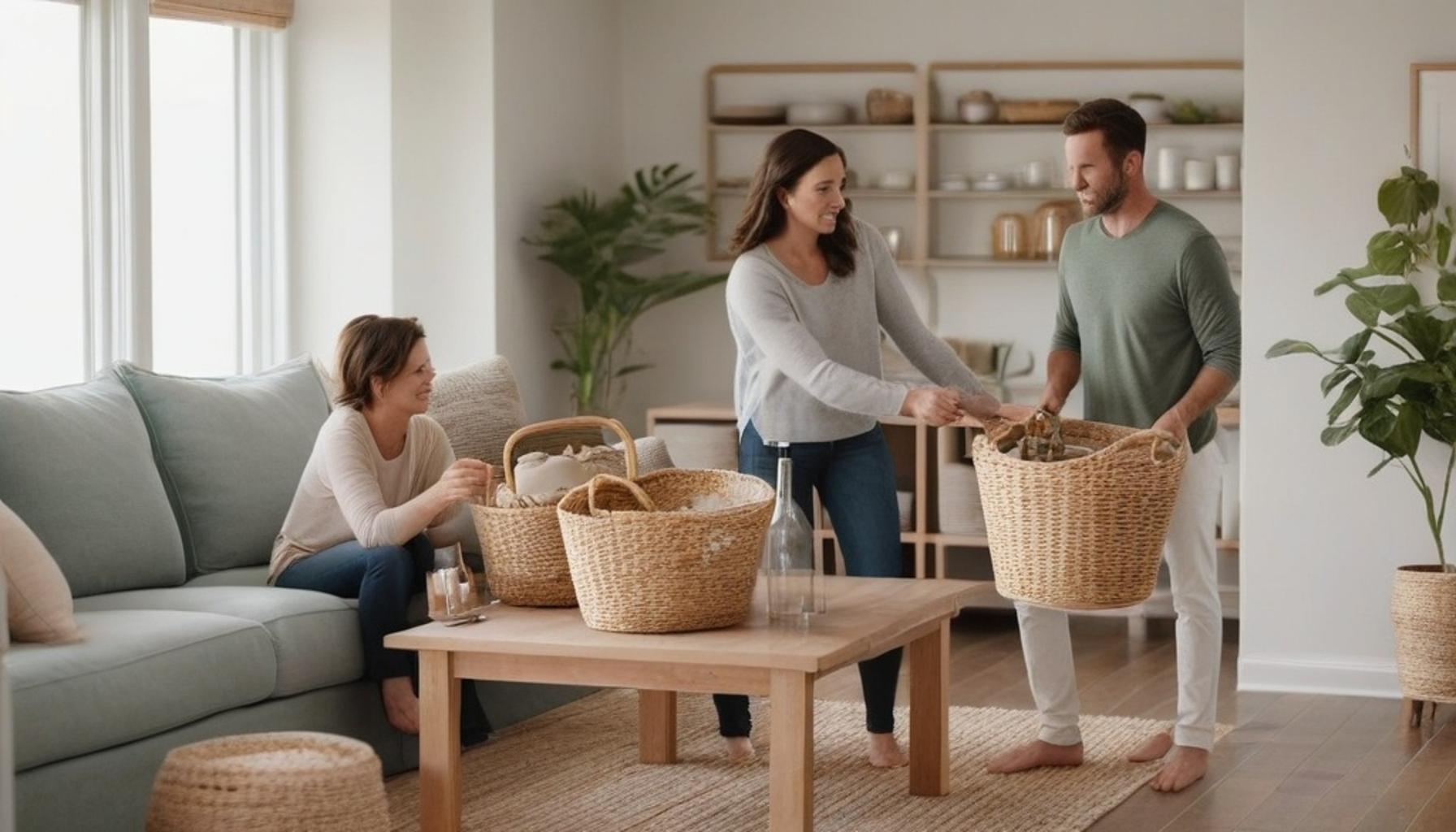
- Living zone: Remote controls, magazines, and children’s toys frequently colonize shared living spaces. Consider using decorative baskets or storage ottomans to keep items out of sight while still being easily accessible.
- Workspace zone: Paperwork, cables, and office supplies tend to multiply unnoticed until a desk becomes unusable. Introducing an organizer for papers and dedicated cable management solutions can significantly enhance productivity.
Once a zone is identified, the goal becomes establishing dedicated clutter-free zones where every item has a designated spot, purpose, and, ideally, an expiration point if it’s no longer useful. This method encourages mindfulness about what you keep in your home.
Why Small Wins Build Long-Term Habits
According to behavioral researchers, tackling one zone successfully creates a psychological momentum that makes subsequent organizing tasks feel less daunting. This is why many home organization strategies emphasize starting small—a single drawer, one shelf, or a solitary countertop. Each tick on your list is a small victory that boosts your confidence and motivates you to continue.
Consider the entryway table. Clearing it consistently for just one week often triggers a ripple effect, prompting homeowners to apply the same standards to nearby closets or shelving units. Small, visible victories tend to fuel bigger organizational ambitions, which affirms the effectiveness of the zone method.
This gradual, zone-focused approach also aligns naturally with minimalist home design principles, which prioritize intentionality over accumulation. Instead of asking, “Where can I store this?” the more productive question becomes, “Does this item deserve space in my home at all?” That subtle shift in thinking often proves more transformative than any storage bin or organizational gadget on the market.
Ultimately, the act of decluttering is not merely about physical space but also about mental clarity. By identifying and addressing your home’s clutter hotspots, you can pave the way for a more organized and serene living environment, making daily life more enjoyable and manageable. The journey toward organization is just as worthy as the final result—it fosters self-discipline and creates a lasting impact on your lifestyle and well-being.

DISCOVER MORE: Click here for innovative storage solutions
# Building Systems That Sustain Your Clutter-Free ZonesIdentifying hotspots is only half the battle. The real transformation happens when you install systems designed to keep chaos from creeping back in. According to a 2023 survey by the National Association of Productivity and Organizing Professionals, over 54% of Americans report feeling overwhelmed by clutter, yet fewer than a third have a consistent system in place to manage it. This gap between awareness and action is where most organizing efforts collapse.
The 80/20 Rule of Storage
One of the most overlooked decluttering techniques borrows from the classic Pareto principle. Professional organizers often note that people use roughly 20% of their belongings 80% of the time. The remaining items—old cookware, seasonal decor, unused gadgets—simply occupy prime real estate without earning their spot.
Applying this logic to creating organized areas means storing frequently used items at eye level or within arm’s reach, while relegating rarely used possessions to less accessible zones like garage shelving, under-bed containers, or high closet shelves. This isn’t about hiding clutter; it’s about matching accessibility to actual usage patterns.
The Power of Vertical Space
American homes, particularly in urban centers like New York or San Francisco, often struggle with square footage limitations. This makes vertical space one of the most underutilized assets in home organization strategies.
Wall-mounted shelving, pegboards in garages, and over-the-door organizers can dramatically increase storage capacity without consuming additional floor space. A pegboard installed above a workspace, for instance, can hold tools, cords, and supplies that would otherwise clutter a desk drawer.
- Bathrooms: Tiered shelving above the toilet or inside cabinet doors maximizes narrow spaces often wasted.
- Closets: Double-hang rods and stackable bins can nearly double usable storage without renovation.
- Garages: Overhead racks free up floor space for vehicles while storing seasonal items safely out of the way.
The 90-Day Rule for Ruthless Editing
Many space management tips hinge on a simple test: if an item hasn’t been used in 90 days, it likely doesn’t belong in a high-traffic zone. This rule, popularized by minimalist advocates like Joshua Becker, forces a level of honesty many households avoid.
Applying this filter consistently prevents the slow creep of “just in case” items that quietly undermine minimalist home design goals. It’s a practical, repeatable checkpoint rather than a one-time purge, ensuring that clutter-free zones remain that way long after the initial cleanup.
Final Thoughts: Turning Strategy Into Lasting Habit
Clutter-free zones aren’t the result of a single weekend purge. They emerge from consistent, repeatable systems that respect how people actually live, shop, and accumulate belongings. The data makes this clear: awareness of clutter is nearly universal, but sustainable action remains rare.
Throughout this article, the emphasis has been on practical, measurable approaches rather than aspirational ideals. Matching storage to usage frequency, exploiting vertical real estate, and applying honest filters like the 90-day rule all share one trait—they can be repeated indefinitely without requiring constant motivation.
This is perhaps the most important shift in thinking about home organization strategies: success isn’t measured by how a space looks on day one, but by how it functions on day one hundred. A closet that stays orderly through a busy holiday season, or a garage that remains navigable after a home renovation project, reflects a system working as intended.
Homeowners across the country, from compact city apartments to sprawling suburban houses, face different spatial challenges, but the underlying principles of effective space management tips remain consistent. Prioritize accessibility for daily-use items, commit to regular editing, and resist the urge to treat storage as an excuse to keep everything indefinitely.
Ultimately, creating organized areas is less about strict minimalism and more about intentionality. Not every household needs to adopt extreme minimalist home design principles to benefit from clearer counters and calmer rooms.
What matters is choosing decluttering techniques that fit real routines, then applying them with enough consistency that clutter-free zones become the default state of the home—not a temporary achievement reserved for special occasions or guest visits.
Frequently Asked Questions
What are the best areas in my home to create clutter-free zones?
Ideal areas for clutter-free zones typically include entryways, living rooms, and kitchens. Focus on high-traffic areas where clutter tends to accumulate, ensuring these spaces remain functional and visually appealing.
How can I maintain a clutter-free zone over time?
To maintain a clutter-free zone, establish a routine for decluttering and organizing regularly. Implement systems such as designated storage spaces and daily tidying habits to prevent clutter from building up again.
What storage solutions work best for creating clutter-free zones?
Utilize storage solutions like bins, baskets, and shelving to keep items organized and out of sight. Vertical storage options can also maximize space while reducing visual clutter, making it easier to maintain a tidy zone.
How can I involve my family in maintaining clutter-free zones?
Involve your family by assigning specific responsibilities related to the clutter-free zones, such as regular cleaning or organizing tasks. Encourage a family discussion about the importance of these spaces to foster a collective sense of ownership and responsibility.
What are quick tips for setting up a clutter-free zone in a small space?
In small spaces, prioritize multifunctional furniture to minimize clutter while maximizing functionality. Use wall-mounted solutions for storage and keep decorative items to a minimum to create an open and airy feel in your clutter-free zone.

Beatriz
Beatriz Johnson is a seasoned minimalist and writer with a passion for simplifying the complexities of personal organization and intentional living. With over a decade of experience in decluttering strategies and mindful consumption, she specializes in topics like space optimization, habit simplification, and sustainable lifestyle choices. Through her work on our website, Beatriz empowers readers to embrace minimalism, reduce mental and physical clutter, and create more meaningful, organized lives in today's fast-paced world.