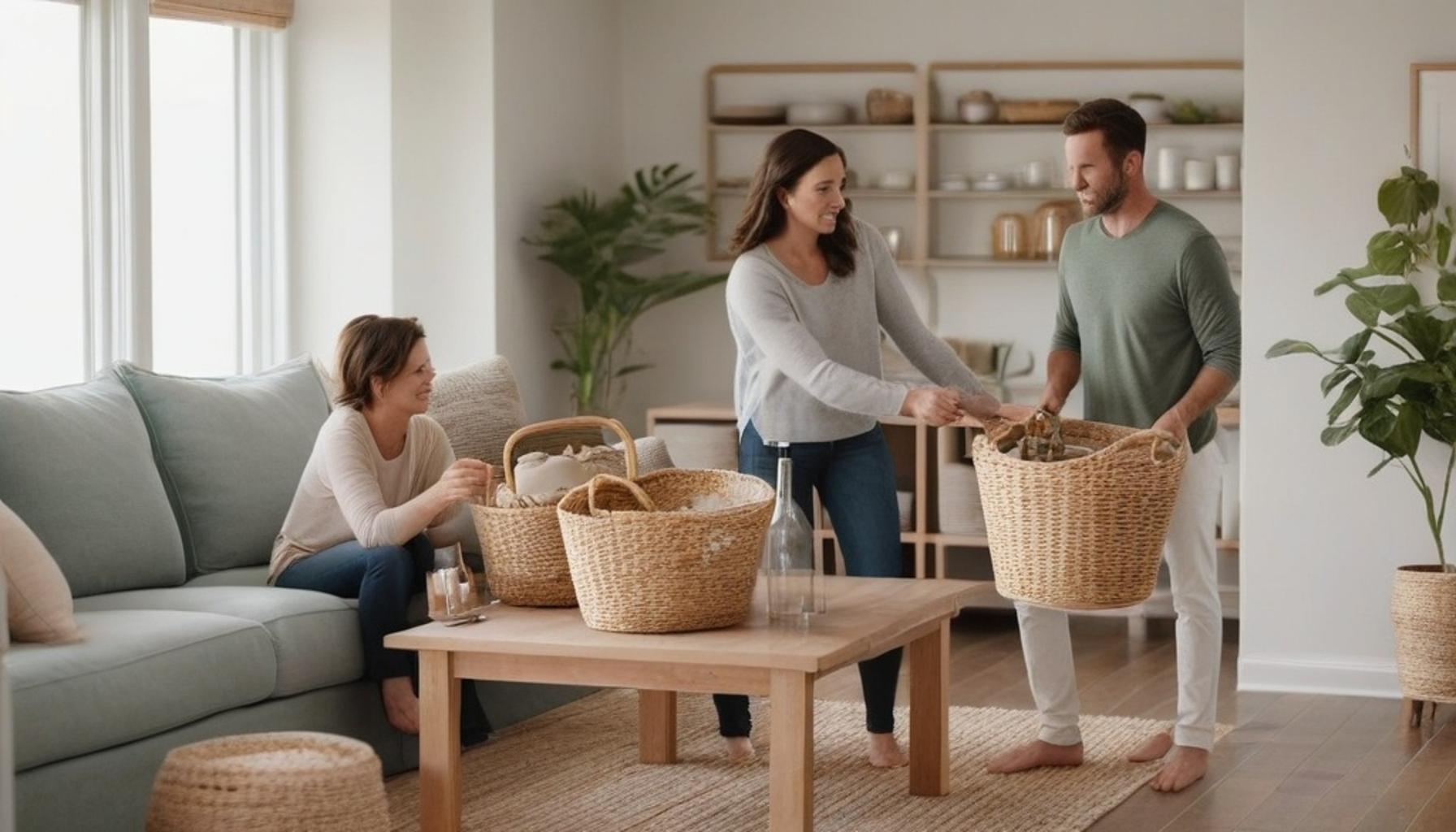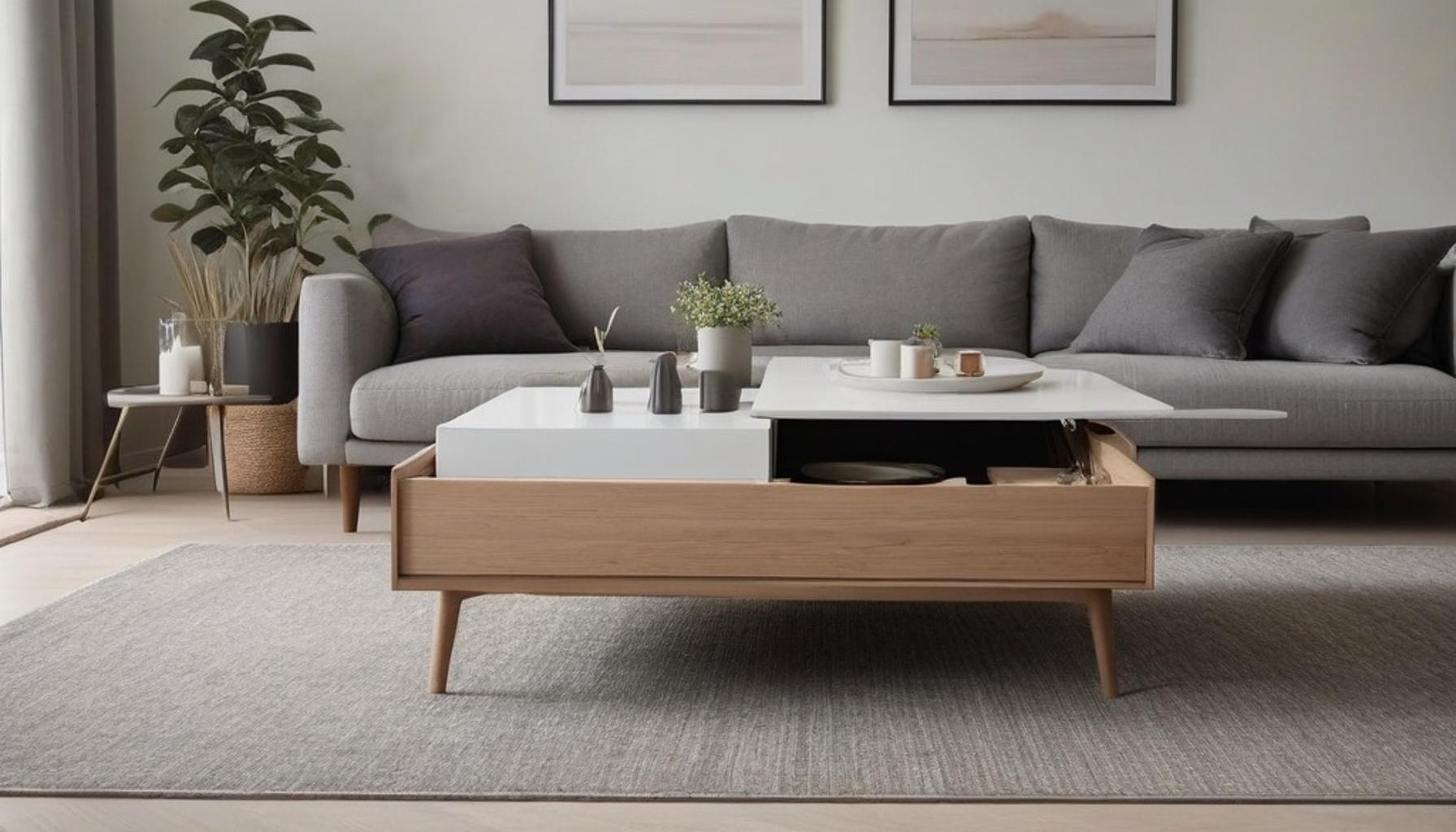
Maximizing Small Spaces: Smart Storage Solutions for a Minimalist Lifestyle
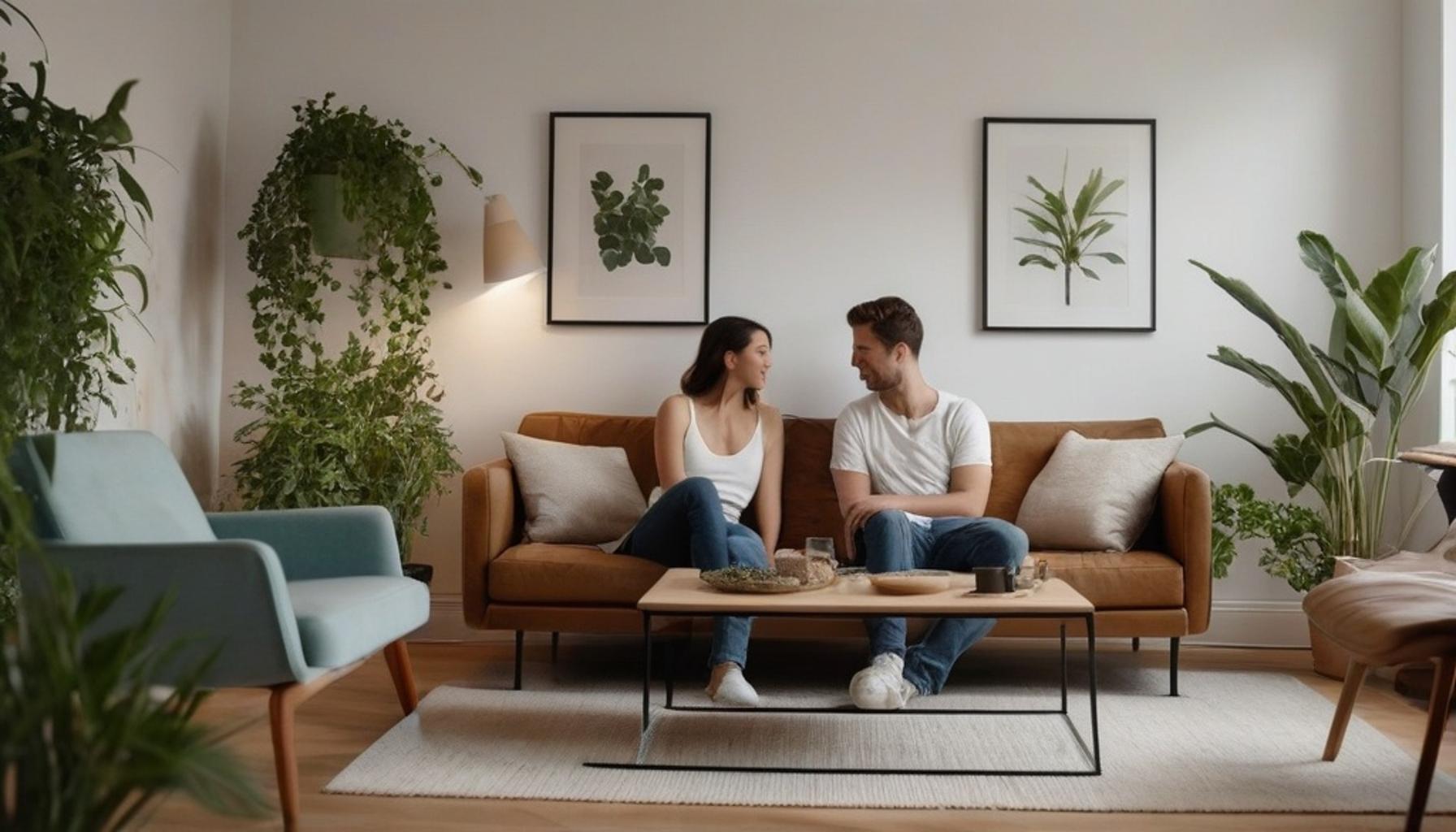
Small Space Living Is the New American Reality
The average size of a new U.S. apartment has shrunk to just 887 square feet, according to recent housing data. This decrease in living space is closely linked to rising rent prices in major cities such as New York, San Francisco, and Chicago, where affordability has forced many individuals and families into smaller living quarters. In fact, over the past two decades, the number of Americans living in densely populated urban areas has soared, with the compact living trend becoming a necessity rather than a choice. This shift has sparked a nationwide search for smart storage solutions that actually work, embracing innovation and creativity in functionality.
Living small doesn’t equate to living cluttered. With the right strategies and resources, even a 400-square-foot studio can feel cozy, spacious, and notably organized. Interior designers and organization experts have dedicated themselves to optimizing small environments, showing that style and utility can coexist effectively.
Why Minimalism and Smart Storage Go Hand in Hand
A minimalist lifestyle has emerged as more than an aesthetic trend; it’s a thoughtful response to the challenges of limited space. When every item in your home is intentional and serves a purpose, the chaos of clutter dissipates. This is where small space organization ideas become essential tools that people can implement to achieve clarity and functionality in their homes.
Consider the everyday challenges renters and homeowners frequently encounter:
- Kitchens with minimal counter and cabinet space, making meal prep a daunting task.
- Bedrooms that lack walk-in closets, leaving little room for clothing and personal items.
- Living rooms that simultaneously serve as home offices, battling for space and serenity.
- Entryways that offer no viable options for storing shoes or coats, leading to a chaotic ambiance upon entering the home.
Each of these scenarios has a solution rooted in clever storage hacks. For example, converting vertical wall space into open shelving, using multi-functional furniture like sofa beds or ottomans with storage, and creating hidden compartments within existing furniture can dramatically increase storage capacity without losing style.
What This Guide Will Cover
This article explores proven ways to maximize small spaces without sacrificing style or comfort. Expect to learn about creative under-bed storage systems, wall-mounted organizers, and even modular furniture that adapts to your needs. You’ll discover practical methods for efficient home storage that align with a minimalist ethos and prioritizes function over excess.
Whether you’re downsizing, decluttering, or simply seeking a more organized home environment, these strategies provide a clear path forward, inspiring you to reimagine your space and embrace the beauty of living small.
DISCOVER MORE: Click here to dive deeper
Vertical Thinking: The Secret Weapon for Small Space Organization
Walk into any well-designed micro-apartment and you’ll notice something immediately: the walls are working overtime. Vertical storage has become the cornerstone of modern small space organization ideas, transforming unused wall space into functional real estate. When floor space runs out, the ceiling becomes the limit.
Professional organizers in cities like Boston and Seattle report that clients who install floor-to-ceiling shelving units see a noticeable difference in perceived room size. Tall, narrow storage draws the eye upward, creating an illusion of height while simultaneously housing books, kitchenware, and seasonal items that would otherwise clutter countertops. The use of vertical space can make a living area feel more expansive and inviting, offering a sense of openness that is often lost in smaller environments.
Practical Vertical Storage Ideas Worth Trying
Not all vertical solutions require major renovations or hefty budgets. Some of the most efficient home storage upgrades cost less than a dinner out and can be accomplished in just a few hours. Here are some innovative ideas to consider:
- Pegboards mounted in kitchens or home offices for hanging tools, mugs, and supplies: These versatile boards allow for customized layouts and can be painted to match your decor.
- Over-the-door organizers that utilize otherwise wasted space in closets and pantries: Perfect for storing shoes, accessories, or spices, these organizers keep items accessible while maximizing vertical real estate.
- Floating shelves installed above desks or beds to display items without consuming square footage: These shelves not only showcase personal treasures, but they can also hold books or plants, enhancing room aesthetics.
- Tension rods placed under sinks to create makeshift hanging storage for cleaning supplies: This clever use of vertical space keeps cleaning essentials off surfaces, promoting a neater appearance.
- Ladder shelves that lean against walls, requiring no drilling or permanent installation—ideal for renters: These stylish storage solutions come in various designs, allowing users to showcase their personality while maximizing space.
These clever storage hacks prove that maximizing small spaces doesn’t always demand custom carpentry. Sometimes, it’s about reimagining tools you already own. For instance, repurposing old crates as shelves not only adds a rustic touch but also caters to the need for storage without significant expense.
The Psychology Behind Looking Up
There’s a reason interior designers obsess over vertical space: it directly impacts how spacious a room feels. According to spatial design research, rooms with taller visual focal points—like bookshelves reaching toward the ceiling—are perceived as more open than rooms with the same square footage but shorter furniture. This psychological effect encourages homeowners to think beyond traditional layouts and embrace verticality.
This principle aligns perfectly with a minimalist lifestyle, where every design choice serves dual purposes: functionality and visual clarity. A wall of built-in cabinets, for instance, hides clutter while contributing to a streamlined aesthetic that feels intentional rather than crowded. Such thoughtful designs create an environment that is pleasant to live in and can have a calming effect on the mind.
Renters facing lease restrictions shouldn’t feel discouraged. Many smart storage solutions designed for vertical space require zero permanent alterations. Freestanding units, adhesive hooks rated for heavier loads, and stackable modular cubes offer flexibility without violating rental agreements. Acrylic shelves, for example, can provide a modern look while being removable, perfect for transitional living spaces.
The takeaway is straightforward: before assuming your space is too small, look up. That unused wall behind your couch or the blank space above your kitchen cabinets might hold the answer to your storage struggles. By harnessing the potential of vertical storage, you can significantly enhance both the functionality and aesthetic appeal of your home, transforming it into a more organized and inviting space.
DISCOVER MORE: Click here to learn about smart storage solutions
Multi-Functional Furniture: Doing More With Less
If vertical space is the walls working overtime, multi-functional furniture is the floor pulling double duty. This approach to maximizing small spaces has exploded in popularity across American cities where average apartment sizes have shrunk by nearly 10% over the past decade, according to real estate data from RentCafe. When square footage is limited, every piece of furniture needs a job description that includes more than one task.
Furniture designers have taken notice. Brooklyn-based studios and West Coast manufacturers alike now build entire product lines around convertibility, proving that smart storage solutions don’t have to sacrifice style for function.
Furniture That Earns Its Keep
Consider these popular options that have become staples in minimalist lifestyle tips circulating on home design blogs and social media:
- Storage ottomans that double as coffee tables, seating, and hidden compartments for blankets or remote controls.
- Murphy beds that fold into wall units, freeing up entire rooms during daytime hours for work or exercise.
- Storage beds with built-in drawers underneath, eliminating the need for separate dressers in tight bedrooms.
- Extendable dining tables that shrink for daily use and expand only when hosting guests.
- Nesting tables that stack together when not needed, then separate for additional surface area during gatherings.
These pieces represent some of the most efficient home storage investments a small-space dweller can make, often paying for themselves by eliminating the need for multiple separate items.
The Numbers Behind the Trend
A 2023 survey by the American Home Furnishings Alliance found that 68% of buyers under age 35 prioritized multi-functionality when shopping for furniture, up from just 41% in 2015. This shift reflects a broader cultural move toward intentional living, where possessions are chosen for utility rather than accumulated by default.
Manhattan-based interior designer Lena Cho, who specializes in studio apartments, notes that clients increasingly request furniture that can “disappear” when not in use. Her go-to recommendation: a fold-down desk mounted directly to the wall, which collapses flat when the workday ends.
Small Space Organization Ideas for Every Room
Multi-functional thinking extends beyond obvious pieces like sofa beds. Bathroom vanities with built-in hampers, kitchen islands on wheels that convert to prep stations, and benches with lift-top seating for shoe storage all qualify as clever storage hacks hiding in plain sight.
Even bookshelves have evolved. Some models now include fold-out desks or hidden cabinets behind removable panels, merging display space with concealed storage in a single footprint.
The common thread across all these examples remains consistent: question whether a single-purpose item could be replaced by something that serves two or three functions instead, without compromising comfort or aesthetics.
DISCOVER: Click here for smart storage tips
Bringing It All Together: Small Living, Big Possibilities
Shrinking square footage doesn’t have to mean shrinking quality of life. As explored throughout this piece, maximizing small spaces comes down to intention rather than sacrifice. From walls that climb with shelving to furniture that folds, flips, and transforms, the tools for smart storage solutions already exist. The challenge lies in applying them thoughtfully.
What emerges from the data and design trends alike is a clear pattern: Americans, particularly renters under 35, are rethinking what they need versus what they’ve simply accumulated. This mindset shift is the backbone of every successful minimalist lifestyle tips strategy, whether it involves a Murphy bed in Chicago or a fold-down desk in a San Francisco micro-unit.
Start Small, Think Big
Readers don’t need to overhaul an entire home overnight. Effective small space organization ideas often begin with a single change, like swapping a bulky coffee table for a storage ottoman or installing one floating shelf above a desk.
These incremental adjustments compound over time, creating noticeable breathing room without requiring a full renovation budget.
A Broader Takeaway
Beyond the practical benefits, there’s a psychological payoff worth mentioning. Organized, clutter-free environments have been linked to reduced stress in multiple behavioral studies, suggesting that clever storage hacks do more than tidy a room; they potentially support mental clarity too.
As urban living continues trending toward smaller footprints, the demand for efficient home storage will likely keep growing alongside it. Those willing to experiment with vertical solutions, convertible furniture, and honest inventory of their belongings will find that limited space doesn’t have to limit lifestyle.
The real question isn’t whether a small space can feel functional and stylish. It’s how creatively one is willing to reimagine the space already available.
Frequently Asked Questions
What are some innovative smart storage solutions for tiny apartments?
In tiny apartments, you can utilize vertical space by installing shelves that reach the ceiling. Consider multi-functional furniture, such as ottomans or beds with built-in storage, to keep items out of sight but easily accessible. Wall-mounted organizers and magnetic strips can also help you efficiently store kitchen tools and office supplies.
How can I maximize closet space using smart storage solutions?
To maximize closet space, use cascading hangers to double your hanging capacity and add slim velvet hangers for a uniform look. Implement shelf dividers for stacking, and consider using over-the-door organizers for shoes or accessories to free up floor space. Additionally, clear bins can help you categorize items while keeping them visible.
What are some smart storage solutions for small kitchens?
In small kitchens, utilize magnetic strips to hold knives and metal utensils, freeing up drawer space. Stackable storage containers and pull-out cabinets can maximize under-sink and pantry areas. Additionally, using a rolling cart can provide flexible, extra storage and serve as a prep station.
Are there smart storage solutions for small bathrooms?
Smart storage solutions for small bathrooms include using tiered shelves to take advantage of vertical space and wall-mounted baskets for additional storage. Consider installing under-sink organizers or floating shelves above the toilet to keep toiletries accessible but tucked away. Hooks can also be very useful for towels and robes.
How can I create more storage in a small bedroom?
In a small bedroom, look into platform beds with built-in drawers or storage underneath for seasonal clothing. Use wall-mounted shelving for books and decor, which helps to keep the floor clear. Additionally, consider using decorative baskets or bins to organize smaller items and keep them stylishly stored.
What are some DIY smart storage solutions I can implement at home?
You can create DIY smart storage solutions by repurposing old furniture, such as turning a ladder into a bookshelf or using crates as nightstands with storage underneath. Hanging storage can be made easily with fabric or tote bags attached to wall hooks. Wooden pallets can also be turned into creative shelving units or garden storage.

Beatriz
Beatriz Johnson is a seasoned minimalist and writer with a passion for simplifying the complexities of personal organization and intentional living. With over a decade of experience in decluttering strategies and mindful consumption, she specializes in topics like space optimization, habit simplification, and sustainable lifestyle choices. Through her work on our website, Beatriz empowers readers to embrace minimalism, reduce mental and physical clutter, and create more meaningful, organized lives in today's fast-paced world.