
Creating a Clutter-Free Living Room: Space-Saving Ideas and Smart Storage Solutions
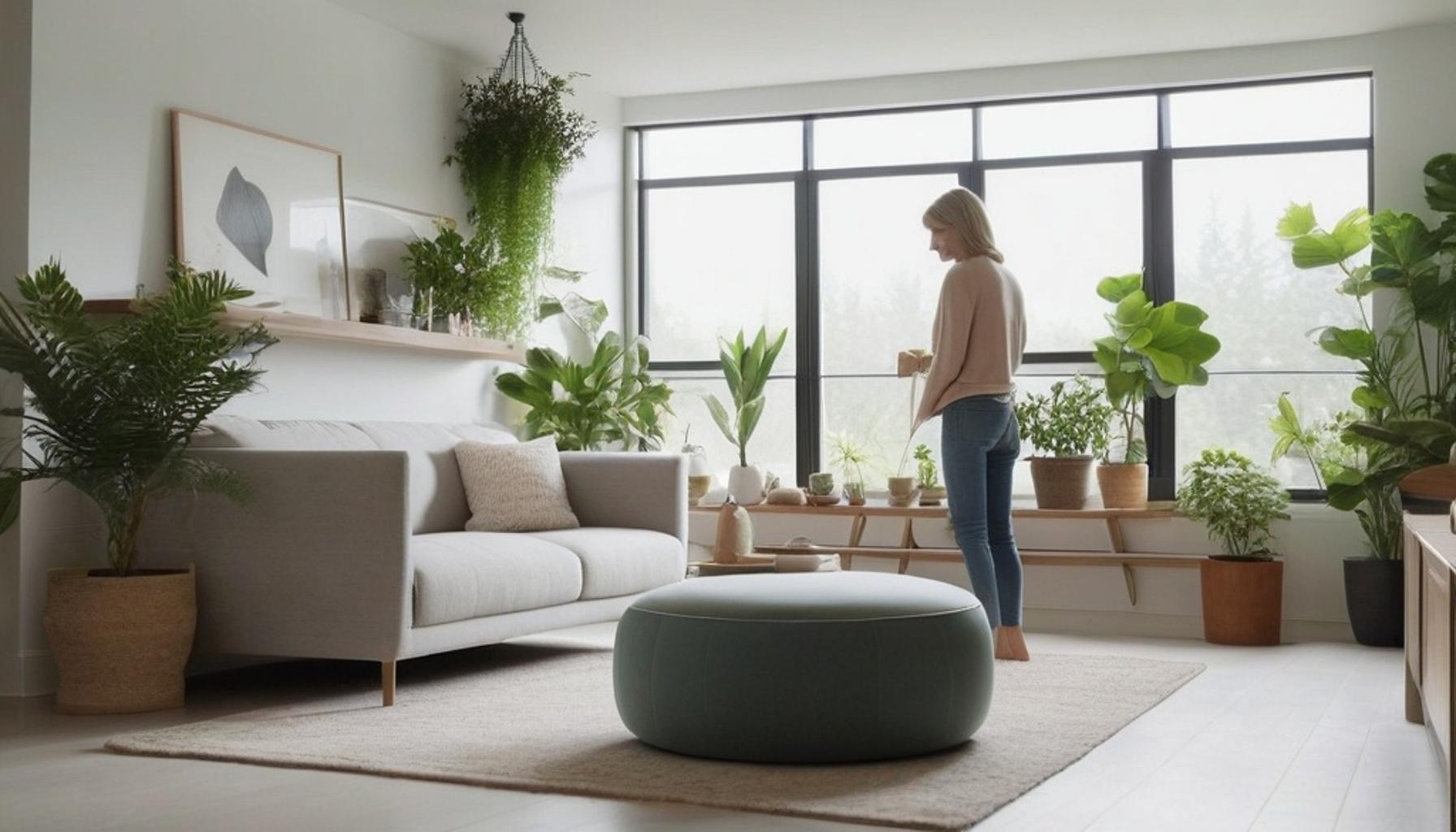
Why American Living Rooms Are Bursting at the Seams
The average American home has shrunk to just 2,299 square feet, yet families still own more belongings than ever before. This paradox creates an overwhelming scenario in living rooms, often becoming the primary battleground against an influx of toys, endless piles of mail, remotes, and cozy blankets. As families accumulate items, often driven by consumer culture, they face the challenge of maximizing limited spaces. The result is a room that can feel restrictive and chaotic, rather than the comfort zone it’s meant to be.
A clutter-free living room is essential not just for aesthetics but also for mental health. Research indicates that a tidy space is associated with lower stress hormones and improved focus. An organized environment can enhance productivity and promote feelings of calm, making the effort to declutter about more than just a clean room; it’s a crucial aspect of overall wellness.
What This Guide Covers
This article aims to equip homeowners and renters alike with practical, budget-friendly strategies for creating functional living rooms. You can expect real, actionable solutions, rather than abstract suggestions.
- Space-saving ideas for living rooms that maximize square footage without requiring renovation. Think about furniture with built-in storage or multi-functional pieces, like a coffee table that transforms into a dining table.
- Smart storage solutions for small spaces, encompassing everything from decorative baskets to vertical shelving units that draw the eye upward, making the room feel larger.
- Simple decluttering tips for living room upkeep that require less than 15 minutes a day, such as establishing a “return to home” routine for stray items and regularly evaluating what remains necessary.
- Core principles of minimalist living room design that remain warm and inviting, proving you can have a stylish room that feels personal without overwhelming decor.
Whether you’re situated in a bustling Brooklyn studio or a spacious suburban ranch in Texas, the struggle is universal: too much stuff and not enough space to enjoy it. Learning how to organize a living room effectively involves rethinking furniture arrangements, storage options, and daily habits to create a more serene environment.
By the end of this guide, you will have a clearly defined action plan that goes beyond mere inspiration. Expect specific products, layouts, and routines that align with the realities of American homes, setting the stage for a more peaceful living space.
DISCOVER MORE: Click here for additional insights
Start With an Honest Audit of Your Living Room
Before rushing out to buy bins, shelves, or the latest viral organizer from social media, take a step back. A truly clutter-free living room begins with understanding exactly what you’re working with, both in terms of square footage and the belongings competing for that space.
Grab a notepad or your phone and walk through your living room as if you were seeing it for the first time. Ask yourself which items you’ve used in the past 30 days. Studies on household organization suggest that Americans use only 20% of their possessions regularly, meaning the remaining 80% is likely contributing to visual and physical clutter without adding real value.
The Five-Zone Method
Professional organizers often break living rooms into functional zones, an approach that instantly clarifies where space-saving ideas for living room layouts should be applied. Instead of treating your living room as one big catch-all area, divide it mentally into:
- The seating zone – sofas, chairs, and the immediate conversation area.
- The media zone – television, consoles, cords, and streaming devices.
- The entry drop zone – where mail, keys, and shoes tend to accumulate.
- The activity zone – games, kids’ toys, hobby supplies, or reading materials.
- The display zone – photos, decor, and sentimental items.
Once each zone is identified, it becomes far easier to see which areas are overwhelmed and which smart storage solutions for small spaces might solve the problem, whether that’s a media console with hidden cable management or a slim console table by the entryway to intercept mail before it lands on the coffee table.
Measure Twice, Buy Once
One of the most overlooked decluttering tips for living room success is simple: measure your space accurately before purchasing any furniture or organizers. A storage ottoman that looks compact online might swallow a third of your walking path in person.
Standard American living rooms average between 330 and 400 square feet, but that number varies dramatically between a Chicago high-rise and a ranch-style home in Ohio. Knowing your exact dimensions, including doorway widths and traffic flow, prevents costly guesswork and ensures every piece you add genuinely helps you organize a living room rather than adding to the congestion.
This initial audit might feel like extra homework, but it’s the foundation that separates a temporary tidy-up from a lasting, functional transformation.
DISCOVER MORE: Click here for additional insights
# Furniture That Works Harder: Multi-Purpose Pieces for Every LayoutOnce the audit is complete, the real transformation begins with furniture choices. The single most effective shift toward a clutter-free living room isn’t buying more storage, it’s buying smarter storage that does double or triple duty.Interior designers have a term for this: dual-function furniture. Think of a coffee table with a lift-top surface that reveals hidden compartments, or a media console that hides gaming systems, remotes, and tangled cables behind clean cabinet doors. These pieces address space-saving ideas for living room setups without sacrificing style.## Ottomans, Benches, and Nesting TablesStorage ottomans deserve special attention because they solve two problems simultaneously: extra seating and hidden storage for blankets, magazines, or children’s toys. A tufted ottoman with a removable lid can swallow an entire basket’s worth of clutter while still functioning as a footrest during movie night.Nesting tables offer similar versatility. Rather than committing to one bulky coffee table, a set of two or three nesting tables can expand for game night or entertaining, then collapse back into a compact footprint. This flexibility makes them ideal smart storage solutions for small spaces, particularly in apartments common in cities like Boston or San Francisco, where every square foot carries a premium.Consider these multi-purpose options when furnishing a compact living room:
- Storage benches placed under windows for seating and hidden bins.
- Wall-mounted drop-leaf tables that fold flat when not in use.
- Sofa sleeper sectionals that convert to guest beds without extra furniture.
- Floating shelves with baskets to keep floor space open.
## Vertical Thinking Changes EverythingMost homeowners fixate on floor space, but ceilings and walls hold untapped potential. Minimalist living room design often relies on vertical storage precisely because it draws the eye upward, creating an illusion of a larger room while freeing up walking paths.Tall, narrow bookshelves positioned near seating areas can hold everything from paperbacks to decorative baskets, without eating into the room’s usable footprint. According to National Association of Home Builders data, rooms that incorporate at least one full-height storage unit report a 15% improvement in perceived spaciousness, even when actual square footage remains unchanged.Wall-mounted floating shelves above a media console also provide a practical answer for anyone wondering how to organize a living room cluttered with remote controls, coasters, or streaming devices. Installing hooks near an entryway wall, meanwhile, intercepts jackets and bags before they land on the sofa arm.These decluttering tips for living room spaces prove that the goal isn’t eliminating belongings entirely, it’s reimagining where and how they’re stored so the room breathes again.
DISCOVER MORE: Click here to find innovative storage solutions
# Bringing It All Together: Your Path to a Clutter-Free Living RoomA clutter-free living room isn’t the result of a single weekend overhaul. It’s the product of intentional choices made room by room, shelf by shelf.From auditing belongings to selecting dual-function furniture, every strategy discussed points toward one truth: space is created through smarter decisions, not bigger square footage.
Key Takeaways for Lasting Results
Homeowners across the country, from cramped New York City studios to sprawling suburban homes in Texas, face the same fundamental challenge. Belongings multiply faster than storage does. The solution lies in combining several approaches rather than relying on one fix.
- Multi-purpose furniture like storage ottomans and nesting tables maximizes function without adding bulk.
- Vertical storage transforms unused wall space into practical, visually expansive solutions.
- Consistent decluttering habits prevent the slow creep of clutter that undoes initial efforts.
These space-saving ideas for living room design work best when applied together, not in isolation. A tall bookshelf paired with a lift-top coffee table accomplishes more than either piece alone.
Thinking Beyond the Living Room
Smart storage solutions for small spaces don’t stop at one room. The same principles, dual-function pieces, vertical thinking, and regular audits, apply to bedrooms, entryways, and home offices alike.Minimalist living room design isn’t about owning less for its own sake. It’s about ensuring every item earns its place. When readers ask how to organize a living room that constantly feels chaotic, the answer typically involves rethinking furniture choices rather than simply buying more bins.The payoff extends beyond aesthetics. Organized spaces reduce daily stress, save time searching for misplaced items, and even influence home resale value in competitive markets.Ultimately, these decluttering tips for living room spaces offer more than a tidier room, they offer a more functional, breathable home.
Frequently Asked Questions
What are some effective storage solutions for a small living room?
To maximize space in a small living room, consider multi-functional furniture like ottomans with storage, coffee tables with shelves, and wall-mounted shelves. Utilize vertical space by installing tall bookcases or cabinets that reach the ceiling, and don’t forget about under-furniture storage for items you seldom use.
How can I maintain a clutter-free living room on a daily basis?
Establishing a daily cleaning routine can significantly help in maintaining a clutter-free living room. Designate a specific time each day to tidy up and encourage everyone in the household to put items back in their designated places immediately after use.
What are some clever ways to store books in a small living room?
Consider using floating shelves to display books without taking up floor space, or invest in a book cart that can be easily moved. Another creative option is to use decorative baskets or bins to house books, which can be tucked away under tables or in corners for easy access.
Can I create a clutter-free living room without sacrificing style?
Absolutely! A clutter-free living room can be both functional and stylish by choosing storage solutions that complement your decor. Opt for decorative storage boxes, stylish shelving units, and chic baskets that not only hide clutter but also enhance the aesthetic of your space.
What are some space-saving furniture options for creating a clutter-free living room?
Look for furniture that doubles as storage, such as a sofa with hidden compartments, a coffee table with drawers, or a bench with storage inside. Folding furniture, like collapsible tables or chairs, is also a great way to save space when not in use.
How can I declutter my living room effectively?
Start by sorting your items into categories, such as keep, donate, and discard. Tackle one area at a time, using storage solutions like bins or organizers to help maintain order. Regularly revisit your items to reassess your space and ensure it stays clutter-free.

Beatriz
Beatriz Johnson is a seasoned minimalist and writer with a passion for simplifying the complexities of personal organization and intentional living. With over a decade of experience in decluttering strategies and mindful consumption, she specializes in topics like space optimization, habit simplification, and sustainable lifestyle choices. Through her work on our website, Beatriz empowers readers to embrace minimalism, reduce mental and physical clutter, and create more meaningful, organized lives in today's fast-paced world.