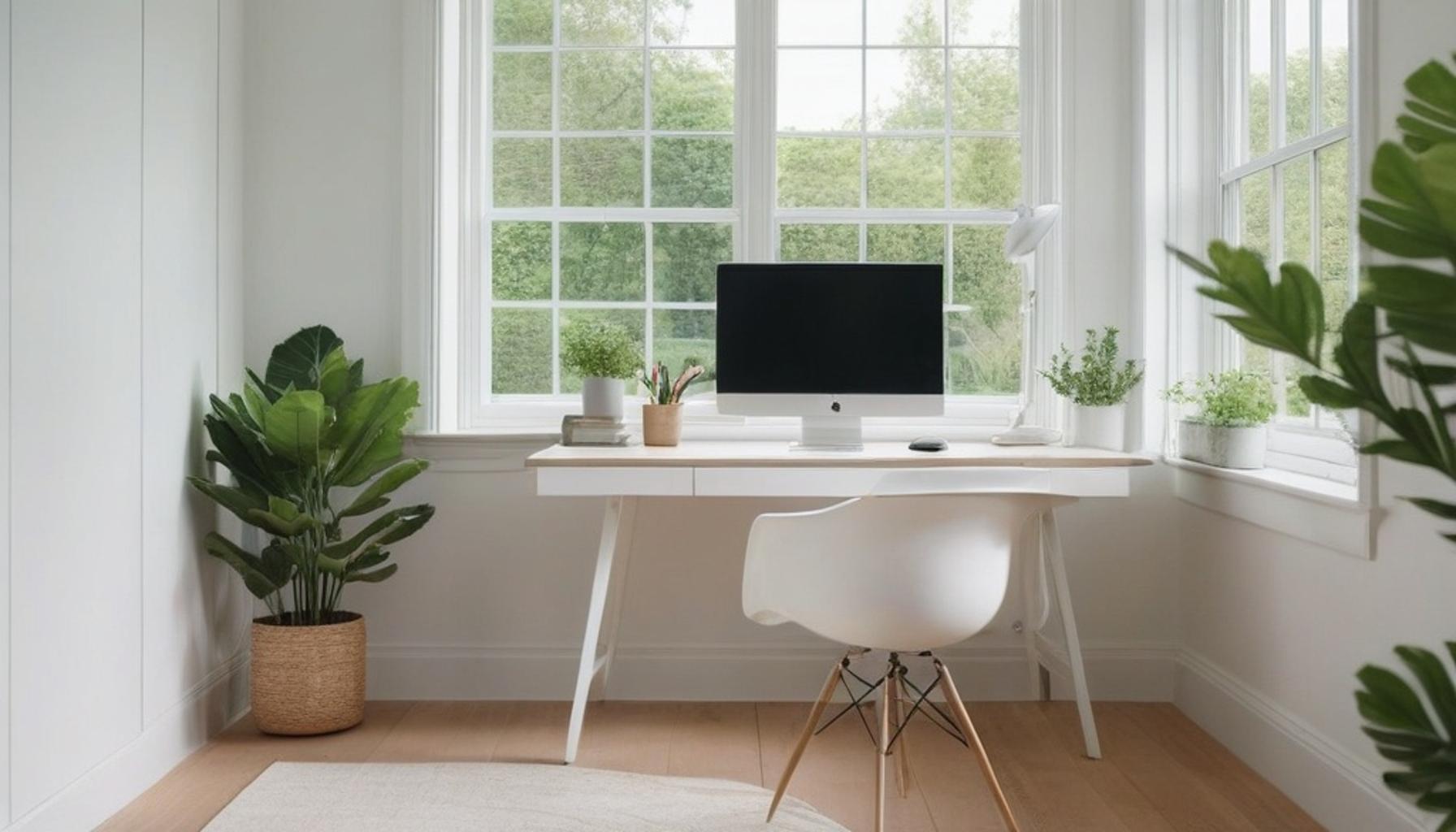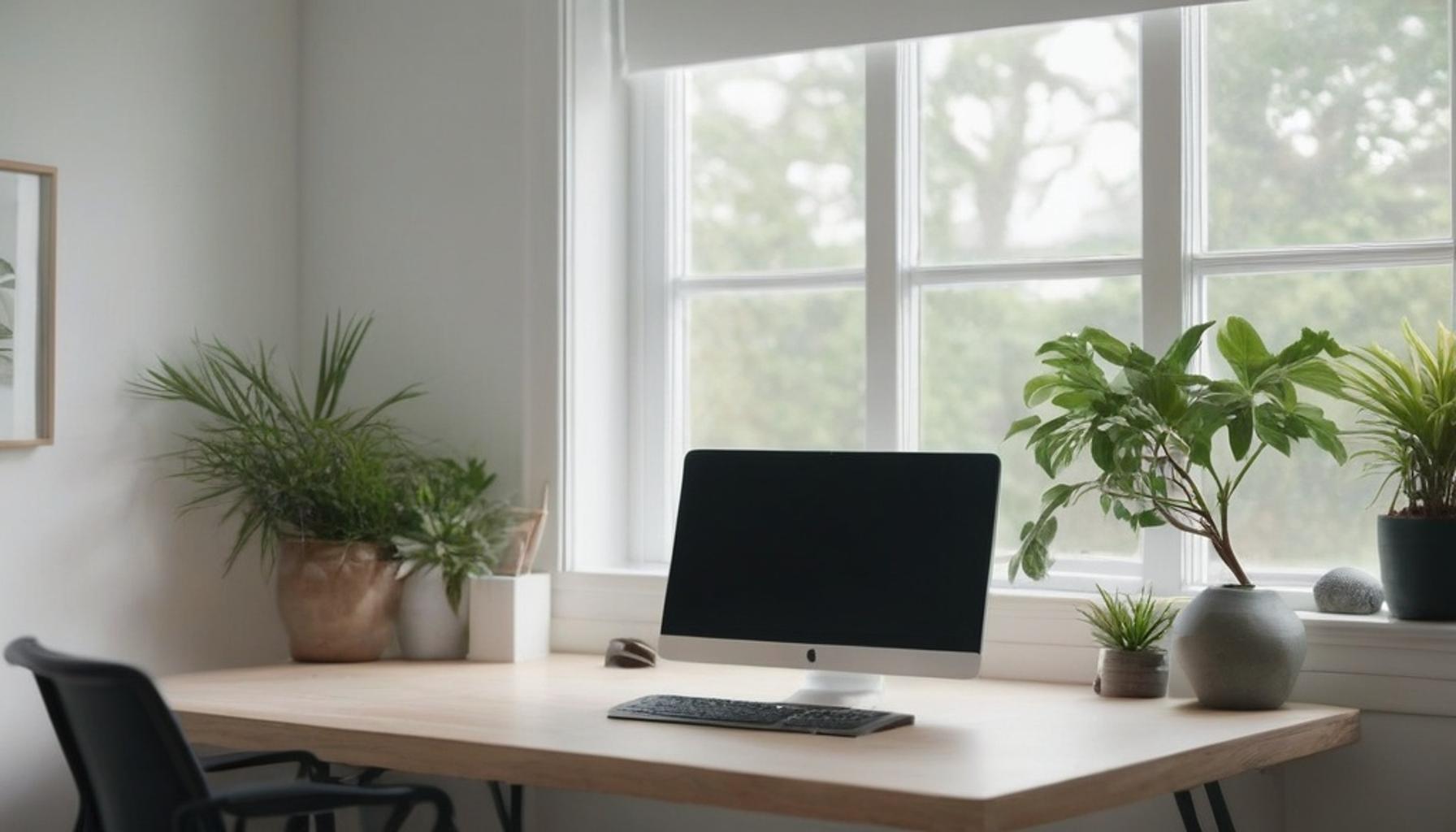
The Minimalist Mindset: Decluttering Techniques for Efficient Living

Why Americans Are Rethinking What They Own
A striking statistic reveals that the average U.S. household is home to over 300,000 items, according to organizational experts. However, studies indicate that only about 20% of these belongings receive regular use. This significant disparity between what we own and what we actually need is sparking a nationwide movement toward the Minimalist Mindset. Many individuals and families are beginning to question the necessity of their possessions, leading to a deeper exploration of their values and lifestyles.
Across the United States, from the compact tiny homes in Portland, Oregon, to the meticulously arranged apartments in Manhattan, a growing number of Americans are embracing a simpler way of living. People are initiating conversations online and offline about a crucial thought: what if having less truly does mean more? This shift isn’t merely about discarding items; it’s about redefining priorities, experiences over possessions, and fostering a sense of freedom.
The Real Cost of Clutter
Clutter can detract from our quality of life in numerous ways. It’s much more than an aesthetic issue; it is linked to elevated stress hormones, decreased productivity, and significant financial waste. For instance, let’s consider the tangible costs associated with excess belongings:
- Time: Research suggests that Americans waste an estimated 2.5 days each year searching for misplaced items, effort that could be better spent on fulfilling activities or personal connections.
- Money: The self-storage sector in the United States exceeds an astonishing $39 billion annually, reflecting a widespread tendency to pay for space to store what we no longer use.
- Mental space: The presence of visual clutter competes for our attention, impairing focus and causing mental fatigue, which can hinder our overall well-being.
These poignant statistics highlight why decluttering techniques have gained traction beyond niche lifestyle blogs and are now part of mainstream dialogue. The conversation around minimalism encourages individuals to reclaim their space and peace of mind.
What This Article Covers
This guide offers practical, science-backed strategies to simplify your life without resorting to extreme sacrifices or drastic changes. Readers can expect a wealth of actionable insights rather than vague suggestions.
- Step-by-step methods for organizing for minimalism tailored to each room in your home.
- Proven efficient living tips employed by professional organizers, ensuring maximum impact with minimal effort.
- Insights into how the minimalism lifestyle can positively influence your finances, time management, and mental clarity.
Whether it’s tackling an overflowing closet or reimagining your entire living environment, the journey begins with a fundamental shift in perspective. Often, it’s the smallest habits that lead to significant changes, providing a clearer path toward a life characterized by intentionality and peace.
DISCOVER MORE: Click here to explore smart storage solutions
Adopting a Minimalist Mindset is not merely about creating tidy living spaces; it has deep psychological implications grounded in cognitive science. According to research conducted by Princeton University, visual clutter can significantly hinder our cognitive processes. The study revealed that clutter competes for neural resources, making it difficult for our brains to effectively process information and maintain focus. When workspaces are littered with piles of papers or personal environments are choked with miscellaneous belongings, our brains never receive the respite they need to thrive. This accumulation of clutter becomes a source of stress, resulting in decreased productivity and heightened anxiety.
This phenomenon explains why many individuals experience feelings of instant relief after decluttering, even when it involves a small area. The satisfaction derived from a thorough clean isn’t merely a fleeting emotional response; it’s quantifiable. Research indicates that organizational changes lead to lower cortisol levels—the body’s primary stress hormone—improved sleep quality, and enhanced concentration capabilities. This shows that our surroundings really can influence our mental well-being.
Common Triggers That Lead to Overaccumulation
To effectively begin the journey towards a simplified lifestyle, it’s essential to understand the underlying reasons for why people accumulate possessions in the first place. Clutter often accumulates gradually, fueled by daily habits and emotional ties that encourage us to hold onto more than we truly need.
- Retail therapy: A prevalent coping mechanism, many find themselves shopping as a way to alleviate stress or boredom. This is particularly noticeable during significant sales events such as Black Friday or Cyber Monday, where the thrill of discounts can lead to impulsive purchases that contribute to clutter.
- Sentimental attachment: We often cling to items that are linked to cherished memories, holding onto them even when they no longer serve a practical purpose. An old teddy bear or a graduation gown can become emotionally heavy weights that we struggle to release.
- “Just in case” thinking: This mindset encourages us to keep duplicates or outdated items, driven by a fear of needing them in the future. For instance, that old exercise machine in the basement, even if it hasn’t been used for years, remains there just in case it might be needed.
- Gift guilt: Many people feel compelled to keep unwanted gifts from family or friends. This sense of obligation can prevent us from letting go of items that are no longer desirable or useful, leading to a house full of items that serve only as reminders of guilt.
Recognizing these behavioral patterns is crucial for achieving a simplified life in a sustainable way, allowing for lasting change rather than a temporary fix that may revert back to old habits within weeks or months.
Small Shifts, Significant Results
The path to embracing minimalism does not require an extreme overhaul of your living space in one go. In fact, many professional organizers from cities like Los Angeles to Chicago advocate for a gradual approach to organizing for minimalism. The best results often arise from making small, consistent changes over time.
One practical method is the “one-in, one-out” rule. This principle states that for every new item introduced into your home, an existing item must be removed. By adhering to this simple practice, households can prevent clutter from building up and maintain a more manageable environment.
Another effective strategy is the 90/90 rule, introduced by minimalist advocates Joshua Fields Millburn and Ryan Nicodemus. The idea is straightforward: if you haven’t used an item in the last 90 days and do not foresee using it in the next 90 days, it is likely safe to let go. This rule encourages individuals to make mindful decisions about what is essential in their lives.
These efficient living tips advocate for intentionality over deprivation. By creating systems that consistently keep our spaces—and minds—clear, we can navigate life with increased clarity and less anxiety, sidestepping the exhausting effort that often accompanies clutter management. As such, embracing minimalism can be a transformative practice that enhances both the physical and mental landscapes of our lives.

DISCOVER MORE: Click here for smart storage solutions
Room-by-Room Strategies for Sustainable Simplicity
Once the psychology behind clutter is understood, the next logical step involves practical application. Rather than tackling an entire home in a single weekend—a common mistake that leads to burnout—experts recommend a room-by-room approach. This method allows for decluttering techniques to be applied methodically, ensuring that progress feels achievable rather than overwhelming.
The kitchen, often considered the heart of the American home, tends to be a prime location for unnecessary accumulation. Duplicate utensils, expired spices, and single-use gadgets purchased after late-night infomercials frequently occupy valuable cabinet space. A study by the Journal of Consumer Research found that the average American household uses only about 20 percent of the kitchen tools they own on a regular basis.
Bedrooms present a different challenge, primarily centered around clothing. The concept of a capsule wardrobe—a curated collection of interchangeable pieces—has gained significant traction among those pursuing a minimalism lifestyle. Fashion analysts note that Americans wear only about 20 percent of their clothing 80 percent of the time, meaning closets are often filled with items that rarely see daylight.
Digital Clutter: The Invisible Burden
While physical possessions dominate most conversations about minimalism, digital clutter deserves equal attention. Overflowing email inboxes, disorganized desktop files, and countless unused applications can create the same cognitive strain as a messy closet.
A report from Adobe found that the average professional spends over five hours daily managing emails, many of which contain outdated or irrelevant information. Applying efficient living tips to digital spaces might include unsubscribing from unnecessary newsletters, organizing files into clearly labeled folders, and setting designated times to check messages rather than responding to constant notifications.
- Photo libraries: Thousands of duplicate or blurry images often sit untouched on smartphones, consuming storage and mental bandwidth.
- Subscription services: Many households unknowingly pay for streaming platforms or apps they rarely use, contributing to both financial and digital clutter.
- Browser tabs and bookmarks: An overload of saved pages can mirror the same overwhelming sensation as a cluttered desk.
Addressing these invisible accumulations is a crucial component of simplifying your life in a modern, technology-driven society.
The Financial Upside of Owning Less
Beyond mental clarity, embracing a Minimalist Mindset often produces tangible financial benefits. Consumer studies suggest that individuals who adopt minimalist habits report spending up to 30 percent less on discretionary purchases within the first year.
This reduction stems largely from increased mindfulness before buying. When people commit to organizing for minimalism, they naturally begin questioning whether new items align with their values or merely add to existing excess. Some households have even reported paying down debt faster after redirecting money once spent on unnecessary goods toward savings or financial goals.
These outcomes illustrate that minimalism extends far beyond aesthetics, touching nearly every aspect of daily life, from mental health to personal finances.
Bringing It All Together: A Lasting Shift in Perspective
Adopting a Minimalist Mindset is rarely about achieving a picture-perfect, empty room. Instead, it reflects a deeper commitment to intentional living, where every possession, digital file, and dollar spent serves a genuine purpose.
From tackling kitchen cabinets to reducing overflowing inboxes, the decluttering techniques explored throughout this discussion demonstrate that simplicity is achievable in nearly every corner of daily life. Whether addressing a bedroom closet or a phone’s photo library, small, consistent actions tend to outperform sporadic, overwhelming purges.
What makes this approach particularly compelling is its ripple effect. Households that begin with one room often find themselves naturally extending efficient living tips into other areas, from finances to digital habits. This snowball effect suggests that minimalism is less a single project and more an evolving practice.
Critics might argue that a minimalism lifestyle is easier said than done, especially in a culture driven by consumerism and constant marketing. Yet the data referenced throughout—from underused kitchen tools to unworn clothing—indicates that most Americans already possess far more than they need or use.
Ultimately, simplifying your life is not about deprivation. It is about reclaiming time, mental energy, and financial resources that were previously tied up in excess. Those interested in organizing for minimalism might consider starting small: one drawer, one inbox folder, one subscription canceled.
As more research continues to link clutter with stress and minimalism with improved well-being, it becomes increasingly clear that this movement is far from a passing trend. For readers curious about their own habits, the next step may simply be observing how much space—physical, digital, or financial—is currently being occupied by things that no longer serve a purpose.
Frequently Asked Questions
What are the key principles of the Minimalist Mindset?
The key principles of the Minimalist Mindset include simplicity, intentionality, and mindfulness. It focuses on reducing physical and mental clutter to prioritize what truly matters in life. By living intentionally, individuals can create more meaningful experiences rather than accumulating possessions.
How can I start practicing decluttering with a Minimalist Mindset?
Start by evaluating your belongings and determining what you truly need and value. Use techniques like the ‘One-Year Rule’—if you haven’t used an item in the past year, consider letting it go. Break the process down into manageable tasks, such as decluttering one room or category at a time.
What are some effective decluttering techniques for beginners?
Effective techniques for beginners include the ‘KonMari Method,’ which encourages you to keep items that spark joy, and ‘The Four-Box Method,’ where you categorize items into keep, donate, sell, or trash. Additionally, try the ’10-Minute Tidy’ where you spend just ten minutes each day decluttering, making it less overwhelming.
How does a Minimalist Mindset impact mental health?
Adopting a Minimalist Mindset can significantly improve mental health by reducing stress and anxiety associated with clutter. It promotes clarity and focus by allowing individuals to prioritize their time and energy on what is truly important. As a result, many find a greater sense of peace and happiness in their lives.
Can minimalism apply to digital spaces as well?
Absolutely! A Minimalist Mindset can extend to digital spaces by decluttering files, emails, and social media accounts. Organizing your digital life helps reduce distractions, improve productivity, and can create a more serene online environment, much like a physical space.
What are common misconceptions about minimalism?
A common misconception about minimalism is that it requires extreme deprivation or living with very few possessions. In reality, minimalism is about making intentional choices and keeping only what adds value to your life. It’s not about losing things, but rather about gaining freedom and space for what matters most.

Beatriz
Beatriz Johnson is a seasoned minimalist and writer with a passion for simplifying the complexities of personal organization and intentional living. With over a decade of experience in decluttering strategies and mindful consumption, she specializes in topics like space optimization, habit simplification, and sustainable lifestyle choices. Through her work on our website, Beatriz empowers readers to embrace minimalism, reduce mental and physical clutter, and create more meaningful, organized lives in today's fast-paced world.