Maximizing Small Spaces: Smart Storage Solutions for a Clutter-Free Home
As the landscape of urban living continues to evolve, a marked trend among new apartments across the United States reveals a profound shift towards smaller living spaces. The average new apartment now measures just 887 square feet, according to recent housing data. This reduction in size is particularly evident in bustling metropolitan areas, where studio units in New York City or compact condos in Seattle are becoming the norm. As renters adapt to these constraints, the expectation for comfort and functionality has never been higher.
In response to these changing dynamics, there has been a notable surge in interest surrounding smart storage solutions. Individuals are no longer merely trying to make room for furniture; they are creatively rethinking how to utilize every inch of their living spaces to enhance comfort and organization. This paradigm shift emphasizes ingenuity in design and the importance of effective storage.
Why Storage Strategy Matters
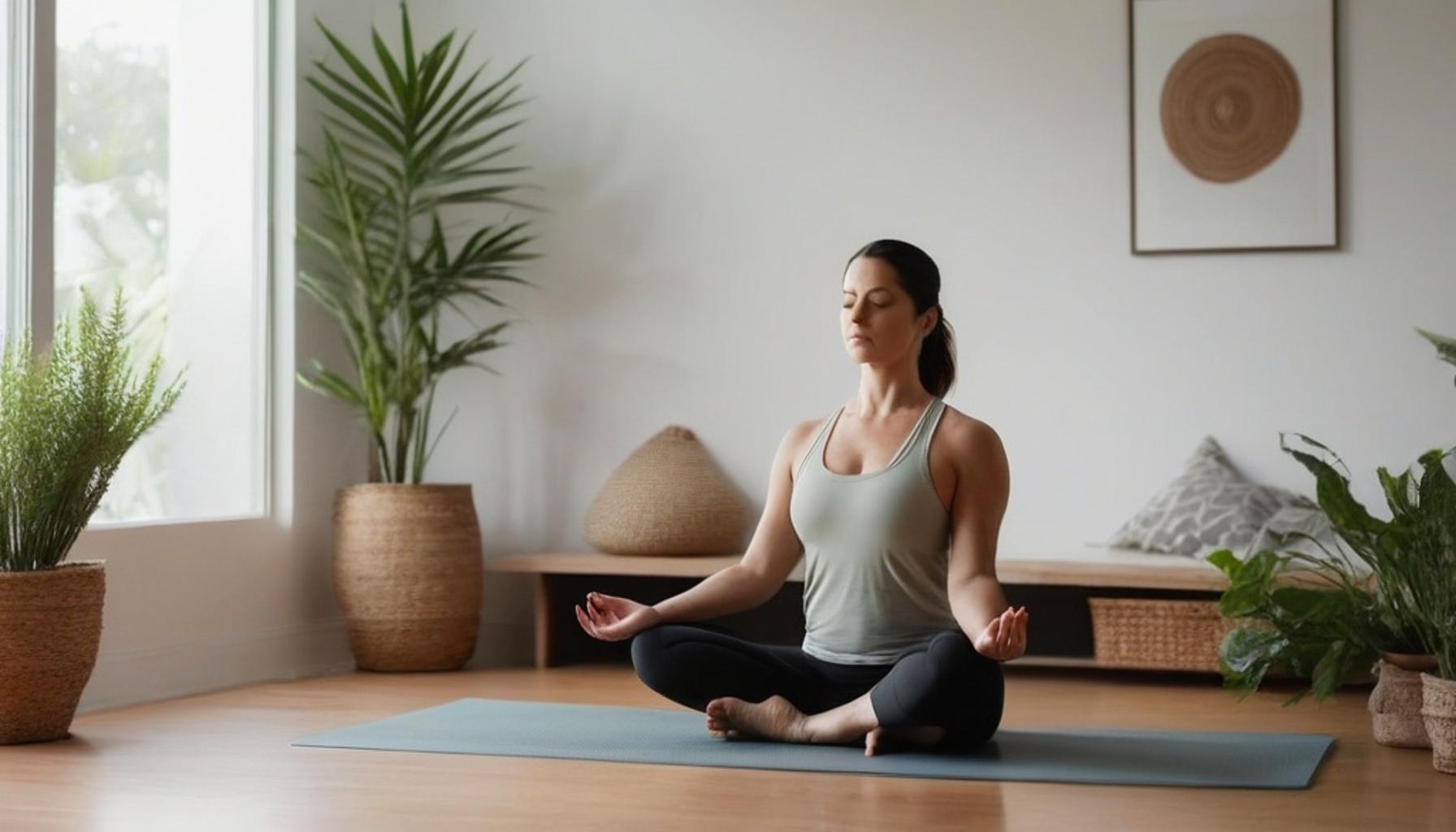
Living in clutter can significantly impact mental well-being. Research indicates a direct correlation between disorganized spaces and heightened stress levels, which can hamper productivity. As the quest for wellness continues to gain traction, clutter-free home ideas are becoming increasingly relevant. By fostering a serene environment, individuals can enhance their quality of life.
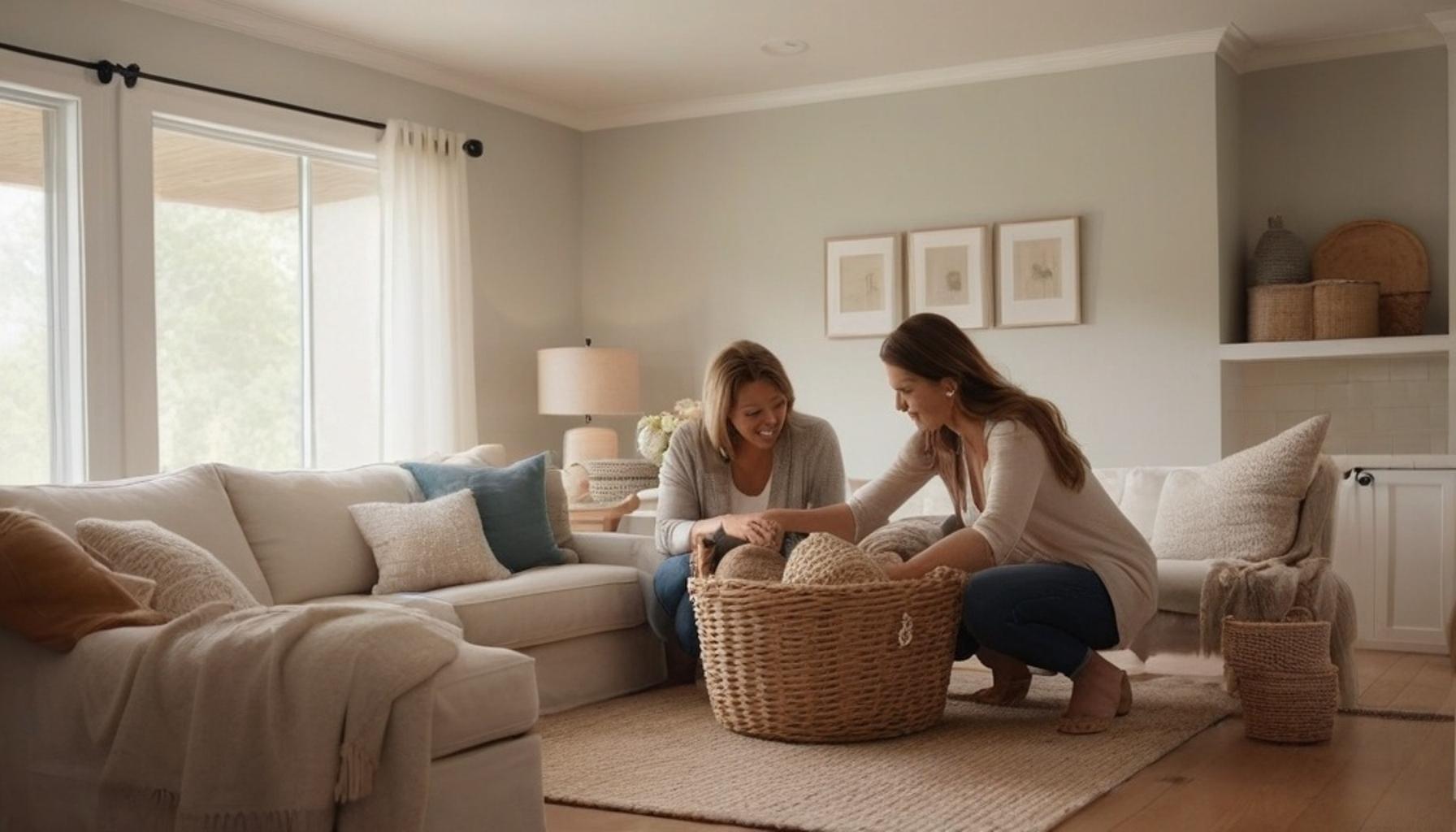
Fortunately, transforming a disheveled space into a well-organized sanctuary doesn’t require extensive renovations. Instead, a few targeted strategies can lead to significant improvements. Here are some innovative techniques that can make a dramatic difference:
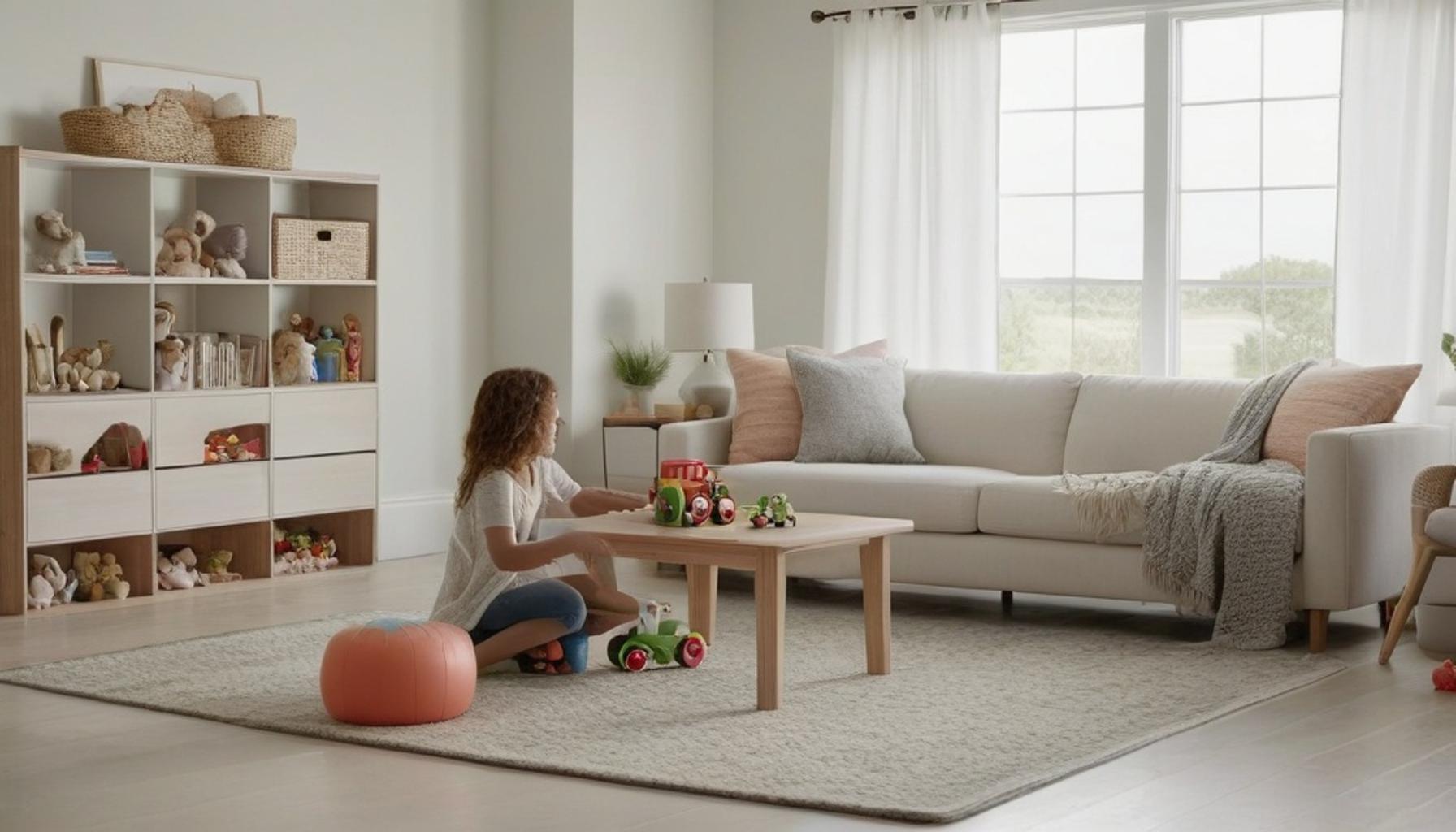
- Multifunctional furniture, such as ottomans with built-in storage, can provide seating and storage simultaneously, ideal for small living rooms.
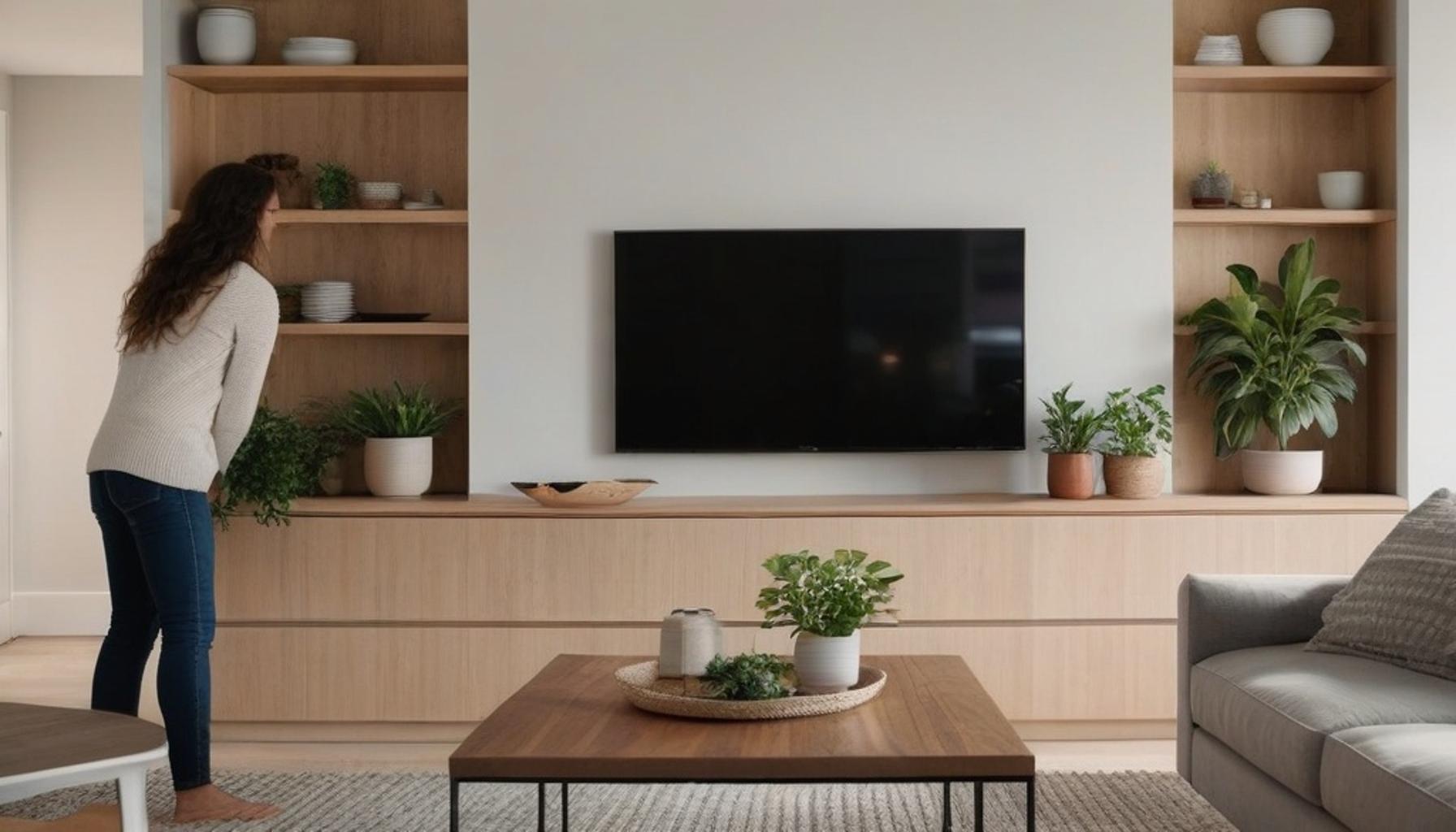
- Vertical shelving systems allow you to draw the eye upward, creating the illusion of more space while also freeing up valuable floor space.
- Under-bed storage bins can efficiently house seasonal clothing, shoes, or other seldom-used items that would otherwise take up prime storage real estate.
- Wall-mounted organizers eliminate the need for bulky cabinets, providing practical storage solutions that blend seamlessly into your decor.
What This Article Covers
This guide explores practical small space organization tips that real homeowners and renters are actively implementing. Readers can expect a range of actionable advice, budget-friendly hacks, and creative storage solutions designed for various room types, be it a studio apartment or a family home.
Whether you are confined to a modest apartment or simply looking to streamline your living environment, the strategies outlined offer valuable insights for maximizing every square foot, ensuring a harmonious blend of style and functionality.
DISCOVER MORE: Click here for further insights
Room-by-Room Strategies to Maximize Small Spaces
Every square foot counts when you’re working with a compact footprint, and different rooms present different challenges. Understanding how to maximize small spaces in each area of your home requires a tailored approach rather than a one-size-fits-all solution. What works wonders in a kitchen might fall flat in a bedroom.
Transforming the Kitchen with Vertical Thinking
Kitchens in urban apartments are notoriously tight, with many New York and San Francisco units offering less than 70 square feet of galley space. Yet this constraint has sparked remarkable innovation among renters and homeowners alike.
Pegboards mounted on empty wall space have become a favorite among small-space dwellers, allowing pots, pans, and utensils to hang in plain sight rather than cluttering cabinets. Magnetic knife strips free up drawer space, while stackable, clear containers in pantries make ingredients easy to locate without digging through overcrowded shelves.
- Rolling kitchen carts function as extra counter space and can be tucked away when not in use.
- Over-the-sink cutting boards instantly create additional prep area in kitchens where counter space is scarce.
- Cabinet door organizers transform unused vertical space inside cabinets into storage for lids, cutting boards, or spices.
Bedrooms That Work Harder
The bedroom often becomes the default dumping ground in small apartments, but it doesn’t have to be. Platform beds with built-in drawers have surged in popularity, particularly among Chicago and Boston renters navigating studio layouts. These designs eliminate the need for separate dressers, consolidating storage into a single furniture piece.
Closet systems designed for small spaces also deserve attention. Double-hanging rods, slim velvet hangers, and over-the-door shoe organizers can effectively double the storage capacity of even the most modest closet, without any structural changes required.
Living Rooms Built on Multifunctional Furniture
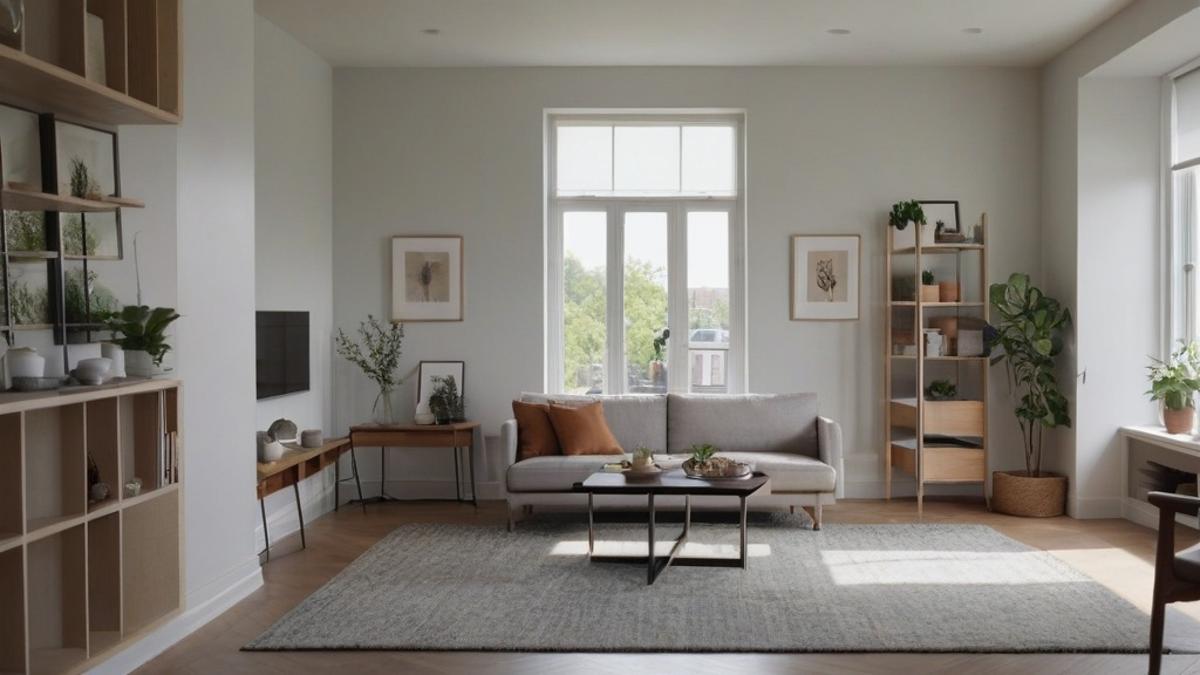
The living room is where multifunctional furniture truly shines. Coffee tables with hidden compartments, sofa beds with under-seat storage, and nesting tables that collapse when not needed all contribute to a space that adapts to daily life rather than restricting it.
According to interior design surveys, nearly 68 percent of small-space residents now prioritize furniture that serves at least two purposes, a clear signal that creative storage solutions are no longer a niche preference but a mainstream necessity.
DISCOVER MORE: Click here for additional insights
Bathrooms, Home Offices, and Hidden Opportunities Around the House
Beyond the main living areas, bathrooms and workspaces often get overlooked in the quest to maximize small spaces. Yet these rooms frequently hold untapped potential for clever organization, especially in homes where every closet doubles as an office or a laundry nook.
Rethinking the Bathroom Footprint
Bathrooms in older American homes, particularly in cities like Philadelphia and Boston, often measure under 40 square feet. That leaves little room for error, but plenty of room for ingenuity.
Floating shelves installed above the toilet or beside the vanity add storage without eating into floor space. Tension-rod shower caddies eliminate the need for drilling, while tiered under-sink organizers make use of the awkward plumbing gap that usually turns into a junk pile.
- Wall-mounted medicine cabinets recessed into the drywall create storage that feels invisible until it’s needed.
- Slim rolling carts slide into the gap beside a toilet or vanity, holding towels and toiletries within reach.
- Adhesive hooks and baskets keep hairdryers, brushes, and cords off the counter entirely.
Home Offices That Fit in a Closet
Remote work has permanently reshaped how Americans think about their homes, and nearly 35 percent of the U.S. workforce now works remotely at least part of the week, according to recent labor data. For those in studio apartments or one-bedroom units, this has meant carving out office space from thin air.
The result has been a boom in “cloffice” setups, where a closet is converted into a functional workstation using a compact desk, wall-mounted shelving, and a fold-down door that conceals everything when the workday ends. This approach is one of the more inventive small space organization tips to emerge from the pandemic era, and it continues to gain traction among renters who lack a dedicated study.
Entryways and Overlooked Corners
Entryways, hallways, and even staircases often go to waste in compact homes. A slim console table with drawers near the front door can hold mail, keys, and sunglasses, preventing clutter from migrating further into the house.
Under-stair drawers, though a larger renovation project, have become a sought-after feature in row houses across cities like Baltimore and Washington, D.C. For renters, stackable bins tucked into hallway corners achieve a similar effect without any construction involved.
These smaller, often-ignored zones are where clutter-free home ideas tend to make the biggest visible difference, since they’re the first spaces guests see and the last spaces people think to organize. Prioritizing them alongside kitchens and bedrooms rounds out a truly comprehensive approach to creative storage solutions throughout the home.
Small Space, Big Strategy: Pulling It All Together
From kitchens to closets-turned-offices, one theme runs through every room discussed: smart storage solutions are less about square footage and more about intention. A 400-square-foot studio in Chicago and a cramped rowhouse bathroom in Philadelphia face the same underlying challenge, and both benefit from the same principle of treating every wall, corner, and gap as usable real estate.
The most effective approach to maximize small spaces rarely involves a single dramatic renovation. Instead, it’s built from small, deliberate choices: a floating shelf here, a fold-down desk there, a rolling cart tucked beside a vanity. Multiplied across a home, these choices add up to noticeably more breathing room.
Multifunctional furniture deserves particular mention as a recurring thread throughout this guide. Ottomans that open for storage, beds with built-in drawers, and console tables that double as entryway catch-alls all reflect a broader shift in how Americans furnish smaller homes. As unit sizes shrink in cities nationwide, furniture that serves two purposes has moved from a nice-to-have to a near necessity.
It’s also worth remembering that clutter-free home ideas aren’t just aesthetic preferences. Organized spaces reduce daily friction, save time spent searching for misplaced items, and can even ease stress in households where space is already tight. That practical payoff is part of why these strategies have gained so much traction beyond design circles.
For anyone starting this process, the best advice is to begin small. Pick one overlooked area, whether it’s the space above a toilet or the dead zone beside a staircase, and apply a single fix. From there, the remaining small space organization tips tend to follow naturally, room by room.
Ultimately, creative storage solutions prove that square footage isn’t destiny. With the right combination of furniture, fixtures, and a willingness to rethink underused corners, even the most compact American homes can feel considerably more spacious.
Frequently Asked Questions
What are some innovative smart storage solutions for maximizing small apartment spaces?
Innovative smart storage solutions for small apartments include multifunctional furniture such as ottomans with hidden compartments, wall-mounted shelves to free up floor space, and under-bed storage bins. You can also use vertical organizers for closets and over-the-door racks to make the most of every inch. Implementing these solutions can greatly reduce clutter and enhance the usability of your living area.
How can I effectively use vertical space for storage in a small room?
To effectively use vertical space in a small room, consider installing shelves that reach up to the ceiling or utilizing tall bookshelves. Hooks and pegboards can help keep items off the floor while also adding a decorative touch. Additionally, using stackable bins or baskets can optimize vertical storage while keeping items accessible.
What are some budget-friendly smart storage solutions for small homes?
Budget-friendly smart storage solutions include using repurposed items like old crates or jars for storage, and maximizing space with DIY shelving units. Consider investing in multipurpose furniture, such as a coffee table with storage inside, to effectively use limited resources. Thrift stores and garage sales are also great places to find affordable storage items.
Can smart storage solutions help with organizing a home office in a small space?
Yes, smart storage solutions can significantly enhance the organization of a home office in a small space. Utilizing wall-mounted shelves for supplies, under-desk storage drawers, and vertical file organizers can create a more efficient workspace. Additionally, keeping only essential items visible and using storage boxes can help maintain a tidy and focused environment.
What are some smart storage solutions for maximizing closet space?
To maximize closet space, use cascading hangers for clothing, add a second rod to double hanging space, and use shelf dividers for better organization. Incorporating storage bins on upper shelves can help store seasonal items and keep them out of sight. Utilizing the door for hanging accessories or shoes can also free up valuable closet real estate.
How do I choose the right smart storage solutions for my small kitchen?
Choosing the right smart storage solutions for a small kitchen involves assessing your needs and the space available. Use magnetic strips for knives or spices and install pull-out shelves for deeper cabinets to maximize accessibility. Another effective solution is to incorporate tiered racks for organizing pantry items, thus maximizing vertical space while keeping everything within reach.

Beatriz
Beatriz Johnson is a seasoned minimalist and writer with a passion for simplifying the complexities of personal organization and intentional living. With over a decade of experience in decluttering strategies and mindful consumption, she specializes in topics like space optimization, habit simplification, and sustainable lifestyle choices. Through her work on our website, Beatriz empowers readers to embrace minimalism, reduce mental and physical clutter, and create more meaningful, organized lives in today's fast-paced world.