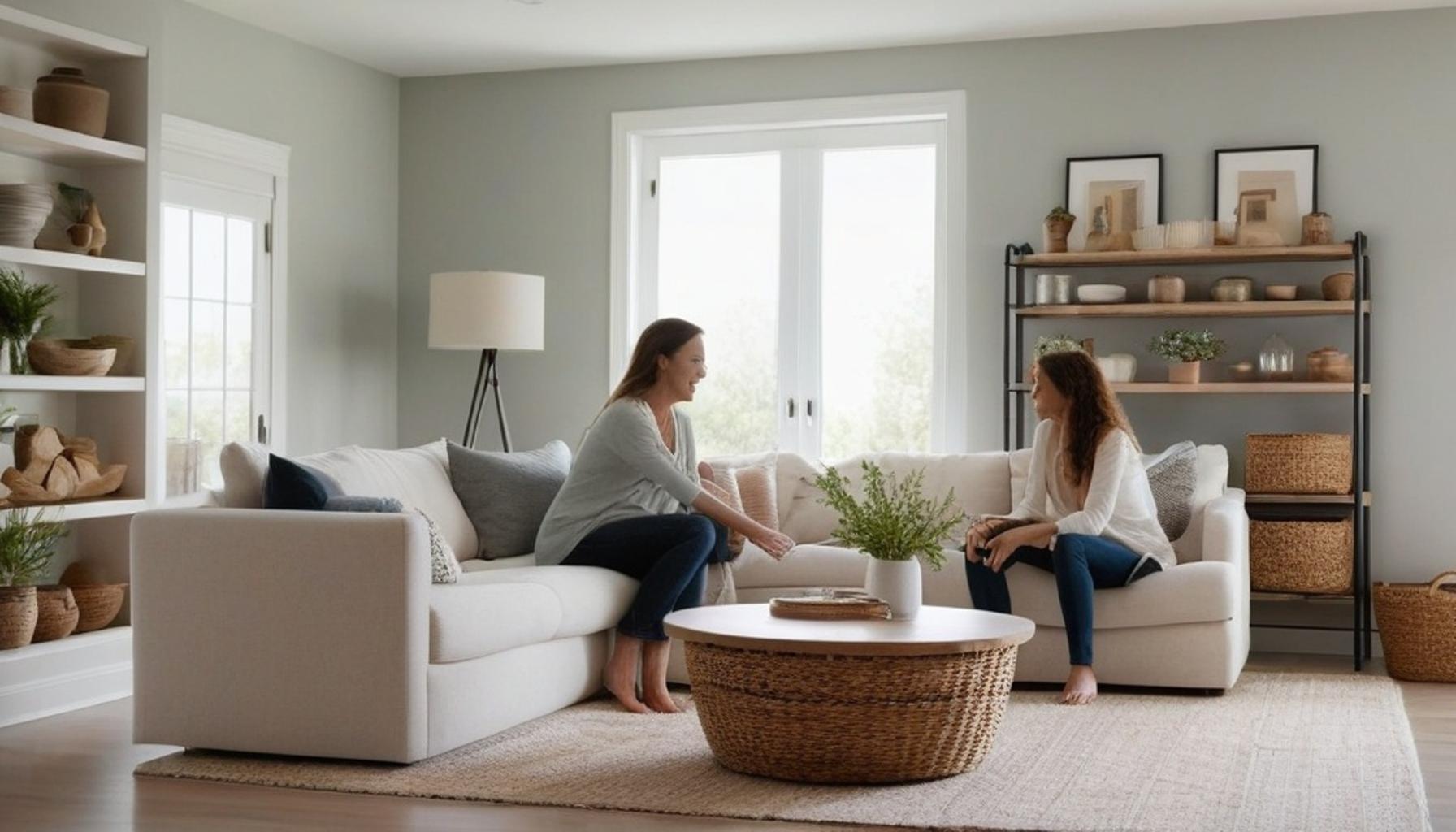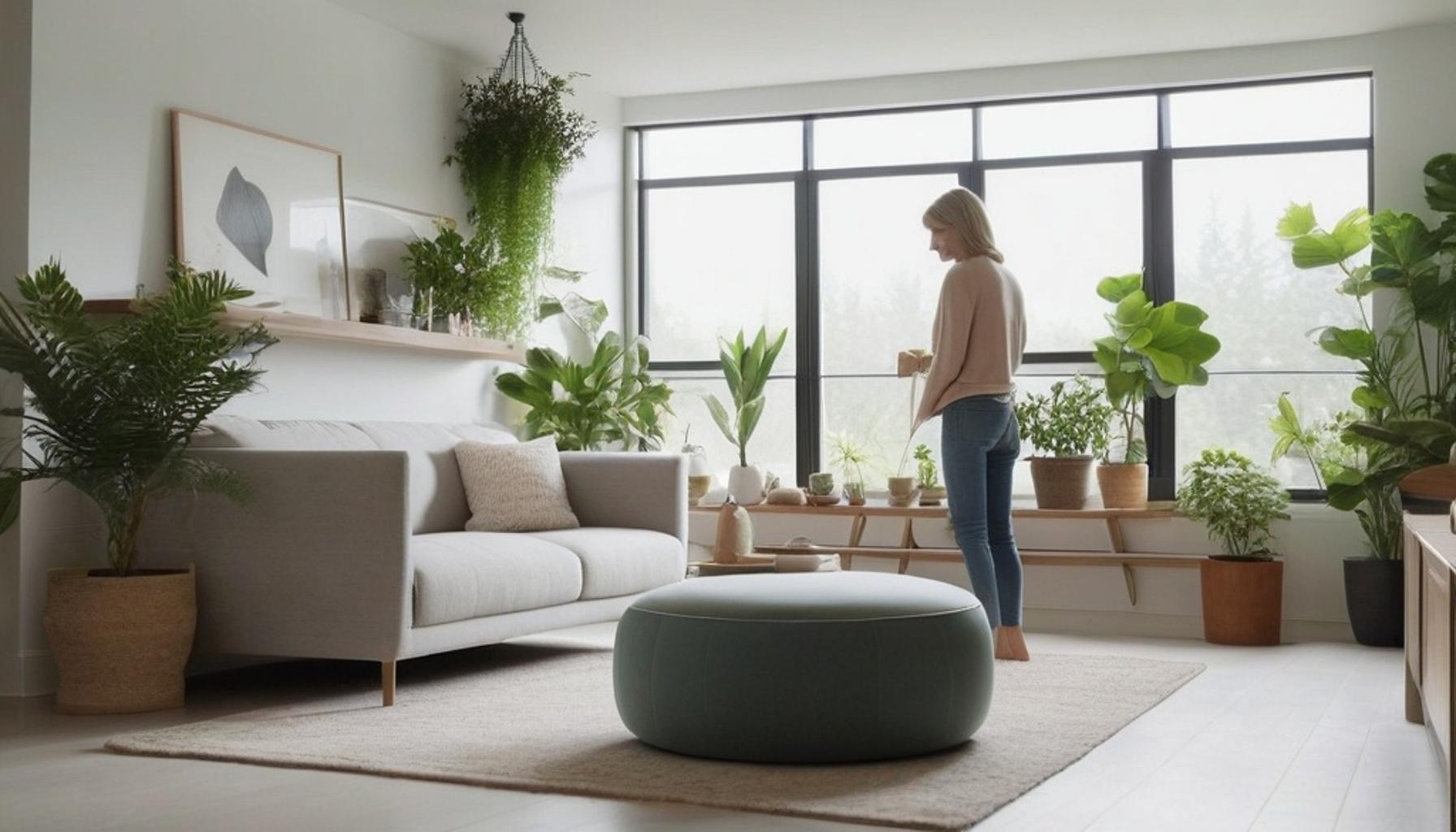
Maximizing Space: Smart Storage Solutions for a Clutter-Free Minimalist Home
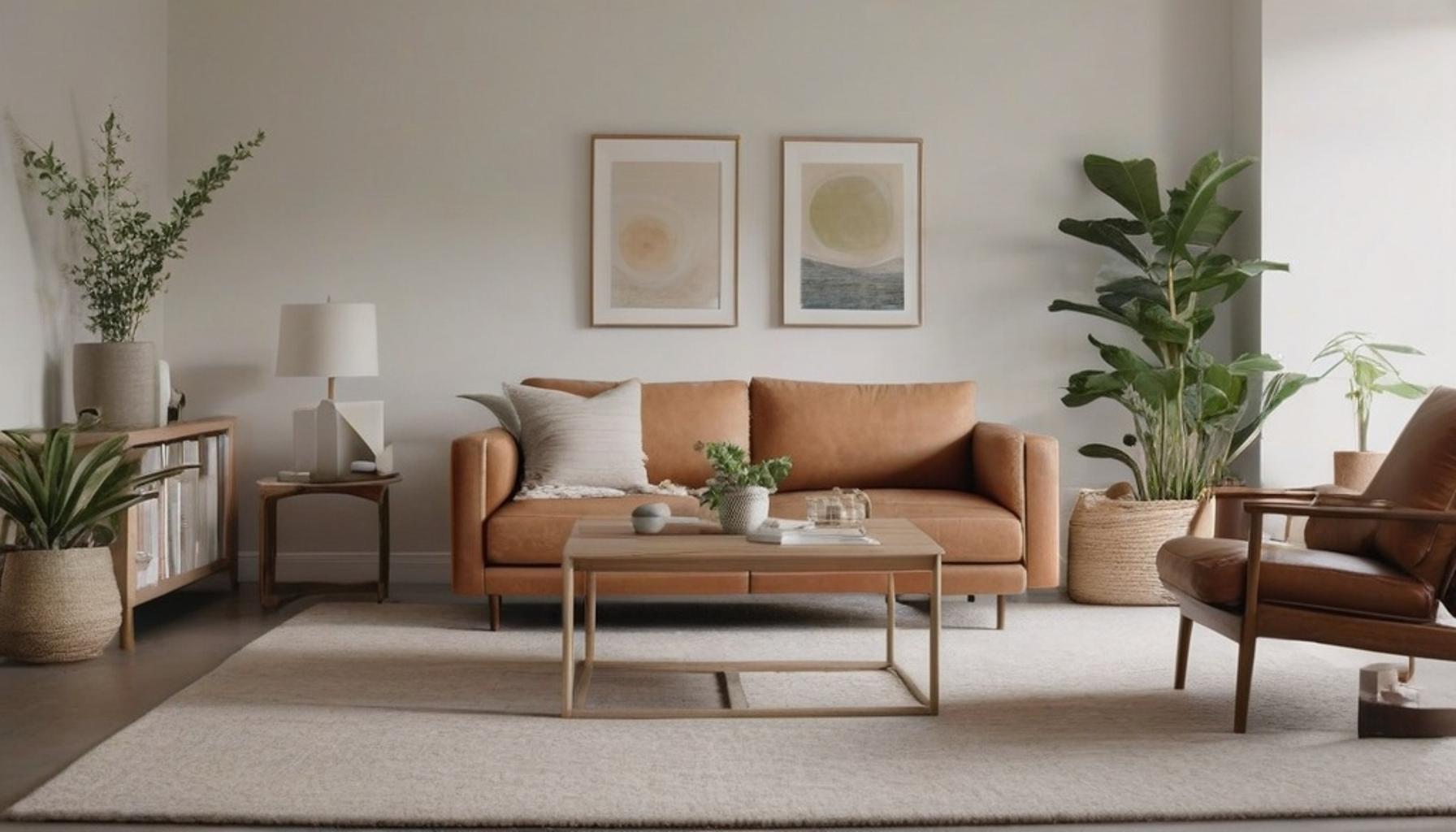
The average American home has more than tripled in size since the 1950s, yet closets and garages remain packed to the brim. This paradox reveals a simple truth: more space doesn’t guarantee less clutter. What actually makes a difference are smart storage solutions designed with intention. Over the past few years, a noticeable trend has emerged—people are learning to optimize their living environments, proving that innovative organization can lead to a harmonious home life.
From studio apartments in Chicago to suburban homes in Austin, homeowners are embracing minimalist storage ideas to reclaim their living spaces. This shift isn’t just aesthetic—it’s practical, cost-effective, and increasingly essential as housing costs push families into smaller living footprints. In major metropolitan areas, where rents are skyrocketing, the average studio apartment can range from $1,400 to over $3,000. As a result, many individuals and families are searching for creative solutions to maximize their compact spaces.
Why This Matters Now
Clutter costs more than peace of mind. Studies suggest disorganized spaces can increase stress hormones and reduce productivity by up to 20%. In fact, a study conducted by Princeton University found that the visual distraction of clutter can significantly impair focus and cognitive function. Creating a clutter-free home isn’t a trend—it’s a necessary response to modern living demands. Decluttering can lead to clearer thinking and improved emotional well-being, making organization more crucial than ever.
This guide explores proven space-saving techniques that work in real homes, not just design magazines. Expect actionable strategies for:
- Vertical storage systems that maximize unused wall space, such as shelving units and pegboards, can transform spaces where horizontal space is limited.
- Multi-functional furniture with hidden compartments, like sofa beds and ottoman storage, allows for dual purposes while maintaining a sleek aesthetic.
- Organizing small spaces such as entryways, kitchens, and bathrooms can involve using baskets, drawer dividers, and custom cabinetry to create efficient layouts.
- Decluttering tips that promote lasting habits, such as the “one in, one out” rule, can help prevent future accumulation of items.
Whether you’re downsizing, renovating, or simply tired of tripping over belongings, these solutions offer a roadmap to a more organized life. The goal isn’t perfection—it’s function, flow, and breathing room in every square foot of your personal space. As individuals navigate the complexities of modern life, rethinking how we live and manage our belongings can lead to a more satisfied, less stressful existence.
DISCOVER MORE: Click here to learn more
Vertical Thinking: The Foundation of Smart Storage Solutions
Walk into any well-organized home, and you’ll notice something surprising: the floor space often looks nearly empty. That’s not by accident. Professional organizers across the country consistently point to vertical storage systems as the single most underused resource in American homes. While most people fixate on square footage, the real opportunity lies in the walls, doors, and ceiling space that go untouched.
Consider a typical 400-square-foot studio apartment in Chicago. The floor space is fixed, but the walls offer roughly three times that area in usable surface. Installing floor-to-ceiling shelving, pegboards in kitchens, or slim-profile cabinets above doorways can add the equivalent of an entire extra closet without adding a single square foot to the lease.
Practical Vertical Storage Ideas That Actually Work
Not every vertical solution requires a contractor or a big budget. Some of the most effective minimalist storage ideas are simple retrofits homeowners and renters alike can install in a weekend:
- Wall-mounted pegboards in kitchens or home offices keep tools, utensils, and supplies visible and off countertops.
- Floating shelves installed above furniture lines use “dead” wall space that typically goes ignored.
- Over-the-door organizers in bathrooms and closets add storage without requiring any drilling or permanent changes—ideal for renters.
- Tension rod shelving inside cabinets doubles storage capacity under sinks and in pantries.
- Ceiling-mounted racks in garages free up floor space for vehicles while storing seasonal items like holiday decorations or camping gear.
These aren’t abstract design concepts—they’re space-saving techniques already being adopted in cities like Austin, where accessory dwelling units and tiny homes have forced residents to rethink every inch of available space.
Why Vertical Storage Outperforms Horizontal Expansion
There’s a psychological component here too. Interior designers note that horizontal clutter—items piled on floors, counters, and tables—creates a visual “noise” that horizontal expansion never solves. Simply buying a bigger dresser doesn’t reduce clutter; it just relocates it. Vertical solutions, by contrast, work with the room’s natural sightlines, keeping surfaces clear and creating an illusion of openness even in genuinely small footprints.
This is where organizing small spaces becomes less about buying more furniture and more about rethinking existing architecture. A hallway wall, an awkward corner, or the space above a refrigerator can all become functional storage zones once vertical thinking replaces the instinct to expand outward. For renters and homeowners alike, this shift represents one of the most cost-effective smart storage solutions available today.
DISCOVER MORE: Click here for deeper insights
Multi-Functional Furniture: The Hidden Engine of a Clutter-Free Home
If vertical space is the most overlooked resource in American homes, multi-functional furniture is the most underestimated tool. Design experts increasingly argue that the furniture itself should work as hard as the walls do. A bed, a bench, or a coffee table shouldn’t just occupy space—it should actively reduce the need for additional storage elsewhere.
The National Association of Home Builders has reported a steady rise in demand for convertible furniture, particularly in cities like New York and San Francisco, where median apartment sizes hover around 700 square feet. This isn’t a coincidence. As living spaces shrink, homeowners are prioritizing pieces that pull double or triple duty.
Furniture That Multiplies Your Square Footage
Some of the most effective smart storage solutions on the market today aren’t storage units at all—they’re disguised as everyday furniture. Consider these options:
- Storage beds with lift-up frames can hold luggage, seasonal clothing, or linens, eliminating the need for a separate closet dresser.
- Ottomans with hollow interiors serve as seating, footrests, and hidden bins for blankets or remote controls.
- Expandable dining tables fold down to a fraction of their size, freeing up dining rooms for other uses when guests aren’t present.
- Nesting side tables stack together when not needed, rather than permanently occupying floor space.
- Wall beds (Murphy beds), once a novelty, are now standard in many new micro-apartment developments across Seattle and Los Angeles.
Each of these choices reflects a broader shift in minimalist storage ideas: furniture is no longer static. It adapts to the rhythm of daily life, appearing when needed and disappearing when it’s not.
The Data Behind Decluttering Tips That Stick
A 2022 survey by the Self Storage Association found that nearly 65 percent of renters cited “lack of storage” as a primary reason for renting off-site units—often paying over $1,200 annually for space that could be reclaimed through smarter furniture choices at home. That figure alone signals how much untapped potential exists inside the average living room or bedroom.
Professional organizers frequently emphasize one core principle among their decluttering tips: if an item doesn’t serve two purposes in a small home, it’s worth reconsidering. This mindset, applied consistently, transforms organizing small spaces from a one-time weekend project into a sustainable lifestyle. The result isn’t just a tidier room—it’s a home that functions more efficiently, room by room, without requiring more square footage than what’s already there.
Rethinking What “Home” Really Needs to Hold
Across every room, the same truth keeps surfacing: square footage matters less than how intentionally it’s used. From ceiling-high shelving to Murphy beds that vanish into the wall, the most effective smart storage solutions share one trait. They treat space as a resource to be designed, not just filled.
The numbers back this up. Renters spending over $1,200 a year on off-site storage units, apartments averaging 700 square feet in major metros, and a growing furniture market built entirely around convertibility all point to the same shift. Americans are learning to live with less square footage without sacrificing function.
Building a Clutter-Free Home Is an Ongoing Practice
A clutter-free home isn’t achieved in a single weekend of purging closets. It’s the product of small, repeated decisions: choosing an ottoman with hidden storage over one without, mounting shelves instead of buying another bookcase, or asking whether a new purchase truly earns its place.
These decluttering tips work best when they become habits rather than one-time projects. Reassessing belongings seasonally, questioning single-purpose items, and prioritizing vertical space are all space-saving techniques that compound over time.
A Broader Perspective on Minimalist Living
What emerges from all this isn’t just tidier rooms—it’s a different relationship with the objects that fill a home. Minimalist storage ideas succeed not because they eliminate belongings entirely, but because they force a more deliberate conversation about what deserves space at all.
For anyone serious about organizing small spaces, the next step is simple: walk through your home room by room and ask which surfaces, walls, or furniture pieces are working the hardest—and which ones aren’t working at all. That single audit often reveals more usable space than any renovation could.
Frequently Asked Questions
What are some effective smart storage solutions for small apartments?
In small apartments, utilizing vertical space is key. Consider installing shelves above doorways or using tall bookcases to draw the eye upward. Multi-functional furniture, such as ottomans with hidden storage or beds with drawers, can also help keep clutter at bay while maximizing your living space.
How can I implement smart storage solutions in a minimalistic manner?
To implement smart storage solutions in a minimalistic manner, focus on multifunctional items that serve more than one purpose. Use decorative baskets or boxes to store items out of sight, and consider furniture that offers built-in storage, allowing you to maintain a clean, uncluttered look while maximizing functionality.
Are there specific smart storage solutions for organizing a home office?
Yes, for a home office, using wall-mounted shelves can keep supplies off your desk, making the workspace feel larger. Consider under-desk storage solutions like filing cabinets or mobile carts for easy access to documents while keeping the area tidy. Additionally, cable organizers can help keep cords hidden and out of the way.
What are some smart storage solutions for children’s toys in a minimalist home?
For children’s toys, prioritize storage that encourages organization while being easily accessible for kids. Use clear bins or labeled boxes for visibility, and opt for furniture with hidden storage like benches or toy chests. Regularly decluttering and rotating toys can also maintain a minimalist aesthetic while making playtime manageable.

Beatriz
Beatriz Johnson is a seasoned minimalist and writer with a passion for simplifying the complexities of personal organization and intentional living. With over a decade of experience in decluttering strategies and mindful consumption, she specializes in topics like space optimization, habit simplification, and sustainable lifestyle choices. Through her work on our website, Beatriz empowers readers to embrace minimalism, reduce mental and physical clutter, and create more meaningful, organized lives in today's fast-paced world.