The Art of Decluttering: Minimalist Techniques for Effective Home Organization
Why Your Home Might Be Sending You Silent Signals of Stress
Americans own more possessions than any generation in history, yet studies show cluttered spaces directly increase cortisol levels and reduce focus. That pile of mail on the counter or overstuffed closet isn’t just an eyesore—it’s actively working against your mental clarity.
The good news? A growing movement is proving that less truly is more when it comes to living well.
The Rise of Intentional Living
Minimalist techniques for home organization have moved far beyond a passing trend. From Marie Kondo’s global influence to the surge in tiny-home living, Americans are rethinking what “enough” really means.
This shift isn’t about empty rooms or stark white walls. It’s about creating space that serves your actual life.
Consider what effective home organization strategies typically address:
- Kitchen counters buried under appliances rarely used
- Closets packed with clothes not worn in years
- Garages too full to park an actual car
- Digital clutter spilling into physical disorganization
Learning how to declutter your home isn’t a one-weekend project—it’s a skill built through consistent, small decisions.
What This Guide Will Cover
This article breaks down practical decluttering tips for a minimalist home that fit real American lifestyles, whether you’re in a downtown apartment or a suburban house.
You’ll discover the specific benefits of minimalism in home organization backed by research, along with room-by-room strategies you can start today.
Ready to transform chaos into calm? Let’s begin.
DISCOVER MORE: Click here for more insights
# The Science Behind the Clutter-Stress ConnectionBefore diving into solutions, it’s worth understanding why clutter feels so heavy. Researchers at UCLA’s Center on Everyday Lives and Families found that women who described their homes as “cluttered” or full of unfinished projects had higher cortisol levels throughout the day than those who felt their homes were restful and restorative.That’s not a minor detail. Elevated cortisol over time is linked to fatigue, anxiety, and even weight gain.Beyond hormones, clutter competes for your brain’s attention. A Princeton University Neuroscience Institute study discovered that visual clutter in your environment restricts your ability to focus and process information, essentially forcing your mind to work overtime just to filter out the visual noise.This is precisely why minimalist techniques for home organization have gained such traction across the United States—they address a problem that’s both psychological and physical.## The Real Cost of Excess StuffAmericans aren’t short on possessions. The average U.S. household contains roughly 300,000 items, according to estimates cited by the Los Angeles Times. That number sounds absurd until you count everything: every pen, every mismatched Tupperware lid, every cable in the junk drawer.Consider the practical fallout of accumulation:- Financial strain from storage units, which cost Americans over $39 billion annually as an industry- Lost time searching for misplaced items—up to 55 minutes a day, according to some workplace productivity studies- Decision fatigue from too many choices, whether it’s clothing or kitchen gadgets- Strained relationships when shared spaces become sources of tensionThese aren’t abstract concerns. They’re measurable drains on time, money, and peace of mind.## Minimalism Isn’t Deprivation—It’s StrategyA common misconception is that minimalist lifestyle and organization principles mean living with almost nothing. That’s not accurate.Effective home organization strategies rooted in minimalism focus on intentionality, not austerity. The goal isn’t to own as little as possible—it’s to own only what genuinely adds value.Japanese organizing consultant Marie Kondo popularized this with her “spark joy” method, but the concept predates her by decades. Even architect Ludwig Mies van der Rohe’s famous phrase “less is more” captured a similar philosophy applied to design and living spaces.Learning how to declutter your home effectively starts with a mindset shift: every item should earn its place through function, meaning, or genuine use.This reframing removes guilt from the process. You’re not throwing away sentimentality—you’re making room for what truly matters. That distinction sets the foundation for every technique covered in this guide.

| Key Aspect | Description |
|---|---|
| Minimalist Mindset | Focus on essential items, ask key questions about value and utility. |
| Decluttering Tips | Utilize methods such as the one-year rule and the four-box system for effective organization. |
| Mental Health Benefits | A simplified space reduces stress and increases focus, improving overall well-being. |
| Sustainability | Encourages thoughtful consumption and eco-friendly practices through intentional living. |
DIVE DEEPER: Click here to discover smart storage solutions
Proven Minimalist Techniques for Home Organization That Actually Work
Knowing why clutter hurts is one thing. Actually fixing it requires a system. The following minimalist techniques for home organization have been tested across thousands of households, and they share a common thread: simplicity over complexity.
The 90/90 Rule
Popularized by minimalist duo The Minimalists, this rule asks a simple question: have you used this item in the last 90 days, and will you use it in the next 90? If the answer to both is no, it’s likely dead weight.
This approach works particularly well for closets, garages, and kitchen gadgets—categories where Americans tend to hoard “just in case” items that rarely get touched.
The Four-Box Method
One of the most practical decluttering tips for a minimalist home involves sorting everything into four categories: keep, donate, trash, and relocate. This method forces immediate decisions rather than allowing items to linger in vague “maybe” piles.
Professional organizers often recommend tackling one room at a time using this system, rather than attempting a whole-house purge in a single weekend—a common mistake that leads to burnout.
One In, One Out
This maintenance strategy prevents future clutter buildup. For every new item brought into the home, one existing item must leave. It’s a simple rule, but it’s remarkably effective at maintaining long-term balance.
Room-by-Room Strategies That Deliver Results
General principles help, but effective home organization strategies often require room-specific tactics.
- Kitchens: Limit dishware to what fits comfortably in cabinets without stacking overflow. The average American kitchen has 40 utensils, but most households regularly use fewer than 10.
- Bedrooms: Apply capsule wardrobe principles—a curated collection of 30 to 40 versatile pieces can replace closets stuffed with rarely worn clothing.
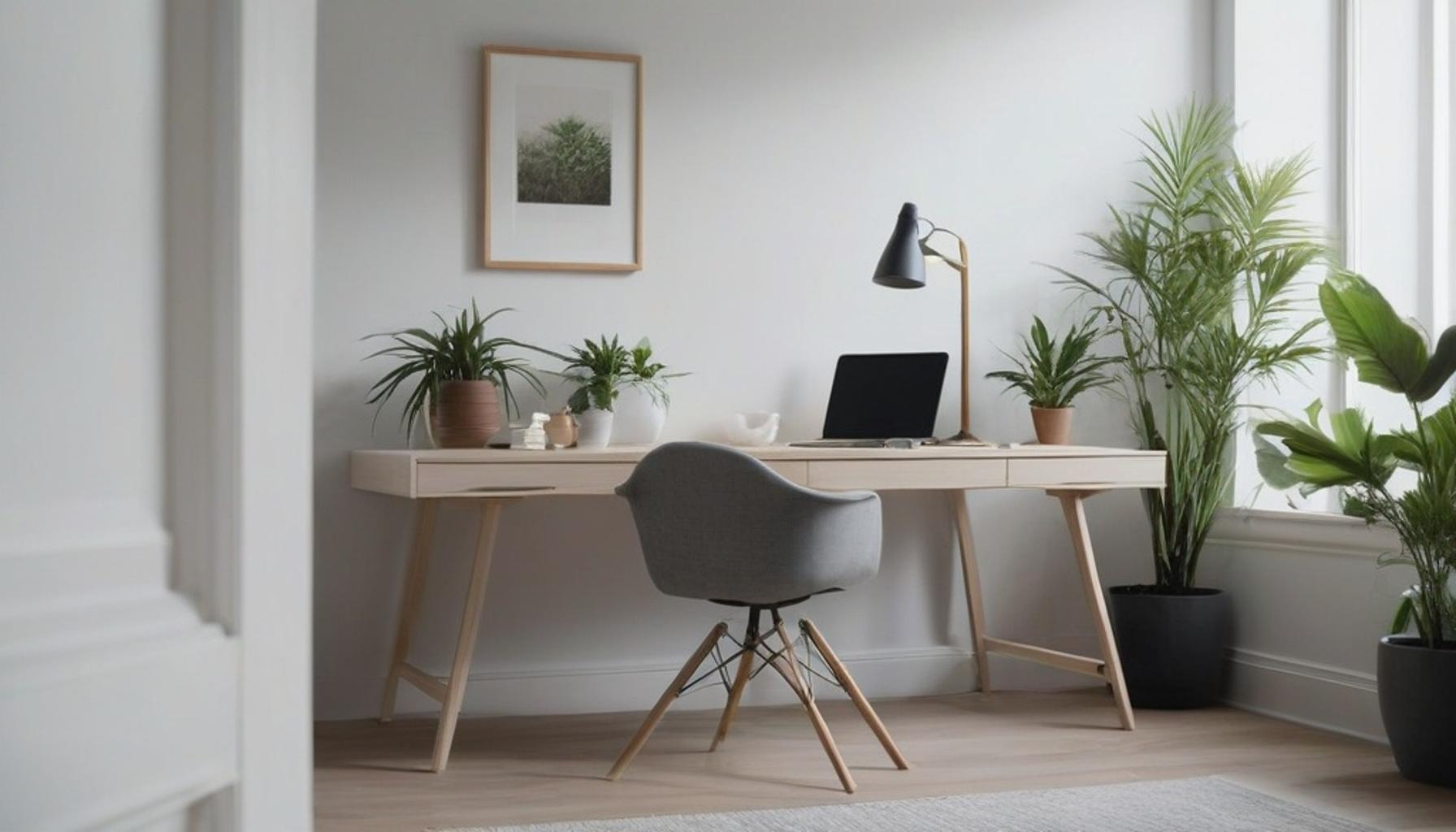
- Home offices: Digitize paperwork whenever possible. The National Association of Productivity and Organizing Professionals notes that paper clutter remains one of the top three complaints among clients.
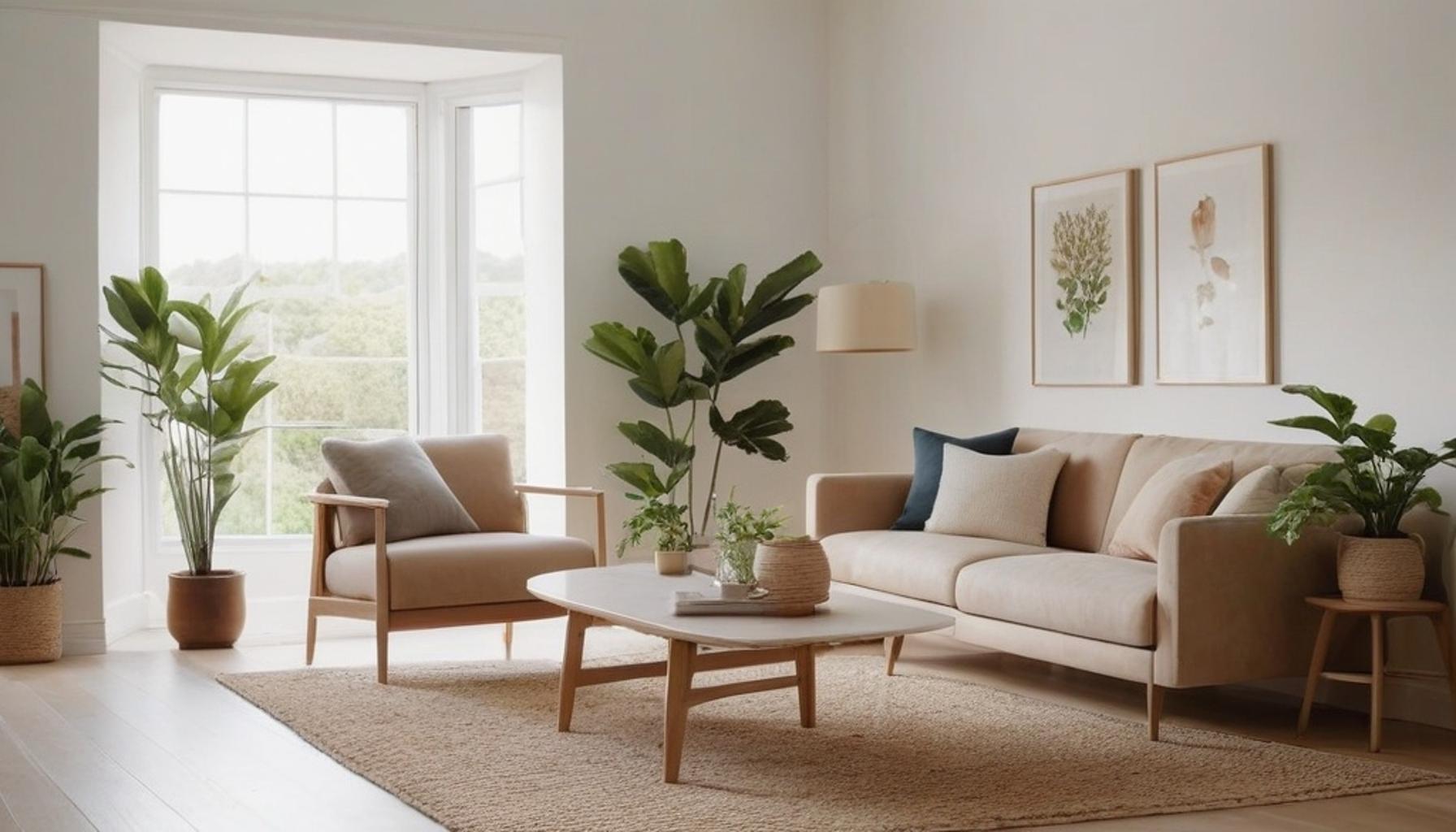
- Living rooms: Reduce decorative surfaces. Fewer knickknacks on shelves and coffee tables translates directly into less visual noise, echoing the Princeton findings on cognitive load.
Why This Matters Beyond Aesthetics
The benefits of minimalism in home organization extend past a tidy appearance. Reduced clutter has been linked to better sleep quality, improved focus, and even stronger financial habits, since owning less often means spending less on storage, replacements, and impulse purchases.
A minimalist lifestyle and organization approach isn’t a one-time event—it’s an ongoing practice that reshapes how a household interacts with possessions altogether.
Bringing It All Together: A Simpler Way Forward
Clutter rarely disappears overnight, and no single system works for every household. What matters most is choosing minimalist techniques for home organization that fit real routines rather than aspirational ones borrowed from a magazine spread.
The 90/90 Rule, the Four-Box Method, and One In, One Out all share a common goal: replacing indecision with structure. Paired with room-specific tactics—fewer utensils, leaner closets, digitized paperwork—these habits compound over time into a home that feels noticeably lighter.
Anyone still wondering how to declutter your home without feeling overwhelmed should start small. A single drawer, one shelf, or a junk-filled entryway table is enough to build momentum. Trying to overhaul an entire house in a weekend often backfires, leading to abandoned piles and renewed frustration.
It’s worth remembering that this process isn’t purely cosmetic. Research tying visual clutter to elevated stress hormones and reduced focus suggests the stakes go well beyond appearances. The benefits of minimalism in home organization touch sleep, productivity, and even spending habits, since fewer possessions typically mean fewer purchases made to manage, store, or replace them.
Consider these final takeaways:
- Start with one room, not the entire house.
- Apply decluttering tips for a minimalist home consistently, not just during seasonal cleanouts.
- Track progress with simple metrics, like donation bags filled or drawers cleared.
Ultimately, a minimalist lifestyle and organization mindset asks a bigger question: what does this home actually need to support daily life? Answering that honestly, room by room, may be the most effective home organization strategies anyone can adopt—no matter how much stuff currently stands in the way.
Frequently Asked Questions
What are some practical minimalist techniques for home organization I can start using today?
Some practical minimalist techniques include the ‘One-in-One-out’ rule, where you remove an item for every new one you bring in, and the ’30-Day Minimalism Game’, which challenges you to declutter one item on the first day, two on the second, and so on. Additionally, consider zoning your spaces according to usage to keep frequently used items easily accessible while storing others away.
How can I decide what items to keep when applying minimalist techniques for home organization?
A good approach is to evaluate each item based on its usefulness and emotional value. Ask yourself if you’ve used the item in the past year, and whether it brings you joy or serves a functional purpose in your life. If it doesn’t meet either criterion, it may be time to let it go.
Can minimalist techniques for home organization help with mental clarity and stress reduction?
Yes, implementing minimalist techniques often leads to less clutter, which can significantly reduce stress and improve mental clarity. A tidy, organized space allows you to focus better on tasks at hand, as it eliminates distractions caused by clutter and creates a more serene environment.
What are some minimalist storage solutions that align with home organization techniques?
Consider using multifunctional furniture, such as ottomans with storage inside or beds with drawers underneath. Additionally, clear storage bins can help you categorize items while keeping them visible and accessible, making it easier to maintain order in your home.
How do I maintain a minimalist lifestyle after decluttering my home?
To maintain a minimalist lifestyle, regularly assess your belongings and commit to a routine of decluttering, such as evaluating your items every few months. Practice mindful purchasing to avoid accumulating unnecessary items, and embrace the philosophy of quality over quantity, investing in multi-purpose items that serve several functions.

Beatriz
Beatriz Johnson is a seasoned minimalist and writer with a passion for simplifying the complexities of personal organization and intentional living. With over a decade of experience in decluttering strategies and mindful consumption, she specializes in topics like space optimization, habit simplification, and sustainable lifestyle choices. Through her work on our website, Beatriz empowers readers to embrace minimalism, reduce mental and physical clutter, and create more meaningful, organized lives in today's fast-paced world.