Space Optimization Strategies: How to Effectively Organize Your Home Office for Maximum Productivity
Rethinking the American Home Office in 2024
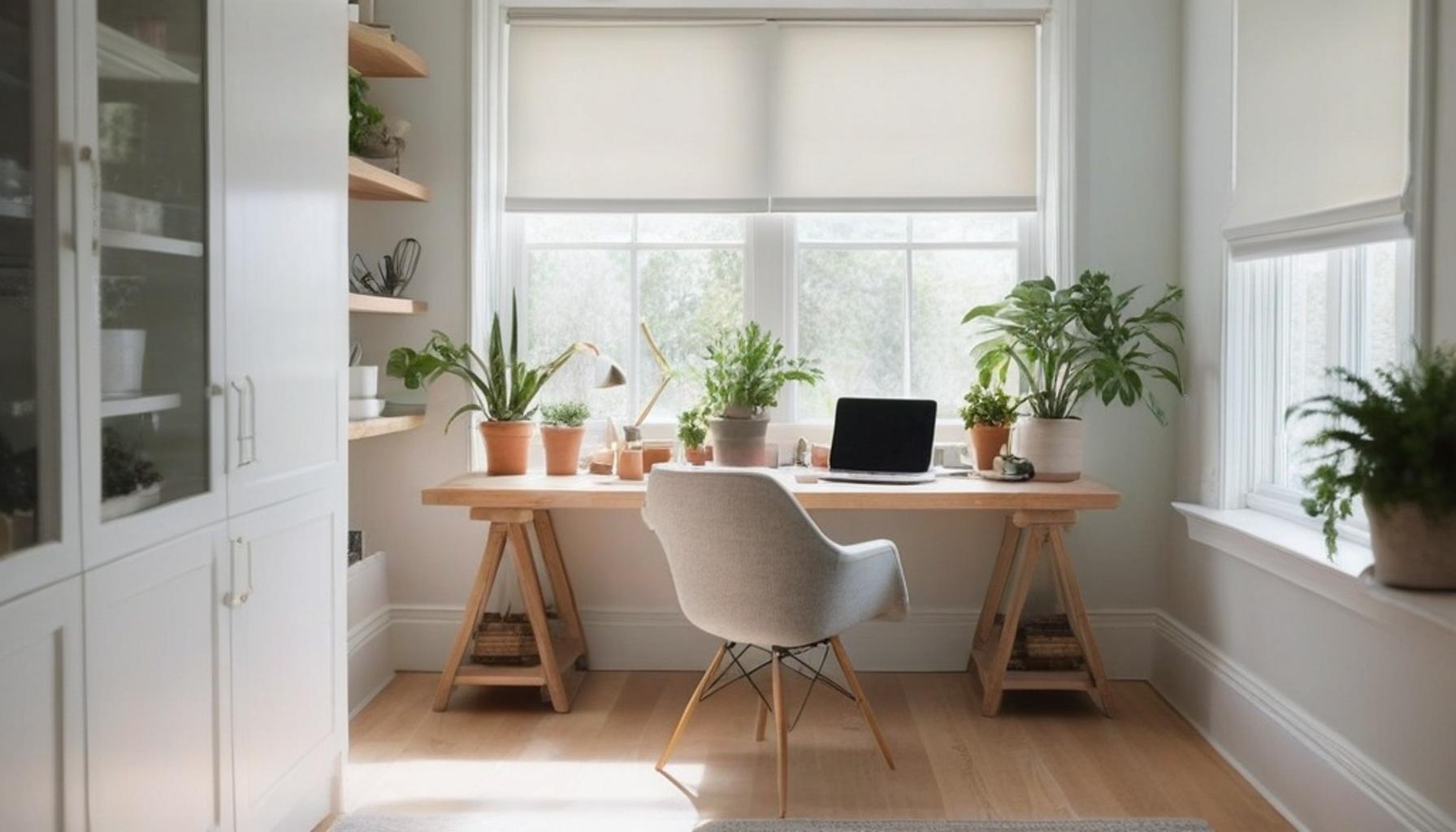
More than 35% of American workers now operate in a hybrid or fully remote setup, according to recent labor statistics. As this trend continues to grow, many home offices remain cramped, cluttered, and poorly designed for actual work. This is where Space Optimization Strategies become essential, enabling individuals to create work environments that cater to their productivity needs.
A well-organized workspace isn’t just about aesthetics; it can directly impact focus, efficiency, and even mental well-being. The home office has transitioned from a luxury into a necessity, especially as major corporations like Twitter and Salesforce adopt flexible work policies. This change emphasizes the importance of a carefully curated work area that can help foster creativity and sustain motivation.
Why Your Workspace Layout Matters More Than You Think
Studies indicate that cluttered environments can reduce cognitive performance by up to 20%. If you’re wondering how to organize home office spaces that actually work efficiently, the answer lies in strategic planning rather than expensive renovations or moving to a larger home.
Small apartments, spare bedrooms, and even converted closets across the U.S. are being transformed into productivity hubs. The secret isn’t square footage; it’s smart design. For example, professional organizers suggest creating designated zones within your workspace, such as a reading nook, a focused desk area, and even a cozy corner for virtual meetings, enhancing both functionality and comfort.
Throughout this guide, you’ll discover practical, budget-friendly solutions that can transform your home office, including:
- Proven methods to increase productivity home office setups without major construction. Techniques such as the “Pomodoro Technique” can be effectively implemented in a serene environment.
- Essential home office setup tips used by remote work experts, like ergonomic furniture choices that encourage proper posture and comfort during long work sessions.
- Minimalist home office ideas that maximize function in minimal square footage, utilizing vertical storage and multifunctional furniture to maintain a clean aesthetic.
- Storage hacks for efficient workspace organization in any room size, such as using pegboards or wall-mounted shelves to make the most of limited space.
Whether you’re working with 50 square feet or 500, the right approach can transform chaos into clarity—and distraction into deep focus. The American home office of the future will be defined not by its size but by the intentional design choices made within its walls, ensuring that whether you’re in a bustling city or a quiet suburb, your workspace feels cohesive, functional, and inspiring.
DIVE DEEPER: Click here for more insights
Understanding Your Space: The Foundation of Effective Organization
Prior to investing in anything from decorative storage bins to sophisticated ergonomic chairs, it’s crucial to conduct a thorough evaluation of your living space. Interior designers nationwide, from the chic lofts of San Francisco to the cozy homes in Nashville, emphasize the necessity of measuring your area and identifying natural light sources before making any decisions that affect your home office setup.
This preparatory step is essential to avoid a prevalent mistake many homeowners encounter when trying to organize home office layouts. A common pitfall is purchasing furniture that turns out to be ill-suited for the actual dimensions of the room or misaligned with the desired workflow. For instance, a 60-inch desk may look appealing in an advertisement, but in tight quarters, it could create an environment of clutter and discomfort. Thus, starting with precise measurements becomes imperative for crafting a functional workspace.
The Three-Zone Method Gaining Popularity Nationwide
The emergence of remote work has led to innovative strategies regarding workspace layout. One such strategy, the “three-zone method,” has been gaining traction among remote work consultants and interior designers alike, fundamentally altering how many Americans perceive and utilize their home offices. Rather than viewing a home office as a singular function space, this approach advocates for breaking the area into three functional zones, each serving a distinct purpose, especially helpful in small or multipurpose rooms.
These three zones typically include:
- A primary focus zone — This is the central desk space tailored for productivity. It’s ideal to position it in a location that minimizes window glare while optimizing natural light, which can enhance energy and focus during virtual meetings.
- A storage and reference zone — This area features shelving, cabinets, or filing systems. Crucially, these should remain within easy reach yet out of the direct line of sight during important video calls to maintain a neat appearance.
- A transition zone — Often underestimated, this buffer space—whether a simple chair or a cozy bench—serves as a mental cue to help you shift from “home mode” to “work mode.” It can also serve for brief breaks, encouraging productivity while avoiding burnout.
Recent findings from a 2023 study conducted by a national furniture retailer revealed that individuals who adopted this zoned structure experienced a notable 27% increase in perceived focus during their work hours compared to those maintaining a disorganized, single-purpose space. This remarkable statistic underscores the effectiveness of a well-thought-out layout, proving that organization can significantly impact productivity.
The beauty of the three-zone method lies in its adaptability. Whether you reside in a compact Manhattan micro-apartment or occupy a spacious suburban ranch house with an additional room, the same zoning principles can effectively apply. The critical aim is not always to create a more substantial area; rather, it is about defining your space better. By enacting these strategies, you can cultivate an environment conducive to heightened productivity and creativity in your home office.
Ultimately, an organized approach leads to advanced productivity for many working from home and encourages the exploration of one’s personal style and functionality. Investigating these methods can provide insights into optimizing not just your physical space, but your work routine as well.
DIVE DEEPER: Click here to discover smart storage solutions
Vertical Thinking: Unlocking Storage Potential Beyond the Desk
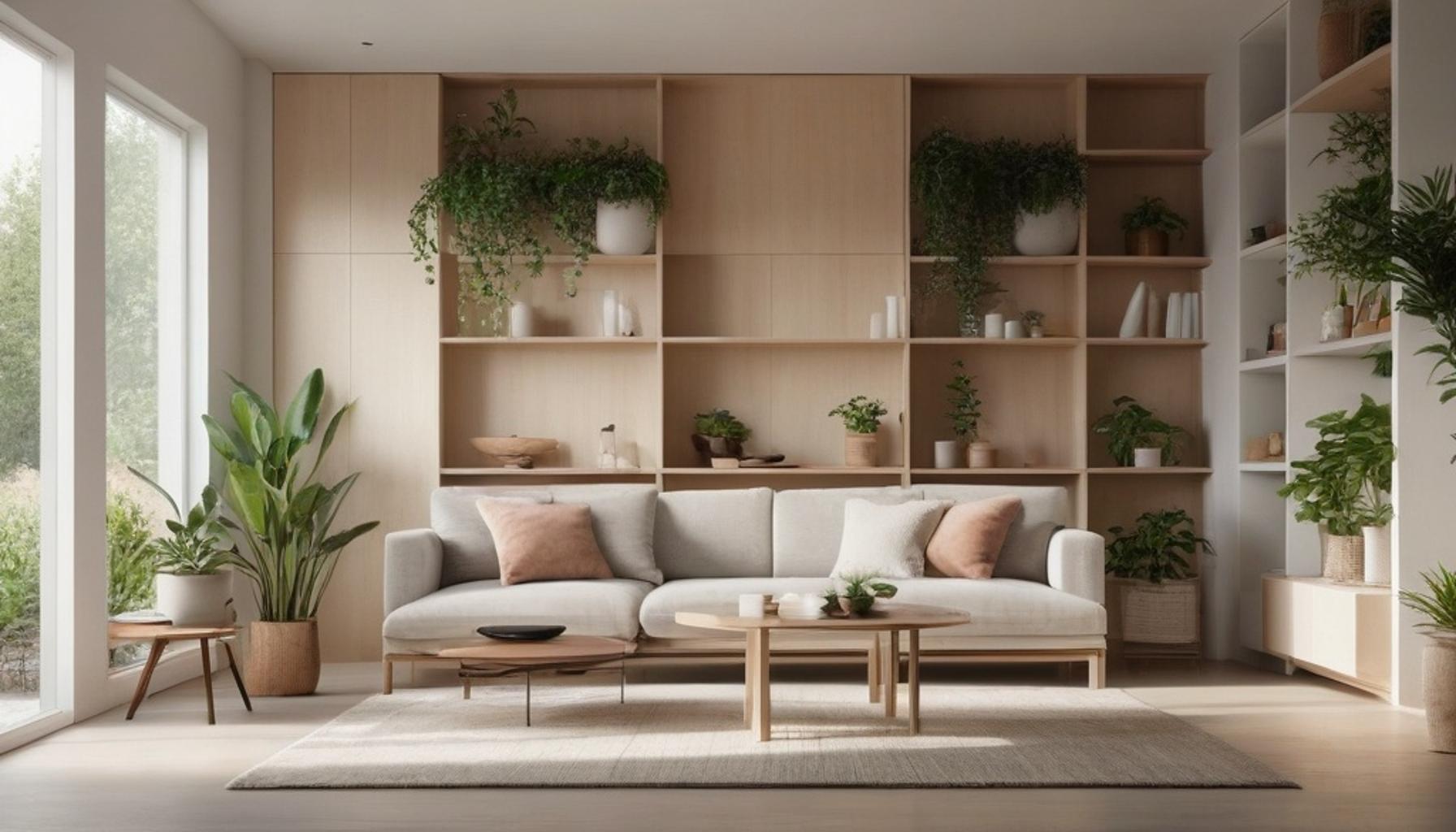
Once the foundational layout is established, savvy homeowners across the country are turning their attention upward. One of the most overlooked space optimization strategies involves utilizing vertical real estate rather than relying solely on floor space. Wall-mounted shelving, pegboards, and floating cabinets have become staples in efficient workspace organization, particularly in metropolitan areas like Chicago or Boston, where square footage often comes at a premium.
This vertical approach isn’t merely about aesthetics; it’s a functional necessity for anyone trying to increase productivity in a home office without expanding the room itself. According to a recent survey by a national home organization association, professionals who incorporated vertical storage reported spending 15 minutes less per day searching for documents or supplies, translating into roughly 65 hours saved annually.
Minimalist Home Office Ideas Worth Considering
Minimalism has moved beyond a design trend and into a practical philosophy embraced by productivity experts nationwide. The core principle is straightforward: every item on your desk should serve an active purpose, or it doesn’t belong there. This doesn’t mean stripping your office of personality, but rather curating what remains visible.
Several minimalist home office ideas have proven particularly effective:
- Cable management systems — Hidden cords beneath desks or routed through cable sleeves instantly reduce visual clutter, a small change that many report makes a workspace feel significantly calmer.
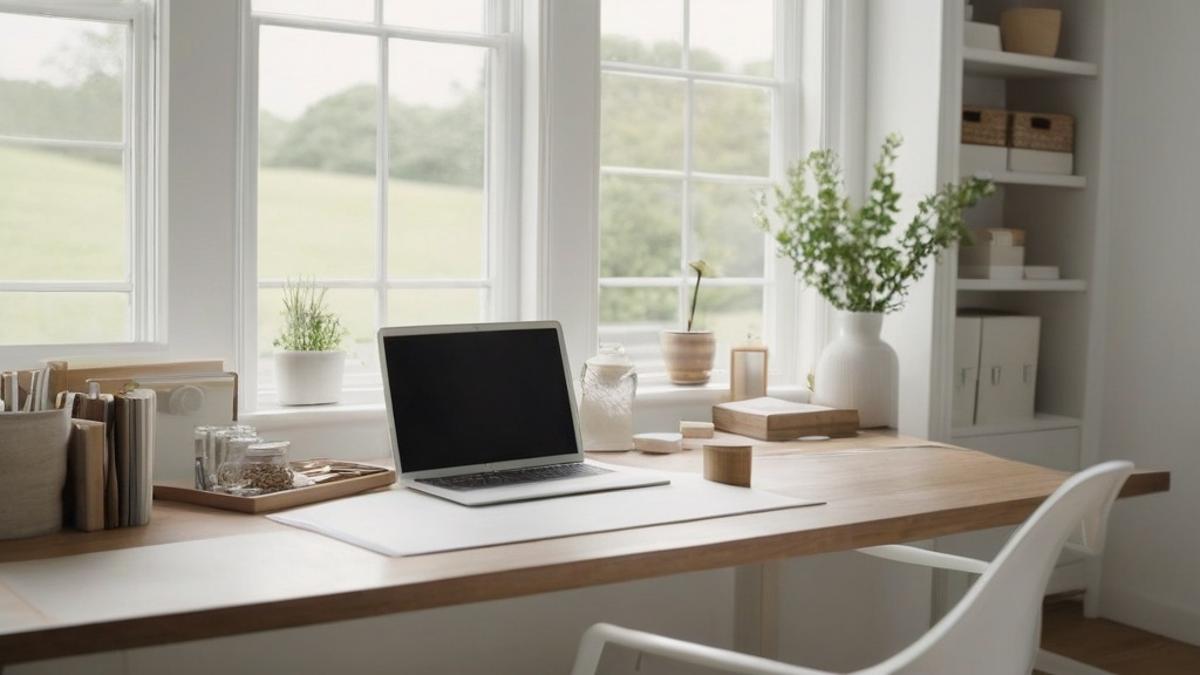
- Single-purpose surfaces — Reserving the desktop exclusively for active tasks, while relegating reference materials to nearby drawers, keeps the primary workspace open and inviting.
- Neutral color palettes — Interior consultants from Austin to Portland note that muted tones reduce sensory overload, helping remote workers maintain focus during long stretches of screen time.
Interestingly, a 2022 workplace psychology report found that cluttered visual environments can reduce cognitive processing speed by nearly 20%. This finding lends scientific weight to what many organizational consultants have long suspected: a tidy desk isn’t just pleasant to look at, it’s measurably better for mental performance.
Multi-Functional Furniture Changing the Game
Another emerging trend among those seeking practical home office setup tips is the adoption of multi-functional furniture. Desks with built-in charging stations, ottomans that double as filing cabinets, and modular shelving units that reconfigure based on need are gaining popularity in furniture showrooms from Seattle to Miami.
This furniture category appeals especially to those in smaller apartments or shared living spaces, where a home office might need to transform into a guest space by evening. Investing in adaptable pieces allows homeowners to maximize functionality without sacrificing the room’s other purposes, proving that thoughtful design choices can accommodate even the most space-constrained households.
Bringing It All Together: A Smarter Way to Work From Home
From vertical shelving to multi-functional furniture, the throughline across every tip discussed is clear: thoughtful space optimization strategies are no longer optional extras for remote workers, they’re foundational to how Americans build sustainable, productive home offices. Whether someone lives in a compact Brooklyn apartment or a sprawling suburban house outside Denver, the same principles apply—reduce clutter, maximize vertical space, and invest in furniture that adapts to real life.
What’s worth remembering is that these changes rarely require a full renovation or a significant budget. Small, incremental shifts, like adding a pegboard or rerouting cables, can produce measurable results. As the data suggests, something as simple as better storage can save professionals dozens of hours annually, hours that add up to real gains in focus and output.
To organize home office spaces effectively, homeowners should treat the process as ongoing rather than a one-time project. Needs shift as work demands change, and an efficient workspace organization system built today may need adjusting six months from now. Staying flexible is part of the strategy itself.
Ultimately, those looking to increase productivity in a home office should view their workspace as an evolving tool, not a static room. The minimalist home office ideas and layout principles covered here offer a starting point, but the most successful setups are personalized, reflecting how each individual actually works best.
For readers ready to take the next step, revisiting these home office setup tips periodically, and staying open to new organizational products entering the market, may prove just as valuable as the initial redesign. The home office, it seems, is far from a finished concept.
Frequently Asked Questions
What are the best furniture arrangements for small home offices?
To optimize space in a small home office, consider using a corner desk or a wall-mounted desk to free up floor space. Use multi-functional furniture like a storage ottoman or a desk with built-in shelves to maximize utility without overcrowding the area.
How can I incorporate vertical storage solutions in my home office?
Vertical storage can be achieved by installing shelves above your desk and utilizing wall-mounted organizers. Consider adding pegboards or floating shelves to display essential items while keeping your workspace uncluttered and efficient.
What organizational tools are essential for maintaining a tidy home office?
Key organizational tools include filing cabinets for documents, drawer organizers for stationery, and cable management systems to keep cords tidy. Additionally, using a bulletin board can help you visualize tasks and deadlines while reducing clutter on your desk.
How can I personalize my home office without sacrificing productivity?
Personalizing your space can enhance motivation while maintaining productivity. Choose a few key decorative items or artwork that inspire you, but keep them to a minimum to avoid distractions. Use color schemes that promote focus and consider plants for a refreshing touch.
What are some effective decluttering tips for a more productive home office?
Start by sorting items into categories: keep, donate, and discard. Use the ‘one in, one out’ rule to prevent accumulation of unnecessary items, and set aside time each week to reassess what you truly need in your space. Regularly decluttering can keep your home office organized and enhance your productivity.

Beatriz
Beatriz Johnson is a seasoned minimalist and writer with a passion for simplifying the complexities of personal organization and intentional living. With over a decade of experience in decluttering strategies and mindful consumption, she specializes in topics like space optimization, habit simplification, and sustainable lifestyle choices. Through her work on our website, Beatriz empowers readers to embrace minimalism, reduce mental and physical clutter, and create more meaningful, organized lives in today's fast-paced world.