Maximizing Space in a Minimalist Home: Smart Storage Solutions for Every Room
Small Footprint, Big Potential: Rethinking Every Square Foot
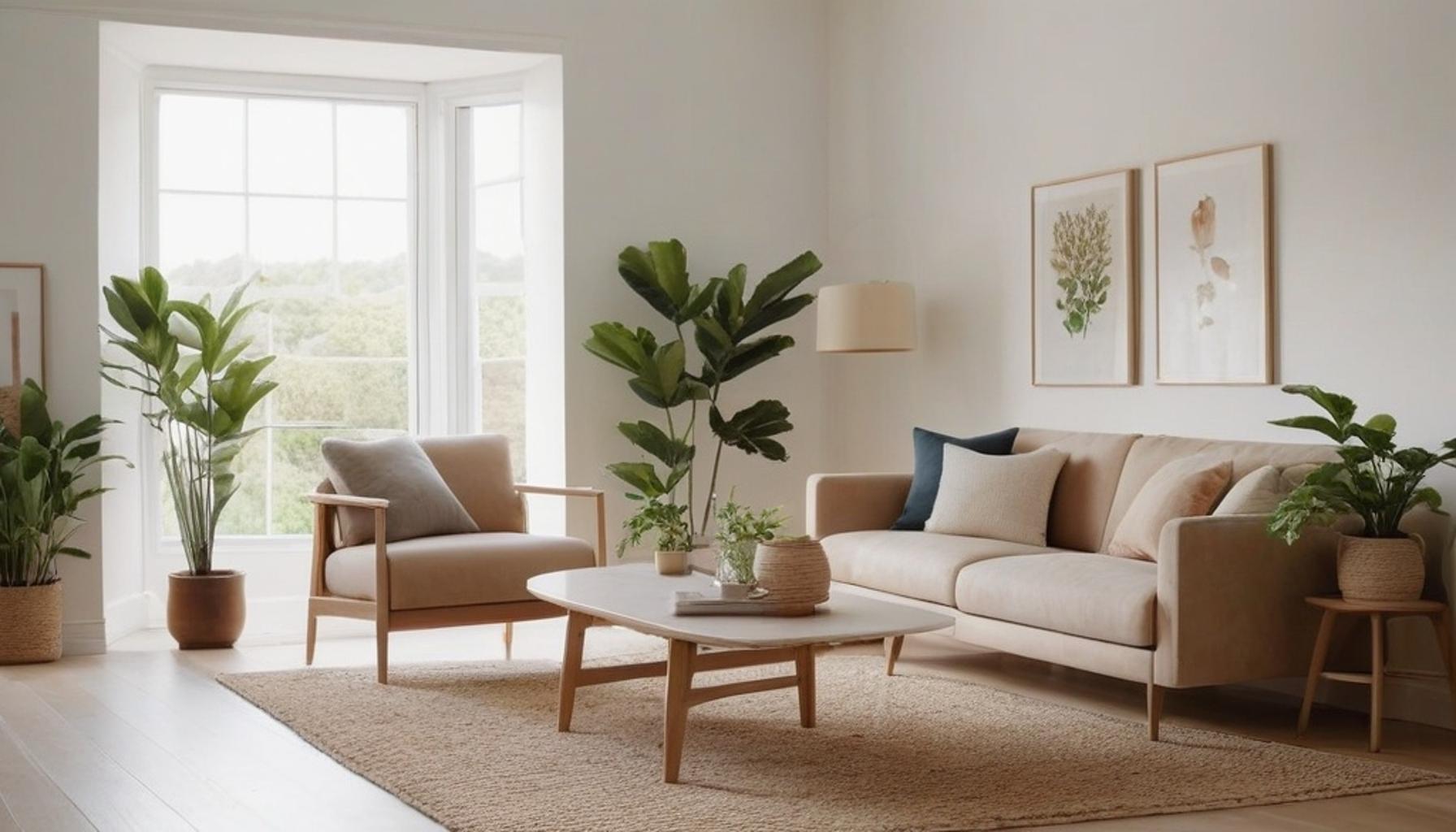
The average American home has shrunk in recent years, with many urban apartments now averaging under 750 square feet. Yet clutter hasn’t disappeared along with the extra square footage. This tension is exactly why maximizing space in a minimalist home has become one of the most searched topics among renters and homeowners alike.
Living with less doesn’t mean sacrificing function. It means designing smarter. The right approach transforms even the tightest studio into a space that feels open, organized, and intentional. By focusing on creativity and practicality, residents can discover that living in a smaller area can be both liberating and stylish.
Why Smart Storage Changes Everything
Homeowners across the country are turning to smart storage solutions to reclaim square footage without major renovations. The strategy is uniform yet adaptable, from Brooklyn apartments to Los Angeles bungalows: leverage vertical space, incorporate hidden compartments, and invest in multipurpose furniture.
Consider what’s possible with the right techniques:
- Space-saving furniture, such as Murphy beds that fold into the wall or nesting tables that can be tucked away, allow versatile use of limited space while ensuring usability is not compromised.
- Utilizing under-stair drawers and optimized closet systems exploits previously ignored areas, turning potential dead zones into valuable storage.
- Innovative wall-mounted shelving keeps floors clear, resulting in visually larger and more inviting rooms that don’t feel cramped.
- Modular kitchen organizers transform small pantries into organized systems that feel twice their original size, making accessing items quick and effortless.
A Room-by-Room Opportunity
Every room in a home presents its own unique storage puzzle. Bathrooms, bedrooms, kitchens, and even entryways respond differently to minimalist home storage ideas. For example, in a bathroom, using floating shelves above the toilet can maximize vertical space while providing easy access to toiletries.
This guide offers practical, room-specific strategies for organizing small spaces. Readers can explore creative storage solutions that transform overlooked corners into functional storage areas. Consider under-bed storage bins for frequently used items or hooks in the entryway for bags and coats, effectively proving that embracing a minimalist lifestyle doesn’t require giving up convenience or style.
As more Americans adapt to smaller living spaces, the need for innovative storage solutions becomes even more pressing. Utilizing a mix of resourcefulness and design can turn a small footprint into a big opportunity for living well in any environment.
DISCOVER MORE: Click here to explore smart storage solutions
The Vertical Advantage: Building Storage Upward, Not Outward
Maximizing floor space in any home is a pressing challenge, particularly in urban environments where square footage can be hard to come by. However, ceilings typically remain underutilized, creating an untapped reservoir of storage potential. Rooms with 8 to 10-foot ceilings—the norm in many American homes—provide an excellent opportunity for inventive storage solutions. By installing shelving that reaches toward the ceiling, homeowners can instantly double their usable space without encroaching on valuable walking room. This approach is among the most fundamental minimalist home storage ideas recommended by leading designers.
When considering storage, it is essential to think innovatively beyond conventional storage solutions such as standard bookshelves. For instance, consider the impact of wall-mounted cabinets above kitchen counters: they not only maximize storage but also lend visual interest. Floating shelves in hallways can present opportunities for displaying artwork, and tall pantry units can fit snugly into narrow gaps, resulting in a home that feels spacious rather than cluttered. By training the eye to look upward and using vertical space wisely, homeowners can create the illusion of a taller, more open space—an important psychological aspect in maintaining a minimalist aesthetic.
Furniture That Works Overtime
In a minimalist home, every piece of furniture needs to serve a clear purpose. This is where space-saving furniture comes into play, revolutionizing how we think about home furnishings. A coffee table equipped with hidden compartments can cleverly stash away miscellaneous items, while an ottoman that opens up for blanket storage can eliminate the need for additional storage units. Moreover, a bed frame with built-in drawers enables the consolidation of storage into one functional piece.
Several innovative examples have emerged as favorites among American households:
- Sofa beds with storage bases are perfect for studio apartments, providing a place for comfortable overnight guests without the need for an extra room.
- Expandable dining tables that can be easily resized make hosting gatherings a breeze while conserving space on a daily basis—this is especially useful for homes under 1,000 square feet.
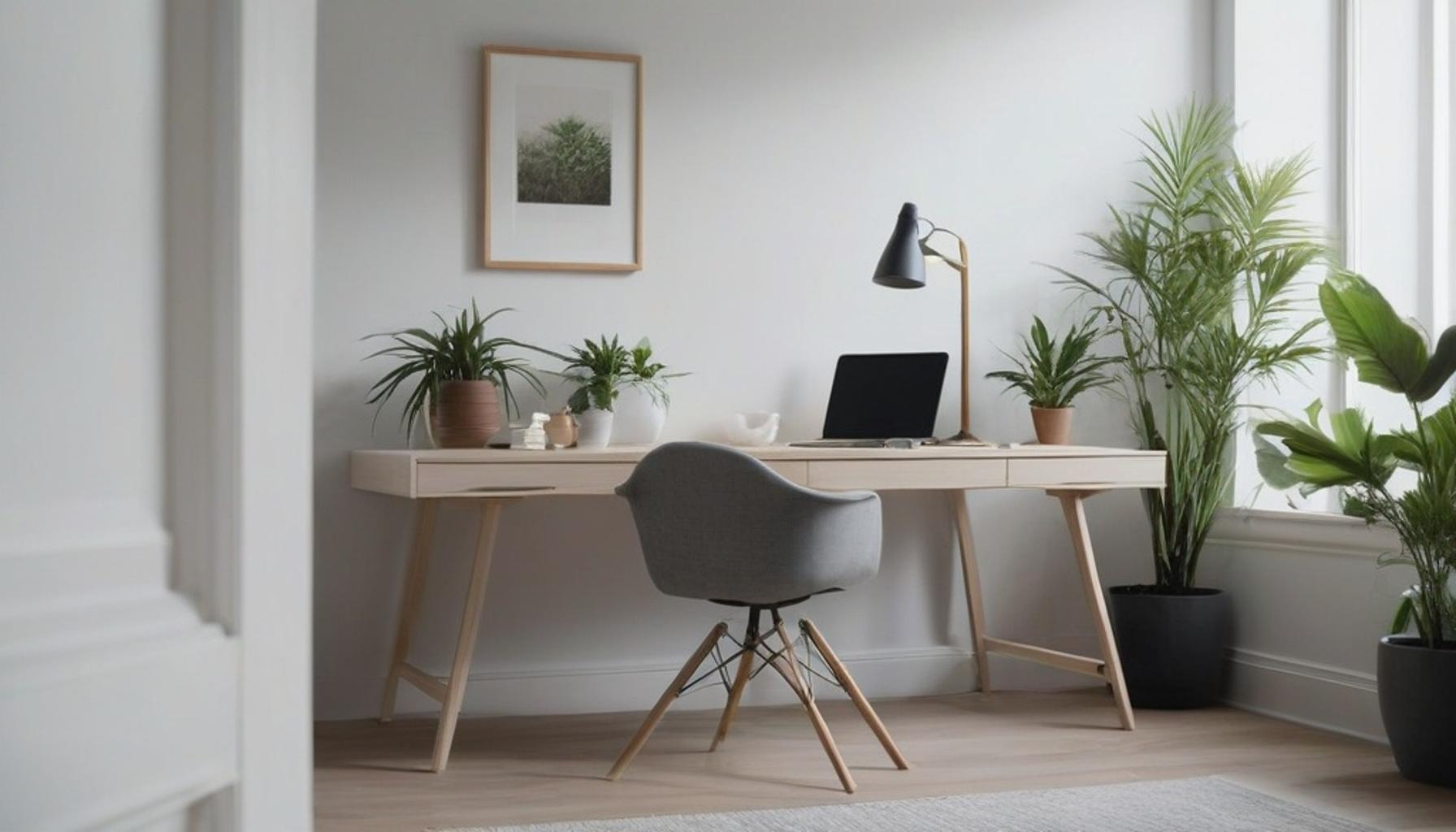
- Wall-mounted desks that fold flat when not in use cater to remote workers trying to balance productivity within spatial constraints.
- Storage ottomans and benches serve dual purposes by providing additional seating while discreetly concealing everyday clutter such as shoes or throw blankets.
These multifunctional furnishings are not merely practical solutions; they exemplify a broader shift in American living spaces. Industry surveys indicate that the demand for multipurpose furniture has surged, especially as cities like Chicago, Austin, and San Francisco continue to grow denser.
Rethinking Closets and Cabinets
A staggering amount of potential storage remains wasted in traditional closets, often due to ineffective organization strategies. Research suggests that poor design can result in a waste of up to 40 percent of closet space. To combat this issue, organizing small spaces effectively is key. Solutions like adjustable shelving, stackable bins, and sleek, slim hangers can transform these spaces into organized, functional areas.
Once considered a luxury reserved for upscale homes, custom closet systems are now more accessible to a broader audience, including renters and budget-conscious homeowners. Simple enhancements like tiered shoe racks or pull-out drawers can metamorphose a disordered closet into an efficient, streamlined system that supports a true minimalist lifestyle. This kind of practicality is essential—a streamlined space fosters a serene environment, fundamentally changing how individuals experience their homes.
DISCOVER MORE: Click here to explore innovative storage solutions
# Room-by-Room Strategies That Deliver Real Results
Kitchen and Bathroom Innovations Worth Copying
Kitchens and bathrooms present unique challenges when maximizing space in a minimalist home, largely because these rooms demand function without sacrificing style. Magnetic knife strips, drawer dividers, and pull-out pantry shelves have become staples for homeowners seeking creative storage solutions that don’t compromise counter space. According to the National Kitchen and Bath Association, nearly 60 percent of homeowners renovating small kitchens prioritize storage optimization over aesthetic upgrades alone.
Bathrooms, often the smallest rooms in American homes, benefit tremendously from recessed medicine cabinets and over-the-toilet shelving units. These additions capitalize on dead space that typically goes unnoticed. In cities like New York and Boston, where bathroom square footage averages under 40 square feet, such solutions are not luxuries—they’re necessities.
The Power of Multi-Zone Organization
Dividing kitchen drawers and bathroom cabinets into distinct zones dramatically improves accessibility. Consider these practical approaches gaining traction across American households:
- Under-sink pull-out organizers that transform awkward plumbing spaces into usable storage for cleaning supplies and toiletries.
- Vertical spice racks mounted inside cabinet doors, freeing up shelf space for bulkier kitchen items.
- Stackable clear bins in bathroom cabinets that make locating items instant rather than a frustrating search.
- Corner carousel units that eliminate the wasted space typically found in L-shaped kitchen cabinetry.
These small, deliberate changes reflect a growing trend: Americans are increasingly viewing their homes through the lens of efficiency rather than excess.
Home Offices and Living Rooms: Dual-Purpose Design
With remote work now a permanent fixture for millions of Americans, home offices have become essential even in the tiniest apartments. Organizing small spaces for productivity requires furniture that disappears when the workday ends. Murphy desks, wall-mounted filing systems, and rolling storage carts allow a corner of the living room to double as a functional workspace.
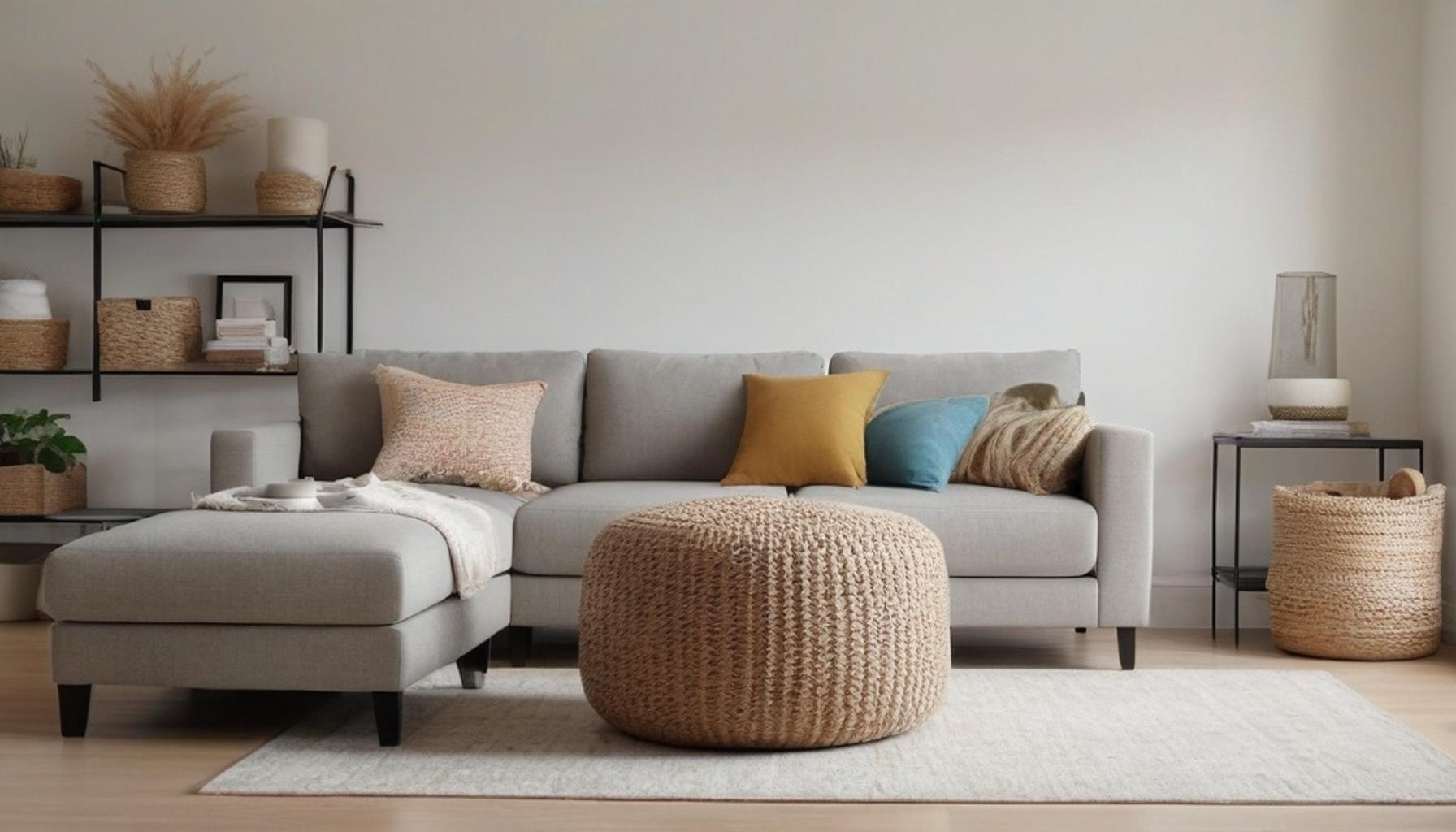
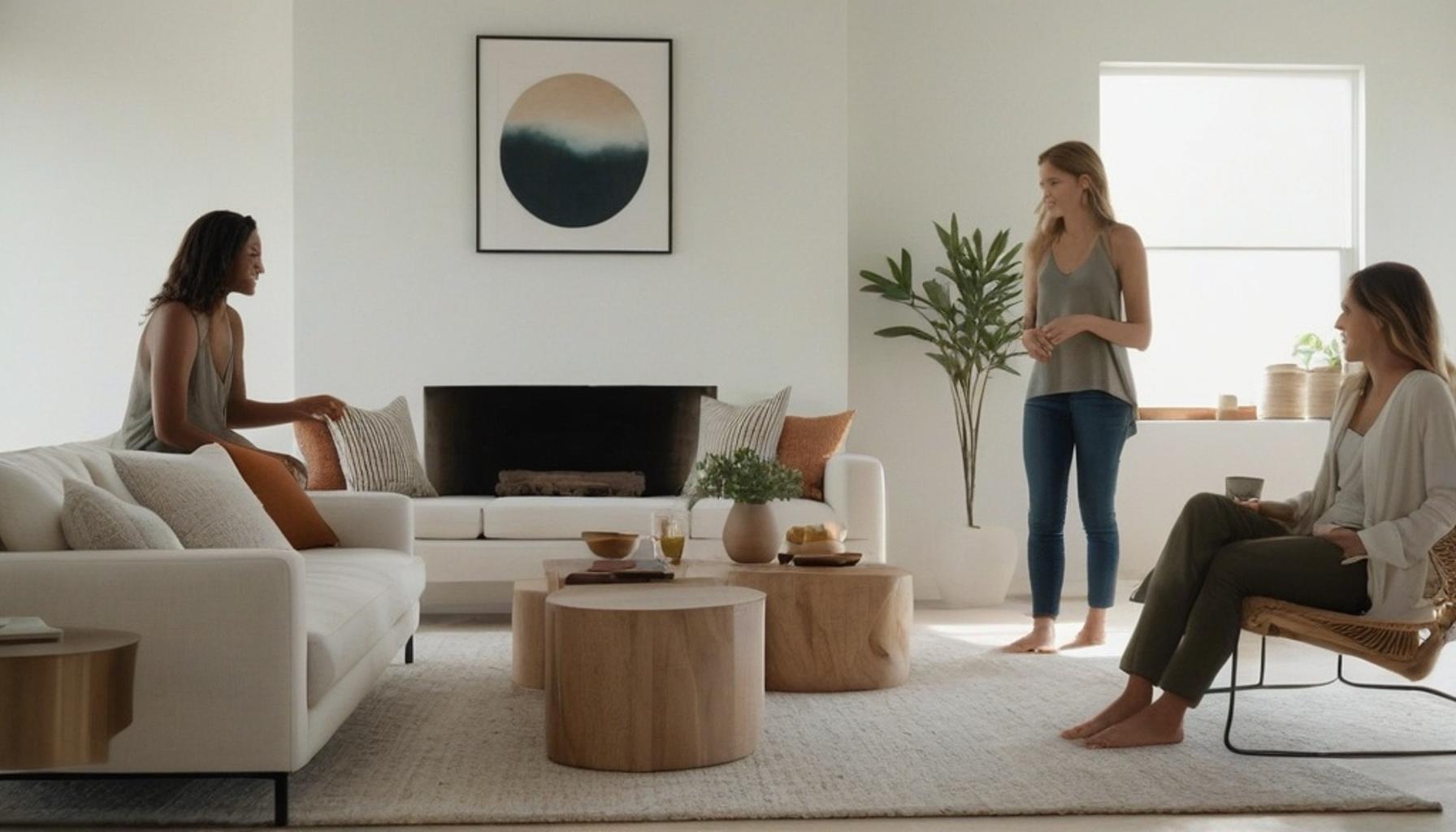
Living rooms, meanwhile, benefit from smart storage solutions like media consoles with hidden compartments and bookshelves that double as room dividers. These pieces maintain openness while providing structure, a balance that’s particularly valuable in open-concept homes popular throughout the Sun Belt.
Data from the American Housing Survey shows that homes under 1,200 square feet now represent a significant share of new urban construction, reinforcing why thoughtful, adaptable design has moved from trend to necessity for millions of households nationwide.
DIVE DEEPER: Click here to discover more
Bringing It All Together: A Smarter Way to Live
Maximizing space in a minimalist home isn’t about owning less for its own sake—it’s about making every square foot work harder. From pull-out pantry shelves to Murphy desks, the strategies covered throughout this article prove that thoughtful design solves real problems facing American households today, particularly as urban square footage continues to shrink.
The common thread across every room is intentionality. Kitchens gain breathing room through vertical storage. Bathrooms shed clutter with recessed cabinetry. Living rooms and home offices merge into flexible, dual-purpose zones. None of these ideas require a full renovation budget; most start with a single drawer divider or a wall-mounted shelf.
Where to Go From Here
Homeowners ready to act should consider these next steps:
- Audit one room at a time rather than overhauling the entire house at once.
- Invest in space-saving furniture that serves at least two functions.
- Track which minimalist home storage ideas actually reduce daily friction, not just visual clutter.
- Revisit organization systems seasonally, since needs shift with lifestyle changes.
As remote work, shrinking apartment sizes, and rising urban living costs continue reshaping how Americans think about their homes, creative storage solutions will likely move from optional upgrades to standard expectations in real estate listings. The National Association of Home Builders has already noted growing buyer interest in built-in storage as a deciding factor in purchase decisions.
Ultimately, organizing small spaces is less about square footage and more about mindset. A well-organized 700-square-foot apartment can feel more spacious than a cluttered 2,000-square-foot house. The tools and techniques explored here offer a starting point, but the real transformation happens when efficiency becomes a daily habit rather than a one-time project.
Frequently Asked Questions
What are some effective storage solutions for small bedrooms in a minimalist home?
To maximize space in a small bedroom, consider using multifunctional furniture such as a bed with built-in drawers or a lofted bed to create room underneath for a desk or seating. Wall-mounted shelves can also help utilize vertical space, while under-bed storage boxes keep items organized without cluttering the floors.
How can I declutter my kitchen while maximizing space?
To declutter your kitchen, start by evaluating what utensils and appliances you actually use and eliminate duplicates or rarely used items. Use clear containers for pantry staples, install pull-out shelves or drawer organizers for pots and pans, and consider magnetic strips for knife storage to keep your counters clear and your essentials easily accessible.
What are some innovative storage ideas for a minimalist living room?
In a minimalist living room, opt for furniture that doubles as storage, such as ottomans with compartments or coffee tables that open up. Wall-mounted cabinets and floating shelves can display decor while keeping items off surfaces, and using a few stylish baskets can help corral blankets and magazines without sacrificing aesthetics.
How can I create a minimalist bathroom while maximizing space?
To create a minimalist bathroom, use tiered organizers to maximize vertical space on countertops or in cabinets, and hang baskets on the walls for extra storage. Consider small, slim shelving units for toiletries and towels, and avoid clutter by only keeping essentials within reach while storing extra items out of sight.
What are some tips for maximizing closet space in a minimalist home?
Maximize closet space by investing in slim, non-slip hangers to save room and keep clothes organized. Implement a system for folding and stacking items on shelves, and use bins or baskets to group similar accessories together. Remember to regularly go through your wardrobe and donate items you no longer wear to maintain a clutter-free space.

Beatriz
Beatriz Johnson is a seasoned minimalist and writer with a passion for simplifying the complexities of personal organization and intentional living. With over a decade of experience in decluttering strategies and mindful consumption, she specializes in topics like space optimization, habit simplification, and sustainable lifestyle choices. Through her work on our website, Beatriz empowers readers to embrace minimalism, reduce mental and physical clutter, and create more meaningful, organized lives in today's fast-paced world.