Maximizing Small Spaces: Smart Storage Solutions for a Clutter-Free Minimalist Home
Small Footprint, Big Potential: Rethinking Every Square Foot
The average American apartment has shrunk to just 886 square feet, yet our possessions have remained as substantial as ever. This increasingly evident mismatch between living space and personal belongings has ignited a nationwide revolution in the realm of Smart Storage Solutions. Homeowners and renters alike are transforming compact studios and starter homes into functional, breathable retreats through innovative organization techniques.
From Brooklyn’s vibrant micro-apartments to the cozy Accessory Dwelling Units (ADUs) scattered across Los Angeles, many are starting to realize that the key issue isn’t the limited square footage itself—but rather, the disorganization that often accompanies it. The modern lifestyle demands efficient use of space, urging people to rethink not just what they own, but how they store it.
Why Clutter-Free Minimalism Is Gaining Ground
Minimalist living has transitioned from being a mere aesthetic trend to a robust, practical response to soaring real estate prices and an increasing craving for tranquil, intentional living spaces. Many individuals are now turning to minimalism not just to save money, but to cultivate a sense of peace amidst the chaos of modern life.
Smart design methods can significantly enhance livability in small areas. For instance, vertical shelving systems can elevate floor space efficiency by up to 30% or more, allowing for a sense of openness that feels vital in compact environments. Additionally, multi-functional furniture such as storage ottomans and murphy beds can optimize utility without crowding the space. Items like hidden compartments integrated into staircases, headboards, and window seats provide clever storage options that maintain aesthetic elegance. Furthermore, modular closet systems can adapt to changing needs, accommodating life transitions with ease.
What This Guide Will Cover
This article will delve into actionable small space organization ideas that reflect the realities of real homes, steering clear of impractical showroom displays. You’ll uncover strategies applicable to every room, whether it’s a compact kitchen or a snug bedroom.
Exploration will include ways to maximize small spaces while still retaining style and comfort, featuring concrete examples and budget-friendly hacks. We will draw insights from tiny-house enthusiasts and professional organizers, who’ve perfected the art of living large in small areas.
By the end of this guide, you will possess a comprehensive toolkit of efficient storage solutions aligned with minimalist home storage goals—regardless of your square footage limitations. Prepare to transform your living space into a harmonious balance of function and tranquility.
DISCOVER MORE: Click here to uncover smart storage solutions
The Vertical Advantage: Building Storage Upward, Not Outward
When floor space runs out, the solution is often hiding in plain sight—literally above your head. Interior designers across the country have embraced vertical storage as one of the most effective Smart Storage Solutions for tight quarters, and the logic is simple: walls rarely get used to their full potential.
A typical American room has ceilings ranging from 8 to 10 feet, yet most furniture and shelving stop at eye level. That leaves a substantial amount of unused real estate. Tall bookcases, stackable cube organizers, and wall-mounted shelving systems can reclaim that dead zone, turning it into functional storage without sacrificing a single square foot of walking space.
This approach is particularly popular in cities like New York and San Francisco, where micro-apartments have forced residents to get creative. Some tenants report reclaiming as much as 20 to 30 percent of usable floor space simply by shifting their storage strategy upward instead of outward.
Practical Ways to Go Vertical
Implementing vertical storage doesn’t require a renovation budget. Many small space organization ideas can be executed over a single weekend with basic tools. Consider the following approaches:
- Floating shelves installed above desks, sofas, or beds to display books and decor without consuming floor area.
- Pegboards in kitchens or home offices for hanging tools, mugs, and supplies within easy reach.
- Over-the-door organizers for bathrooms and closets, ideal for shoes, cleaning supplies, or accessories.
- Ceiling-mounted racks in garages or utility rooms for seasonal items like bikes and holiday decorations.
- Ladder shelves that lean against a wall, offering tiered storage with a minimal footprint.
Each of these options contributes to a broader goal: achieving efficient storage solutions that don’t compromise the open, airy feel essential to clutter-free minimalism. The trick lies in balancing accessibility with visual calm—storage should feel intentional, not improvised.
Professional organizers often emphasize that vertical storage works best when paired with consistency. Matching bins, labeled baskets, and uniform shelving create a cohesive look that prevents even well-organized spaces from appearing chaotic. This attention to detail is what separates a truly functional minimalist home storage system from a temporary fix destined to unravel within weeks.
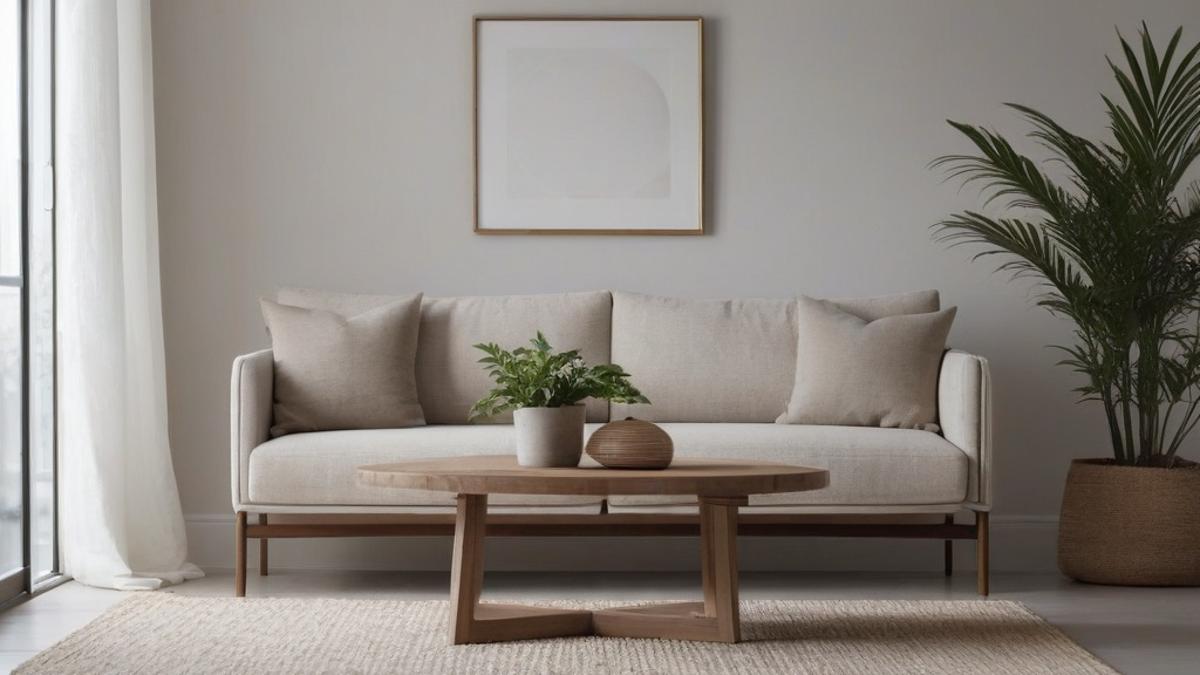
| Category | Description |
|---|---|
| Vertical Storage | Utilize walls with shelves and racks to keep floors clear. Vertical storage maximizes small spaces effectively. |
| Under-Furniture Solutions | Incorporate storage bins or drawers beneath sofas and beds. This approach is a clever, often overlooked way to embrace clutter-free minimalism. |
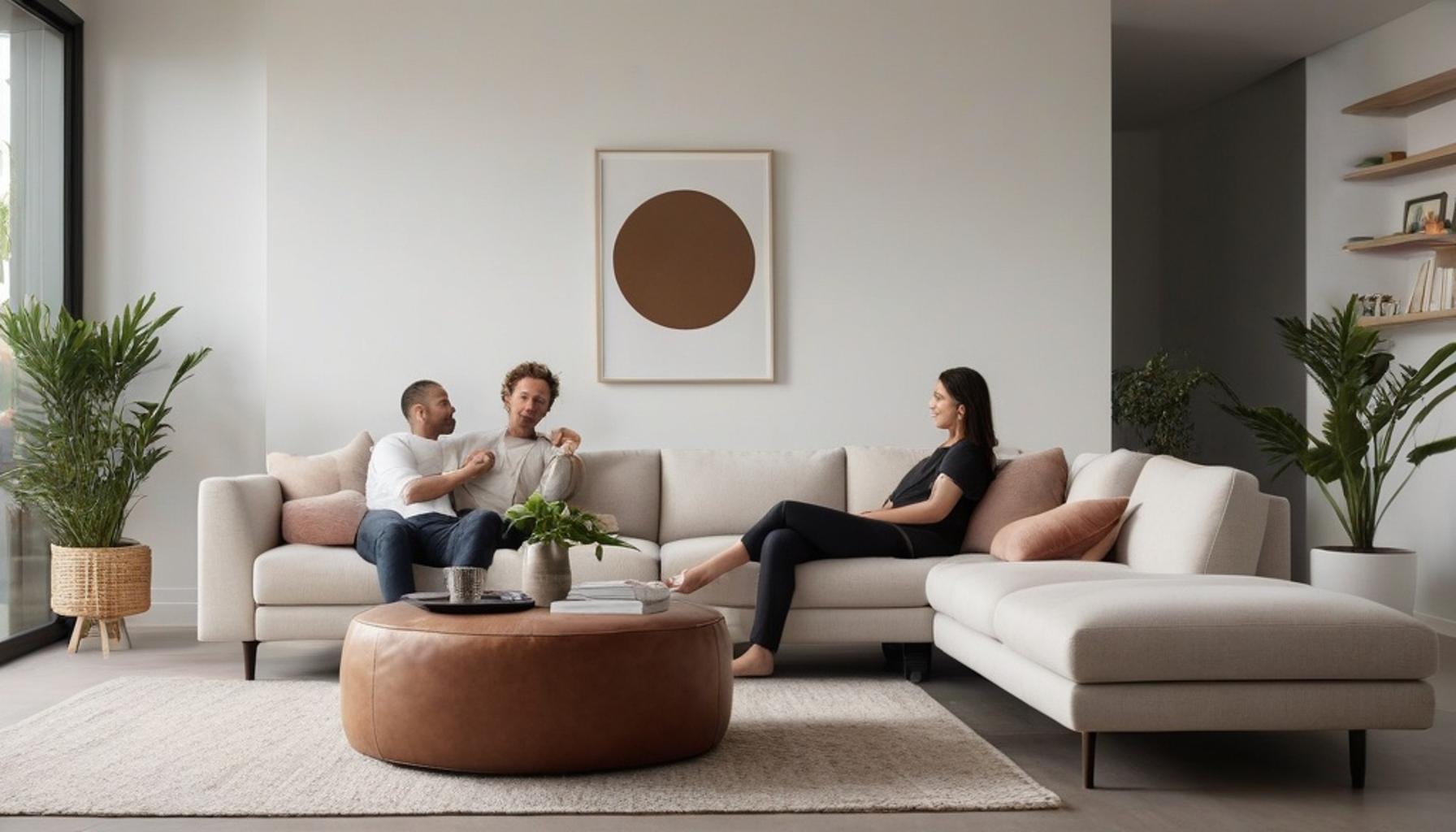
| Multi-Functional Furniture | Invest in ottomans with storage, or coffee tables that open up. These pieces enhance small space organization ideas, providing both style and efficiency. |
| Niche and Hideaway Options | Explore pull-out shelves, hidden cabinets, and disguised appliances to create a seamless look within your minimalist home. |
DIVE DEEPER: Click here to discover innovative storage solutions
Multi-Functional Furniture: The Secret Weapon of Minimalist Living
Beyond walls and shelves, the furniture itself can become a storage powerhouse. Multi-functional pieces have surged in popularity across American households, especially as remote work and smaller urban footprints reshape how people use their homes. Instead of buying separate items for separate tasks, savvy homeowners are choosing pieces that pull double or triple duty.
This shift represents one of the most practical Smart Storage Solutions available today, particularly for renters who can’t knock down walls or install permanent fixtures.
Furniture That Does More With Less
Retailers like IKEA, West Elm, and Wayfair have responded to this demand with entire product lines dedicated to hidden storage. Some standout examples include:
- Storage ottomans that serve as coffee tables, extra seating, and hidden compartments for blankets or remote controls.
- Platform beds with built-in drawers, eliminating the need for a separate dresser in studio apartments.
- Expandable dining tables that fold down to a slim console when not hosting guests.
- Sofa beds with under-seat storage, popular in city lofts where a guest room simply isn’t an option.
- Nesting tables that tuck away completely when unused, freeing up floor space instantly.
According to a 2023 survey by the National Association of Home Builders, nearly 45 percent of buyers under 35 ranked flexible, space-saving furniture as a top priority—higher than aesthetic style alone. That statistic signals a broader cultural shift: function is no longer separate from design, it’s central to it.
Why This Matters for Minimalist Households
For anyone trying to maximize small spaces, multi-functional furniture solves a problem that shelving alone cannot: it addresses items that are awkward to store, like extra bedding, luggage, or seasonal clothing.
Choosing furniture with dual purposes also supports clutter-free minimalism by reducing the sheer number of objects in a room. Fewer individual pieces mean fewer visual distractions, which contributes directly to the calm, open atmosphere minimalist design strives to achieve.
Professional home stagers in cities like Chicago and Austin frequently recommend this strategy to clients preparing small homes for sale. The reasoning is straightforward—rooms photograph larger and feel more inviting when storage is built into the furniture rather than scattered across visible bins and boxes.
These are exactly the kinds of small space organization ideas that deliver long-term value. A single well-chosen piece can replace three or four standalone storage items, making it easier to maintain an efficient storage solutions system without constant reorganizing. Over time, this approach doesn’t just save space; it saves money, since fewer separate purchases are needed to keep a home functional and tidy.
DIVE DEEPER: Click here to discover innovative storage solutions
Bringing It All Together: Small Space, Big Potential
Across every strategy explored in this guide, one truth stands out: square footage does not determine quality of life. From vertical shelving and hidden nooks to furniture that multitasks, Smart Storage Solutions prove that a 500-square-foot apartment in Brooklyn or a compact bungalow in Portland can feel just as functional as a sprawling suburban home.
The real shift happens in mindset. Rather than asking how to fit more into a room, minimalist-minded homeowners ask how to make every object and every inch earn its place.
Key Takeaways for Long-Term Success
Achieving lasting results doesn’t require a total renovation. It requires consistency and a willingness to rethink old habits. A few guiding principles worth remembering:
- Prioritize furniture and storage systems that serve more than one purpose.
- Use vertical space before assuming a room is “too small.”
- Regularly reassess belongings to sustain clutter-free minimalism instead of letting it fade over time.
- Treat organization as an ongoing system, not a one-time weekend project.
Data from housing and design industry reports consistently show that Americans, particularly younger generations in urban markets, are prioritizing flexibility over sheer size. This isn’t a passing trend; it reflects a lasting shift in how people value their homes.
Final Thoughts
Ultimately, learning how to maximize small spaces is less about clever tricks and more about intentional living. Every small space organization idea mentioned throughout this article points back to a simple philosophy: fewer distractions, more purpose.
For those ready to explore minimalist home storage further, the next step is simple—choose one area of the home, apply one efficient storage solution, and observe how quickly a small space begins to feel larger, calmer, and entirely your own.
Frequently Asked Questions
What are some effective smart storage solutions for small bedrooms?
Effective smart storage solutions for small bedrooms include utilizing under-bed storage containers, installing floating shelves, and choosing multifunctional furniture such as a bed with built-in drawers. You can also hang hooks on walls for accessories and use closet organizers to maximize vertical space.
How can I create more storage in my tiny kitchen without remodeling?
To create more storage in a tiny kitchen without remodeling, consider adding shelves above countertops and inside cabinet doors. Use clear storage containers for better visibility and opt for a rolling cart that can serve as additional counter space while also providing extra storage.
What are some creative smart storage solutions for living rooms with limited space?
In a living room with limited space, you can incorporate smart storage solutions like ottomans that open for storage, wall-mounted cabinets to free up floor space, and multi-tiered coffee tables that include hidden compartments. Additionally, utilizing vertical space with tall bookshelves can help keep your living area organized.
How do I implement smart storage solutions without compromising my minimalist aesthetic?
To implement smart storage solutions while maintaining a minimalist aesthetic, focus on stylish yet functional items such as sleek storage baskets, hidden shelving, and furniture that doubles as storage. Prioritize a cohesive color palette and limit decorative items to ensure a clean and uncluttered look.

Beatriz
Beatriz Johnson is a seasoned minimalist and writer with a passion for simplifying the complexities of personal organization and intentional living. With over a decade of experience in decluttering strategies and mindful consumption, she specializes in topics like space optimization, habit simplification, and sustainable lifestyle choices. Through her work on our website, Beatriz empowers readers to embrace minimalism, reduce mental and physical clutter, and create more meaningful, organized lives in today's fast-paced world.