Creating a Clutter-Free Kitchen: Minimalist Organization Tips for Efficient Cooking and Storage Solutions
Why a Clutter-Free Kitchen Changes Everything
Picture your kitchen counter right now. Is it covered with appliances you rarely use, mismatched containers, or a pile of mail that migrated from the front door? You’re not alone. Many people find themselves overwhelmed by the contents of their kitchens, often unsure of what’s essential and what has simply accumulated over time.
Studies on home organization suggest the average American kitchen contains over 100 items stuffed into drawers and cabinets, many of which remain untouched for months, if not years. This accumulation can create a chaotic environment that dampens creativity and enthusiasm in the kitchen. That is where minimalist kitchen organization comes in, presenting a refreshing approach to help you regain control over one of the most vital spaces in your home.
The Hidden Cost of Kitchen Chaos
A cluttered kitchen isn’t just an eyesore—it slows you down and hampers your efficiency. Every misplaced spatula or buried spice jar adds precious minutes to meal prep, increasing frustration. For instance, lengthy searches for your favorite grilling tool can distract you right when you’re in the mood to whip up a quick dinner. Consider what a disorganized space actually costs you:
- Wasted time searching for tools and ingredients, which can easily accumulate to hours each week.
- Duplicate purchases because you can’t find what you already own, leading to unnecessary expenses—Americans spend an average of $300 per year repurchasing items they already have.
- Increased stress before and during cooking, making the cooking experience feel more like a chore than a joy.
- Less counter space for actual food preparation, often forcing you to cook in cramped quarters.
What This Guide Will Show You
Creating a clutter-free kitchen doesn’t require a full renovation or a Pinterest-perfect budget. Simple, intentional changes can transform how your kitchen functions and feels. You can start by examining your kitchen items and prioritizing what’s critical to your daily cooking routine.
Throughout this article, you’ll discover:
- Practical decluttering kitchen tips that can be accomplished in a weekend, turning overwhelming tasks into manageable projects.
- Kitchen storage solutions suited for both small spaces and large families, including creative ways to utilize vertical space.
- Efficient cooking tips inspired by professional chefs, allowing you to maximize your time and enhance your culinary skills.
- Strategies to maintain a minimalist cooking space long-term, promoting sustainability and mindful consumption.
Ready to reclaim your counters and your time? Let’s dig into the strategies that make it possible, paving the way for a kitchen that inspires, rather than stresses.
DISCOVER MORE: Click here to dive deeper
The Minimalist Philosophy Behind an Efficient Kitchen
Before you grab a trash bag and start tossing items haphazardly, it helps to understand what minimalist kitchen organization actually means. It’s not about owning as little as possible or living with bare countertops for the sake of aesthetics. Instead, it’s about curating a space where every item earns its place through function or genuine value.
Chefs in professional kitchens have practiced this philosophy for decades, often referred to as “mise en place,” meaning everything in its place. Home cooks across the United States are now adopting this same mindset, discovering that a clutter-free kitchen isn’t a luxury reserved for design magazines—it’s an achievable, practical goal for any household.
The One-Year Rule and Other Decluttering Benchmarks
One of the simplest decluttering kitchen tips professional organizers recommend is the one-year rule: if you haven’t used an item in twelve months, it’s likely safe to donate, sell, or discard. This applies especially to single-purpose gadgets like avocado slicers or egg separators that seemed essential at checkout but rarely leave the drawer.
To apply this rule effectively, consider sorting your kitchen items into these categories:
- Daily essentials—items used almost every day, such as your primary knife, cutting board, and coffee maker.
- Weekly tools—equipment like baking sheets or slow cookers used regularly but not constantly.
- Occasional use—seasonal items such as turkey roasters or holiday-specific bakeware.
- Rarely or never used—duplicate tools, unused wedding gifts, or trendy gadgets that didn’t stick.
Once sorted, the fourth category becomes your starting point for donation or resale, immediately freeing up valuable cabinet and drawer space.
Why Less Really Does Mean More in the Kitchen
Research from organizational psychologists indicates that visual clutter competes for our brain’s attention, making even simple tasks feel more mentally taxing. In a kitchen setting, this translates to slower meal prep and higher stress levels, particularly during busy weeknight dinners.
A minimalist cooking space reduces this cognitive load significantly. When your counters are clear and your tools are limited to what you genuinely use, your brain doesn’t have to filter through unnecessary visual noise to locate what’s needed. This is one of the most overlooked yet efficient cooking tips: simplifying your environment simplifies your thought process, too.
Many home cooks who’ve embraced minimalist principles report cooking more often simply because the process feels less overwhelming. With fewer distractions and a clearer workspace, even weeknight meals become less of a hassle and more of an enjoyable ritual.
DISCOVER MORE: Click here for additional insights
# Smart Storage Strategies That Maximize Every InchOnce you’ve pared down your kitchen inventory, the next step in mastering minimalist kitchen organization involves rethinking how you store what remains. Storage isn’t just about hiding items in cabinets—it’s about creating systems that make sense for how you actually cook.Vertical space is one of the most underutilized resources in American kitchens. Wall-mounted magnetic knife strips, hanging pot racks, and stackable shelf inserts can free up drawer space while keeping frequently used tools within arm’s reach. According to kitchen design surveys, homeowners who incorporate vertical storage solutions report up to 30% more usable counter space, a significant boost for anyone serious about kitchen storage solutions.## Drawer Dividers and Zone-Based OrganizationProfessional organizers frequently recommend “zone-based” organization, a system where kitchen tools are grouped according to task rather than type. This is a foundational principle behind any successful clutter-free kitchen.Consider setting up these functional zones:
- Prep zone—cutting boards, knives, and mixing bowls stored near your primary workspace.
- Cooking zone—pots, pans, and utensils positioned close to the stove.
- Baking zone—measuring cups, mixers, and bakeware grouped together, ideally near the oven.
- Beverage zone—mugs, coffee filters, and tea supplies clustered near the coffee maker or kettle.
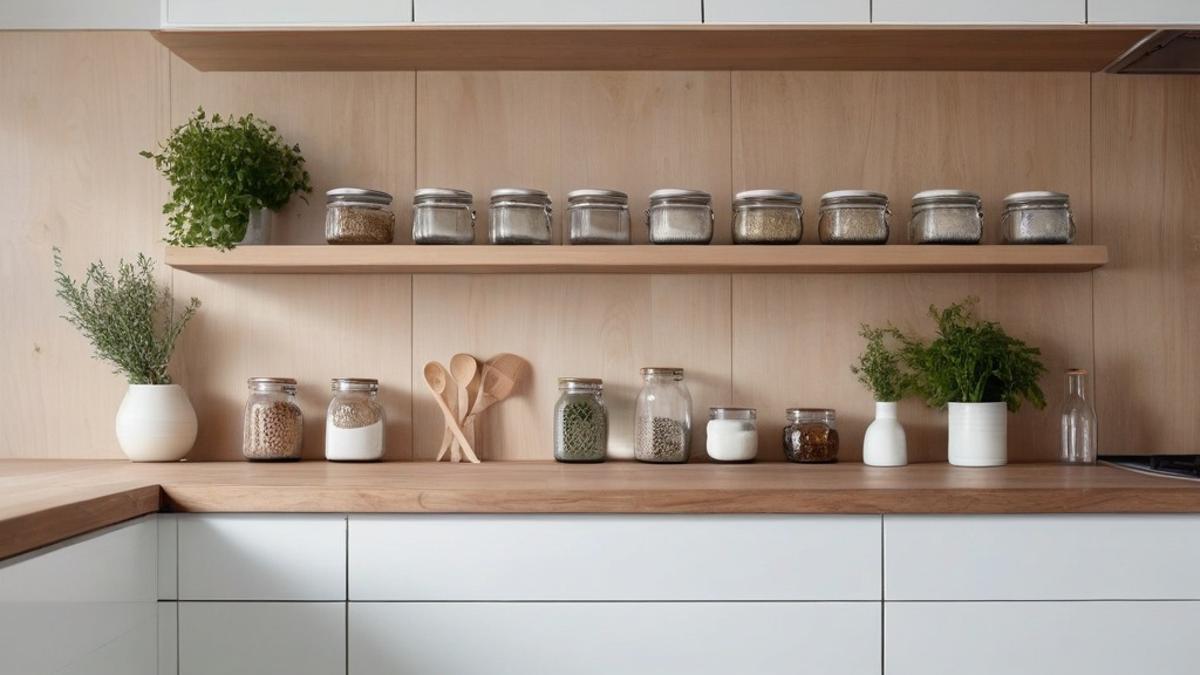
This approach eliminates the need to walk across the kitchen mid-task, a small but meaningful upgrade among efficient cooking tips that professional chefs swear by.## The Power of Clear Containers and LabelsPantries often become disorganization hotspots simply because items get pushed to the back and forgotten. Transferring bulk goods like rice, flour, and pasta into clear, labeled containers isn’t just visually appealing—it’s practical.Studies on food waste conducted by the USDA suggest that Americans throw away roughly 30 to 40 percent of their food supply annually, and disorganized storage is a contributing factor. When you can see exactly what you have, you’re less likely to overbuy or let ingredients expire unnoticed.Labeling doesn’t require fancy equipment, either. Simple masking tape and a marker work fine, though many home organizers opt for uniform label makers for a cleaner look. The goal isn’t perfection; it’s clarity.## Rethinking Cabinet Layouts for Real-Life UseMany kitchens are designed with builder-grade layouts that don’t necessarily match how people actually cook. Reassessing cabinet placement based on your habits, rather than convention, is a core part of building a minimalist cooking space.For instance, storing everyday dishes at eye level and reserving lower cabinets for heavier, less-frequently used items like slow cookers or roasting pans reduces unnecessary strain and searching time. Small adjustments like these, though often overlooked, can transform daily kitchen routines into something far more seamless and enjoyable.
DISCOVER MORE: Click here for additional insights
Bringing It All Together: A Kitchen That Works for You
Building a clutter-free kitchen isn’t a one-weekend project—it’s an ongoing practice that evolves alongside how you cook, shop, and live. The strategies outlined throughout this piece, from paring down excess inventory to embracing zone-based organization, all point toward one central idea: intentionality beats accumulation.
Minimalist kitchen organization isn’t about owning as little as possible for its own sake. It’s about ensuring that every item earns its place, whether that’s a well-loved cast iron skillet or a set of clearly labeled pantry jars. When storage systems align with actual cooking habits, the kitchen stops feeling like a source of daily friction.
Small Changes, Measurable Results
Consider the numbers already mentioned—30% more usable counter space from vertical storage, and the staggering 30 to 40 percent of food Americans waste annually. These figures aren’t abstract; they reflect real time, money, and space that homeowners can reclaim with relatively modest adjustments.
Applying even a few decluttering kitchen tips mentioned here, like adopting clear containers or reorganizing cabinets by frequency of use, can produce noticeable results within weeks.
Where to Go From Here
Anyone serious about kitchen storage solutions should treat this as a starting point rather than a finished checklist. Kitchens change as households grow, cooking styles shift, and new gadgets enter the picture. Revisiting your systems every few months keeps clutter from quietly creeping back in.
Ultimately, a minimalist cooking space rewards those willing to experiment. What works in one household may need tweaking in another, and that’s perfectly fine. The goal isn’t a picture-perfect pantry—it’s a kitchen that supports how you actually live, cook, and gather.
Frequently Asked Questions
What are some essential tips for decluttering my kitchen effectively?
Start by taking everything out of your cabinets and drawers to assess what you really use and need. Consider implementing a ‘one in, one out’ rule for items, and donate or discard those that you haven’t used in the last year. Additionally, group similar items together and prioritize frequently used tools for easy access.
How can I maximize storage space in a small kitchen?
Utilize vertical space by installing shelves or hanging racks, and consider using stackable bins for pantry items. Magnetic strips can hold knives or metal utensils, while pull-out drawers can make use of deep cabinets effectively. Always keep counters clear by storing lesser-used appliances away.
What minimalist kitchen tools should I invest in for a clutter-free environment?
Focus on versatile kitchen tools that serve multiple purposes, such as a high-quality chef’s knife, a set of measuring cups, and a few non-stick pots and pans. Avoid single-use gadgets that take up space, and instead, opt for collapsible or nested items that promote a tidy kitchen layout.
How do I maintain a clutter-free kitchen once I’ve organized it?
Establish a regular cleaning and reorganizing routine, ideally once a month, to reassess your kitchen items. Implement the habit of putting things back in their designated spots after use, and make a point to clean out your pantry seasonally to remove expired items. Consider keeping a small donation box in the kitchen for items you decide you don’t need.
What are the benefits of a clutter-free kitchen beyond aesthetics?
A clutter-free kitchen enhances efficiency, allowing for quicker meal prep and easier cooking as you can find tools and ingredients swiftly. Additionally, it reduces stress and promotes a more enjoyable cooking experience, as a tidy space feels more inviting. A minimalist kitchen also encourages healthier eating habits by making meal planning and cooking more accessible.
How can I incorporate minimalist design elements into my kitchen organization?
Choose a neutral color palette with a few accent colors, and opt for sleek, simple cabinetry without excess hardware. Use clear containers for storage to visually keep track of your items while maintaining a clean look. Incorporating open shelving can also highlight your beautiful dishes while keeping the overall design airy and uncluttered.

Beatriz
Beatriz Johnson is a seasoned minimalist and writer with a passion for simplifying the complexities of personal organization and intentional living. With over a decade of experience in decluttering strategies and mindful consumption, she specializes in topics like space optimization, habit simplification, and sustainable lifestyle choices. Through her work on our website, Beatriz empowers readers to embrace minimalism, reduce mental and physical clutter, and create more meaningful, organized lives in today's fast-paced world.