Creating a Clutter-Free Home: Essential Tips for Organizing Your Living Room and Bedroom
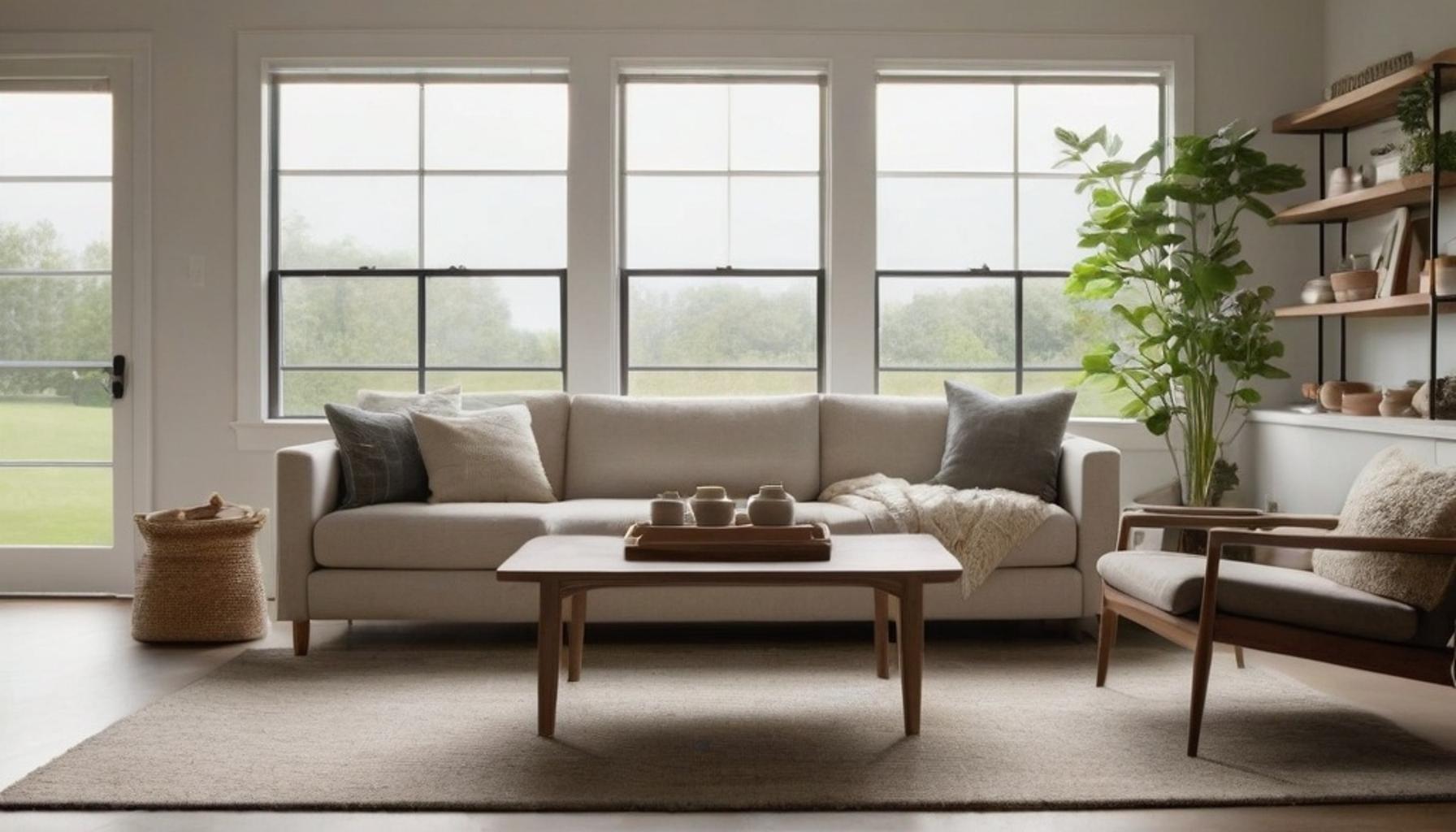
Enter any home featured on a popular design show, and you’ll inevitably encounter aesthetics that prioritize cleanliness and organization. This isn’t merely about eye-catching images; it’s grounded in effective clutter-free home tips that enhance both functionality and serenity in daily life. The designs prioritize streamlined surfaces, thoughtful furniture arrangements, and an absence of overwhelming visual stimuli.
Research from Princeton University’s Neuroscience Institute underscored the profound effects of clutter on our mental well-being. Visual clutter can hinder your focus and elevate cortisol levels—stress hormones—by as much as 30%. This finding highlights the importance of keeping your living space, especially areas where you tend to relax, free from distractions like accumulating mail, old magazines, or mismatched decor.
What This Guide Covers
This guide offers actionable solutions aimed at transforming chaotic spaces into peaceful, efficient sanctuaries. It provides practical methods rather than ambiguous ideas that may leave you more confused than inspired.
- Organizing living room layouts that improve both flow and storage capacity.
- Effective bedroom organization ideas designed to maximize every inch of closet and under-bed space.
- Simple decluttering tips you can implement immediately for quick wins.
- Strategies to create a minimalist living room, maintaining comfort without excessive adornment.
- Essential items to keep your home tidy, ensuring practicality without sacrificing style.
Small Changes, Big Impact
Transformations don’t always require drastic changes or hefty financial investments. Homeowners who dedicate just one focused weekend to organizing their spaces often report significant improvements in both function and mood. These small steps can lead to a dramatic shift in your environment, making your home a haven instead of a source of stress.
If you are ready to reclaim your space and foster a more peaceful living environment, let’s begin with the area that typically supports most of your relaxation—the living room. It serves as a central hub for gathering with family and friends, making it an essential space to prioritize and perfect.
DIVE DEEPER: Click here to discover more
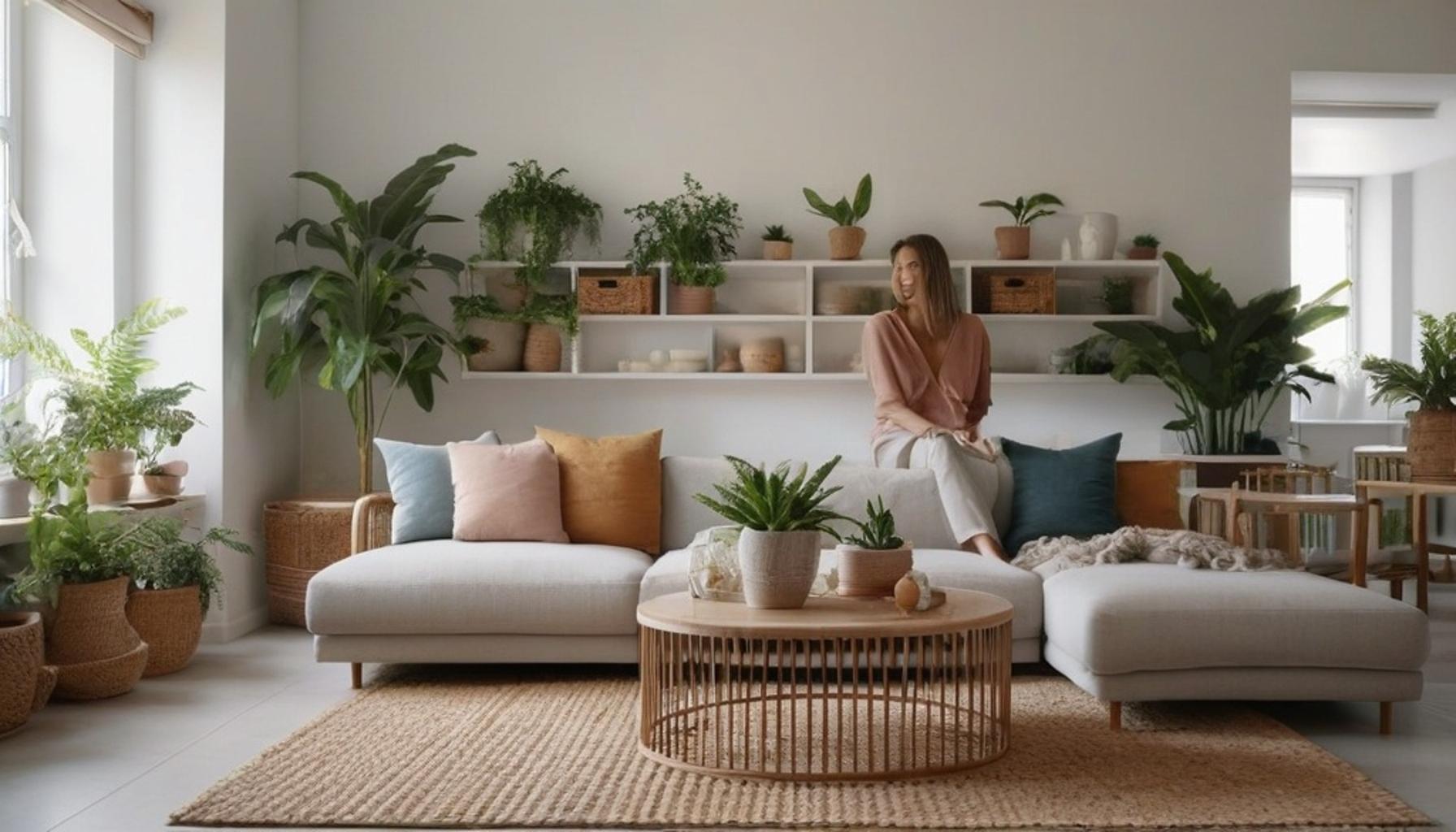
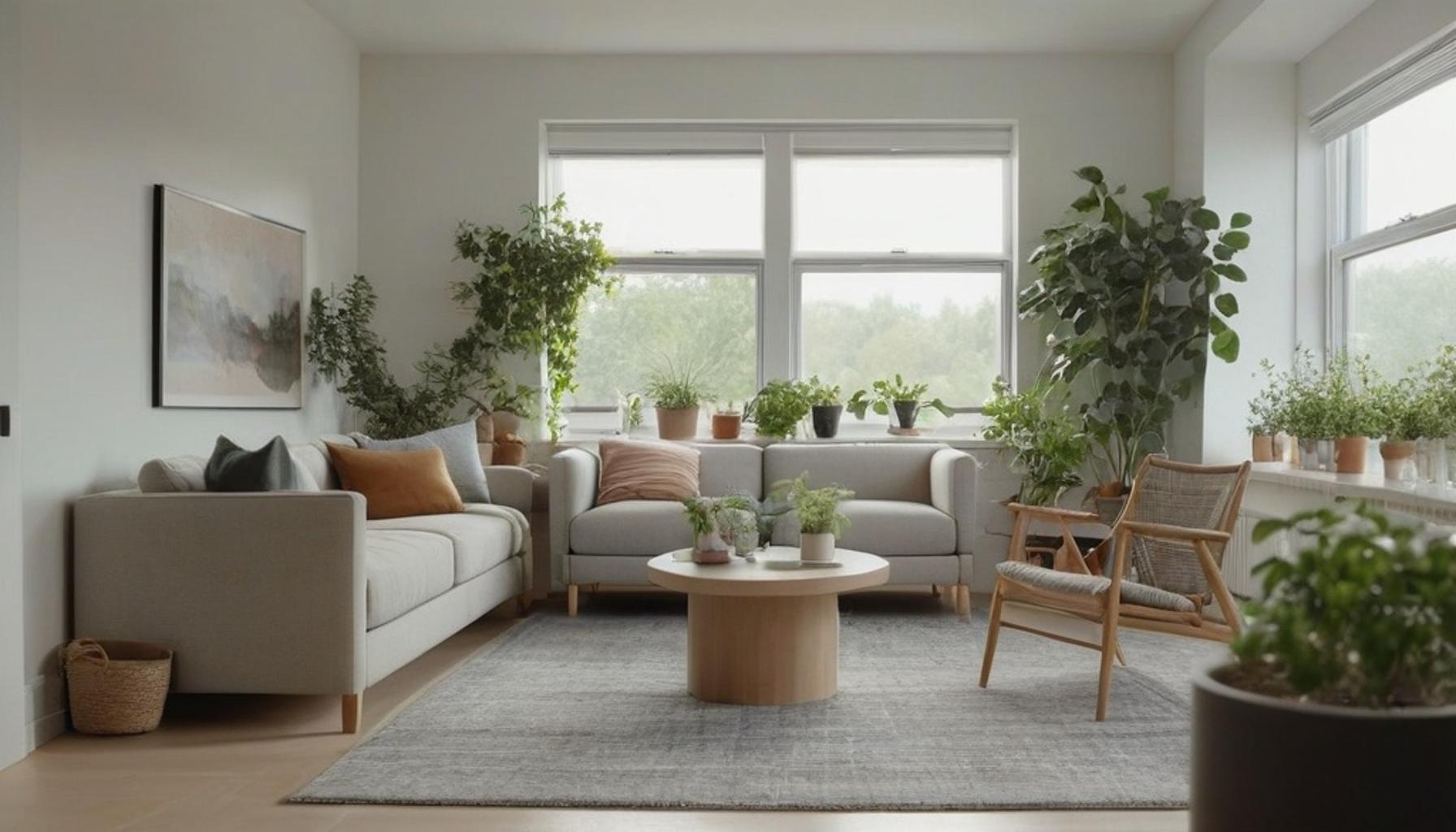
# Mastering the Living Room: Where Function Meets StyleThe living room witnesses more foot traffic than practically any other room in your house. Between movie nights, casual gatherings, and everyday downtime, this space accumulates clutter faster than you might realize. That’s precisely why organizing living room spaces should top your priority list.Interior designers consistently point to one culprit behind messy living rooms: a lack of designated zones. When every surface serves multiple undefined purposes, clutter naturally follows. Assigning specific functions to specific areas—a reading nook, a media zone, a conversation cluster—creates natural boundaries that discourage random pile-ups.## Furniture Arrangement That Actually WorksSmart furniture placement does more than just look good on paper. It directly influences how much stuff accumulates in your space.Consider these proven strategies used by professional organizers across the country:
- Position furniture away from walls to create intentional pathways, discouraging random item placement along edges.
- Choose multi-functional pieces like storage ottomans or coffee tables with hidden compartments.
- Limit surface areas that invite clutter—fewer side tables mean fewer spots for mail and knickknacks to pile up.
- Anchor larger furniture pieces first, then build around them rather than filling gaps with unnecessary items.
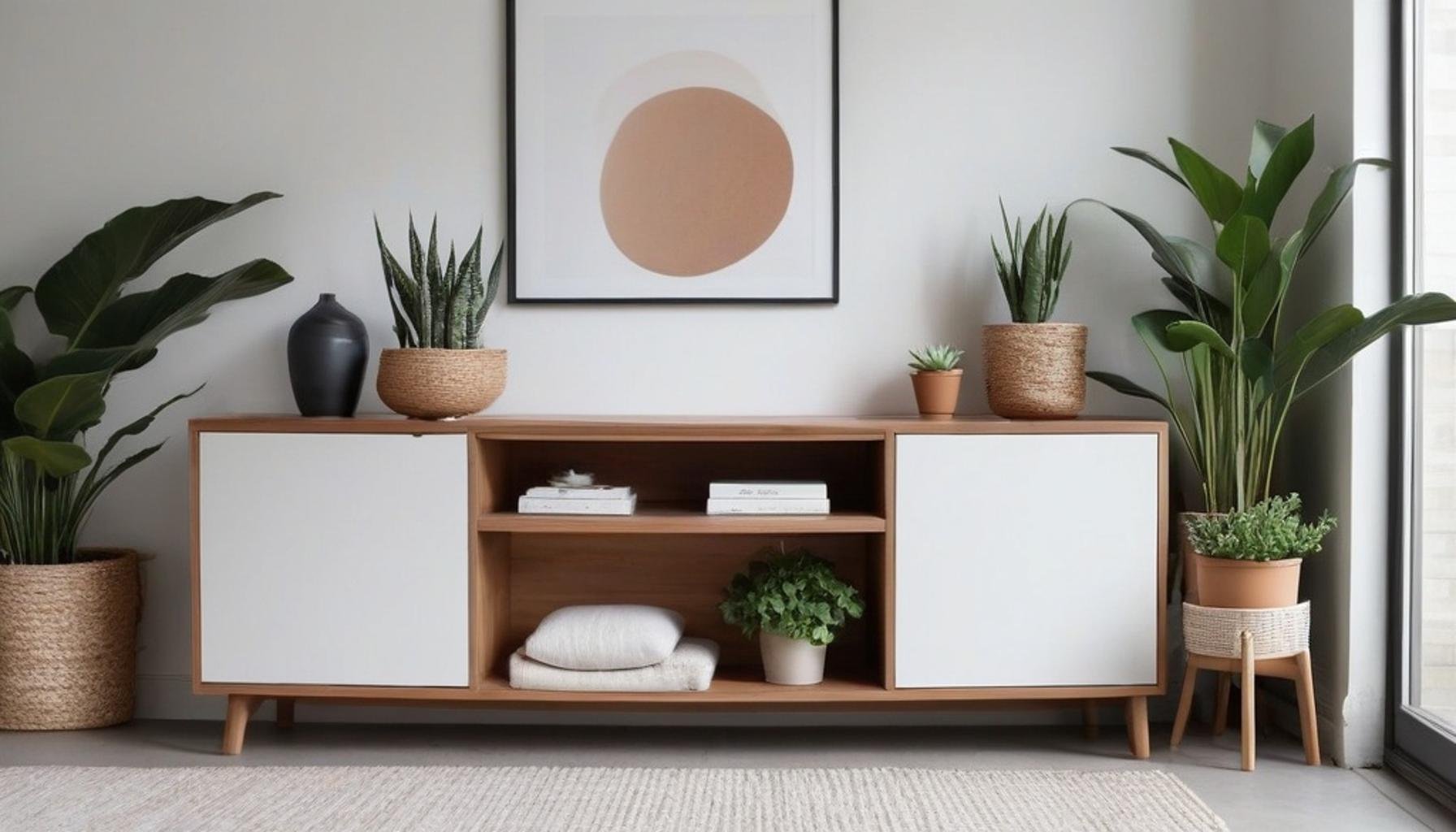
According to a 2023 survey by the National Association of Professional Organizers, homeowners who implemented zone-based furniture layouts reported a 40% reduction in visible clutter within just two weeks.## The Power of Concealed StorageIf you’re serious about achieving a minimalist living room, concealed storage becomes your best friend. Open shelving looks appealing in photographs, but it demands constant upkeep that most busy households simply can’t sustain.Baskets with lids, cabinets with doors, and ottomans with removable tops allow you to maintain visual calm while still keeping essential items accessible. This approach aligns with one of the most fundamental clutter-free home tips: out of sight doesn’t mean out of reach—it just means out of your immediate line of vision.Boston-based designer Melissa Grant, who specializes in small-space solutions, notes that clients who switch to concealed storage systems report feeling calmer within their homes almost immediately. “It’s not about hiding mess,” she explains. “It’s about creating intentional homes for everything you own.”## Quick Wins for Immediate ImpactNot every solution requires furniture shopping or major investment. Some of the most effective decluttering tips involve simple daily habits:
- Implement a “one-touch rule”—handle items once, whether that means putting them away, donating them, or discarding them.
- Set a nightly five-minute reset to clear surfaces before bed.
- Remove one item from your living room every day for thirty days.
These small, consistent actions compound over time, transforming chaotic spaces into calm, functional environments without overwhelming your schedule or budget.
| Category | Tips & Benefits |
|---|---|
| Decluttering Routine | Establish a weekly decluttering routine to maintain a clutter-free home. Regularly assess items and decide what to keep, donate, or discard. |
| Storage Solutions | Explore multi-functional furniture such as ottomans with storage. This not only saves space but also enhances your minimalist living room aesthetic. |
| Surface Clarity | Keep surfaces clear of clutter; it instantly makes your space look larger. Consider bedroom organization ideas like under-bed storage. |
| Display & Decor | Limit decorative items to a few curated pieces. This maintains your theme while reducing visual clutter, contributing to a serene space. |
| Routine Adjustments | Adapt your organization strategies seasonally to keep your home functional and inviting, ensuring it reflects your lifestyle and needs. |
DISCOVER MORE: Click here for smart storage solutions
# Transforming the Bedroom: Your Sanctuary from ChaosWhile the living room handles daily traffic, your bedroom serves a different purpose entirely—it’s meant to be restorative. Yet cluttered dressers, overflowing closets, and nightstands buried under random items sabotage that sense of calm. Effective bedroom organization ideas start with understanding this room’s unique psychological role in your daily routine.Sleep researchers at the University of California have found that visual clutter directly correlates with elevated cortisol levels, making a messy bedroom scientifically linked to poorer sleep quality. This isn’t just about aesthetics—it’s about your physical wellbeing.## Rethinking Closet OrganizationClosets often become the graveyard of good intentions, where clothes pile up regardless of season or fit. Professional closet designers recommend the following approach for lasting results.
- Sort clothing by category first, then by color—this makes daily selection faster and reveals duplicate items you probably forgot you owned.
- Use the “hanger trick”: turn all hangers backward, then flip them forward only after wearing an item. After six months, anything still backward gets donated.
- Invest in slim, uniform hangers to maximize space and create visual consistency.
- Store off-season clothing in labeled bins beneath the bed or on closet shelves rather than mixing them with current wardrobe items.
This system isn’t just about tidiness—it’s one of the most practical essentials for a tidy space that actually holds up under real-life pressure, not just Instagram staging.## Nightstand and Surface DisciplineNightstands frequently become dumping grounds for phones, books, medications, and random receipts. Limiting yourself to three items maximum on any bedroom surface forces intentional choices about what truly belongs there.Consider a small tray or dish specifically for jewelry and pocket items you remove before bed. This tiny designated spot prevents the scattered-across-the-dresser look that plagues so many bedrooms nationwide.## Under-the-Bed Storage: An Underused ResourceRoughly 78% of American homes have usable under-bed space, according to a 2022 housing utilization report, yet most homeowners leave this area empty or filled with random junk.Flat storage bins designed specifically for this space can hold seasonal bedding, shoes, or memory boxes without disrupting your room’s visual flow. This single change often frees up significant closet and dresser space elsewhere.## Building Sustainable HabitsLong-term success with any clutter-free home tips strategy depends on habits, not one-time purging sessions. Making your bed each morning, doing a two-minute floor scan before leaving the room, and returning items to their designated homes immediately after use all reinforce the organizational systems you’ve established, keeping chaos from creeping back in.
Bringing It All Together: Your Path to a Calmer Home
Creating a clutter-free home isn’t about achieving some magazine-perfect ideal that exists only in staged photographs. It’s about building systems that work with your actual life—the one with kids’ backpacks, weekend guests, and Tuesday-night exhaustion.
Throughout this guide, one theme keeps surfacing: clutter-free home tips succeed or fail based on consistency, not intensity. A single weekend purge feels satisfying, but it rarely sticks without daily habits reinforcing the structure you’ve created.
Connecting the Living Room and Bedroom Strategies
Notice how organizing living room spaces and refining bedroom organization ideas share common threads. Both rely on designated homes for items, both benefit from regular five-minute resets, and both prove that visual calm directly influences mental clarity.
A minimalist living room filled with intentional pieces mirrors what a well-organized bedroom offers: fewer decisions, less visual noise, more mental bandwidth for things that actually matter.
Where to Go From Here
Start small. Pick one drawer, one shelf, or one nightstand this week rather than attempting a whole-house overhaul. Momentum builds from small wins, not overwhelming ambition.
- Revisit your decluttering tips checklist monthly to catch items that quietly crept back in.
- Track which habits actually stuck after thirty days—those are your foundation.
- Adjust storage solutions as seasons, routines, or household members change.
The essentials for a tidy space aren’t complicated tools or expensive systems—they’re consistent choices repeated daily. Homes that stay organized long-term treat tidiness as an ongoing practice, not a finished project. Your space, and quite possibly your sleep and stress levels, will reflect that shift sooner than you’d expect.
Frequently Asked Questions
What are some practical first steps for decluttering my living room?
Start by clearing off surfaces like coffee tables and shelves, removing any items that don’t belong there. Next, categorize belongings into piles: keep, donate, and discard. This method helps you visualize what you’re working with and makes it easier to see what should stay in your living room.
How can I ensure my bedroom stays clutter-free after I organize it?
To maintain a clutter-free bedroom, develop a daily tidy-up routine where you put away items immediately after use. Consider implementing specific zones for your belongings, such as a designated spot for clothes or accessories. Additionally, make it a habit to reassess items every few months to prevent clutter from building up again.
What storage solutions work best for small living rooms?
For small living rooms, consider multi-functional furniture like ottomans with storage inside or coffee tables that double as shelving. Wall-mounted shelves can also maximize vertical space without consuming floor area. Lastly, use decorative baskets or boxes to keep items organized and out of sight, creating a cleaner look.
How often should I reassess the organization of my bedroom?
It’s a good idea to reassess your bedroom organization every three to six months. This allows you to evaluate which items you still need or use and to remove any that have become unnecessary. Regularly revisiting your organization helps maintain a clutter-free environment and ensures that your space remains functional and serene.

Beatriz
Beatriz Johnson is a seasoned minimalist and writer with a passion for simplifying the complexities of personal organization and intentional living. With over a decade of experience in decluttering strategies and mindful consumption, she specializes in topics like space optimization, habit simplification, and sustainable lifestyle choices. Through her work on our website, Beatriz empowers readers to embrace minimalism, reduce mental and physical clutter, and create more meaningful, organized lives in today's fast-paced world.