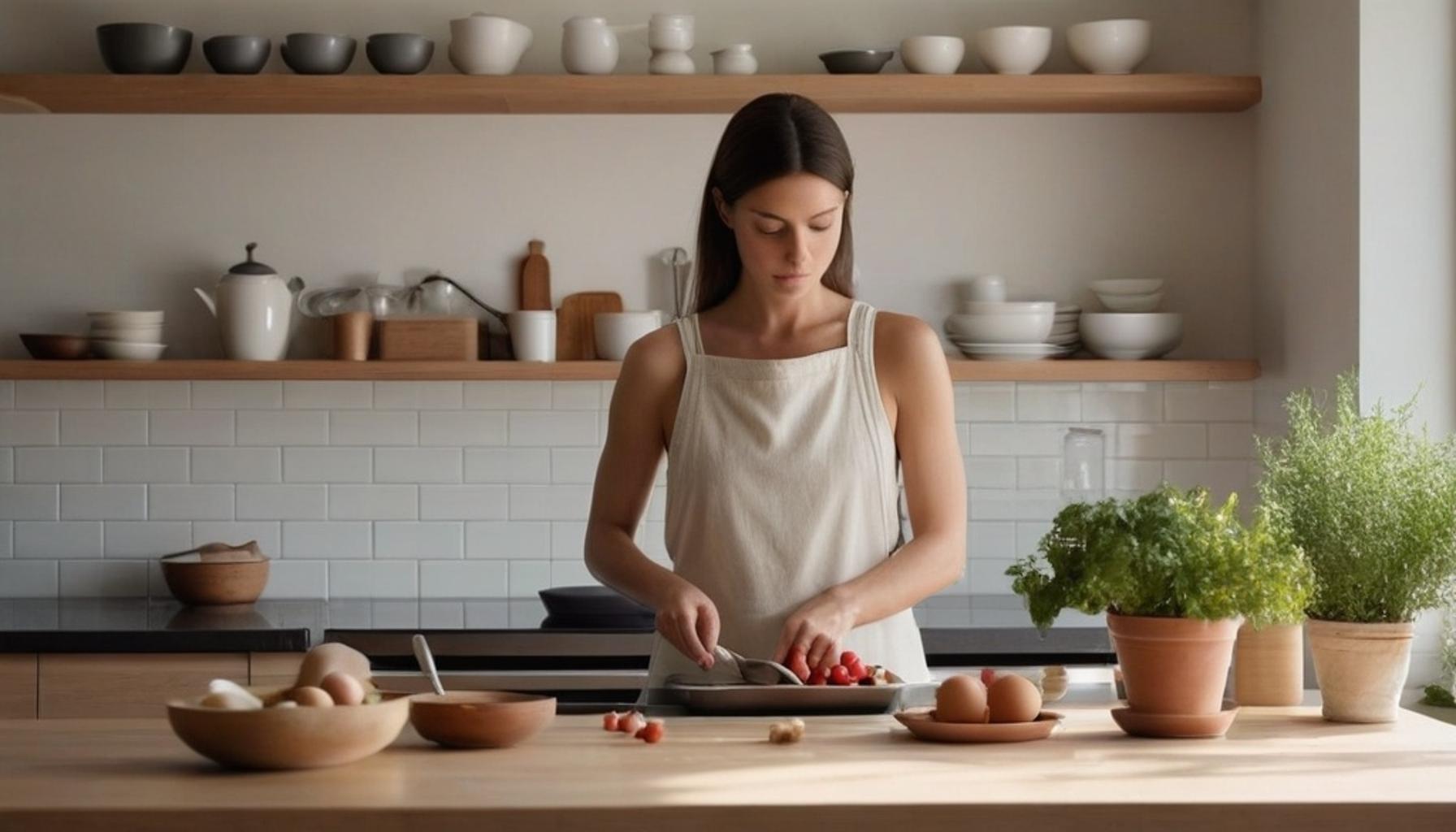
Creating a Clutter-Free Kitchen: Efficient Organization Techniques for Minimalist Home Chefs
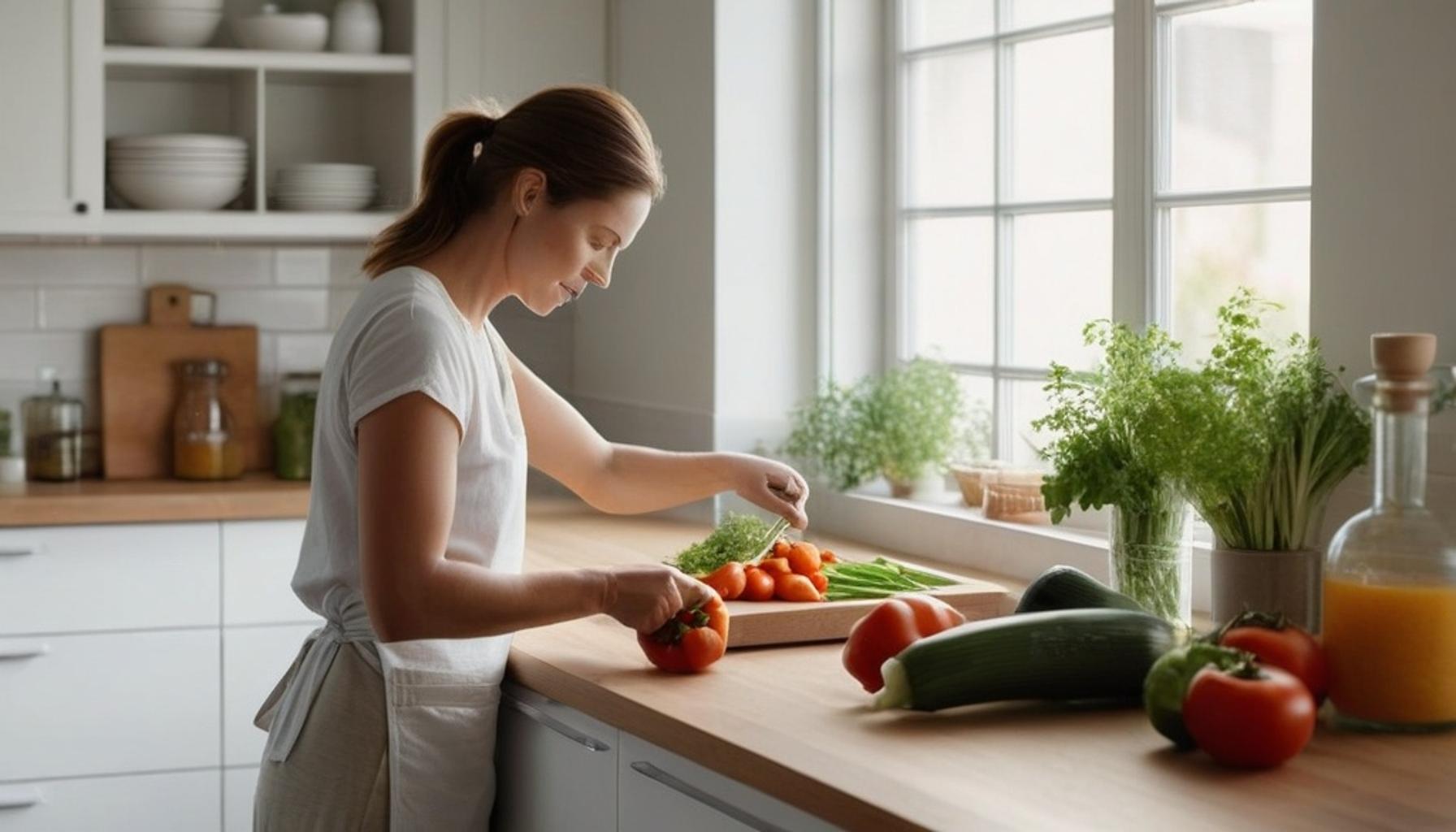
In American households, the kitchen, once the heart of family gatherings and culinary creativity, has increasingly morphed into a storage battleground. It’s not uncommon to find kitchens filled with gadgets, tools, and appliances that remain untouched for months, occupying precious counter and cabinet space. This overwhelming clutter inhibits creativity and makes cooking feel like a chore rather than a delight.
A Clutter-Free Kitchen goes beyond visual appeal — it is about reclaiming precious time, mental clarity, and usable space. For instance, studies have shown that decluttering can cut down the time spent on daily tasks by nearly 20 percent. This statistic underscores an essential truth: when a workspace is organized and focused, productivity increases and stress decreases.
What Minimalist Home Chefs Already Know
Interestingly, professional chefs and minimalist home cooks have long known a core principle: efficiency begins long before any ingredients are prepped. Their kitchens are optimized for performance because they are constructed with care, limiting the quantity of items to maximize function.
- Fewer tools, better function — Consider the power of having one high-quality chef’s knife instead of a drawer filled with dull, rarely used ones. A sharp knife not only makes food preparation easier but also safer, as it requires less force and minimizes the chances of slipping.
- Zoned storage — Effective kitchens are designed with distinct zones for preparation, cooking, and cleaning. This organization ensures that everything needed for a particular task is at hand, thus reducing time wasted searching for tools or ingredients.
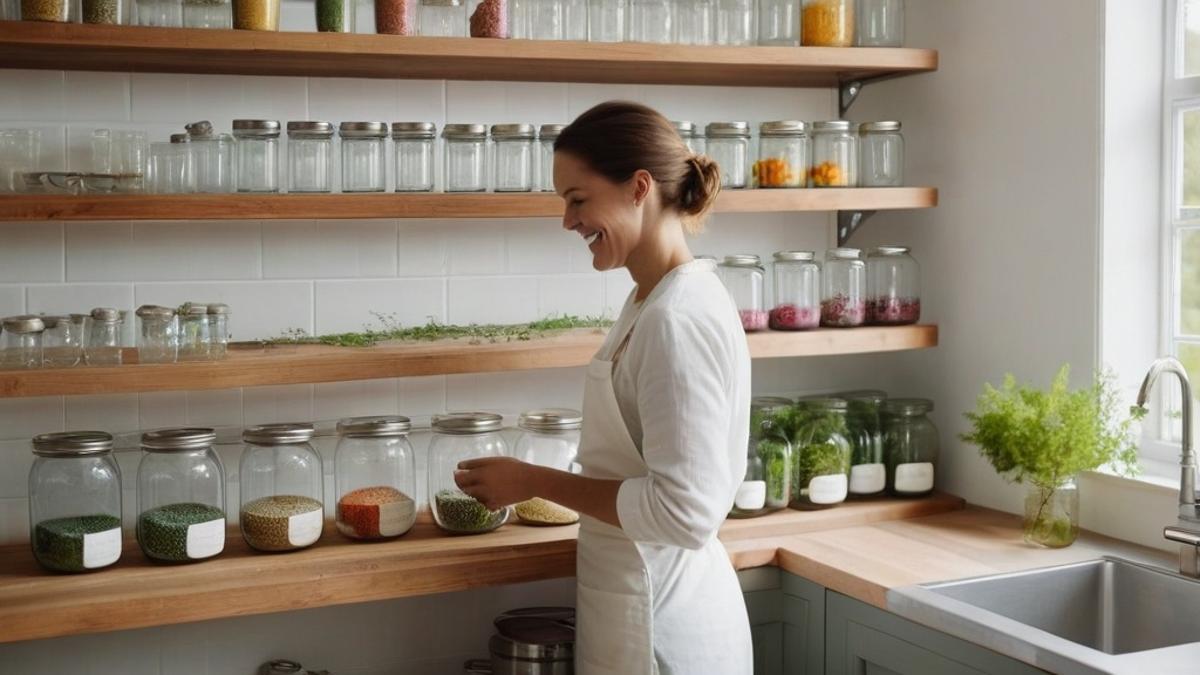
- Visible inventory — When pantry items and spices are clearly visible, cooks can prevent waste by using ingredients before they expire. Organized shelving systems that display items not only streamline cooking but also help maintain a healthy kitchen environment.
This article explores kitchen organization techniques that transform chaotic countertops into functional workstations through practical insights and actionable advice. Readers will uncover not only minimalist strategies but also essential design principles that are applied in professional culinary settings.
What You’ll Learn
Prepare for a deep dive into transformative kitchen organization strategies that prioritize functionality while advancing your cooking creativity. Insights include:
- How to declutter your kitchen in a single weekend using an effective sorting method that categorizes items by necessity and frequency of use.
- Efficient kitchen storage solutions that cater to both cramped apartments and spacious, open-concept homes, allowing every chef to maximize their kitchen’s potential.
- Minimalist kitchen tips inspired by professional designs that advocate for simplification while enhancing culinary experiences.
By reimagining kitchen spaces with tailored organization techniques, even the most gadget-loving cooks can foster an environment that revitalizes their cooking process, transforming not just how they prepare meals but also how they experience the act of cooking itself.
DIVE DEEPER: Click here to discover innovative storage solutions
Walking into an average American kitchen, one might be struck by the sight of overflowing drawers, disorganized cabinets, and surfaces cluttered with an assortment of gadgets and utensils. Many households struggle with this, as highlighted by a 2022 survey from the National Association of Productivity and Organizing Professionals, which found that the typical U.S. household owns around 32 kitchen gadgets yet regularly uses only nine. This leaves an impressive amount of unused items taking up precious space and complicating the cooking process.This scenario is not merely a visual concern; it has tangible consequences on food preparation, meal planning, and even the overall enjoyment of cooking. A Clutter-Free Kitchen enables greater efficiency, reduces food waste, and can enhance one’s culinary experience.
Why Clutter Sabotages the Cooking Experience
Clutter can become a significant hindrance in the kitchen, often in subtle ways that may go unnoticed until they culminate in frustration.
- Decision fatigue — With counters overwhelmed by unnecessary items, the cognitive load increases as the brain filters out the distractions. This phenomenon can feel demotivating, turning the simple act of meal preparation into an exhausting endeavor. When a cook encounters visual chaos, the initial excitement of trying out a new recipe dissipates.
- Wasted motion — The layout of a kitchen is crucial for efficient cooking. Known as the “kitchen work triangle,” the ideal positioning of the stove, sink, and refrigerator minimizes unnecessary movement. When clutter disrupts this triangle, it forces cooks to navigate around obstacles, leading to a less fluid cooking process and potential delays in meal preparation.
- Food waste — According to the USDA, American households waste an astonishing 30 to 40 percent of their food. Disorganized pantries heavily contribute to this alarming statistic, as clutter makes it easy for perishable items to be buried and forgotten. When ingredients are not easily accessible, they often spoil before they can be utilized.
The Psychology Behind Minimalist Cooking Spaces
Research in environmental psychology reveals that clutter competes for our attention, much like background noise can disrupt focus. A study published in the Journal of Environmental Psychology indicated that individuals who worked in chaotic environments experienced higher levels of cortisol, a hormone associated with stress, compared to those in organized settings.This understanding is why many minimalist home chefs gravitate toward streamlined cooking spaces. It signifies more than just an aesthetic choice; the objective is to minimize cognitive load, encouraging creativity and efficiency in the kitchen.For instance, consider the stark difference in experience when opening a spice cabinet filled with neatly labeled, alphabetized jars compared to searching through a chaotic collection of unlabeled containers. The former allows quick access to needed spices, whereas the latter could not only waste time but derail an entire recipe, leading to frustration and potential meal failure.
Recognizing these issues paves the way for actionable changes. To effectively tackle kitchen clutter, it is essential to adopt specific kitchen organization techniques that address the problem at its source. These techniques may include decluttering by regularly assessing which tools and appliances are truly necessary, implementing a systematic approach to pantry organization, and establishing designated zones for cooking, prep, and storage.
By understanding the profound impacts that clutter can have, both mentally and practically, individuals can begin to take steps towards a more organized, welcoming kitchen environment. A well-organized kitchen not only streamlines the cooking process but also revitalizes the joy of creating meals, ultimately enhancing the culinary experience for both novice cooks and experienced chefs alike.
DISCOVER MORE: Click here for innovative storage solutions
Practical Kitchen Organization Techniques That Actually Work
Transforming a chaotic kitchen into a Clutter-Free Kitchen does not require an expensive renovation. Instead, it demands intentional strategies that prioritize function over accumulation. Professional organizers and minimalist home chefs alike point to several proven methods that consistently deliver results.
The One-In, One-Out Rule
One of the simplest kitchen organization techniques involves a straightforward commitment: for every new item brought into the kitchen, an existing one must leave. This prevents the slow creep of gadgets that plagues so many American households.
Consider the immersion blender purchased for a single soup recipe, then relegated to the back of a drawer for years. Applying the one-in, one-out principle forces a moment of reflection before acquiring new tools, curbing impulse purchases that often go unused.
Zone-Based Storage for Maximum Efficiency
Restaurant kitchens have long relied on zone-based organization, and home cooks are increasingly adopting this model for efficient kitchen storage. Rather than scattering items by category alone, zones group tools according to their function within the cooking process.
- Prep zone — Cutting boards, knives, and mixing bowls stored near the counter space where food preparation occurs.
- Cooking zone — Pots, pans, and utensils positioned within arm’s reach of the stove.
- Storage zone — Pantry staples and bulk items organized in clear containers, arranged by frequency of use.
This method reduces unnecessary steps during meal preparation, directly addressing the wasted motion that clutter typically causes.
The 90-Day Test for Gadgets and Tools
Minimalist experts often recommend a simple audit: if an item has not been used in 90 days, it likely does not belong in an active kitchen space. This test proves particularly useful for specialty gadgets like avocado slicers, garlic presses, or electric egg cookers that promise convenience but rarely deliver consistent use.
Applying this rule aligns closely with the data from the National Association of Productivity and Organizing Professionals, which found that most households use less than a third of their kitchen tools regularly. Removing the remaining two-thirds can free up significant drawer and cabinet space.
Vertical Storage Solutions
Many American kitchens, particularly in apartments and older homes, suffer from limited counter and cabinet space. Vertical storage has emerged as one of the most effective minimalist kitchen tips for maximizing square footage without adding bulk.
Installing hanging racks for pots and pans, magnetic strips for knives, or stackable shelf organizers inside cabinets can dramatically increase usable space. According to a 2021 report from the National Kitchen and Bath Association, homeowners who incorporated vertical storage solutions reported a 25 percent increase in perceived kitchen space, even without structural changes.
Labeling and Transparent Containers
To declutter your kitchen pantry effectively, transparency matters. Transferring bulk goods like rice, pasta, and flour into clear, labeled containers not only creates a visually cohesive look but also prevents forgotten ingredients from expiring unnoticed.
This practice directly combats the food waste crisis mentioned earlier, giving cooks an immediate visual inventory of what is available before grocery shopping or meal planning.
DIVE DEEPER: Click here to discover innovative storage ideas
Building a Kitchen That Works for You, Not Against You
Achieving a lasting Clutter-Free Kitchen is less about perfection and more about consistency. The strategies outlined throughout this article, from zone-based storage to the 90-day gadget test, work best when treated as ongoing habits rather than one-time projects.
Kitchens naturally accumulate items over time. Birthday gifts, impulse buys, and hand-me-down cookware all find their way into cabinets. Without periodic reassessment, even the most organized space slowly reverts to clutter. Setting a seasonal reminder to revisit these kitchen organization techniques can prevent that backslide before it starts.
What separates successful minimalist home chefs from those who struggle is not access to better storage products but a shift in mindset. Every item earns its place through regular use, not sentimental value or hypothetical need. This principle alone eliminates much of the guesswork involved in deciding what stays and what goes.
Consider tracking kitchen habits for a month. Which tools get touched daily? Which containers sit untouched behind others? This kind of informal audit often reveals surprising patterns and reinforces which efficient kitchen storage methods genuinely serve daily cooking routines.
The benefits extend beyond aesthetics. A streamlined kitchen reduces meal prep time, minimizes food waste, and even lowers stress levels associated with cooking, a connection increasingly supported by researchers studying home environments and mental clarity.
Ultimately, learning to declutter your kitchen is an ongoing practice rather than a finished task. Small, consistent choices, like returning to the one-in, one-out rule or reassessing vertical storage every few months, compound over time into a space that feels both functional and calm.
For anyone ready to start, the most practical first step is simple: choose one drawer, one shelf, or one cabinet, and apply just one of these minimalist kitchen tips today. Momentum, more than any single technique, is what transforms a cluttered kitchen into one that truly supports the way people cook, eat, and live.
Frequently Asked Questions
What are some effective ways to declutter my kitchen before organizing it?
Start by removing everything from your cabinets and drawers. Evaluate each item and decide what to keep, donate, or discard. Focus on keeping only those items that you use regularly or truly love. This helps create a fresh slate for your organized kitchen.
How can I maximize space in a small kitchen while maintaining a clutter-free environment?
Utilize vertical space by installing shelves or hanging racks to store pots, pans, and utensils. Consider multifunctional furniture like an island with storage or a drop-leaf table. Additionally, use clear containers for pantry items to keep them visible and organized, reducing visual clutter.
What storage solutions are best for kitchen tools and appliances in a minimalist kitchen?
Opt for drawer organizers and magnetic strips to keep utensils and tools easily accessible yet out of sight. For appliances, consider storing them in a cabinet or on a countertop if used frequently, but invest in a quality storage solution like a rolling cart for less frequently used items.
How can I maintain a clutter-free kitchen after organizing it?
Establish a daily routine where you take a few minutes to put items back in their designated places. Implement a ‘one-in, one-out’ rule for new purchases, ensuring that every new item in your kitchen replaces something you no longer need. Regularly assess your kitchen items every few months to keep clutter at bay.
What organizational tools can help me achieve a clutter-free kitchen?
Invest in clear storage bins for pantry items, drawer dividers for utensils, and tiered shelving or lazy Susans for spices. Label each container for easy identification and consider wall-mounted racks or pegboards to keep frequently used items within reach while saving counter space.
Are there specific techniques to organize my pantry for a minimalist kitchen?
Group similar items together, like snacks, grains, and canned goods, to streamline your pantry organization. Use clear, stackable bins for bulk items to optimize space, and add labels for quick identification. Periodically rotate items and check expiration dates to ensure your pantry remains clutter-free and efficient.

Beatriz
Beatriz Johnson is a seasoned minimalist and writer with a passion for simplifying the complexities of personal organization and intentional living. With over a decade of experience in decluttering strategies and mindful consumption, she specializes in topics like space optimization, habit simplification, and sustainable lifestyle choices. Through her work on our website, Beatriz empowers readers to embrace minimalism, reduce mental and physical clutter, and create more meaningful, organized lives in today's fast-paced world.