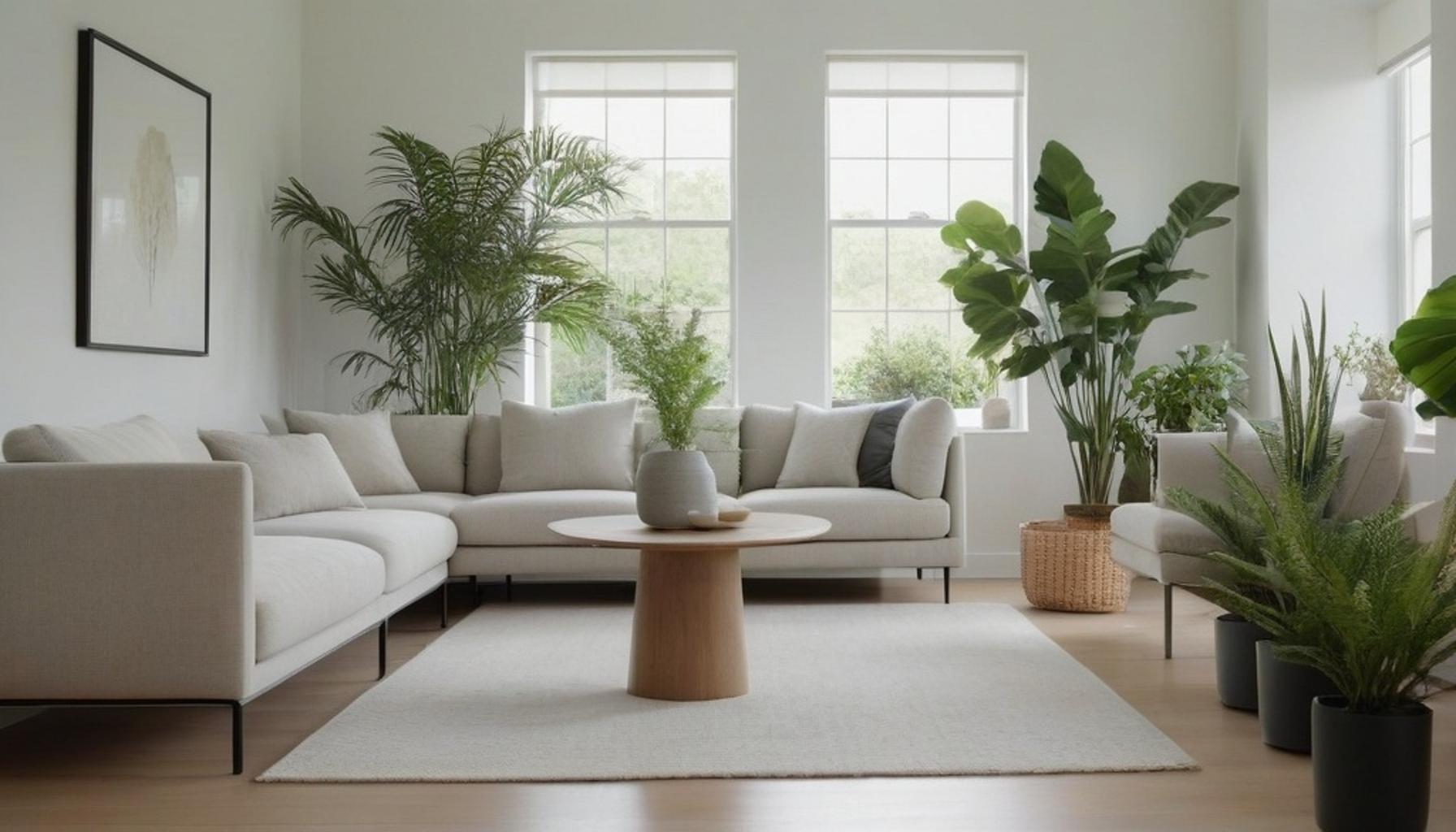
Decluttering Techniques: Transforming Your Bedroom into a Peaceful Sanctuary
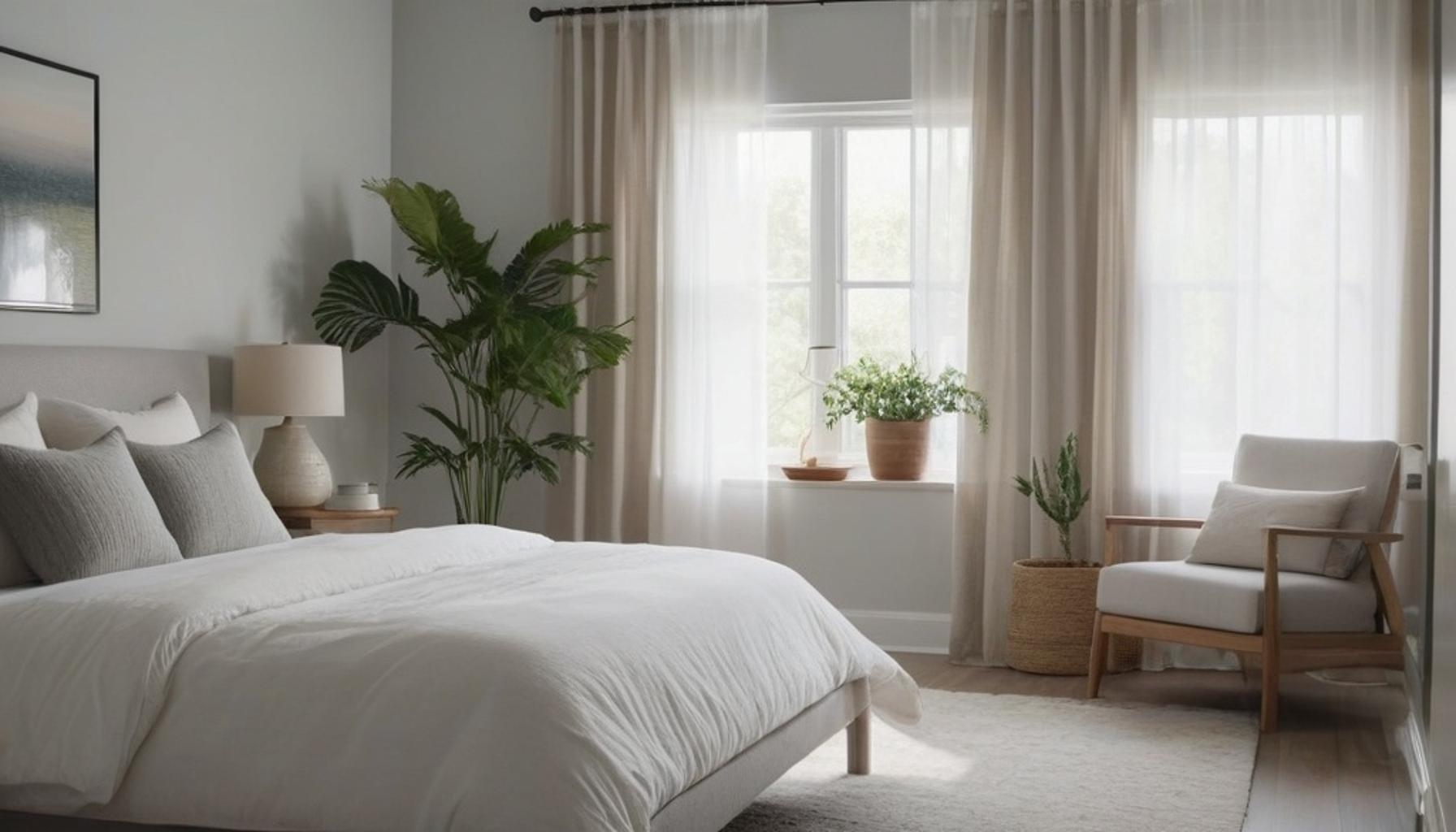
Why Your Bedroom Deserves a Decluttering Overhaul
Americans spend nearly a third of their lives sleeping, yet many bedrooms across the United States resemble storage units rather than restful retreats. Piles of laundry, cluttered nightstands, and overstuffed closets quietly chip away at sleep quality and mental clarity. The good news? A few strategic decluttering techniques can completely transform this space and turn it into the serene environment that promotes relaxation and restorative sleep.
The Hidden Cost of a Cluttered Bedroom
Research from the Journal of Environmental Psychology links cluttered living spaces to higher cortisol levels and disrupted sleep patterns. Essentially, what this means is that the state of our surroundings can significantly impact our mental and emotional well-being. Your bedroom should be a sanctuary, not another source of stress.
Consider these common culprits behind bedroom chaos:
- Overflowing closets packed with clothes rarely worn, which can leave you feeling overwhelmed each time you try to find something you need.
- Nightstands buried under books, chargers, and miscellaneous items, making it hard to unwind before sleep or find essentials quickly.
- Dressers cluttered with knick-knacks and forgotten paperwork that take up valuable space and contribute to a sense of disorder.
- Under-bed storage turned into a black hole of forgotten belongings, where items collect dust rather than serving a purpose.
What This Guide Will Cover
Learning how to declutter a bedroom effectively goes beyond simply tidying up. It requires intentional systems and sustainable habits that can aid in achieving lasting change.
This article explores practical bedroom organization tips, including:
- Proven methods to create a peaceful bedroom environment, such as utilizing calming colors and eliminating distractions.
- Simple minimalist bedroom ideas that maximize space by incorporating multifunctional furniture, allowing more room to breathe.
- Steps for building a stress-free bedroom setup that supports better sleep, including limiting screen time before bed and establishing relaxing bedtime routines.
For instance, adopting the “one in, one out” principle can help maintain an organized closet. Every time you buy a new item, consider donating or discarding one you no longer use. This method not only prevents accumulation but also gives a sense of accomplishment and clarity.
Furthermore, maintaining a consistent decluttering schedule, such as a monthly clean-out day, can help keep your bedroom from descending back into chaos. Frequent assessment of your belongings makes it easier to let go of items that no longer serve you.
Ready to reclaim your space and your peace of mind? Let’s dive into the techniques that make lasting change possible. Transforming your bedroom may not only enhance your sleep quality but may also improve your overall well-being, making it a worthwhile investment of time and effort.
DISCOVER: Click here for innovative storage ideas
Starting with a Strategy: The Foundation of Effective Decluttering
When it comes to decluttering, jumping in without a well-thought-out plan can often lead to overwhelming chaos instead of refreshing organization. Many people have found themselves knee-deep in clutter only to realize they have moved items from one place to another without making any substantive decisions. To prevent this common pitfall, having a structured strategy is crucial. Rather than leap into action, the most successful decluttering efforts begin with an assessment of what one has and what can be discarded or reorganized. This thoughtful approach not only saves time but also fosters a sense of accomplishment.
The Four-Box Method: A Practical Starting Point
A popular and effective strategy employed by many professional organizers across the United States is the Four-Box Method. This approach requires simply four boxes or bins that are clearly labeled, streamlining the decluttering process. It’s considered a practical tool that minimizes confusion and enhances decision-making efficiency.
- Keep: This category should include items that have been used within the last six months or those with significant sentimental value. Think about photographs, heirloom jewelry, or books that have profoundly impacted your life.
- Donate: This box is for items, such as clothes, books, and decor, that are in good condition but are no longer useful or meaningful to you. Donating these items not only helps others but can also provide a sense of fulfillment.
- Trash: Broken items, expired products, or things that have seen better days should be disposed of without hesitation. This can include everything from old cosmetics to damaged kitchenware.
- Relocate: Often, belongings find their way into inappropriate spaces. This box is for items like office supplies that belong in a study, or even kitchenware that mistakenly ended up in the bedroom.
This method reduces decision fatigue, which studies suggest can be reduced by nearly 40 percent when faced with large organizational tasks. Such an efficient categorization process is vital when contemplating how to declutter a bedroom effectively while keeping frustration at bay.
Zone-by-Zone: Breaking the Room into Manageable Sections
An all-too-common mistake is attempting to declutter an entire bedroom in one go. Instead, an effective way to approach this task is to break the space into manageable zones — such as the closet, nightstands, dresser tops, and under-bed storage. By focusing on one zone at a time, the task becomes less daunting and more sustainable.
For instance, dedicating just 20 minutes to clear out a cluttered nightstand can transform your bedtime routine into a calming experience. Such a zone-based approach proves especially beneficial for individuals with hectic schedules. It allows small, manageable tasks that easily fit into your day, rather than requiring an exhausting weekend commitment.
Once you establish the different zones, it can lead to a gradual and complete creation of a peaceful bedroom environment, which is often more feasible than embracing an all-or-nothing mindset. This incremental progress not only cultivates a more organized space but also helps develop habits that deter clutter from reappearing in the future. Consistency is the invaluable ally in maintaining an orderly setting.
In conclusion, starting with a clear strategy is the bedrock of effective decluttering. The Four-Box Method and the zone-by-zone approach are two practical techniques that many find immensely helpful in their journey towards a tranquil and clutter-free living space. If you are ready to embark on your decluttering adventure, consider these strategies as foundational elements for achieving a serene home environment.
| Decluttering Techniques | Benefits |
|---|---|
| The 4-Box Method | Organizes belongings into categories: Keep, Donate, Throw Away, and Unsure. This method streamlines decision-making, leading to faster bedroom organization. |
| Digital Decluttering | Clear out digital devices and backups to create a minimalist space that focuses on relaxation. A clean digital environment contributes to overall stress-free bedroom setup. |
| Minimalist Bedroom Ideas | Adopting a minimalist approach encourages fewer distractions and promotes tranquility, making it easier to create a peaceful bedroom. |
| Regular Maintenance | Setting a weekly routine for decluttering helps maintain order, ensuring your bedroom remains a calming space for rest and rejuvenation. |
DISCOVER: Click here to explore smart storage solutions
Smart Storage Solutions and Sustainable Habits for a Lasting Transformation
Once a strategy is in place, the next phase of mastering decluttering techniques involves rethinking how storage is utilized. Many American bedrooms, especially in urban apartments where square footage runs at a premium, suffer not from having too many belongings but from having too few designated spaces for them. Addressing this imbalance is essential to sustaining any decluttering effort.
Vertical Space: The Overlooked Storage Frontier
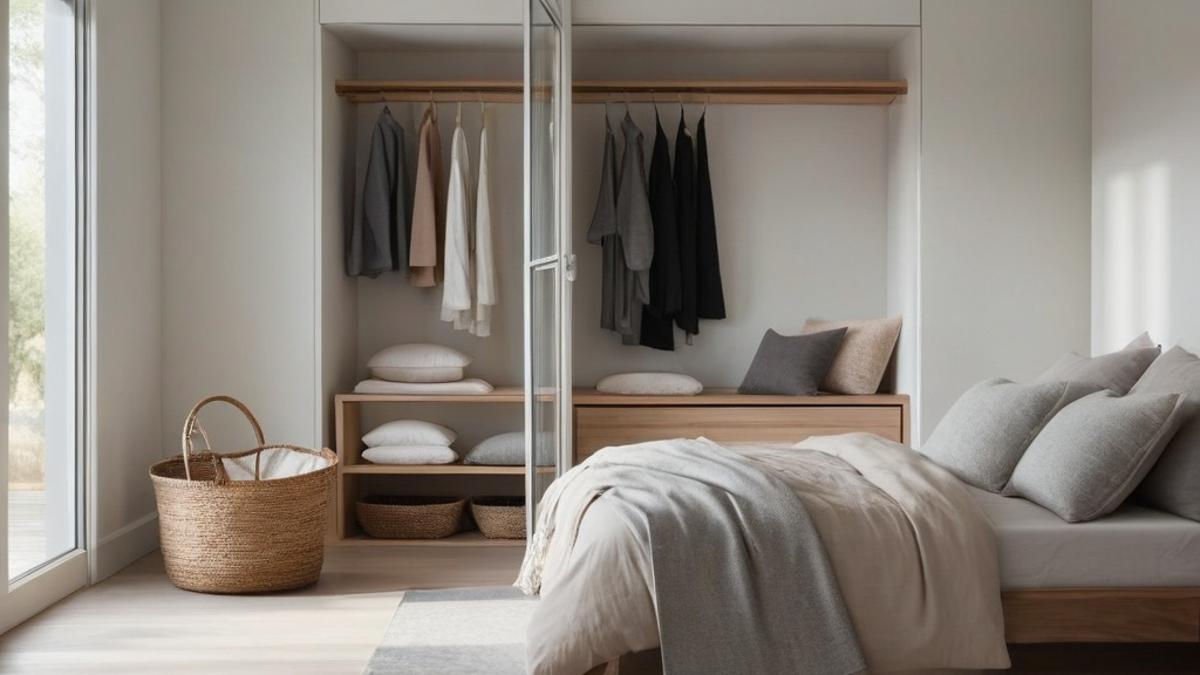
Interior designers frequently point out that most homeowners only utilize the bottom half of their closets and walls, leaving significant vertical real estate untouched. Installing floating shelves above a dresser, using over-the-door organizers, or adding stackable bins on closet shelving can dramatically increase storage capacity without requiring any structural changes.
Consider that the average closet in a U.S. home measures just under six feet wide, yet vertical space often extends eight feet or higher. This unused zone represents one of the simplest bedroom organization tips for reclaiming functional space, particularly in smaller homes common across cities like New York, Boston, or San Francisco.
The 90/90 Rule: A Data-Driven Decision Filter
Professional organizers often reference the 90/90 rule as a companion to broader decluttering frameworks. The premise is straightforward: if an item hasn’t been used in the past 90 days and there’s no reasonable expectation it will be used in the next 90, it likely doesn’t belong in your primary living space.
This rule proves particularly useful for clothing, which studies show is worn regularly by only about 20 percent of a person’s total wardrobe. Applying this filter to bedroom closets can help residents identify minimalist bedroom ideas that align with actual lifestyle needs rather than aspirational ones.
Building a Stress-Free Bedroom Setup Through Daily Habits
Decluttering isn’t a singular event; it’s an ongoing practice. Establishing small daily rituals can prevent clutter from creeping back into a freshly organized space. Some practical habits include:
- The one-in, one-out rule: For every new item brought into the bedroom, one existing item should be donated, sold, or discarded.
- The two-minute reset: Spending just two minutes each morning making the bed and clearing surfaces can prevent small messes from accumulating into overwhelming piles.
- Weekly surface checks: Designating one day, such as Sunday evening, to quickly scan nightstands and dressers for items that have drifted out of place.
These habits, though simple, are the backbone of a stress-free bedroom setup that doesn’t require constant deep-cleaning sessions. According to organizational psychologists, environments with visible clutter can elevate cortisol levels, making consistent upkeep not just an aesthetic choice but a wellness one.
By combining smart storage solutions with sustainable daily practices, homeowners can ensure their decluttering results last well beyond the initial cleanup, creating a bedroom that genuinely functions as a restorative retreat.
DON’T MISS OUT: Click here for more insights
Turning Insight Into Action: The Path to a Genuine Sanctuary
Transforming a bedroom into a true retreat is rarely about one dramatic overhaul. Rather, it’s the accumulation of intentional choices, thoughtful storage decisions, and consistent habits that ultimately reshape a space into something restorative.
Throughout this discussion, one theme has remained constant: decluttering techniques work best when they’re treated as an evolving system rather than a one-time weekend project. From identifying which items genuinely serve a purpose to reclaiming overlooked vertical storage, every step contributes to a bedroom that feels lighter and more functional.
Reframing Clutter as a Signal, Not a Flaw
Rather than viewing clutter as a personal failing, it’s more useful to see it as feedback. A pile of clothes on a chair or an overflowing nightstand often signals a missing system, not a lack of discipline. Recognizing this shift in perspective makes the process of learning how to declutter a bedroom feel less like punishment and more like problem-solving.
This mindset also opens the door to creativity. Instead of asking “what should I throw away,” residents can start asking “what layout would actually support how I live.” That question alone often leads to smarter, more personalized minimalist bedroom ideas than any generic checklist could provide.
Why Consistency Outperforms Intensity
Research on habit formation suggests that small, repeated actions create more durable change than occasional bursts of effort. This holds true for bedroom upkeep as well. A two-minute morning reset or a weekly surface check may seem minor, but compounded over months, these actions prevent the slow return of chaos.
Ultimately, those who successfully create a peaceful bedroom tend to treat organization as maintenance, not crisis management. The result is a stress-free bedroom setup that supports better sleep, reduced anxiety, and a space that feels earned rather than staged, proof that lasting calm is built one deliberate habit at a time.
Frequently Asked Questions
What are some effective decluttering techniques to start with in my bedroom?
Begin by sorting items into categories such as keep, donate, and discard. Focus on one section at a time, like your closet or nightstand, and use the ‘one-year rule’—if you haven’t used it in a year, consider letting it go. Additionally, try the ‘four-box method,’ where you have four boxes labeled keep, donate, sell, and trash to streamline the process.
How can I maintain a clutter-free bedroom after using decluttering techniques?
To maintain a clutter-free space, establish a daily tidying routine that includes putting things back in their designated places. Implement a ‘one in, one out’ rule—when you bring a new item into your bedroom, make sure to remove an existing item. Regularly reassess your belongings every few months to ensure everything still serves a purpose.
What psychological benefits can I expect from implementing decluttering techniques in my bedroom?
Implementing decluttering techniques can lead to reduced stress and anxiety levels by creating a calm and organized environment. A clean space promotes better sleep and concentration, making your bedroom a true sanctuary. Additionally, the sense of accomplishment from decluttering can boost your overall mood and motivation.
Are there any specific decluttering techniques recommended for small bedrooms?
In small bedrooms, prioritizing multifunctional furniture is crucial, like a bed with storage drawers or a nightstand that doubles as a workspace. Use vertical storage solutions like wall shelves or hooks to maximize space effectively. Consider a ‘capsule wardrobe’ approach to streamline clothing choices and reduce the volume of items in your bedroom.
How do I decide what to keep or discard using decluttering techniques?
When deciding what to keep, consider factors such as frequency of use, emotional connection, and the item’s functionality. Ask yourself if the item contributes to the peaceful sanctuary you want in your bedroom. If you’re uncertain, try the Marie Kondo method which encourages keeping only those items that ‘spark joy.’

Beatriz
Beatriz Johnson is a seasoned minimalist and writer with a passion for simplifying the complexities of personal organization and intentional living. With over a decade of experience in decluttering strategies and mindful consumption, she specializes in topics like space optimization, habit simplification, and sustainable lifestyle choices. Through her work on our website, Beatriz empowers readers to embrace minimalism, reduce mental and physical clutter, and create more meaningful, organized lives in today's fast-paced world.