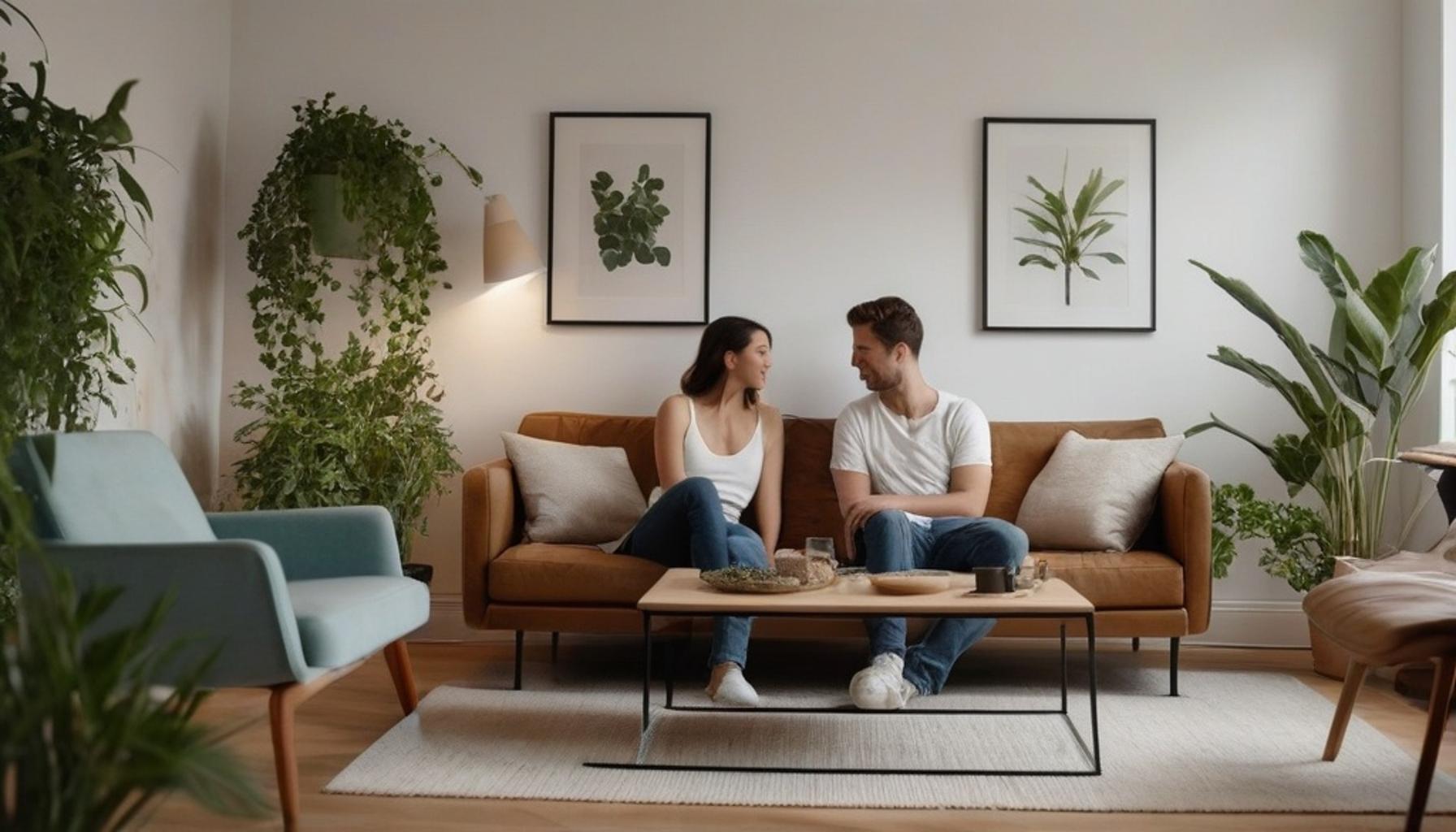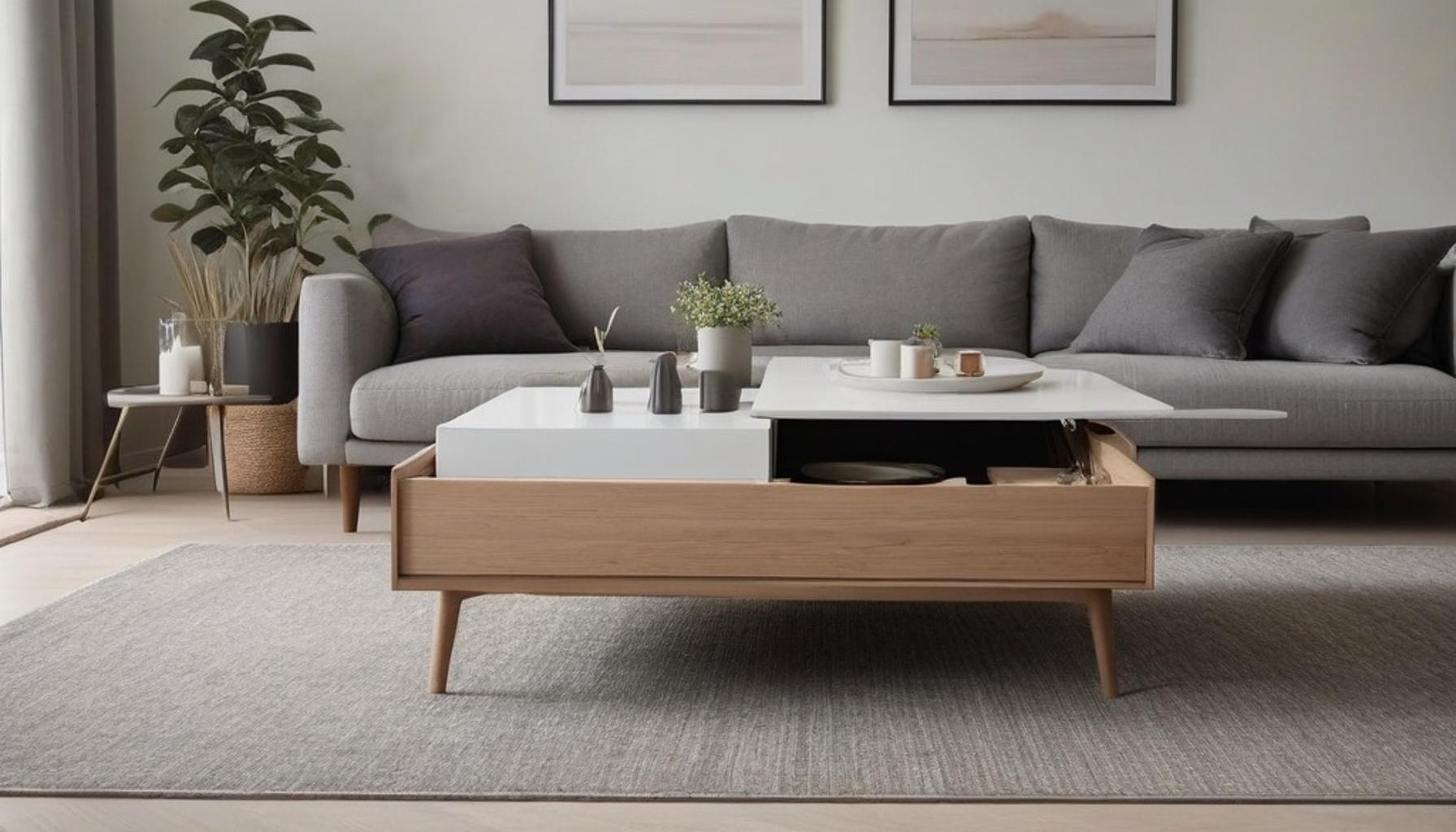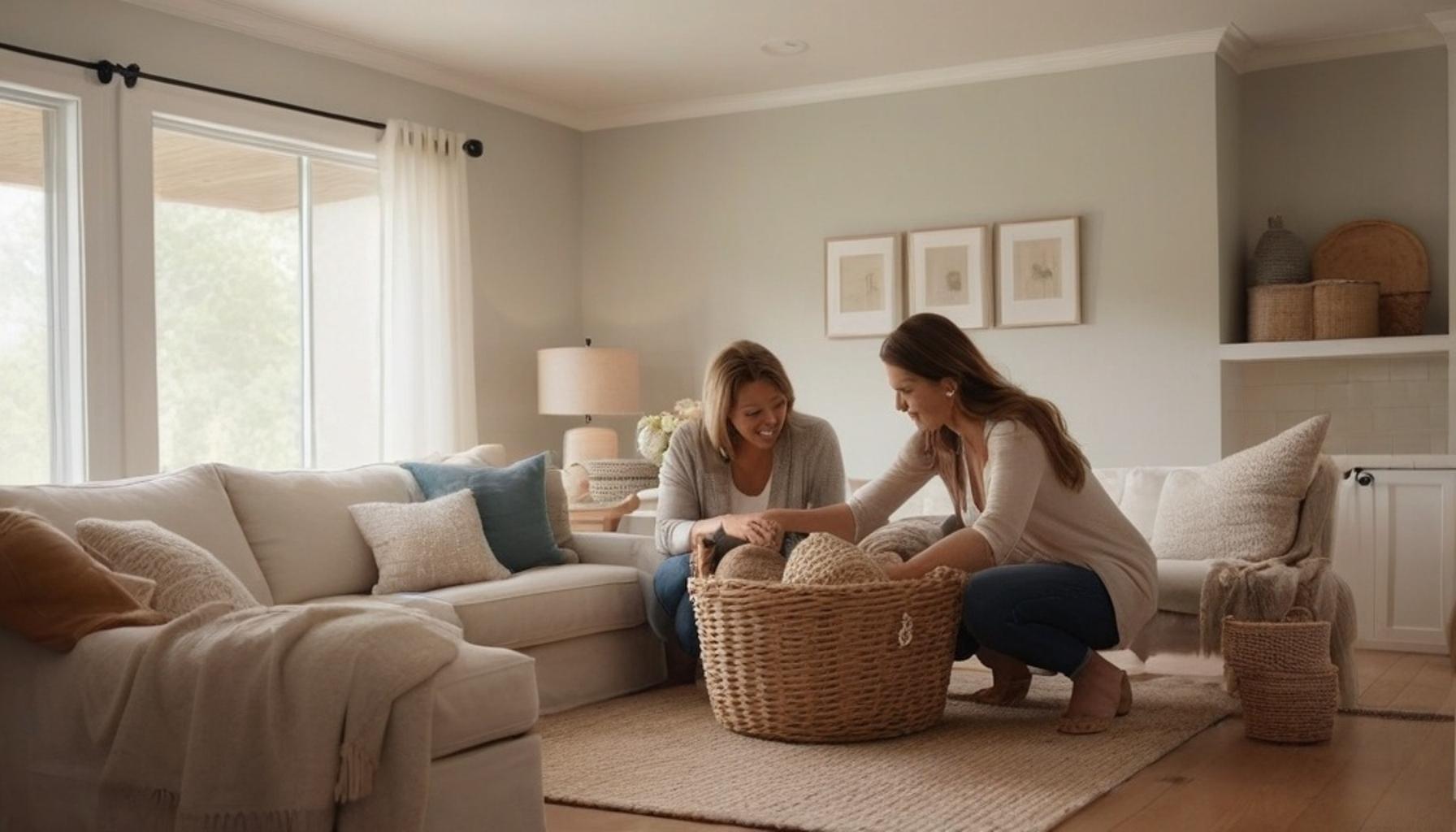
Functional Design: Organizing Your Home with Multifunctional Furniture and Space Optimization
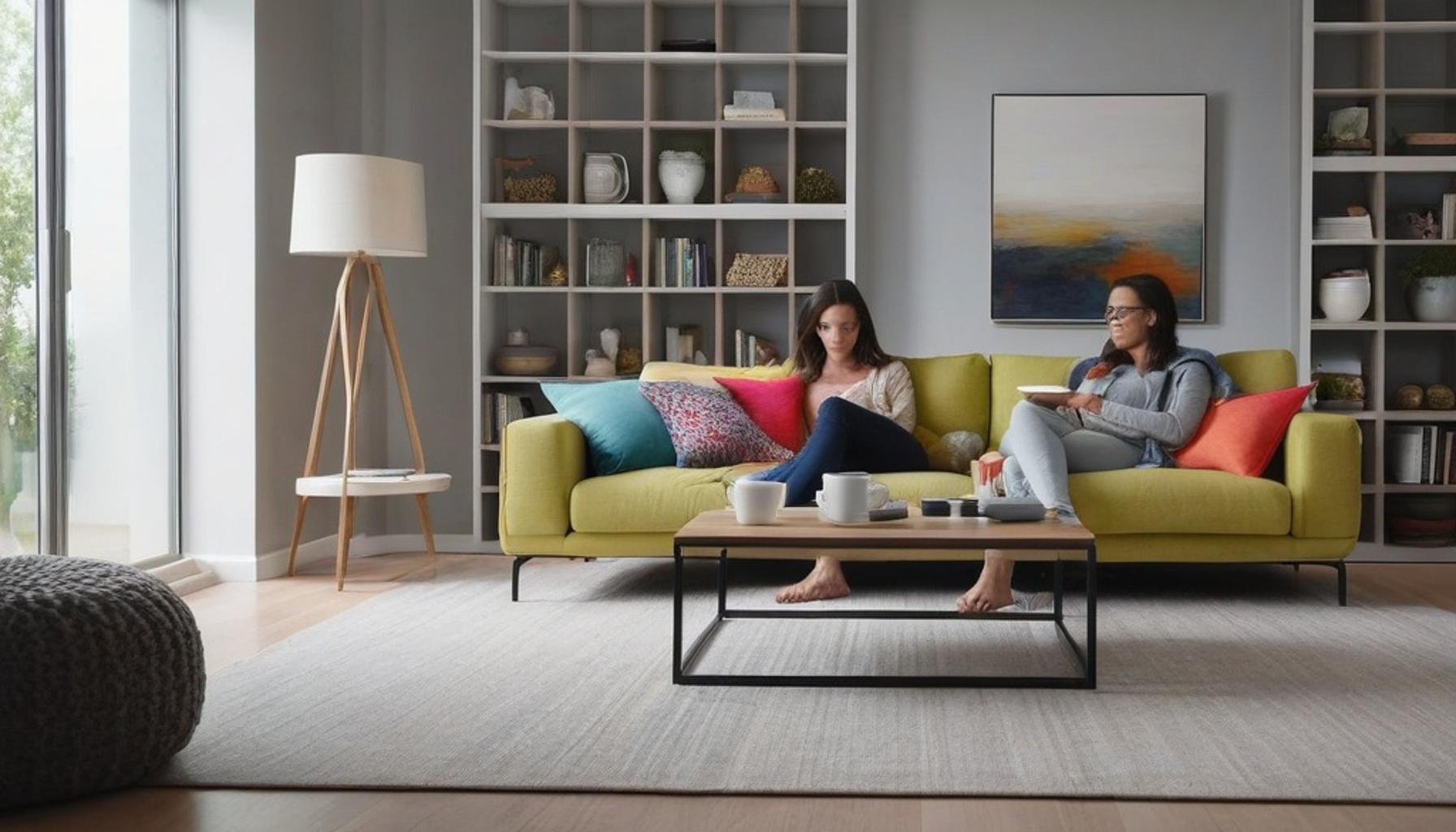
Rethinking How Americans Live in Smaller Spaces
The trend towards smaller living spaces among Americans is more than just a passing fad. The average size of new U.S. homes has been shrinking, driven by soaring rents in major urban centers like New York City and San Francisco, where housing affordability is increasingly challenging. This scenario has elevated Functional Design to the forefront of modern living solutions, pushing homeowners and renters to rethink how they utilize their spaces.
In response to the constraints of urban living, many are discovering that multifunctional furniture can turn cramped apartments into efficient and comfortable homes. No longer does the focus solely rest on visual appeal; it’s now about optimizing every inch available. This transition is about embracing versatility, with pieces that can serve more than one purpose and easily adapt to various needs.
What This Article Covers
In this guide, you will explore practical strategies for creating smarter living environments. Key components include:
- Proven space optimization tips for studios, small apartments, and compact homes that help maximize functionality.
- Real examples of furniture that saves space, such as murphy beds that fold away seamlessly and nesting tables that can be compactly tucked together when not in use.
- Creative home organization ideas that enhance storage while maintaining a visually appealing aesthetic, such as utilizing vertical space with shelves and decorative bins.
- Design principles behind successful small space design projects that focus on minimalism, light, and multifunctionality.
Consider this: a single storage ottoman can replace a coffee table, provide additional seating, and double as a hidden storage area—all in one compact form. By applying this kind of innovative thinking throughout your home, you can unlock the full potential of your living space.
No matter if you are furnishing a 400-square-foot studio or looking to declutter a bustling family room, Functional Design offers solutions that blend style with practicality. The upcoming sections will delve into specific strategies that can help transform your home, illustrating how smart design can lead to improved livability and overall satisfaction.
DISCOVER MORE: Click here to dive deeper
The Anatomy of a Multifunctional Room
Walk into any well-designed small apartment in Chicago or Austin, and you’ll notice something: nothing is doing just one job. This is the core principle behind Functional Design—every object earns its square footage by serving multiple purposes.
Interior designers who specialize in small space design often start with a simple audit. They ask: what furniture in this room could be replaced by something smarter? A bulky armchair might become a convertible sleeper chair. A plain console table might transform into a fold-out desk with hidden drawers.
Breaking Down the Room by Function, Not Furniture
Rather than thinking “living room” or “bedroom,” experts suggest thinking in terms of activities. A single 300-square-foot space might need to support:
- Sleeping, through a wall-mounted murphy bed or a daybed with pull-out storage.
- Working, via a drop-leaf desk that folds flat against the wall when not in use.
- Dining, using an extendable table that seats two on ordinary days and six during gatherings.
- Storing, with ottomans, benches, and under-bed drawers that hide everyday clutter.
This activity-based approach is one of the most effective space optimization tips because it forces a shift away from decorating room by room and toward designing around how people actually live.
The Data Behind the Trend
According to the U.S. Census Bureau, the median size of new single-family homes has declined in recent years, while apartment rental units in cities like Boston and Seattle continue to shrink in average square footage. At the same time, demand for furniture that saves space—like nesting tables, stackable chairs, and modular shelving—has surged on major retail platforms, with some categories reporting double-digit annual growth.
This isn’t just a design preference; it’s a practical response to economic pressure. Renters paying premium prices per square foot are looking for every possible way to stretch their living area further.
Small Changes, Measurable Impact
One of the more surprising home organization ideas gaining traction involves simply reassessing vertical space. Floating shelves, over-the-door organizers, and tall bookcases with built-in cabinets can add significant storage without consuming valuable floor area.
Consider a typical 500-square-foot studio. By swapping a traditional bed frame for a storage bed and replacing a coffee table with a lift-top ottoman, homeowners can reclaim an estimated 15 to 20 square feet of usable space—enough for a small home office nook or reading corner.
These incremental shifts illustrate why Functional Design continues to gain traction across the country, from micro-apartments in Manhattan to accessory dwelling units in Los Angeles.
DISCOVER MORE: Click here to explore
Choosing Multifunctional Furniture That Actually Works
Not every piece marketed as “space-saving” delivers on that promise. Designers who focus on small space design warn that some multifunctional furniture sacrifices comfort or durability for the sake of a clever gimmick. Knowing what to look for separates a smart investment from a cluttered mistake.
Questions Worth Asking Before You Buy
Before adding another piece to a small apartment in Denver or a compact condo in Miami, homeowners should evaluate function against real daily habits. A few practical questions help:
- Will this item be used for its secondary function at least once a week, or will it sit unused?
- Does the transformation—folding, sliding, stacking—take less than a minute to complete?
- Can one person operate it without straining or needing a second set of hands?
- Is the storage compartment large enough to hold something beyond seasonal decorations?
These questions matter because furniture that saves space only earns its place if it’s genuinely used, not just admired in a showroom.
Materials and Build Quality Matter More Than Trend
Convertible furniture typically endures more mechanical stress than static pieces. A sofa bed gets folded and unfolded hundreds of times a year; a wall-mounted table gets raised and lowered daily. Consumer Reports and other product testing organizations consistently note that hinges, hydraulics, and joints are the first components to fail in low-quality multifunctional furniture.
For that reason, many professional organizers recommend prioritizing solid wood frames, metal hinges rated for repeated use, and upholstery with abrasion-resistant fabric. Spending slightly more upfront on a well-built storage bench or Murphy bed often costs less over a five-year period than replacing a cheaper version twice.
Room-Specific Strategies Worth Trying
Different rooms call for different space optimization tips. In kitchens, pull-out pantry units and rolling islands with fold-down leaves add prep space without permanent footprint. In bathrooms, over-the-toilet cabinets and corner shelving units capture storage that’s often overlooked. In entryways, a bench with built-in shoe storage combines seating with organization in one compact unit.
Even home offices—now permanent fixtures in many U.S. households since remote work became standard—benefit from these home organization ideas. A wall-mounted desk that folds away after work hours can return a bedroom or living room to its primary function within seconds.
Across every room, the underlying goal of Functional Design remains consistent: reduce wasted space without reducing quality of life.
Rethinking Space as an Investment, Not a Constraint
The shift toward Functional Design reflects something bigger than a passing home trend. With the average size of new U.S. apartments shrinking by nearly 5% over the past decade, according to RentCafe data, Americans are being asked to live well in smaller footprints. Multifunctional furniture and thoughtful layout choices aren’t just clever—they’re becoming necessary.
What Ties These Strategies Together
Every idea covered, from convertible sofa beds to wall-mounted desks, points to the same principle: a home should adapt to its occupants, not the other way around. Space optimization tips like vertical shelving or nesting furniture only matter if they solve a real daily friction point, whether that’s a cramped kitchen counter or a living room that doubles as a guest bedroom.
The most successful home organization ideas share a common thread: they reduce decision fatigue. When storage has a designated place and furniture serves more than one purpose, homeowners spend less energy managing clutter and more time actually living in their space.
A Few Final Considerations
Before investing in another piece of furniture that saves space, it’s worth stepping back and mapping out how each room gets used across a full week, not just a weekend. Patterns often reveal that a guest room sits empty eleven months a year, or that a dining table rarely seats more than two people on a typical Tuesday night.
- Prioritize pieces with multiyear durability over short-term visual appeal.
- Measure twice—literally—before committing to built-in or convertible furniture.
- Revisit your layout every year or two as routines and household needs shift.
Ultimately, small space design isn’t about squeezing more into less. It’s about making intentional choices that let a home function smarter, adapt faster, and feel less cluttered no matter its square footage.
Frequently Asked Questions
What types of multifunctional furniture are best for small living spaces?
In small living spaces, consider furniture that can serve multiple purposes, such as a sofa bed, an ottoman with storage, or a dining table that can expand. Built-in shelves and foldable tables also help maximize space while providing functionality. Look for items that blend seamlessly into your decor to maintain a cohesive look.
How can I incorporate functional design principles in my home office?
To incorporate functional design in your home office, choose an adjustable desk that allows you to switch between sitting and standing. Use organizers that keep your workspace clutter-free and opt for shelves that can double as decorative elements. Additionally, invest in a chair that provides comfort for long hours while maintaining a stylish aesthetic.
What are some space optimization tips for maximizing storage in a small apartment?
To maximize storage in a small apartment, utilize vertical space by installing tall shelves and using wall-mounted storage solutions. Invest in furniture that doubles as storage, like a bed with drawers underneath or a coffee table with hidden compartments. Decluttering regularly and organizing your belongings by category can also free up valuable space.
How does functional design improve overall home organization?
Functional design improves home organization by promoting the use of space-efficient furniture and smart storage solutions that reduce clutter. It encourages thoughtful layout planning, allowing you to create defined areas for different activities. By prioritizing functionality, you enhance not only the aesthetic appeal but also the usability of your home.

Beatriz
Beatriz Johnson is a seasoned minimalist and writer with a passion for simplifying the complexities of personal organization and intentional living. With over a decade of experience in decluttering strategies and mindful consumption, she specializes in topics like space optimization, habit simplification, and sustainable lifestyle choices. Through her work on our website, Beatriz empowers readers to embrace minimalism, reduce mental and physical clutter, and create more meaningful, organized lives in today's fast-paced world.