Mindful Consumption: Strategies for Maximizing Space in a Minimalist Home
Rethinking How We Fill Our Homes
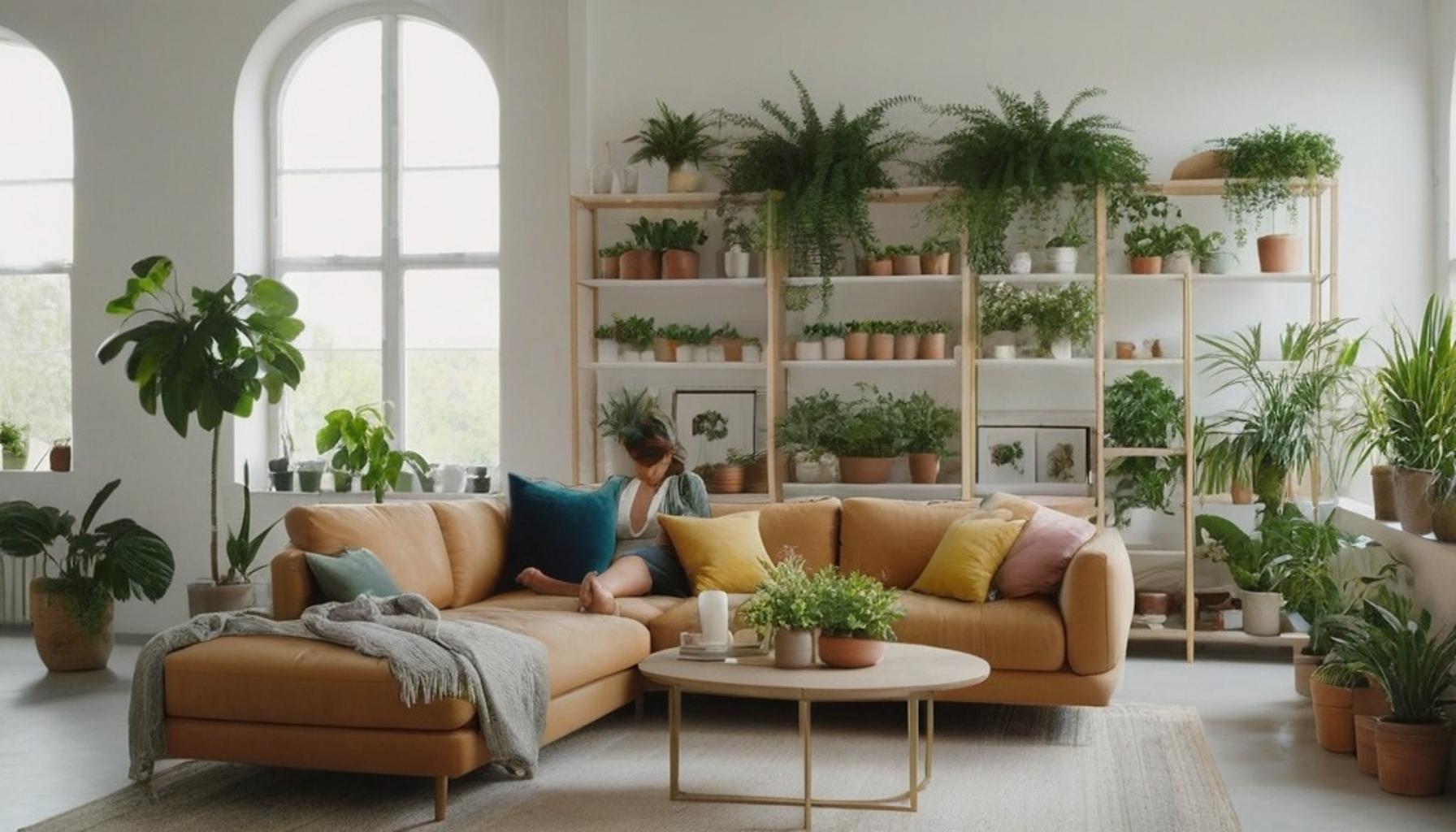
The average American home has nearly tripled in size since the 1950s, yet self-storage units are a booming billion-dollar industry. Something doesn’t add up. The concept of mindful consumption offers a refreshing perspective that can help us break this cycle of buying, storing, and ultimately forgetting our possessions.
Across the country, homeowners are waking up to the realization that square footage isn’t the real problem; rather, it’s how intentionally that space gets utilized. This paradigm shift challenges the notion that bigger is better. Instead, it emphasizes the importance of quality over quantity, encouraging us to make thoughtful decisions about the items we choose to welcome into our lives.
What This Article Covers
This guide ventures into effective minimalist home strategies that transcend the simple act of decluttering. Instead, it’s about forging a lasting relationship with our belongings, fostering an environment where each item serves a purpose and brings joy to our lives.
Readers will discover practical tips on how to:
- Apply proven decluttering tips that not only eradicate current messes but also prevent clutter from sneaking back in over time.
- Maximize space in home layouts without incurring the cost of expensive renovations, utilizing creative storage solutions and multi-functional furniture.
- Adopt mindful living practices that fundamentally reshape everyday purchasing habits, promoting a lifestyle focused on sustainability and intentionality.
- Embrace minimalism in home design to create rooms that feel open, functional, and inviting, illustrating the mantra that less truly can be more.
Why This Matters Now
With rising housing costs and the trend toward smaller urban apartments, making efficient use of our living spaces is more relevant than ever. Moreover, the increasing awareness of overconsumption has led many to seek lifestyles that are not only simpler but also more deliberate and fulfilling. This embrace of minimalism not only enhances our living environments but also promotes emotional well-being by reducing stress associated with disorganization.
The forthcoming sections will deconstruct specific, tested methods for transforming a cluttered house into a serene, purposeful home. By embracing these strategies, readers will foster spaces that reflect their values while enhancing their quality of life. So, let’s delve deeper and discover how small, intentional changes can lead to significant improvements in our living spaces.
DISCOVER MORE: Click here to learn more
# The Psychology Behind Every PurchaseBefore a single item crosses the threshold of your home, a decision has already been made somewhere in your brain. Understanding this decision-making process is the foundation of mindful consumption.Marketing psychologists estimate that the average American encounters between 4,000 and 10,000 advertisements daily. Each one is engineered to trigger a sense of need, scarcity, or urgency. Retailers know exactly which buttons to push, and impulse buying has become so normalized that many people don’t even recognize it as a habit anymore.This is where mindful living practices come into play. Rather than reacting automatically to marketing cues, mindful consumption asks us to pause and interrogate our motivations. Are we buying something because it genuinely improves our life, or because a countdown timer on a checkout page convinced us the deal wouldn’t last?## The One-In, One-Out RuleOne of the simplest yet most effective minimalist home strategies comes from a principle used by professional organizers nationwide: for every new item brought into the home, an existing item must leave.This rule works because it forces a moment of reflection. Suddenly, that third coffee mug or fifth throw pillow requires justification. Does it replace something worn out, or is it simply excess?Consider applying this method to common categories where clutter tends to accumulate:
- Clothing: A new sweater means donating one that no longer gets worn.
- Kitchen gadgets: That new air fryer attachment replaces an appliance gathering dust in the cabinet.
- Books and media: Digital libraries can often replace physical shelves entirely.
- Décor items: A new piece of art means retiring another, keeping visual space uncluttered.
Households that adopt this rule consistently report a noticeable reduction in accumulated clutter within just a few months, according to professional organizing surveys conducted across major U.S. metropolitan areas.## Quality Over Quantity: The Real MathFast furniture and disposable home goods have flooded the American market over the past two decades. A particleboard bookshelf might cost $40, but it often needs replacing within three to five years. A solid wood alternative, while pricier upfront, can last generations.This calculation matters when trying to maximize space in home environments. Cheaply made furniture tends to be bulkier, less functional, and more likely to break down, creating a cycle of repurchasing that consumes both money and square footage.Mindful consumption reframes this equation entirely. Instead of asking “What can I afford right now?” the more useful question becomes “What will serve this space reliably for years to come?”
| Strategy | Key Features |
|---|---|
| Utilize Vertical Space | Install shelving units or tall bookcases to maximize space in your home. |
| Multi-functional Furniture | Choose items like ottomans with storage or foldable tables that embody minimalism in home design. |
| Declutter Regularly | Adopt decluttering tips to remove non-essential items, maintaining a clean environment. |
| Mindful Purchasing | Invest only in items that serve a purpose, aligning with mindful consumption practices. |
DISCOVER MORE: Click here for innovative storage ideas
# Multifunctional Design and the Architecture of Small SpacesWalk into any well-designed studio apartment in cities like New York or San Francisco, and you’ll notice something immediately: nothing is doing just one job. This is minimalism in home design at its most practical.A storage ottoman doubles as seating and a coffee table. A murphy bed folds away to reveal an entire living room during daylight hours. These aren’t just clever tricks; they represent a fundamental shift in how Americans are learning to think about square footage.According to the U.S. Census Bureau, the average American home size has actually decreased in recent years among renters, even as overall housing costs climb. This economic reality has pushed multifunctional furniture from a niche design trend into a genuine necessity.
Vertical Thinking Changes Everything
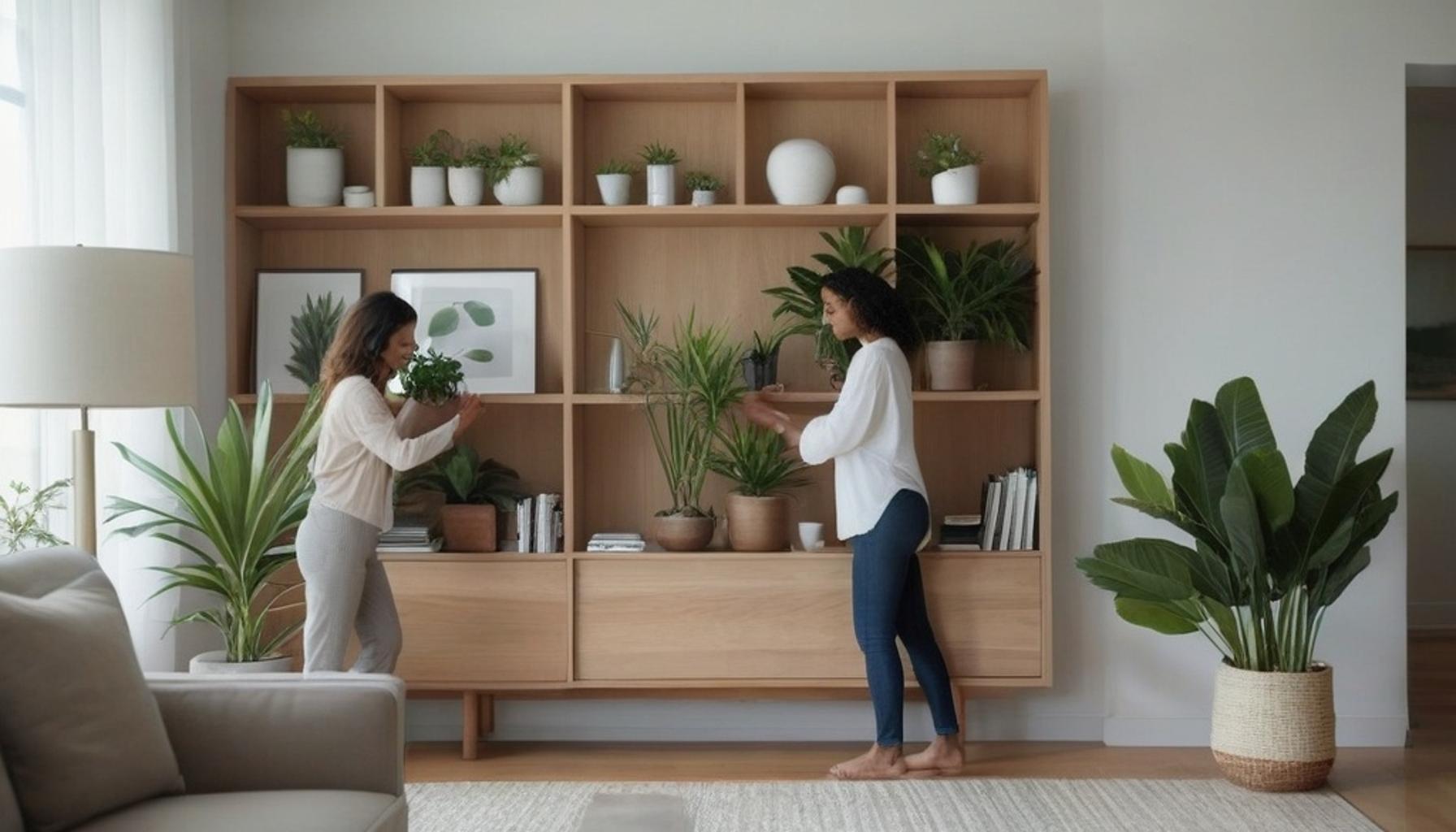
Most homes waste vertical space dramatically. Walls above eye level often sit empty while floors accumulate boxes, bins, and miscellaneous items.Simple adjustments can reclaim significant square footage:
- Wall-mounted shelving: Moves books and décor off the floor entirely.
- Over-the-door organizers: Utilize dead space in closets and bathrooms.
- Loft-style storage: Common in tiny homes, this pushes rarely used items upward.
- Hanging pot racks: Free up cabinet space in kitchens without sacrificing accessibility.
Professional home organizers frequently cite vertical reorganization as one of the highest-impact decluttering tips available, often creating the equivalent of an extra room simply by rethinking how walls get used.# The Hidden Cost of “Just in Case” ItemsEvery household harbors a category of possessions kept purely out of anticipated future need. The bread maker used twice in five years. The formal dinnerware reserved for occasions that rarely materialize.Behavioral economists have a name for this tendency: the endowment effect, where people assign greater value to items simply because they already own them. This bias quietly sabotages efforts to maximize space in home settings.A useful exercise involves tracking item usage for 90 days. Anything untouched during that window becomes a candidate for donation, sale, or storage outside the primary living area.
Renting and Borrowing as Space Solutions
Mindful living practices increasingly incorporate access over ownership. Tool libraries, now operating in cities from Portland to Chicago, allow residents to borrow power tools rather than storing them permanently.Similarly, formal wear rental services have exploded in popularity, eliminating the need for closets full of single-occasion outfits. This shift reflects a broader recalibration: possession isn’t always the most efficient path to utility, and sometimes the smartest minimalist home strategy is simply not buying at all.
Rethinking What Fills Our Homes
Across every strategy explored here, one thread connects them all: Mindful Consumption isn’t about deprivation. It’s about intention. Whether it’s a fold-away murphy bed in a San Francisco studio or a power drill borrowed from a Chicago tool library, the underlying question remains the same: does this item earn its place in a finite amount of square footage?
The numbers back up why this matters more now than ever. With average home sizes shrinking and housing costs climbing nationwide, Americans are being forced to get creative, and that necessity has sparked genuine innovation in how living spaces function.
Effective minimalist home strategies don’t rely on a single fix. They combine vertical storage, multifunctional furniture, and honest evaluation of what actually gets used versus what simply gets stored. The 90-day tracking exercise, the shift toward rental and shared resources, the willingness to question the endowment effect, these are tools anyone can apply, regardless of square footage or budget.
Small Shifts, Lasting Impact
Perhaps the most valuable takeaway is that mindful living practices compound over time. A single decluttered shelf won’t transform a home, but consistent, small decisions about what to keep, borrow, or release eventually reshape an entire living environment.
As more households experiment with minimalism in home design, the conversation is shifting from “how do I fit more in?” to “what actually deserves space here?” That question, more than any organizer or shelving system, may be the real key to maximizing space in a home.
For readers ready to start, the path forward doesn’t require an overhaul. It starts with noticing what goes untouched, and asking why it’s still there.
Frequently Asked Questions
What is mindful consumption and how does it relate to minimalist living?
Mindful consumption is the practice of being intentional about the products you purchase and use, focusing on quality over quantity. In minimalist living, this concept is crucial as it encourages you to evaluate your belongings based on necessity and contribution to your well-being, leading to a more organized and spacious home.
How can I apply mindful consumption when decluttering my home?
When decluttering, practice mindful consumption by assessing each item’s value, purpose, and emotional significance. Ask yourself if the item adds value to your life or if it serves a specific function. This process helps you keep only what truly enhances your living space.
What strategies can I implement for mindful purchasing to avoid clutter in the future?
To avoid clutter, establish a set of criteria for new purchases, such as evaluating whether the item is necessary, multifunctional, or sustainable. Implement a ‘one in, one out’ policy where you remove an existing item for every new purchase, helping to maintain your minimalist space.
Can mindful consumption help with small space living, and if so, how?
Absolutely, mindful consumption is particularly beneficial for small space living as it encourages you to select items that serve multiple purposes and maximize utility. By carefully choosing what you bring into your space, you can create a more functional and visually appealing environment, making the most of every square foot.

Beatriz
Beatriz Johnson is a seasoned minimalist and writer with a passion for simplifying the complexities of personal organization and intentional living. With over a decade of experience in decluttering strategies and mindful consumption, she specializes in topics like space optimization, habit simplification, and sustainable lifestyle choices. Through her work on our website, Beatriz empowers readers to embrace minimalism, reduce mental and physical clutter, and create more meaningful, organized lives in today's fast-paced world.