Creating a Minimalist Home: Innovative Space Optimization Techniques for Small Apartments
Small Space, Big Potential
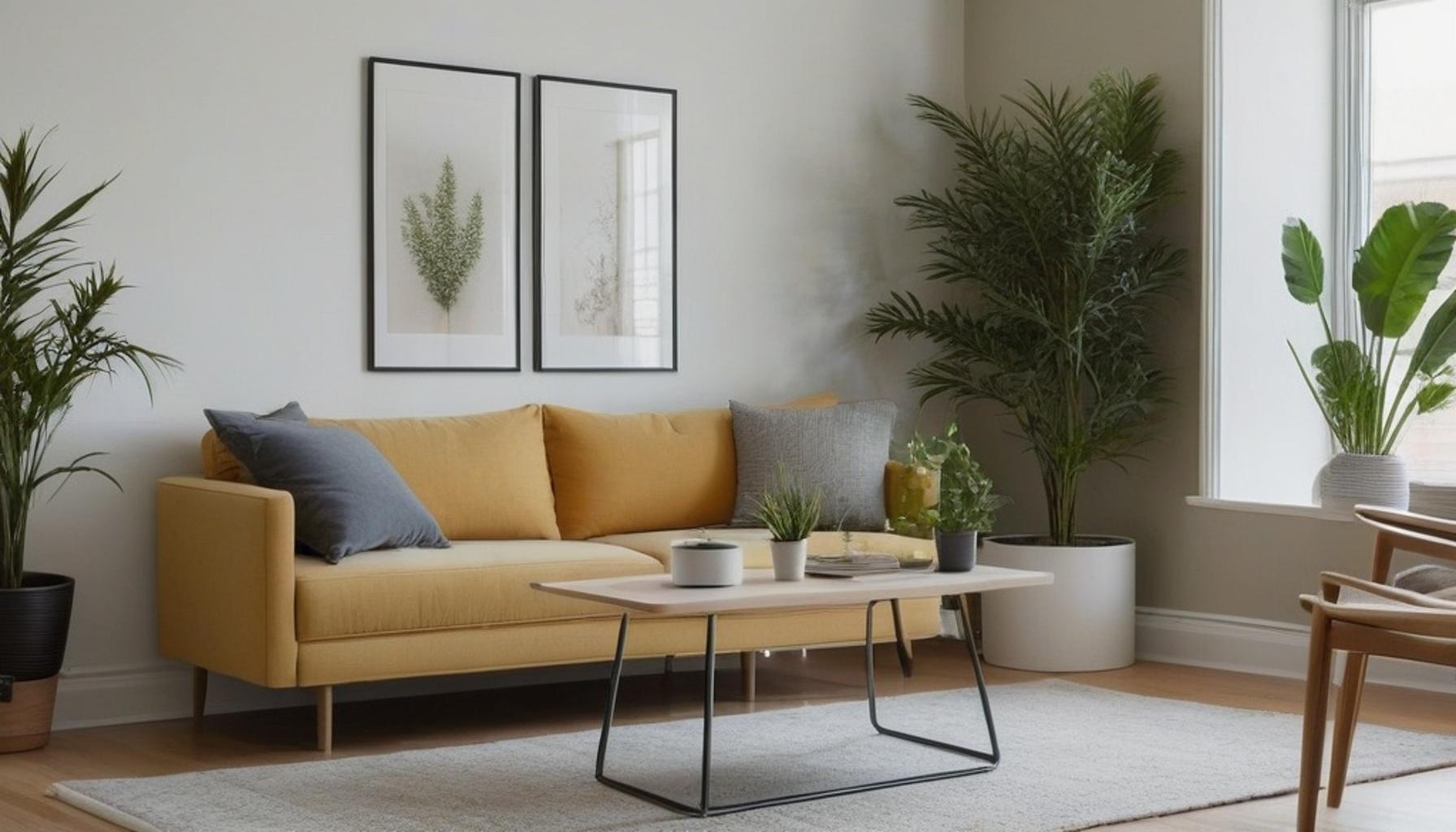
Across the United States, the average apartment size has shrunk to just 882 square feet, according to recent housing data. Yet residents from Brooklyn to San Francisco are proving that square footage doesn’t determine quality of life. A Minimalist Home approach is transforming cramped city living into functional, breathable spaces. By embracing simplicity and intentional design, urban dwellers are learning to appreciate every square foot.
Why Space Optimization Techniques Matter Now
Urban rents keep climbing, pushing more Americans into smaller footprints. This shift has sparked a nationwide interest in Small Apartment Ideas that maximize every inch. For many, limited space is not just a challenge—it’s an opportunity to innovate.
There are several key factors driving this trend:
- Rising cost of living in metro areas nationwide has made larger homes unaffordable for many, prompting a shift to smaller apartments.
- The growing preference for Minimalist Living over consumer clutter encourages people to curate their belongings, reducing distractions and enhancing peace of mind.
- The rise of remote work has created a demand for multi-purpose spaces at home, requiring residents to creatively adapt their living environments for both productivity and relaxation.
- Increased availability of smart, compact furniture solutions offers residents practical ways to transform limited spaces without sacrificing style.
What This Article Covers
This guide dives into practical Decluttering Strategies that go beyond simply tossing items in donation bins. You’ll discover how strategic organization can free up hundreds of square feet without renovation. For example, implementing a seasonal wardrobe rotation can free up precious closet space.
We’ll also explore innovative Furniture for Small Spaces, including:
- Convertible sofa-beds that transform living rooms into guest suites, providing a comfortable seating area by day and a cozy sleeping space by night.
- Vertical storage systems that utilize wall space efficiently, allowing residents to store books, plants, and collectibles without cluttering floors.
- Modular units that can be reconfigured as the needs of the household change, ideal for families as children grow or for individuals alternating between work and leisure.
- Hidden storage solutions built into everyday furniture, such as ottomans that open up for storage of blankets and games, maximizing utility without compromising aesthetics.
Are you ready to reimagine your living space? These proven techniques offer a roadmap toward simpler, more intentional apartment living. By adopting these strategies, you can transform even the coziest of apartments into a stylish and functional oasis.
DIVE DEEPER: Click here for more insights
# Mastering the Art of Decluttering StrategiesBefore any furniture rearrangement or clever storage hack can work its magic, a Minimalist Home requires a foundation of intentional decluttering. This isn’t about minimalism as an aesthetic trend—it’s a functional necessity for anyone navigating life in 500 to 900 square feet.Professional organizers across major cities report that the average American household contains over 300,000 items, from kitchen gadgets to seasonal decorations. In a small apartment, even a fraction of that number can create chaos. The solution lies in systematic, room-by-room evaluation rather than sporadic cleaning sprees.
The One-In, One-Out Rule
One of the most effective Decluttering Strategies gaining traction in cities like Chicago and Austin is the “one-in, one-out” method. Every time a new item enters the home, a comparable item must leave. This simple rule prevents the slow accumulation of clutter that plagues so many small apartments.Residents practicing this technique report noticeable improvements within just a few weeks. The psychological benefits extend beyond tidiness—many describe reduced anxiety and better focus when their surroundings feel less chaotic.
Digital Decluttering Meets Physical Space
Modern minimalism isn’t limited to physical possessions. Digitizing paperwork, subscribing to streaming services instead of accumulating DVDs, and storing photos in the cloud all contribute to a lighter physical footprint at home.Consider these practical steps for tackling clutter systematically:
- Start with a single category, such as clothing or books, rather than attempting the entire apartment at once, which often leads to abandoned projects.
- Apply the 90-day test: if an item hasn’t been used in three months, it’s likely safe to donate or discard.
- Digitize important documents and sentimental photos to reduce paper storage needs significantly.
- Designate a “maybe box” for uncertain items, revisiting it after 30 days to make a final decision with a clearer mind.
Seasonal Rotation for Year-Round Efficiency
For residents of small apartments, seasonal wardrobe rotation has become a practical Space Optimization Technique. Storing off-season clothing in vacuum-sealed bags under the bed or in closet organizers frees up significant closet real estate.This approach mirrors a broader shift toward Minimalist Living, where quality replaces quantity. Rather than owning dozens of garments, many urban dwellers are curating smaller, versatile wardrobes suited to their climate and lifestyle.The result is a home that breathes—one where every item has a purpose and a place, setting the stage for the furniture and storage innovations explored next.
| Category | Details |
|---|---|
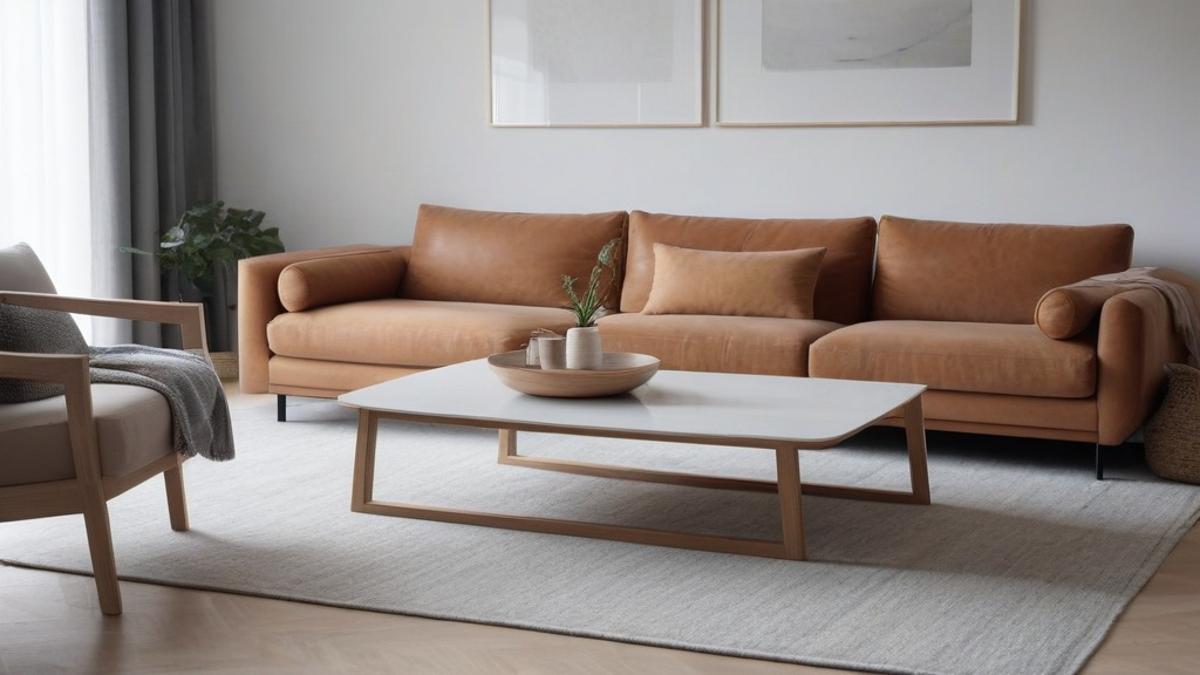
| Multi-functional Furniture | Incorporates pieces that serve more than one purpose, saving space. |
| Flexibility | Allows for adaptability in layouts, creating dynamic living spaces. |
| Vertical Storage Solutions | Shelves and hooks utilize wall space, maximizing room efficiency. |
| Accessibility | Keeps essentials within reach while diminishing clutter on surfaces. |
DIVE DEEPER: Click here for innovative storage ideas
# Furniture Innovations Transforming Small Apartment LivingOnce clutter has been addressed, the next frontier in Space Optimization Techniques involves rethinking furniture entirely. Today’s Furniture for Small Spaces market has evolved dramatically, offering solutions that would have seemed futuristic just a decade ago.Manufacturers in cities like Brooklyn and San Francisco have responded to shrinking square footage with ingenuity. Convertible sofa beds, extendable dining tables, and nesting furniture sets now dominate showrooms catering to urban dwellers.
Multi-Functional Furniture as a Game Changer
The concept of furniture serving double or triple duty has become central to modern Small Apartment Ideas. A single ottoman might function as seating, a coffee table, and hidden storage simultaneously.Murphy beds have experienced a remarkable resurgence, with some models now incorporating built-in desks or shelving units that fold away seamlessly. Studies from housing designers indicate that Murphy bed installations can reclaim up to 50 square feet of usable floor space during daytime hours.Consider these furniture categories reshaping compact living:
- Wall-mounted drop-leaf tables that fold flat against the wall when not in use.
- Storage ottomans and benches that replace traditional coffee tables while hiding blankets or electronics.
- Loft beds with integrated desks or closets underneath, popular among studio apartment residents.
- Modular shelving systems that can be reconfigured as storage needs change over time.
Vertical Space: The Untapped Frontier
While floor space remains finite, walls offer nearly limitless potential. Interior designers increasingly emphasize vertical storage as a core Minimalist Living principle.Floor-to-ceiling bookshelves, hanging pot racks in kitchens, and over-the-door organizers all capitalize on vertical real estate that often goes unused. Some New York City apartment dwellers have reported reclaiming entire closets simply by installing vertical shoe racks and pegboard systems.
Smart Technology Meets Compact Living
Technology has also entered the space-saving conversation. Robotic vacuums that dock under furniture, smart mirrors with built-in storage, and app-controlled lighting systems reduce the need for bulky control panels or furniture.Renters in particular benefit from these innovations, since many require no permanent installation. This flexibility aligns perfectly with the transient nature of urban apartment living, where lease terms rarely exceed a year or two.The convergence of thoughtful furniture design and smart technology demonstrates that a Minimalist Home doesn’t require sacrificing comfort or functionality—it simply demands smarter choices.
DISCOVER: Click here for innovative storage tips
Bringing It All Together: The Future of Small-Space Living
Building a Minimalist Home is not a one-time project but an evolving practice. As this article has shown, success depends on layering strategies rather than relying on a single fix.
Effective Decluttering Strategies lay the groundwork, clearing mental and physical space before any redesign begins. From there, Space Optimization Techniques like vertical shelving and Murphy bed installations transform underused corners into functional zones.
The rise of smart, adaptable Furniture for Small Spaces proves that compact living no longer means compromise. Pieces that fold, stack, or hide away are redefining what apartments in cities like Brooklyn, San Francisco, and New York can accommodate.
Why This Trend Will Keep Growing
Urban rents continue climbing, and average apartment sizes across the United States keep shrinking. According to housing analysts, this makes Small Apartment Ideas more relevant than ever for renters seeking comfort without expanding their footprint.
Technology will likely push this movement further. Expect more app-integrated furniture, modular systems, and space-sensing design tools that customize layouts automatically.
- Start small: declutter one room before tackling furniture upgrades.
- Prioritize multi-functional pieces over single-purpose furniture.
- Use vertical space before considering a larger, more expensive apartment.
Ultimately, Minimalist Living is less about owning less and more about living intentionally. Every square foot, when optimized thoughtfully, can support a fuller, more functional lifestyle—proving that great design has little to do with size and everything to do with strategy.
Frequently Asked Questions
What are the best furniture choices for a minimalist home in a small apartment?
When creating a minimalist home, opt for multi-functional furniture like a sofa bed, nesting tables, or ottomans with storage. Look for pieces with clean lines and a simple color palette to maintain an open and airy feel. Avoid oversized items that can clutter your space and instead choose compact options that suit your layout.
How can I optimize storage in my small apartment while maintaining a minimalist aesthetic?
To optimize storage in a minimalist home, focus on vertical space by using wall-mounted shelves and tall cabinets. Use clear bins or elegant baskets to store items neatly while keeping them visible. Implement under-bed storage solutions and utilize hidden compartments in furniture to keep surfaces clear and organized.
What innovative techniques can I use to create the illusion of more space in a small minimalist home?
To make a small minimalist home appear larger, use mirrors strategically to reflect light and create depth. Stick to a light color palette for walls and furnishings, which can enhance the sense of openness. Additionally, keeping window treatments light and airy helps maximize natural light, further contributing to a spacious feel.
How can I incorporate plants into a minimalist home without overcrowding the space?
In a minimalist home, select a few statement plants that complement your decor rather than overcrowding the space. Consider using wall-mounted planters or hanging pots to add greenery without taking up precious floor space. Choose low-maintenance varieties that thrive indoors and enhance overall tranquility in your apartment without requiring excessive care.

Beatriz
Beatriz Johnson is a seasoned minimalist and writer with a passion for simplifying the complexities of personal organization and intentional living. With over a decade of experience in decluttering strategies and mindful consumption, she specializes in topics like space optimization, habit simplification, and sustainable lifestyle choices. Through her work on our website, Beatriz empowers readers to embrace minimalism, reduce mental and physical clutter, and create more meaningful, organized lives in today's fast-paced world.