Efficient Living: Practical Organization Ideas for Every Room in Your Home
Why Every Square Foot in Your Home Deserves a Plan
The average American home has grown by nearly 1,000 square feet since the 1970s, yet clutter complaints have only increased. More space doesn’t automatically mean more order — it simply gives disorganization more room to spread. This paradox highlights a key challenge of modern living. As homes grow larger, the potential for accumulation and clutter rises, often leading to overlooked areas that could benefit from careful planning and organization.
That’s where smart organization ideas for home come into play. From the entryway to the garage, every room carries untapped potential for improved function and efficiency. For example, a well-organized entryway not only welcomes guests but also serves as a crucial transition space that sets the tone for your home. By implementing hooks for keys, baskets for shoes, and designated areas for bags, you can streamline the morning rush and reduce chaos.
What This Guide Covers
This article breaks down practical, room-by-room strategies designed to transform chaotic spaces into efficient living spaces. Expect real solutions, not vague suggestions. Each section is crafted to provide actionable steps and insights that resonate with daily life.
- Kitchen and pantry systems that cut down on food waste and morning stress—think pull-out drawers for pots and pans to declutter countertops.
- Bedroom and closet layouts using vertical storage to reclaim floor space, such as cascading hangers or under-bed storage bins that can house off-season clothing.
- Bathroom decluttering techniques for small, high-traffic areas, including the use of clear bins to hold personal items and categorizable shelves that keep essentials at hand.
- Home office setups that support focus and productivity, featuring mobile carts for work materials that can be tucked away when not in use.
- Garage and basement solutions for tools, seasonal items, and overflow storage, leveraging wall-mounted racks to utilize vertical space effectively.
Each section combines proven home storage solutions with budget-friendly hacks anyone can implement this weekend. For instance, utilizing repurposed items like mason jars or decorative boxes can be an economical way to elevate the organization aesthetic without breaking the bank.
A Room-by-Room Approach That Actually Works
Rather than offering one-size-fits-all advice, this guide focuses on organizing every room according to its specific challenges. A kitchen drawer doesn’t need the same fix as a coat closet. Acknowledge the unique demands of each space—like the dual-use nature of a guest bedroom needing flexibility as both a workplace and a relaxing haven.
These room organization tips are drawn from professional organizers, interior designers, and everyday households who’ve tested what truly holds up over time. The result: strategies built for real life, not just Pinterest boards. It’s about more than aesthetics; it’s a lifestyle change that can lead to enhanced productivity and reduced stress, making your home a more peaceful environment. Embracing these approaches can not only declutter your living spaces but also harmonize the very way you interact with each area of your home.
DISCOVER MORE: Click here for smart storage solutions
# The Kitchen: Where Organization Pays Off FastestThe kitchen is ground zero for clutter, and it’s also the room where organization ideas for home deliver the fastest return. A 2022 survey from the National Association of Productivity and Organizing Professionals found that Americans waste an average of 15 minutes daily searching for kitchen items. Over a year, that adds up to more than 91 hours — nearly four full days lost to rummaging through drawers.The fix doesn’t require a full renovation. Small, targeted changes create outsized results.
Zone-Based Storage: The Game Changer
Professional organizers consistently recommend zoning — grouping items by function rather than category alone. Instead of storing all bakeware together, create a dedicated “baking zone” near the oven with measuring cups, mixing bowls, and baking sheets within arm’s reach.This approach reduces the number of steps taken during meal prep by up to 30%, according to kitchen efficiency studies conducted by residential design firms. Consider these zone examples:
- Coffee and breakfast zone: Mugs, coffee filters, and cereal grouped near the counter where they’re used.
- Prep zone: Cutting boards, knives, and mixing bowls near the sink and counter space.
- Pantry zone: Canned goods and dry staples organized by expiration date, front to back.
- Cleanup zone: Dish soap, sponges, and trash bags stored under the sink for quick access.
Decluttering Techniques That Actually Stick
Most kitchens suffer from what organizers call “expired inventory” — duplicate gadgets, mismatched containers, and food long past its prime. A practical decluttering technique involves the “box method”: place questionable items in a box for 30 days. If untouched, they’re candidates for donation.Pull-out drawers for pots and pans eliminate the need to crouch and dig through deep cabinets. Clear, stackable bins for pantry items — a staple in many home storage solutions — allow for at-a-glance inventory checks, cutting down on duplicate grocery purchases.These changes cost relatively little compared to renovation, yet they reshape daily routines. A well-organized kitchen isn’t just about aesthetics — it’s a functional upgrade that saves time, reduces food waste, and lowers the mental load of daily cooking. For households juggling work schedules and family meals, that efficiency translates directly into calmer mornings and smoother dinners.
| Category | Key Features |
|---|---|
| Kitchen Organization | Vertical storage, clear containers, pantry labeling. |
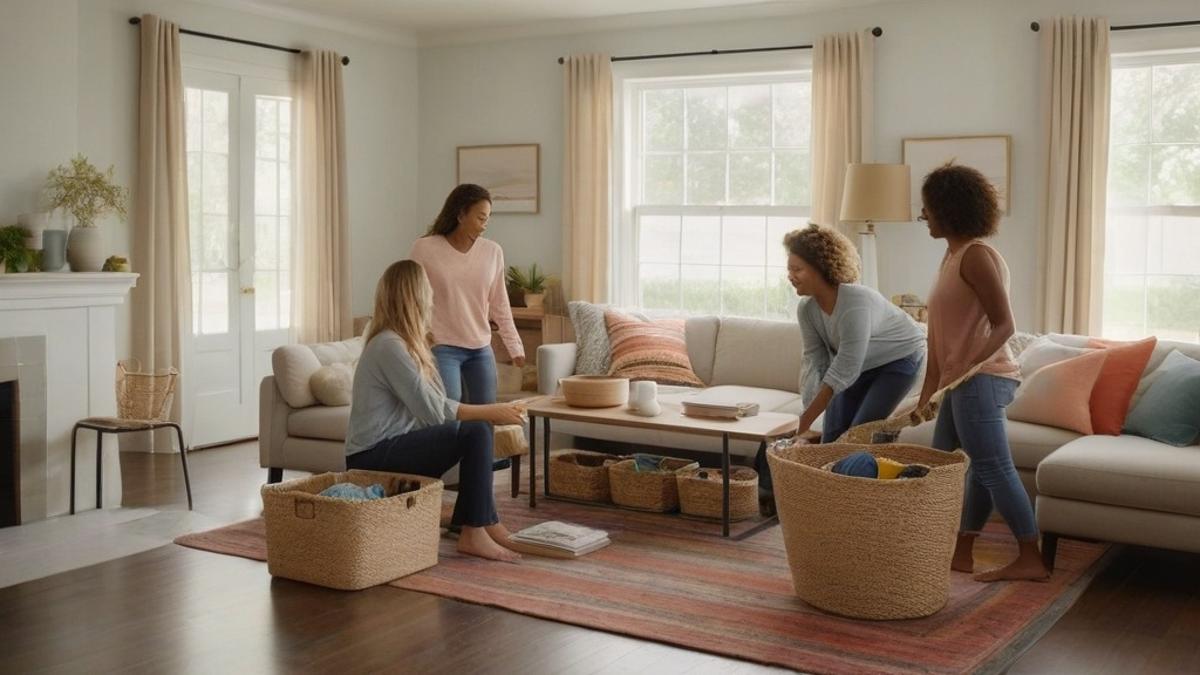
| Living Room Functionality | Multifunctional furniture, decorative baskets, curated decor. |
| Bedroom Serenity | Under-bed storage, drawer dividers, laundry management. |
| Bathroom Comfort | Tiered shelving, wall hooks, designated zones. |
| Home Office Productivity | Decluttering, drawer organizers, digital systems. |
DISCOVER MORE: Click here to find out more
# The Bedroom and Closet: Reclaiming Personal SpaceBedrooms often become default storage for items with no other home — laundry piles, mail, and miscellaneous electronics. Yet this is the one room designed for rest, and clutter directly interferes with that purpose. A 2019 study published by the National Sleep Foundation found that people who make their beds and keep bedrooms tidy are 19% more likely to report consistently good sleep.
Closet Systems That Maximize Vertical Space
Most closets use only 50% of their available vertical space, according to interior design analysts. Standard single-rod setups waste the area above and below hanging clothes. Doubling up rods, adding shelf dividers, and installing hooks on the inside of closet doors can increase usable storage by nearly 40% without any structural changes.Some practical room organization tips for closets include:
- Seasonal rotation: Store off-season clothing in bins on higher shelves, keeping current-season items at eye level.
- Vertical shoe racks: Free up floor space while making pairs easier to spot.
- Drawer dividers: Separate accessories, socks, and undergarments to prevent the “junk drawer” effect.
- Color-coded hanging: Speeds up outfit selection and reduces morning decision fatigue.
The Nightstand and Under-Bed Opportunity
Under-bed storage remains one of the most underused areas in American homes. Flat, wheeled bins designed specifically for this space can hold out-of-season bedding, extra pillows, or rarely used items — all while staying completely out of sight.Nightstands, meanwhile, tend to collect chargers, books, and loose papers. A simple tray or small tiered organizer keeps essentials contained without adding visual noise to a space meant for winding down.
Why Bedroom Organization Affects Daily Mood
Environmental psychologists have linked cluttered sleeping spaces to elevated cortisol levels, the hormone associated with stress. Princeton University researchers found that visual clutter competes for attention in the brain, making it harder to focus and relax — even during downtime.This is where efficient living spaces prove their value beyond aesthetics. A bedroom with dedicated storage for every category of item — clothing, electronics, reading material — reduces the visual chaos that keeps the mind subtly on alert.Applying these home storage solutions doesn’t require an interior designer or a large budget. Many households achieve noticeable results with a single weekend dedicated to sorting, donating, and installing a few key organizational tools. The payoff is immediate: less time spent searching for pajamas or chargers in the dark, and more time actually resting.For anyone serious about organizing every room in the house, the bedroom often reveals the clearest connection between physical order and mental clarity — proof that decluttering isn’t just about appearances, but about how a space makes its occupants feel.
DISCOVER: Click here for innovative storage solutions
# Bringing It All Together: A Room-by-Room Path to OrderFrom the kitchen counter to the closet floor, the same truth keeps surfacing throughout this exploration of organization ideas for home improvement: clutter is rarely about having too much stuff. It’s about missing systems.Every room examined here — kitchens, living areas, bedrooms, closets — responds to the same basic principle. Assign a purpose to every zone, give every object a designated home, and maintenance becomes automatic rather than exhausting.
The Bigger Picture on Household Efficiency
Consider the numbers stacked throughout this discussion. Closets sitting at 50% capacity. Bedrooms linked to measurable sleep improvements. Cortisol levels rising in response to visual chaos. These aren’t isolated statistics — they paint a picture of how physical space quietly shapes daily well-being across an entire home.The National Association of Professional Organizers estimates Americans spend up to 2.5 days per year simply searching for misplaced items. Multiply that across a household, and the case for practical decluttering techniques becomes less about tidiness and more about reclaiming time.
Starting Small, Thinking Long-Term
No one needs to overhaul an entire house in a weekend. Real progress in organizing every room tends to start with one drawer, one shelf, or one closet — then builds momentum from there.The most effective home storage solutions aren’t the most expensive ones. They’re the ones matched to how a household actually lives, rather than how an influencer’s living room looks.Ultimately, efficient living spaces aren’t a fixed destination but an ongoing practice — one adjusted as routines, seasons, and family needs shift. The reward, backed repeatedly by research cited throughout this piece, is a home that supports focus, rest, and calm rather than competing for attention. That shift alone may be reason enough to start this weekend.
Frequently Asked Questions
What are some effective organization ideas for small living rooms?
To maximize space in small living rooms, consider using multi-functional furniture like coffee tables with storage or ottomans that can hold blankets. Utilize vertical space by installing shelves above furniture. Also, consider baskets for easy storage of items like magazines or remote controls, keeping the area tidy and functional.
How can I organize my kitchen efficiently?
Start by decluttering your kitchen, removing any items you no longer use. Use drawer organizers for utensils and categorize pots and pans by size. Installing pegboards or magnetic strips can also help keep frequently used tools accessible while freeing up drawer space, making your kitchen more organized and efficient.
What are some organization ideas for home offices?
In a home office, utilize file organizers to keep paperwork in check and invest in a good desk organizer for pens and stationery. Consider wall-mounted shelves for books and items you need regularly. Using cable management solutions can also help reduce clutter from wires while keeping the space looking professional and organized.
How can I create an organized and clutter-free bedroom?
To keep your bedroom organized, start with under-bed storage for seasonal clothing or shoes. Use drawer dividers to keep items like socks and lingerie neatly stored. Additionally, limit decor and keep surfaces clear to create a calming space, focusing on items that enhance your personal style without adding clutter.

Beatriz
Beatriz Johnson is a seasoned minimalist and writer with a passion for simplifying the complexities of personal organization and intentional living. With over a decade of experience in decluttering strategies and mindful consumption, she specializes in topics like space optimization, habit simplification, and sustainable lifestyle choices. Through her work on our website, Beatriz empowers readers to embrace minimalism, reduce mental and physical clutter, and create more meaningful, organized lives in today's fast-paced world.