
Creating an Organized Workspace: Functional Design and Storage Hacks for Productivity
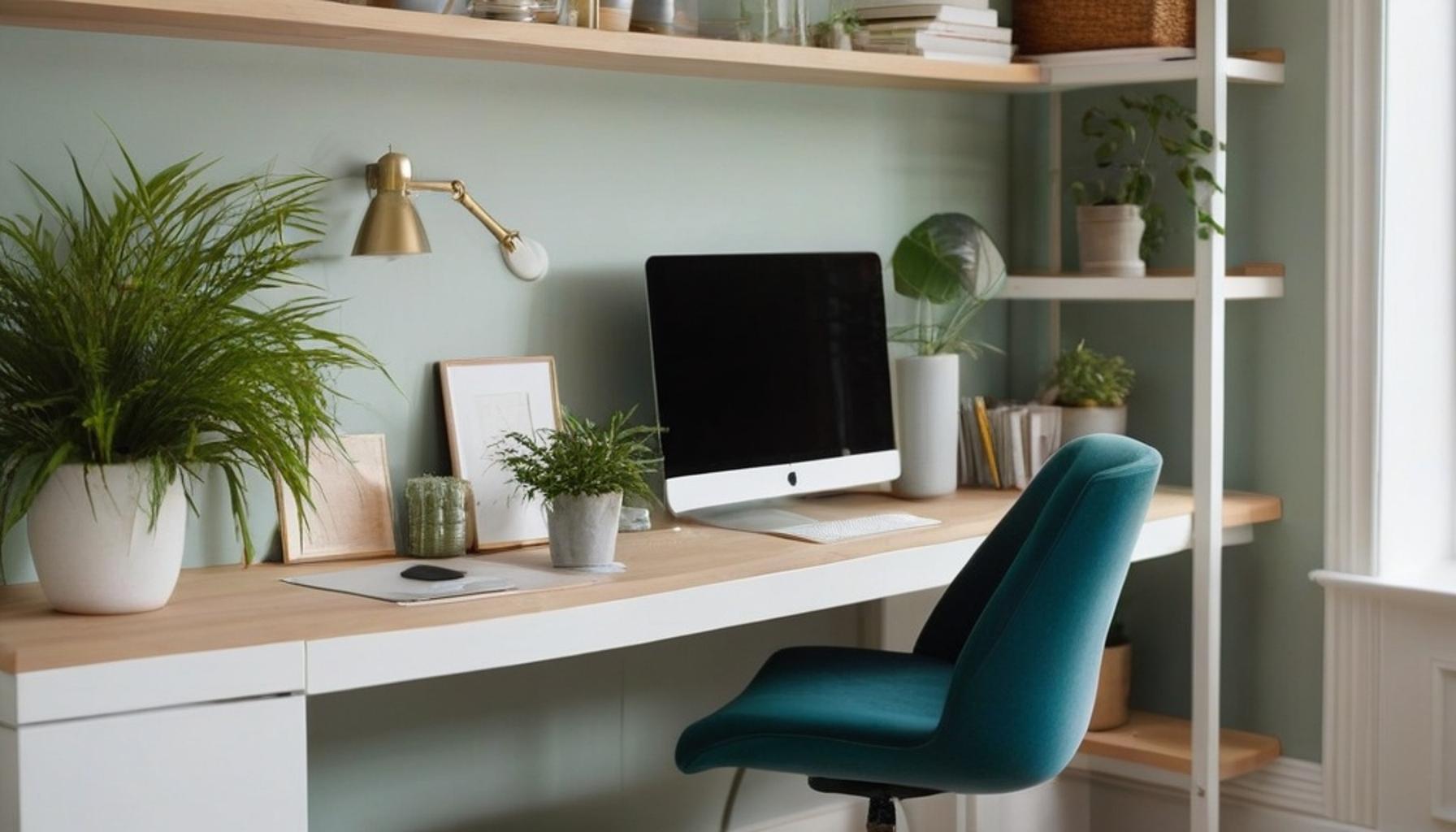
Why Clutter Is Costing You More Than You Think
The average American office worker loses up to 4.3 hours per week searching for misplaced documents, supplies, or digital files, according to workplace productivity studies. This alarming statistic translates to over 220 hours a year—more than half a workday each week vanishing into disorganized drawers and cluttered desktops. When compounded, this lost time can significantly impact a company’s bottom line, leading to decreased overall productivity and increased stress levels for employees.
Beyond merely looking tidy, an organized workspace serves as a measurable productivity multiplier. It’s a well-established fact that companies from nimble Silicon Valley startups to the more traditional Fortune 500 offices are investing heavily in smarter layouts. These organizations understand that an efficient workspace not only enhances employee morale but also directly affects their output and creativity.
What This Article Covers
No matter if you’re working from a home office in Austin or a cubicle in downtown Chicago, the principles of workspace organization remain unchanged. Small, intentional changes can transform chaotic spaces into efficient command centers that spark innovation.
- Functional workspace ideas that maximize limited square footage, ensuring that every inch counts.
- Storage solutions for productivity, including vertical shelving for better organization and cable management systems to eliminate tangles.
- Budget-friendly office organization hacks utilizing everyday items around the house, like reusing jars for pen storage or employing binder clips for managing loose papers.
- Design principles that help reduce visual clutter and alleviate mental fatigue by fostering a soothing environment optimized for focus.
Research from environmental psychology consistently indicates that physical order translates to cognitive clarity. A cluttered desk often correlates with increased stress hormones and decreased focus, while streamlined spaces facilitate sustained attention and better decision-making. For example, a study published in the journal *Psychological Science* found that individuals performed better on tasks when their workplace was clean and organized.
Beyond Tidiness: Strategic Design
Transforming a workspace isn’t merely about decluttering—it incorporates strategic workspace design tips that anticipate daily workflows. The objective is to create systems that manage themselves seamlessly, reducing the need for consistent maintenance. For instance, establishing a designated spot for incoming paperwork can prevent it from accumulating and becoming overwhelming.
Are you ready to improve productivity at work through smarter organization? The following sections will unveil practical, time-tested strategies that can easily be implemented within the week. Small changes can yield significant improvements, leading not only to a cleaner workspace but also to a healthier, more focused mindset.
DISCOVER MORE: Click here for further insights
Mapping Your Workflow Before You Organize
Before buying a single storage bin or shelf, the smartest first step toward an organized workspace is understanding how you actually work. Too many people jump straight into decluttering without mapping their daily habits, which often leads to systems that look neat but function poorly within weeks.
Professional organizers call this process a “workflow audit.” It involves tracking what you touch most during a typical workday—your laptop, notebook, phone charger, coffee mug—and positioning those items within arm’s reach. Everything used less frequently, like archived files or seasonal supplies, can move farther away or into deeper storage.
Identifying Your Workspace Zones
One of the most effective workspace design tips borrowed from commercial office planning is zoning. Instead of treating your desk as one flat surface, divide it into functional areas based on activity type.
- Primary zone: Your keyboard, monitor, and mouse—reserved strictly for active tasks.
- Reference zone: Notebooks, planners, or documents you consult throughout the day.
- Supply zone: Pens, staplers, sticky notes, and other tools used intermittently.
- Digital zone: Chargers, cables, and docking stations, ideally contained to avoid tangling.
This zoning approach mirrors what’s used in professional kitchens, where chefs organize stations by task rather than by object type. Applying the same logic to an office desk can cut down on repetitive movement and reduce the small delays that add up over an eight-hour shift.
The 80/20 Rule Applied to Office Supplies
Workplace efficiency experts often point to the Pareto Principle—commonly known as the 80/20 rule—when discussing functional workspace ideas. In practice, this means roughly 80 percent of your daily tasks likely rely on just 20 percent of the items on your desk.
Identifying that critical 20 percent allows you to prioritize accessibility. A stapler used twice a week doesn’t need prime real estate next to your keyboard, but a notepad used constantly does.
Once you’ve identified your essentials, the next logical step involves testing them for a few days. Keep only the core tools visible, and box up everything else temporarily. If you find yourself missing an item, bring it back. If not, it likely belongs in a drawer, a shelf, or donated altogether.
This trial-based approach not only clears physical space but also builds long-term awareness of what truly supports your productivity, setting the stage for the storage systems and organizational hacks explored in the next section.
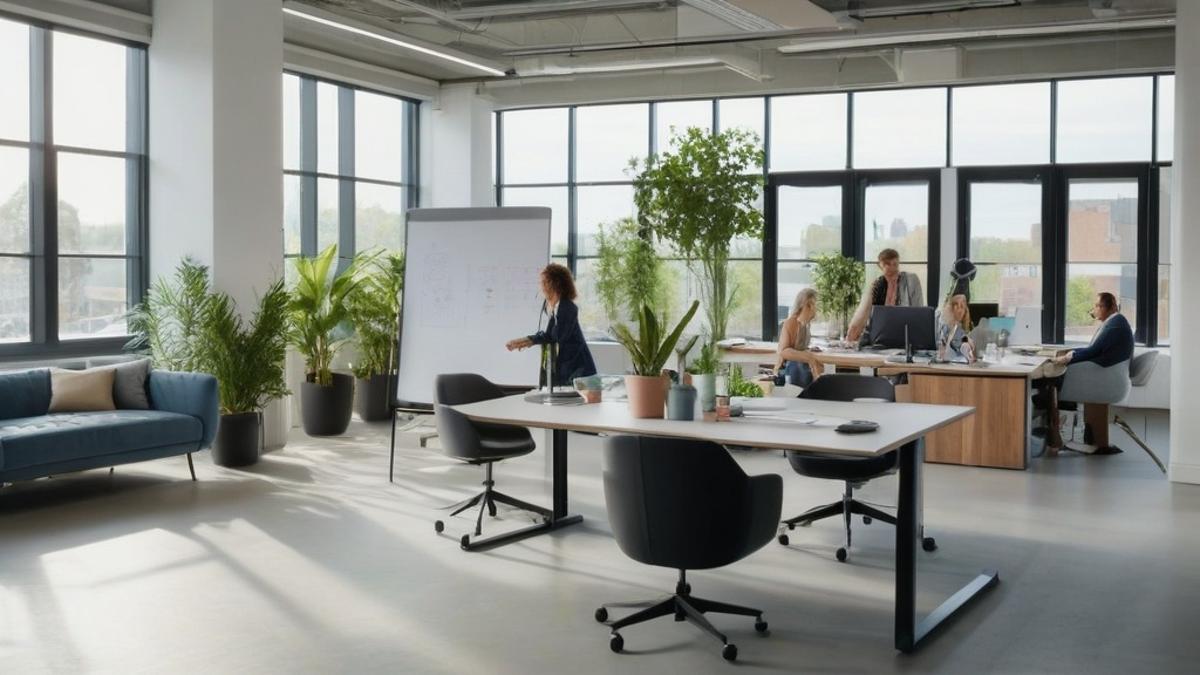
DISCOVER MORE: Click here for innovative storage solutions
Storage Solutions That Actually Support Productivity
Once your workflow zones are mapped out, the next challenge is choosing storage that reinforces those habits rather than fighting against them. Many storage solutions for productivity fail simply because they were designed for aesthetics, not function. A stack of matching bins might look impressive on camera, but if retrieving a single file means unstacking three containers, the system is working against you.
Vertical space is one of the most underused resources in home offices across the United States. Wall-mounted shelving, pegboards, and floating file racks can free up desktop real estate while keeping essential tools visible and within reach.
Drawer Dividers and Modular Bins
Drawer chaos is one of the most common complaints among remote workers. Cheap plastic organizers or repurposed shoeboxes can instantly separate cables from stationery, preventing that familiar “junk drawer” spiral.
- Cable organizers: Reduce tangling and make it easier to identify which charger belongs to which device.
- Modular bins: Allow you to resize compartments as your supply needs shift over time.
- Labelled folders: Cut down search time for paperwork, especially useful for freelancers managing multiple clients.
A 2022 workplace survey by staffing firm Robert Half found that employees spend an average of 4.3 hours per week searching for misplaced items or documents. Applying simple labeling systems can claw back a significant chunk of that lost time.
Office Organization Hacks Worth Testing
Some of the most effective office organization hacks come from unexpected industries. Warehouse logistics teams, for example, use a method called “point-of-use storage,” which places tools exactly where they’re needed rather than in a centralized supply closet.
Applied to a home office, this might mean keeping a small tray of pens near your notepad instead of a shared drawer across the room. It sounds minor, but reducing physical movement by even a few steps per task adds up across dozens of daily interactions.
Repurposing everyday items can also stretch a limited budget. Mason jars become pencil holders, magazine files organize charging cables, and command hooks turn blank wall space into functional storage without damaging rental units.
These small, deliberate changes reflect a broader truth documented in workplace design studies: an organized workspace isn’t built through one dramatic overhaul, but through consistent, minor adjustments that align physical space with actual behavior.
DISCOVER MORE: Click here to uncover more insights
Building a Workspace That Works for You
Creating an organized workspace isn’t about chasing a Pinterest-perfect aesthetic. It’s about building an environment that actively supports how you think, move, and complete tasks each day. The most effective workspace design tips covered here share one common thread: they prioritize function over appearance.
Mapping workflow zones, choosing storage solutions for productivity instead of decorative clutter, and borrowing tricks like point-of-use storage from logistics professionals all point toward the same conclusion. Small, intentional adjustments compound over time into meaningful gains in focus and efficiency.
Consider the numbers again. Nearly 4.3 hours weekly lost to searching for misplaced items translates to roughly 28 workdays a year for the average employee. That’s not a minor inconvenience; it’s a measurable drain on output that most people never bother to calculate.
The good news is that reversing this doesn’t require an expensive overhaul. Simple office organization hacks, from labeled drawers to repurposed mason jars, can be implemented over a single weekend with minimal financial investment.
What matters most is consistency. A functional workspace idea only works if it’s revisited and adjusted as habits evolve. The system that suits a freelancer juggling five clients may look nothing like one designed for a software developer deep in focused, solitary work.
Ultimately, learning how to improve productivity at work starts with observation. Track where time disappears, where clutter accumulates, and where physical movement feels unnecessary. Those friction points, once identified, become the clearest roadmap for redesigning any workspace with purpose.
Frequently Asked Questions
What are some essential design principles for creating an organized workspace?
To create an organized workspace, focus on layout, function, and aesthetics. Consider using ergonomic furniture to promote comfort and productivity. Keep frequently used items within reach and utilize vertical space with shelves or wall-mounted organizers to minimize clutter.
How can I utilize storage hacks in a small home office for an organized workspace?
In a small home office, consider multi-functional furniture, such as storage ottomans or desks with built-in drawers. Use labels to identify storage bins, and take advantage of under-desk or over-the-door organizers. Incorporating floating shelves can also provide extra storage without occupying valuable floor space.
What role does decluttering play in maintaining an organized workspace?
Decluttering is crucial for maintaining an organized workspace as it helps to reduce distractions and improve focus. Regularly evaluate what items you truly need and remove anything unnecessary, creating a more efficient environment. Set a schedule for decluttering, such as weekly or monthly, to keep your workspace organized over time.
Can color schemes impact the organization and productivity of my workspace?
Yes, color schemes can significantly impact the overall organization and productivity of your workspace. Calming colors like blues and greens can enhance focus, while bright colors like yellows and oranges can stimulate creativity. Choose a color palette that not only reflects your personal style but also promotes a positive and organized atmosphere.

Beatriz
Beatriz Johnson is a seasoned minimalist and writer with a passion for simplifying the complexities of personal organization and intentional living. With over a decade of experience in decluttering strategies and mindful consumption, she specializes in topics like space optimization, habit simplification, and sustainable lifestyle choices. Through her work on our website, Beatriz empowers readers to embrace minimalism, reduce mental and physical clutter, and create more meaningful, organized lives in today's fast-paced world.