Maximizing Space: Smart Storage Solutions for Small Apartments and Tiny Homes
Small Footprint, Big Potential
The average American apartment has shrunk to just 887 square feet, according to RentCafe data, and the trend has led many to explore innovative living arrangements. Tiny homes, which often maximize livability in 400 square feet or less, are rapidly gaining popularity. Despite the limited space, cramped quarters do not have to equal chaotic living. With thoughtful design and organization, even the tiniest studio can be transformed into a spacious and functional sanctuary.
This is where smart storage solutions become essential. From Brooklyn’s micro-apartments to Airstream conversions in vibrant Austin, creative residents are demonstrating that the limitations of square footage do not dictate the quality or enjoyment of life. By maximizing what they have, they are proving that size is not everything.
Why Storage Strategy Matters Now
As urban living costs continue to climb, many Americans are being pushed into smaller spaces, often out of necessity rather than preference. On the flip side, the tiny home movement has burgeoned into a multi-billion-dollar industry. Here, individuals embrace minimalist lifestyles not as a compromise but as a lifestyle choice, demonstrating that less can indeed be more.
Both of these trends present a compelling challenge: how does one efficiently store items needed for daily life while preserving comfort and style? The answer lies in convenience-driven innovations like:
- Vertical storage systems that utilize wall space up to the ceiling, creating extra room for decorative items, books, or necessary tools.
- Space-saving furniture such as Murphy beds that fold into walls, allowing for maximum floor space during the day while providing comfortable sleeping quarters at night.
- Multi-purpose ottomans and benches equipped with hidden compartments for stowing away seasonal items or extra linens.
- Under-bed storage bins and drawers that can effectively hide off-season apparel or less frequently used items.
- Modular shelving units that can be easily reconfigured as needs change, enhancing adaptability as different life stages are encountered.
What This Guide Covers
This article delves into practical storage ideas for small apartments and offers actionable tiny home organization tips that you can implement immediately—perhaps even this weekend. Expect not just theoretical concepts, but real product recommendations, cost breakdowns, and design hacks utilized by professional organizers in the field.
Whether you’re organizing a compact studio apartment in a bustling metropolis or optimizing a 200-square-foot tiny house in a quieter locale, these best storage solutions will revolutionize your approach to living space management. Get ready to uncover inventive techniques for organizing small spaces that maximize every square inch, allowing you to enjoy your surroundings to the fullest.
Ultimately, embracing these creative solutions fosters a sense of comfort and functionality, making even the coziest spaces feel like home.
DISCOVER MORE: Click here to explore smart storage solutions
Walk into any well-organized micro-apartment, and you’ll notice something immediately: the eye travels upward. That’s not by accident. Professional organizers and interior designers agree that vertical space is the most underutilized asset in small homes across America.Most people fill only the bottom third of their walls, leaving valuable square footage empty from countertop height to the ceiling. Reclaiming that space is often the single most impactful change a renter or tiny home owner can make. By harnessing vertical dimensions, the secret to maximizing storage becomes clear: utilize every inch available.Consider the numbers: a standard 8-foot wall offers roughly 32 square feet of potential storage per linear foot of width, yet traditional furniture arrangements typically use less than half of that. This gap represents a genuine opportunity for innovative thinkers. Just think about what it means if a space measuring, say, 10 feet in width and 8 feet in height can transform an easily cluttered area into an organized haven.
Practical Ways to Build Upward
Implementing vertical storage doesn’t necessitate a renovation budget or a landlord’s permission in most cases. Simple additions can transform a wall into a functional storage system almost overnight.
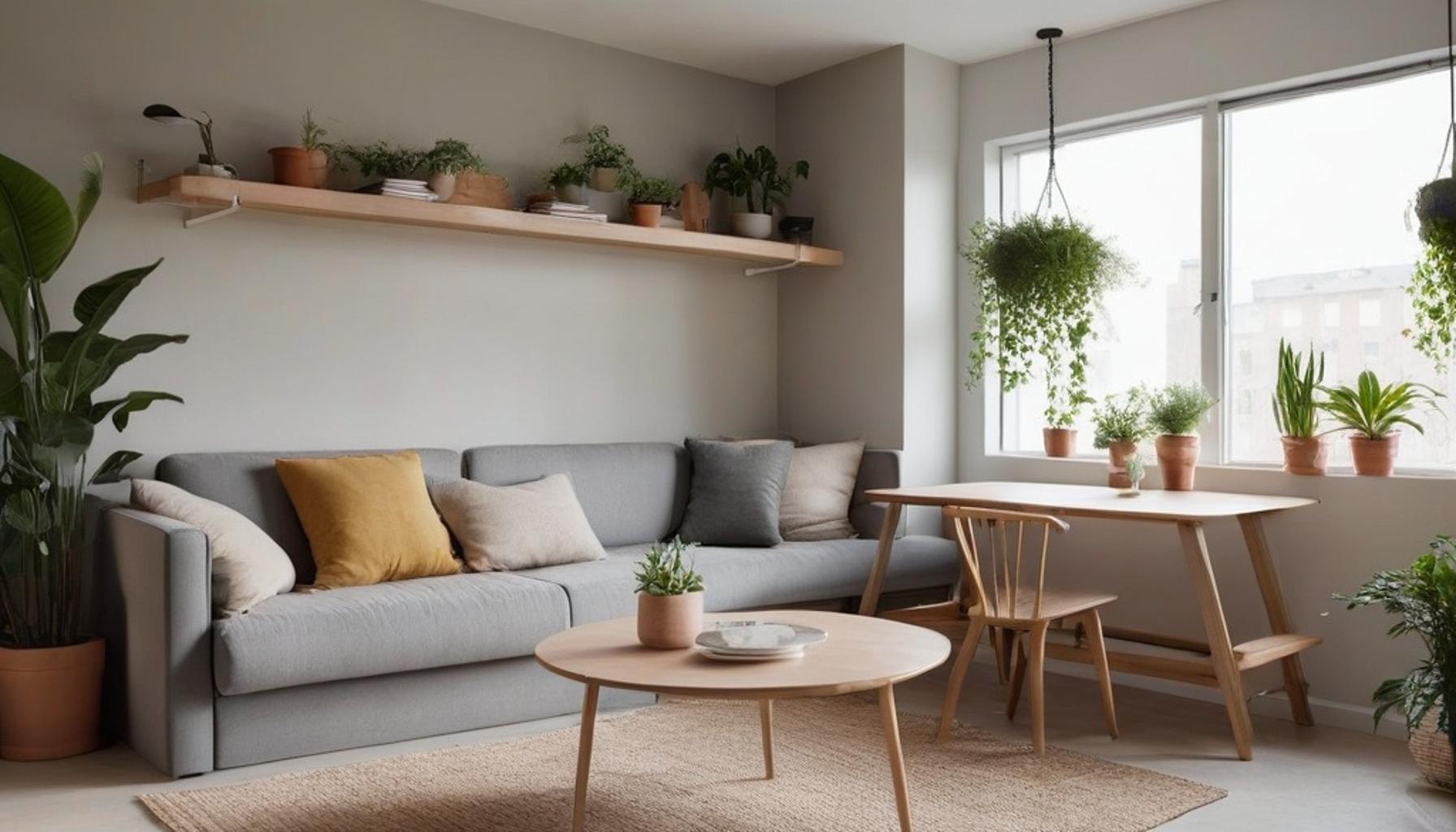
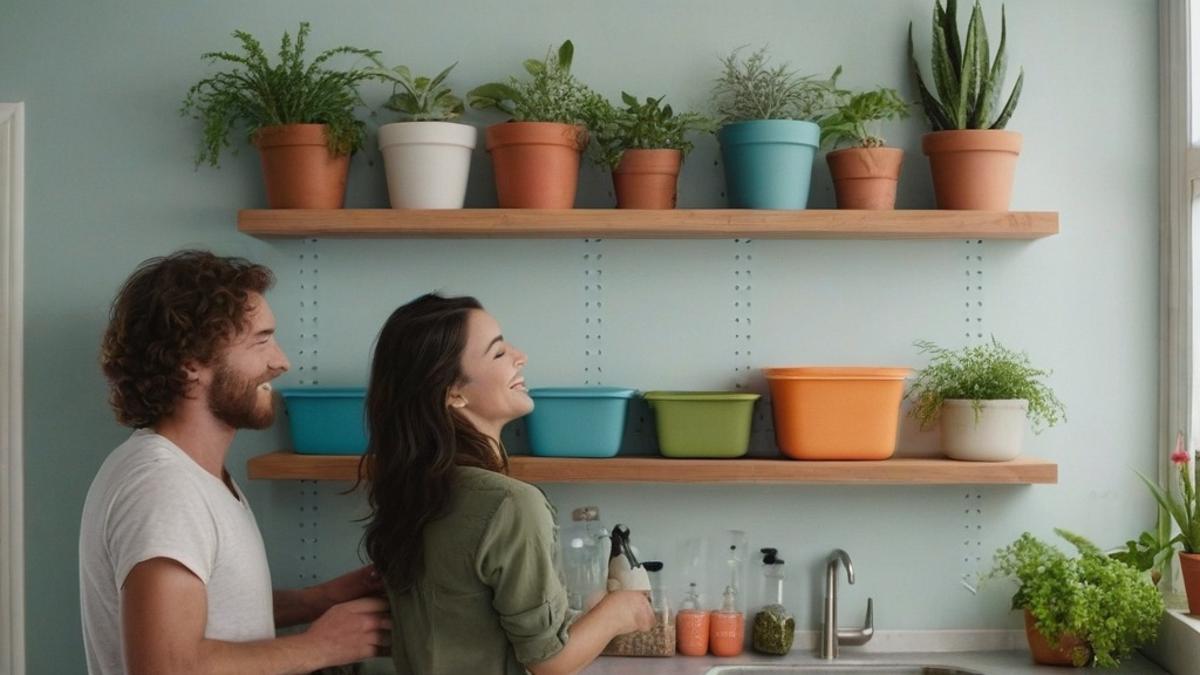
- Floating shelves installed in staggered patterns above desks, sofas, or beds, create an appealing display space while simultaneously freeing up the much-coveted floor area. These shelves can hold books, plants, or decorative items, contributing charm to any room.
- Pegboard systems, popular in Brooklyn’s compact kitchens, effectively utilize walls to allow pots, utensils, and even small appliances to hang in easy reach. This not only enhances accessibility but also adds a creative flair to the decor.
- Over-the-door organizers for pantries, bathrooms, and closets prove invaluable in even the tiniest quarters. Ideal for anyone embracing tiny home organization tips, these tools make the most of every unused door surface, transforming them into effective storage zones.
- Tension-rod shelving inserted inside closets or under sinks creates instant tiers for folded clothing or cleaning supplies. These solutions are particularly useful in bathrooms or kitchens where flexibility is a constant requirement.
- Wall-mounted fold-down desks are noteworthy for their remarkable simplicity and effectiveness, allowing people to have a dedicated workspace when needed while eliminating any footprint when it’s not being used.
These aren’t just aesthetic choices. They reflect a broader shift in how Americans are rethinking domestic space, treating walls as functional real estate rather than blank backdrops. It’s a response to the growing trend of minimalism, where the focus is on achieving functionality without the excess.
Furniture That Works Overtime
Beyond the walls, the second pillar of effective storage ideas for small apartments involves furniture that serves more than one purpose. Traditional pieces, like a coffee table that only holds coffee or a bed that merely supports sleep, are becoming less practical as square footage shrinks. Space-saving furniture has arisen in response to this demand. Companies like Resource Furniture and IKEA’s SMART collection now offer ingenious solutions including beds with built-in drawers, dining tables that expand from two-person to eight-person configurations, and sofas that quickly convert into guest quarters. A 2023 survey by the National Association of Home Builders found that 68% of small-space dwellers prioritize multi-functional furniture when shopping. This statistic demonstrates that this shift in consumer expectations is not merely a fleeting trend but a fundamental change in how people view their living environments. For those looking for affordable examples, brands like Wayfair and Target now carry versatile options that can fit various budgets. For instance, you might consider a foldable dining table priced around $150 or a chic ottoman that doubles as a storage compartment and retails at about $80.The next section explores how these pieces perform in real-world tiny homes, along with specific product recommendations and price points for every budget. Understanding these aspects in greater detail will further illuminate the world of smart storage solutions and help anyone looking to maximize their living space effectively.
DISCOVER MORE: Click here for further insights
Real-World Testing: What Actually Fits in a Tiny Home
The theory of tiny living often sounds simple: minimal furniture, compact designs, and smart storage. However, experiencing the practicality of features like a queen-sized bed with six built-in drawers in a 400-square-foot studio in Chicago gives insight into the innovative solutions that make tiny homes functional. This is where the rubber meets the road in evaluating smart storage solutions designed for limited spaces.
One notable trend is the resurgence of the Murphy bed, which has transformed from a relic of the past to a contemporary essential for urban dwellers. Brands like BredaBeds and Murphy Door have combined aesthetics with functionality, creating beds equipped with integrated shelving, side cabinets, and even fold-out desks. Reports indicate that these companies have seen sales increases exceeding 40% since 2021, largely fueled by city residents in places like San Francisco and New York City. These individuals are determined to maintain a home office without sacrificing their sleeping space, proving that adaptability is key in smaller living environments.
Kitchens That Punch Above Their Weight
When it comes to small spaces, kitchens pose a unique challenge due to the need for both cooking tools and adequate surface area. This is where rolling kitchen carts come into play. Available for prices ranging from $60 to $200 at retailers such as Target and Home Depot, these carts typically feature butcher-block countertops, hanging racks for utensils, and drawer storage, all designed to easily tuck away when not in use. This versatility makes them a staple in tiny kitchens.
- Nesting cookware sets have shown to reduce cabinet clutter by as much as 30% compared to traditional pot collections, based on product data from industry leader Williams Sonoma. This means more accessible and organized kitchen spaces.
- Magnetic knife strips and spice racks serve the dual purpose of clearing drawer space while keeping essential kitchen tools quickly accessible, significantly enhancing cooking efficiency.
- Stackable, clear bins within cabinets allow renters to see contents instantly, effectively eliminating the frustration of searching through opaque containers to find what they need.
These items transcend the realm of mere kitchen gadgets; they provide practical solutions for a lifestyle that increasingly demands flexibility and efficiency in limited spaces. The ingenious use of space and resources not only saves time but enhances the overall kitchen experience.
Bathrooms and Entryways: The Forgotten Frontiers
In many older American apartments and urban settings, such as Boston and Philadelphia, bathrooms are often tiny and cramped, which can present additional organizational challenges. However, innovative solutions like corner shelving units can add nearly 15% more usable storage without altering the existing floor plan, demonstrating that even the smallest spaces can be optimized for practicality.
Similarly, entryway benches equipped with hidden compartments offer a functional solution for stashing shoes, bags, and seasonal gear, preventing clutter from accumulating near the front door. These smart design elements create a welcoming environment that remains functional.
For those seeking serious tiny home organization tips, the entryway often becomes a benchmark. A space as modest as 3 feet wide can accommodate coats, shoes, mail, and keys without succumbing to visual chaos, revealing that effective organization is manageable even in the tightest of quarters. By mastering the entryway, homeowners often find that the rest of the space follows suit in terms of order and functionality.
Budget Breakdown: What It Actually Costs
One prevalent misconception about implementing the best storage solutions is that it requires significant financial investment. In fact, a comprehensive overhaul focused on vertical shelving, multi-purpose furniture, and modular bins can often be executed for under $500. Retailers like IKEA, Target, and The Container Store offer a range of products that make small-scale organization both accessible and affordable.
In sharp contrast, the National Association of Realtors estimates that the average cost of adding physical square footage through renovations exceeds $200 per square foot in most metropolitan regions. Hence, investing in smart storage isn’t just a matter of convenience; it’s a financially savvy choice that accommodates modern living without the need for extensive remodeling.
The Bottom Line: Small Spaces, Smart Choices
Across kitchens, bathrooms, entryways, and sleeping areas, one truth stands out: smart storage solutions are no longer a luxury reserved for design enthusiasts. They have become a practical necessity for millions of Americans navigating rising rents and shrinking square footage in cities from Chicago to San Francisco.
The examples explored throughout this article, from Murphy beds with integrated shelving to rolling kitchen carts and corner bathroom units, prove that storage ideas for small apartments don’t require massive budgets or structural renovations. A few hundred dollars invested wisely can outperform a five-figure remodel in terms of daily livability.
What ties these strategies together is intentionality. Successful organizing small spaces isn’t about owning less for the sake of minimalism alone; it’s about choosing furniture and systems that serve multiple purposes at once. A bed that stores linens, a bench that hides seasonal gear, or a cart that doubles as counter space all reflect this philosophy in action.
Looking ahead, the demand for space-saving furniture is likely to keep growing as more renters and homeowners embrace tiny living, whether by choice or economic necessity. Manufacturers are responding with increasingly clever designs, and retailers are making these products more accessible than ever.
For anyone ready to apply these tiny home organization tips, the process can start small:
- Audit one room and identify unused vertical space.
- Replace one piece of furniture with a multi-functional alternative.
- Track spending to confirm savings compared to renovation costs.
Ultimately, the best storage solutions are the ones tailored to how a person actually lives. Testing, adjusting, and staying open to new products will always outperform a one-size-fits-all approach, especially in spaces where every square foot counts.
Frequently Asked Questions
What are some innovative smart storage solutions for maximizing closet space in small apartments?
To maximize closet space, consider using tiered hangers and cascading hooks that allow multiple items to hang vertically. Adding storage bins or baskets on shelves helps keep items organized while utilizing otherwise wasted space. Additionally, incorporate hooks on the inside of the closet door for accessories or bags.
How can I utilize furniture as smart storage solutions in a tiny home?
Opt for furniture that features built-in storage, such as ottomans with hidden compartments or coffee tables with shelving. Murphy beds can also free up floor space while providing additional storage options underneath. Look for nesting tables or expandable dining solutions that can be tucked away when not in use.
What are some effective smart storage solutions for small kitchens with limited cabinet space?
Use wall-mounted shelves to create additional storage for cookware and spices, keeping them easily accessible while saving counter space. Magnetic strips can hold lightweight kitchen tools or knife sets securely on the wall. Consider utilizing the space under the sink with stacking organizers or pull-out bins for cleaning supplies.
How can I implement smart storage solutions in my bathroom to combat clutter in a small space?
Install over-the-toilet shelving units to utilize vertical space without taking up additional floor area. Use tiered organizers in cabinets to make items easily visible, and incorporate drawer dividers for better organization. Hooks or pegboards can be great for hanging towels and accessories, keeping surfaces clear.

Beatriz
Beatriz Johnson is a seasoned minimalist and writer with a passion for simplifying the complexities of personal organization and intentional living. With over a decade of experience in decluttering strategies and mindful consumption, she specializes in topics like space optimization, habit simplification, and sustainable lifestyle choices. Through her work on our website, Beatriz empowers readers to embrace minimalism, reduce mental and physical clutter, and create more meaningful, organized lives in today's fast-paced world.