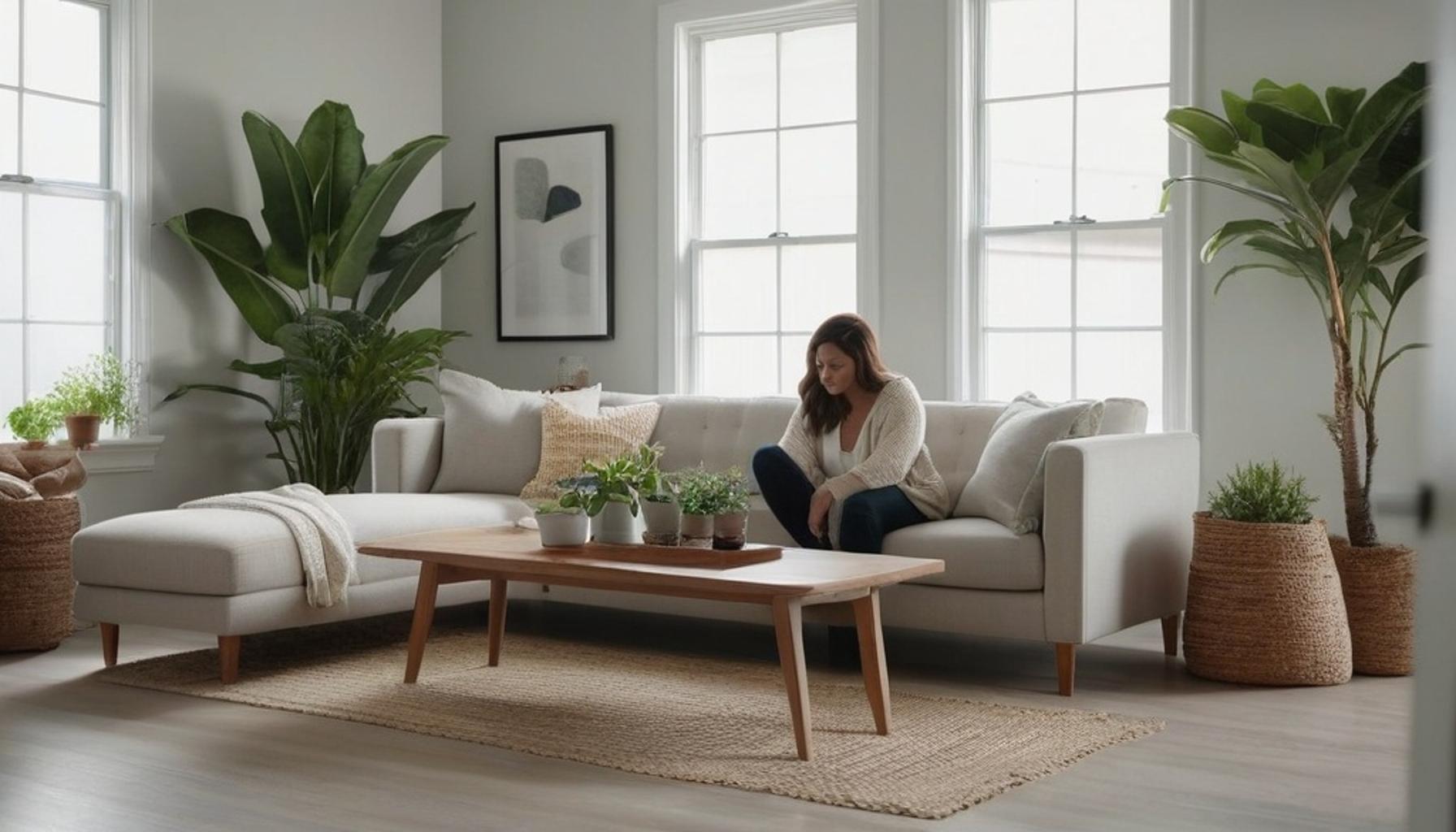
Decluttering Techniques for a Stress-Free Home: Organizing Tips for Every Room
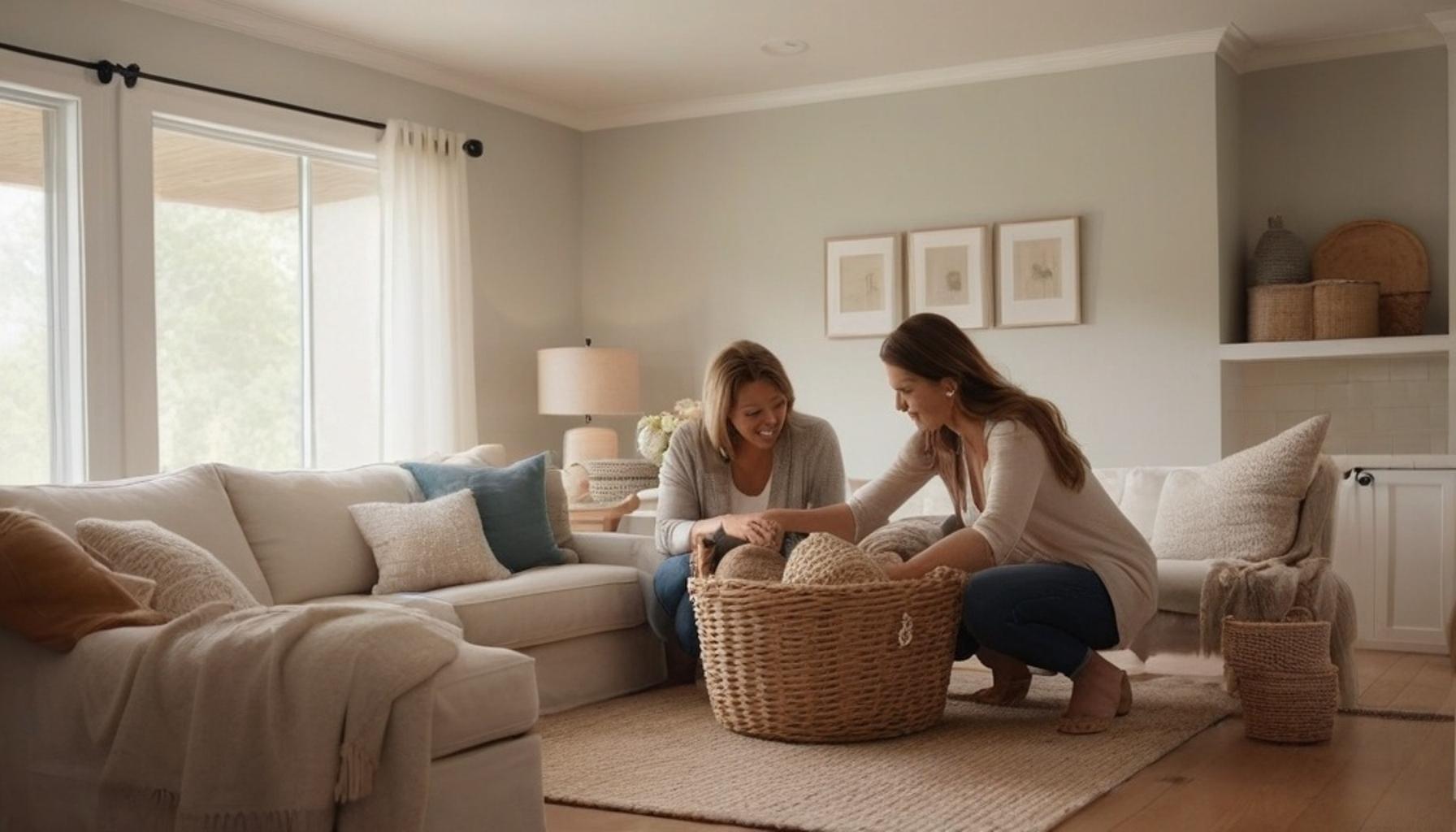
Understanding the Impact of Clutter on Daily Life
Piles of mail on the kitchen counter, overflowing closets, and a garage so stuffed that it’s rendered useless—do these situations resonate with you? For a significant portion of Americans, clutter goes beyond being a mere eyesore; it has become a genuine source of daily stress, leading to anxiety and decreased productivity. This stress can manifest in various aspects of life, from affecting emotional well-being to diminishing focus and creativity.
Organizational psychologists have delved into the mental effects of clutter, revealing that disorganized spaces can trigger spikes in cortisol, a stress hormone. Studies suggest that individuals living or working in cluttered environments often find it more challenging to concentrate and can feel an ongoing low-level anxiety that hampers their ability to perform tasks efficiently. Fortunately, there is a silver lining. Decluttering Techniques, grounded in research and psychological principles, can swiftly transform chaotic environments into peaceful, functional spaces in just a few weekends.
What This Guide Covers
This article meticulously outlines practical organizing tips for home spaces that are effective and realistic. It takes a room-by-room approach, shedding light on less generic advice and diving into valuable specifics tailored to American lifestyles.
- Kitchen and pantry systems that help minimize food waste and reduce countertop chaos by implementing better organization for your groceries.
- Closet and wardrobe methods, including the popular one-year rule—where you assess clothing items you haven’t worn in a year—and capsule organizing, ensuring you maintain only essential, versatile pieces.
- Home office decluttering strategies designed to enhance productivity by minimizing distractions and creating an environment conducive to focus.
- Garage and storage solutions that reclaim valuable square footage, utilizing shelving, pegboards, and bins to systematically organize tools and seasonal items.
- Kid-friendly organization hacks that encourage children to participate in maintaining tidy spaces, fostering responsibility and independence.
Whether your goal is a complete stress-free home makeover or you simply want to address one specific cluttered area, this room-by-room organization approach simplifies the process, making it achievable without overwhelming you.
These home organization strategies focus on creating systems that conform to the realities of American households, recognizing the demands of busy schedules, growing families, and the unique challenges that accompany them.
Are you prepared to transform overwhelming spaces into functional areas that work for your lifestyle? Let’s kick things off with an exploration of the room where clutter tends to accumulate the fastest: your kitchen.
DISCOVER MORE: Click here to dive deeper
# Kitchen Command Center: Taming the Heart of Your HomeWalk into any American kitchen on a Tuesday evening, and you’re likely to find the same scene: junk mail piled near the toaster, a drawer that won’t quite close, and mismatched containers spilling from cabinets. The kitchen consistently ranks as the most cluttered room in U.S. households, according to organizing professionals, largely because it functions as a landing zone for everything from school permission slips to spare batteries.
Start With the “Landing Strip” Problem
Most kitchen clutter accumulates on countertops near entry points—what professional organizers call the “landing strip.” Mail, keys, and random items get dropped there daily, and within a week, the pile becomes permanent. One of the most effective decluttering techniques is installing a small wall-mounted organizer or basket system specifically for incoming items, forcing paperwork and mail to have a designated home instead of colonizing your counter.
This simple shift addresses a psychological pattern researchers call “decision fatigue.” When surfaces stay clear, your brain doesn’t have to process dozens of visual distractions before you’ve even had coffee.
Pantry Systems That Actually Work
Food waste costs the average American household nearly $1,500 annually, and disorganized pantries are a major culprit. When you can’t see what you own, duplicate purchases and forgotten expiration dates become inevitable.
Effective organizing tips for home pantries include:
- Clear, uniform containers for bulk items like rice, pasta, and cereal, making inventory visible at a glance.
- Zone-based grouping—breakfast items together, baking supplies together, snacks at kid-accessible height.
- A “first in, first out” rotation system that places newer purchases behind older ones.
- Labeled bins for loose items like granola bars or spice packets that otherwise scatter into chaos.
These aren’t complicated overhauls. Most can be completed in a single afternoon with containers purchased from any big-box retailer.
The Drawer and Cabinet Reset
Kitchen drawers often become a graveyard for takeout menus, rubber bands, and gadgets used once in 2019. A practical approach involves emptying one drawer completely, sorting contents into “keep,” “relocate,” and “donate” piles, and only returning items that serve a genuine purpose.
This room-by-room organization strategy—tackling one drawer or shelf at a time rather than the entire kitchen at once—prevents the overwhelm that causes so many decluttering attempts to stall halfway through.
Once your kitchen operates smoothly, the ripple effect often extends into other areas of a stress-free home, creating momentum for tackling closets, offices, and beyond.
| Category | Tips and Techniques |
|---|---|
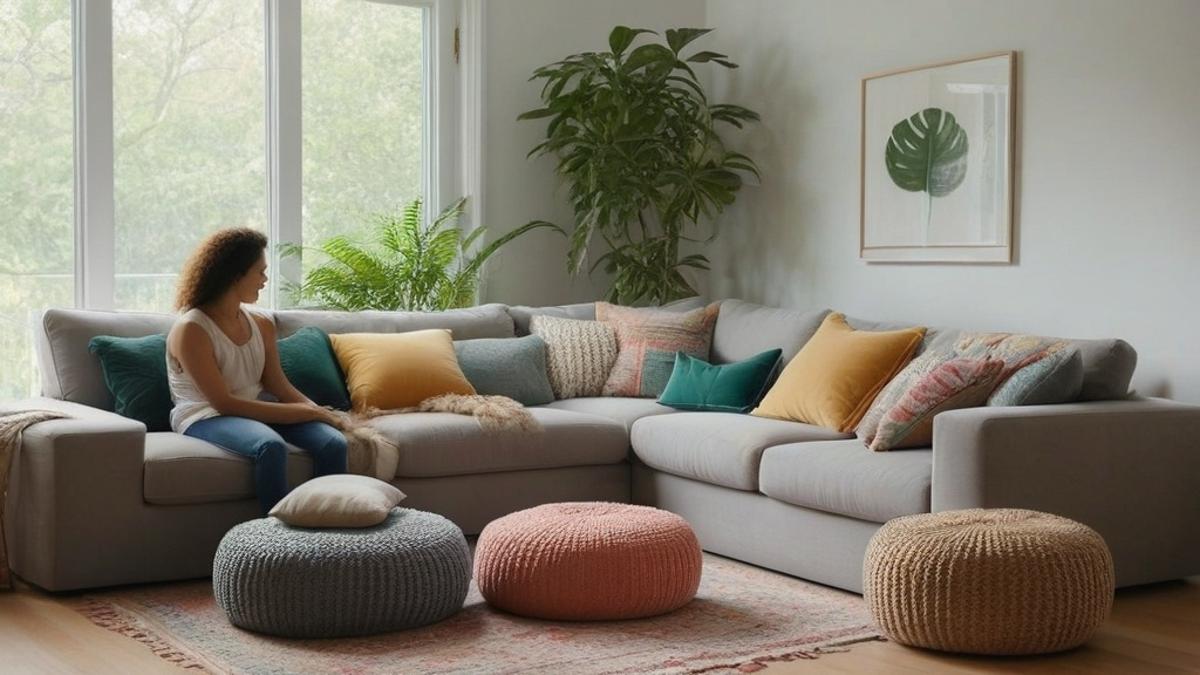
| Living Room | Utilize multifunctional furniture like ottomans for storage or floating shelves for decor. |
| Kitchen | Decluttering Techniques: Use clear bins for pantry items and label everything for easy access. |
| Bedroom | Implement a “one in, one out” policy for clothing to maintain closet organization. |
| Bathroom | Trim Product Overload: Dispose of expired products and keep essentials only. |
| Home Office | Create a filing system for documents and reduce digital clutter with regular purging. |
Dive Deeper: Click here for innovative storage ideas
# Bedroom Closets and Bathroom Cabinets: Small Spaces, Big ImpactNowhere does clutter accumulate faster than in bedroom closets and bathroom cabinets. These compact spaces often become storage for items we’ve forgotten we own, yet they’re rooms we enter multiple times daily, making disorganization here especially draining.
The Closet Audit Most People Skip
The average American closet holds roughly 103 items of clothing, according to retail industry surveys, but most people regularly wear less than a third of that. The gap between what we own and what we actually use is where clutter thrives.
One of the most effective decluttering techniques for closets is the “hanger flip method.” Turn every hanger backward at the start of the season. After wearing an item, flip its hanger the correct way. Within three months, you’ll have visual proof of what you actually reach for—and what’s simply taking up space.
Additional decluttering tips for closet organization include:
- Vertical dividers that separate clothing by category, preventing the slow slide into a jumbled heap.
- Seasonal rotation bins stored on high shelves or under beds, freeing prime closet real estate for current-season items.
- The one-year rule—if a garment hasn’t been worn in twelve months, it likely belongs in a donation pile.
Bathroom Cabinets: Where Expired Products Hide
Bathroom clutter carries a hidden risk beyond aesthetics. Expired sunscreen loses effectiveness, old medications can degrade into less potent (or even harmful) compounds, and bacteria can grow in months-old cosmetic products.
A thorough cabinet reset should include checking expiration dates on every bottle and container. Organizing professionals recommend grouping items by function—skincare, haircare, first aid—rather than by brand or size, since this mirrors how people actually search for products during a rushed morning routine.
Clear stackable bins work particularly well in bathroom cabinets, maximizing vertical space while keeping smaller items like cotton swabs or bandages from scattering across shelves.
Building Habits That Outlast the Initial Purge
Both closets and bathroom cabinets share a common vulnerability: without maintenance, they revert to clutter within weeks. Effective home organization strategies depend less on the initial cleanout and more on sustainable systems.
A simple technique involves the “one in, one out” rule—for every new item purchased, an old one gets donated or discarded. This single habit prevents the slow creep that undoes even the most thorough organizing session.
Applying this room-by-room organization mindset ensures that progress made in one space doesn’t quietly unravel while attention shifts elsewhere in the home.
DIVE DEEPER: Click here for innovative storage ideas
Bringing It All Together: A Clutter-Free Home Is a Moving Target
Creating a stress-free home isn’t a one-weekend project—it’s an ongoing relationship with the spaces you live in every day. From kitchen drawers to bedroom closets, the decluttering techniques outlined throughout this guide share a common thread: small, consistent systems outperform occasional dramatic purges.
Consider the numbers. Studies on clutter suggest the average household spends nearly 55 minutes a day searching for misplaced items. That adds up to over 330 hours a year, or roughly two full work weeks lost to disorganization. This is not just a matter of tidiness; it’s a matter of time reclaimed.
The most successful home organization strategies don’t rely on willpower alone. They work because they remove decision fatigue from the equation entirely. A labeled bin, a designated drop zone, a one-in-one-out rule—each of these turns organization into a passive habit rather than a constant chore.
What makes room-by-room organization so effective is its adaptability. A family with young children will prioritize differently than a retired couple downsizing, yet the underlying principles—purge, categorize, contain, maintain—apply universally across every space and lifestyle.
A few final decluttering tips worth remembering:
- Start small—a single drawer or shelf builds momentum without overwhelm.
- Schedule maintenance—quarterly check-ins prevent clutter from silently rebuilding.
- Involve the whole household—shared systems only work when everyone understands them.
Ultimately, an organized home isn’t about achieving a magazine-perfect aesthetic. It’s about designing a space that supports how you actually live, freeing up mental energy for things that matter far more than where the can opener goes.
Frequently Asked Questions
What is the best way to start decluttering my home?
Begin by selecting one room or area at a time to focus on, rather than attempting to declutter your entire home at once. Use the ‘Four-Box Method’ where you have boxes labeled ‘Keep,’ ‘Donate,’ ‘Trash,’ and ‘Relocate’ to help you make decisions about your belongings easily.
How often should I declutter my home?
It’s beneficial to declutter your home seasonally, but an annual deep clean can also be effective. Incorporate smaller decluttering sessions monthly to maintain a stress-free environment, tackling specific areas that accumulate clutter over time.
What are some efficient decluttering techniques for the kitchen?
In the kitchen, start by removing everything from cabinets and drawers, then sort items based on usage. A useful technique is the ‘One-Year Rule’ – if you haven’t used an item in the past year, consider donating or discarding it to free up valuable space.
How can I tackle sentimental items during decluttering?
While dealing with sentimental items, set a limit for how many you will keep. Take photos of items you can part with to preserve memories, and write down why specific objects are meaningful to help ease the emotional attachment.
What organizing tips can I use for my bedroom while decluttering?
In your bedroom, focus on categories like clothing, shoes, and accessories. Use storage solutions such as bins and drawer dividers to keep everything organized, and adopt a habit of regularly reviewing items to maintain a clutter-free space.
Are there any decluttering techniques specifically for children’s rooms?
For children’s rooms, involve your children in the decluttering process to teach them about organization. Use the ‘One In, One Out’ rule, encouraging them to donate a toy or item for each new one they receive to keep clutter manageable and promote sharing.

Beatriz
Beatriz Johnson is a seasoned minimalist and writer with a passion for simplifying the complexities of personal organization and intentional living. With over a decade of experience in decluttering strategies and mindful consumption, she specializes in topics like space optimization, habit simplification, and sustainable lifestyle choices. Through her work on our website, Beatriz empowers readers to embrace minimalism, reduce mental and physical clutter, and create more meaningful, organized lives in today's fast-paced world.