
Intentional Living: Organizing Tips for a Stress-Free Workspace
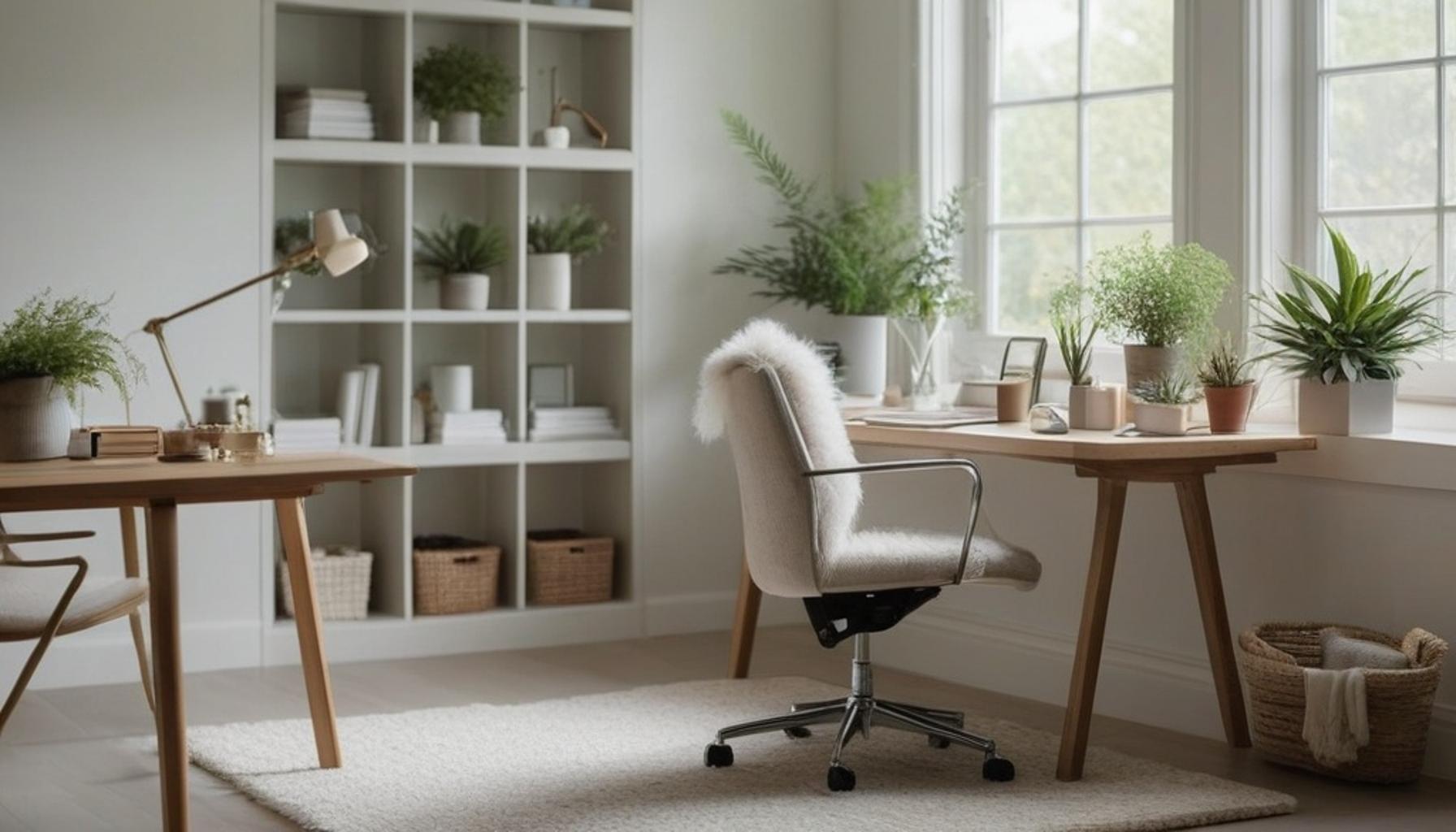
Why Your Desk Might Be Sabotaging Your Focus
American professionals dedicate an astonishing 1,700 hours per year to their desks. This time is precious, yet a significant number of workspaces are cluttered to the point of triggering spikes in cortisol levels, a hormone associated with stress. A disorganized environment does more than create an unappealing visual; it actively saps mental energy, inhibits decision-making abilities, and diminishes overall productivity.
The implications are clear: if your workspace is chaotic, it could be silently sabotaging your performance. In this context, the concept of Intentional Living Workspace Tips becomes vital. Drawing from minimalist philosophy, these strategies help to transform your desk—where you spend most of your waking hours—into a hub of productivity and clarity.
The Hidden Cost of Clutter
According to research conducted at Princeton University, visual clutter competes for attention, leading to a decrease in the brain’s capacity to process information effectively. When surrounded by disorder, an individual’s cognitive resources are spread thin, creating barriers to efficient work. In practical terms, a towering pile of overdue paperwork is far from just an eyesore; it represents a productivity tax that you unknowingly pay every day.
- Lost time: On average, individuals waste about 2.5 days each year searching for misplaced items, be it a pen or an important document.
- Increased stress: Studies suggest that disorderly spaces are correlated with elevated anxiety levels, making it harder to concentrate on tasks.
- Reduced creativity: Evidence shows that cluttered environments can restrict cognitive flexibility, limiting creative thinking and problem-solving capabilities.
What This Article Covers
This guide serves as your roadmap to practical workspace decluttering techniques that go beyond the usual generalizations. It will provide you with robust methods to create a stress-free workspace organization system that promises longevity and consistency.
Expect to find actionable tips for intentional living, including:
- Simple minimalist workspace ideas that can be easily applied today
- Innovative storage solutions designed to maximize small office spaces, such as vertical storage and multifunctional furniture
- Daily habits that reinforce effective workspace organization to ensure your desk remains a sanctuary for focus and productivity
These strategies are universally applicable, whether you are working from a bustling home office in Austin or a compact cubicle in Chicago. The ultimate goal isn’t to achieve perfection but to craft a space that actively supports focus and creativity, allowing you to thrive in a challenging work landscape. A cleaner workspace leads to a clearer mind—so take the first step toward reclaiming your focus.
DISCOVER MORE: Click here to learn more
Prior to diving into storage bins and organizers, laying out a thoughtful plan for decluttering is essential for cultivating a workspace that fosters productivity and clarity. One of the most effective strategies adopted from professional organizing is known as the Five-Zone Method. This approach breaks your workspace down into specific functional areas, allowing for a more organized, intentional environment rather than simply treating your desk as a catch-all surface for random items.
Much like a commercial kitchen where chefs have specific stations for various tasks, the Five-Zone Method eliminates the confusion and frustration associated with clutter. By clearly delineating areas for particular activities, this system significantly reduces the likelihood of items piling up in unintended locations. So, let’s explore the various zones and how they contribute to an efficient and organized workspace.
Breaking Down the Five Zones
Each of the five zones serves a vital purpose, and collectively they shape an organized workflow that enhances productivity:
- Active Zone: The centerpiece of your workspace, this area is directly in front of you and is strictly reserved for your current task. It typically includes your laptop, keyboard, and any materials related to your ongoing project, allowing you to work efficiently without distractions.
- Reference Zone: This adjacent area holds items that you don’t need as frequently but are still important to your work. Examples might include a second monitor, a notebook, or reference materials that can be quickly accessed without cluttering your active workspace.
- Storage Zone: Designing a dedicated spot for supplies that you use weekly is crucial for maintaining a clean desk. This could involve using drawers or shelves for less frequently used items such as extra notebooks, printer paper, or office supplies, which can be stored out of sight but remain accessible when necessary.
- Digital Zone: In the age of technology, a clutter-free digital environment is just as important as a tidy physical workspace. Organizing your desktop icons, maintaining clear folders, and managing cables and charging stations all contribute to a smoother workflow and minimize distractions.
- Personal Zone: A small but meaningful space for personal touches can enhance your work atmosphere. This could be a family photo, a small plant, or a meaningful memento. This zone should be large enough to add character to your desk yet small enough to avoid turning into a cluttered area.
The beauty of this zoning system lies in its ability to compel every item on your desk to justify its presence. If an item doesn’t fit neatly into one of these zones, it probably doesn’t belong on your desk, inviting you to regularly reassess what you truly need in your workspace.
Why Minimalism Isn’t About Empty Desks
A common misunderstanding surrounding minimalist workspace ideas is the notion that they require barren, sterile surfaces akin to a display showroom. In reality, minimalism as it pertains to workspaces is more about organization and intentionality rather than mere deprivation of items. A 2023 workplace survey conducted by Office Depot found that employees with organized desks were 32% more confident in meeting their deadlines compared to those working amidst clutter.
In densely populated environments, such as bustling coworking spaces in cities like Seattle or compact home offices in Brooklyn, the implementation of the Five-Zone Method is particularly critical. In situations where every square foot counts, the effectiveness of your workspace relies less on how much you own and more on how it is articulated and arranged to maximally support your workflow.
As a next step in enhancing your workspace, consider how to leverage vertical space more effectively. Wall shelves, pegboards, or even hooks can significantly expand your storage capacity, providing a practical solution to self-imposed spatial limitations without sacrificing valuable desk space. Utilizing vertical space not only keeps items off your desk but also allows you to customize your environment further, reflecting both functionality and creativity.
With a strategic approach to decluttering and intentional organization, you can transform your workspace into a sanctuary for productivity and creativity. By embracing the Five-Zone Method, you invite clarity and efficiency into your daily tasks, shedding light on the items that truly matter.

| Category | Description |
|---|---|
| Workspace Layout | An effective layout is key to stress-free workspace organization. Consider placing frequently used items within arm’s reach. |
| Decluttering Strategies | Implement workspace decluttering techniques by sorting items into categories: keep, donate, or discard. |
| Minimalist Concepts | Explore minimalist workspace ideas to create a calm environment. Less clutter promotes focus. |
| Organizational Tools | Utilize effective tools for organization, such as bins and labels, to develop tips for intentional living in your workspace. |
DISCOVER MORE: Click here for innovative storage tips
# Sustaining Order: Daily Habits That Keep Chaos at BaySetting up the Five-Zone Method is only half the battle. The real challenge—and the one most people underestimate—is maintaining that order once the initial burst of motivation fades. This is where genuine Intentional Living Workspace Tips come into play, transforming a one-time cleanup into a sustainable lifestyle.Behavioral researchers at Princeton University’s Neuroscience Institute discovered that visual clutter competes for attention in the brain, actively reducing our capacity to process information and focus on tasks. This finding underscores why a single decluttering session isn’t enough; consistency is what actually rewires our environment—and our habits—for long-term success.## The Two-Minute Reset RuleOne of the most practical workspace decluttering techniques borrowed from productivity experts is the Two-Minute Reset Rule. At the end of each workday, spend just two minutes returning items to their designated zones.This micro-habit prevents the small, seemingly insignificant messes from snowballing into overwhelming piles by the end of the week. Consider these simple end-of-day actions:- Return reference materials to their designated shelf or drawer.- Clear your Active Zone completely, leaving only your closed laptop.- Toss stray papers, sticky notes, or empty coffee cups.- Coil and secure loose cables in your Digital Zone.- Wipe down surfaces to signal a mental “close” to the workday.Office culture experts have noted that professionals who practice a nightly reset report feeling significantly less overwhelmed when starting their next workday, since they’re not confronting the residue of yesterday’s tasks.## Rethinking What You Actually Need on DisplayA recurring theme among tips for intentional living is the concept of “surface tax”—the idea that every item left out costs you cognitive energy, whether you’re consciously aware of it or not.Interior organization consultants in cities like Austin and Chicago increasingly encourage clients to apply the “30-Day Box” method: place questionable items into a labeled box, and if you haven’t reached for them within a month, donate or store them elsewhere. This approach removes the guesswork and emotional attachment often tied to decluttering decisions.Digital clutter deserves equal scrutiny. According to a 2022 study from the University of California, Irvine, the average worker toggles between digital windows and applications over 1,200 times daily, often due to poor folder structures and desktop chaos. Streamlining digital files isn’t just a matter of aesthetics; it’s a legitimate component of effective workspace organization.## Seasonal Audits: The Overlooked StepMost organizing advice focuses on daily maintenance, but seasonal audits are equally critical for stress-free workspace organization. Every quarter, reassess your zones entirely:- Are your Storage Zone items still relevant to your current projects?- Has your Personal Zone accumulated more mementos than it can gracefully hold?- Do your digital folders need renaming or restructuring based on new work priorities?These audits act as checkpoints, ensuring your minimalist workspace ideas evolve alongside your career and responsibilities, rather than becoming outdated systems you continue to force items into unnecessarily.
Bringing It All Together: A Workspace That Works for You
Building a stress-free workspace isn’t a single weekend project—it’s an ongoing practice rooted in Intentional Living Workspace Tips that prioritize awareness over perfection. From the Five-Zone Method to the nightly two-minute reset, each strategy discussed here serves one purpose: reducing the mental friction that clutter creates.
What separates a truly organized desk from a temporarily tidy one is consistency. The Princeton findings on visual clutter remind us that our brains are constantly processing our surroundings, whether we realize it or not. A cluttered corner isn’t just an eyesore; it’s a quiet drain on focus and decision-making capacity throughout the day.
Small Systems, Bigger Impact
The beauty of workspace decluttering techniques like the 30-Day Box or quarterly audits is that they don’t require dramatic life overhauls. They simply ask you to pause, evaluate, and adjust as your needs shift—whether that means fewer papers, better digital folders, or a Personal Zone that reflects who you are today rather than who you were three years ago.
This is the essence of effective workspace organization: building systems flexible enough to grow with you.
A Final Thought on Intentional Living
Ultimately, minimalist workspace ideas aren’t about owning less for its own sake. They’re about making room—physically and mentally—for the work and life you actually want to focus on. A desk free of unnecessary distractions becomes a launching pad rather than a source of daily friction.
As remote work, hybrid schedules, and digital overload continue to reshape how Americans work, the principles behind stress-free workspace organization are likely to become even more relevant. The question worth asking isn’t whether your space is clean today, but whether the habits you’ve built will keep it that way tomorrow.
Frequently Asked Questions
What are some quick intentional living workspace tips to reduce clutter in my office?
To quickly reduce clutter in your office, start by decluttering your desk surface. Remove unnecessary items and only keep essential items within arm’s reach. Consider using drawer organizers and cable management solutions to keep everything tidy and out of sight.
How can I create a calming atmosphere in my intentional living workspace?
To create a calming atmosphere, incorporate elements such as plants, soft lighting, and calming colors. Use natural light as much as possible and add personal touches like inspiring artwork or photographs, which can foster creativity and tranquility.
What role does ergonomics play in my intentional living workspace setup?
Ergonomics is crucial for maintaining comfort and promoting productivity in your workspace. Ensure your chair and desk are at the right height, and your computer monitor is at eye level to avoid strain. This attention to physical comfort allows for a more focused and peaceful work environment.
Can intentional living workspace tips help improve my productivity effectively?
Yes, intentional living workspace tips can significantly improve productivity by creating a more organized and inspiring environment. A clutter-free and aesthetically pleasing workspace can reduce distractions, allowing you to focus better on your tasks and achieve your goals with greater efficiency.
What organizing tools are best for implementing intentional living workspace tips?
Some effective organizing tools include drawer organizers, shelving units, file folders, and label makers. Additionally, using digital tools like task management apps can help keep your workload organized and promote intentionality in your workspace.
How often should I reorganize my intentional living workspace for optimal results?
It’s beneficial to reorganize your intentional living workspace at least once every few months. Regularly assessing your space allows you to eliminate unused items and make adjustments based on your changing needs, promoting ongoing productivity and a stress-free environment.

Beatriz
Beatriz Johnson is a seasoned minimalist and writer with a passion for simplifying the complexities of personal organization and intentional living. With over a decade of experience in decluttering strategies and mindful consumption, she specializes in topics like space optimization, habit simplification, and sustainable lifestyle choices. Through her work on our website, Beatriz empowers readers to embrace minimalism, reduce mental and physical clutter, and create more meaningful, organized lives in today's fast-paced world.