Creating a Clutter-Free Kitchen: Smart Organization Hacks for Minimalist Home Efficiency
Why Your Kitchen Deserves a Minimalist Makeover
Kitchen counters piled with mail, gadgets, and half-used spice jars are more than just an eyesore; they symbolize a chaotic lifestyle that many Americans experience daily. Research from the National Association of Productivity and Organizing Professionals indicates that disorganized spaces cost Americans hours of lost time weekly just searching for misplaced items. Imagine losing precious minutes trying to find that one spice you use sparingly or hunting down a crucial kitchen utensil buried under a pile of clutter. This inefficiency can lead to increased meal prep times, affecting your overall cooking experience and even your family meals.
A clutter-free kitchen isn’t merely an aesthetic choice; it’s a functional upgrade that can significantly enhance your daily routines. By embracing minimalist principles, you free up mental and physical space, allowing for a smoother workflow when meal prepping and organizing grocery runs. A clean kitchen creates a conducive environment for cooking, thus encouraging healthier eating habits and fostering creativity in meal preparation.
What You’ll Discover in This Guide
This article provides a roadmap to achieving lasting order in America’s busiest room. Expect real solutions, not just aspirational Pinterest-worthy photos that may leave you feeling overwhelmed. Here are key takeaways:
- Proven kitchen organization tips from professional organizers that can easily be implemented in your home.
- Innovative minimalist kitchen ideas that maximize small spaces common in urban areas.
- A step-by-step guide to decluttering your kitchen using methods that anyone can follow, regardless of their organizational skills.
- Smart kitchen hacks involving budget-friendly storage solutions under $50, ensuring that you don’t break the bank while seeking order.
- Effective techniques for efficient kitchen organization that stick, transforming your cooking space into a functional area that serves you.
The Real Cost of Kitchen Chaos
Statistics reveal that the average American kitchen contains over 100 items crammed into drawers and cabinets. Many of these tools lie dormant for months, silently occupying valuable prime real estate that could be better utilized. The emotional toll of this chaos can compound anxiety levels and contribute to decision fatigue when it comes time to prepare a meal.
So, are you ready to reclaim your counters and streamline your cooking space? These practical strategies can work effectively whether you inhabit a compact city apartment or a spacious suburban home. By taking the time to declutter and organize, you are investing not just in your kitchen but also in your overall quality of life. Less clutter means more clarity and an efficient cooking space where you can enjoy preparing meals for yourself and your loved ones.
DIVE DEEPER: Click here to discover more
The Foundation: Mastering the Art of Decluttering Your Kitchen
Before you can install a single organizer or purchase one pull-out drawer system, a concerted effort to confront the clutter head-on is essential. Decluttering your kitchen is not merely about buying more storage containers; it entails a determined effort to ruthlessly edit what you already possess. Professional organizers nationwide agree on one universal starting point: the “empty and assess” method.
This strategy necessitates completely emptying one zone at a time—be it a solitary drawer or an entire cabinet. Once everything is out, spread the items across your counter or kitchen table, providing a clear visual context for your belongings. This visual exercise can often leave homeowners astonished, as they realize they own a staggering four garlic presses or seven mismatched food storage lids. By confronting the sheer volume of unnecessary items, you can begin to understand the scope of decluttering required.
The 90-Day Rule for Kitchen Tools
One of the most effective kitchen organization tips originates from professional organizer Marie Kondo’s methodology, cleverly adapted for culinary spaces. If you have not utilized an item in the past 90 days—excluding seasonal tools like turkey roasters—it is likely living in the “rarely used” category, and may be time for it to go.
As you engage in the decluttering process, consider these critical questions:
- Have I used this appliance or tool in the last three months?
- Do I own a duplicate that serves the same purpose?
- Does this item align with how I actually cook, not how I envision cooking?
- Could a multi-purpose tool replace two or three single-use gadgets?
- Is this item taking up space simply because I feel guilty about getting rid of it?
Honest answers to these questions frequently uncover that nearly 40% of kitchen tools unnecessarily clutter your space, according to organizing industry surveys. Items such as an electric egg cooker or a seldom-used bread maker hiding in the back of your cabinets could potentially be donated, sold, or repurposed, making room for essentials you actually use.
Creating Zones Before Adding Storage Solutions
After you’ve successfully downsized your inventory, the next step in efficient kitchen organization is mapping out functional zones. Visualize your kitchen as a set of distinct workstations instead of a vast, undefined area. This structure not only promotes efficiency but also enhances your cooking experience.
A typical American kitchen often benefits from establishing distinct areas such as a coffee and beverage station, a baking zone, a prep area close to your cutting boards, and a cooking zone surrounding your stovetop. Implementing a zone-based strategy, which is a cornerstone of minimalist kitchen ideas, ensures that frequently used items reside in proximity to where they are actually utilized. This configuration significantly reduces unnecessary steps and time spent searching for tools or ingredients during meal preparation.
For example, you could place your coffee maker, mugs, and coffee grounds together in one area to facilitate your morning ritual. Meanwhile, all your baking supplies, including flour, sugar, and mixing bowls, should be stored in one zone adjacent to your oven. This not only creates a smoother workflow but also minimizes the chances of chaos during meal prep.
Ultimately, embracing the art of decluttering your kitchen is the first and most critical step toward achieving a beautifully organized space. By utilizing the empty and assess method, applying the 90-day rule, and creating functional zones, you can transform your kitchen into a haven of culinary creativity and efficiency.
| Category | Overview |
|---|---|
| Vertical Space Utilization | Maximizes storage and adds style with wall shelves and racks. |
| Drawer Organizers | Keeps utensils and tools segregated for easy access. |
| Baskets and Bins | Categories food items and pantry supplies efficiently. |
| Magnetic Strips | Saves drawer space and keeps essential tools accessible. |
| Regular Decluttering | Promotes a consistent clean and efficient kitchen environment. |
DISCOVER: Click here for innovative storage ideas
Smart Storage Systems That Maximize Every Inch
Once your zones are established, the real transformation begins with strategic storage solutions. Achieving a genuinely clutter-free kitchen requires more than good intentions—it demands smart hardware that works with your space, not against it. American kitchens, particularly those in older homes with limited square footage, benefit tremendously from vertical thinking.
Cabinet real estate often goes underutilized because homeowners default to flat, single-layer storage. Introducing tiered shelving inserts, stackable drawer dividers, and door-mounted racks can instantly double your usable space without any renovation costs. According to housing industry data, the average American kitchen wastes nearly 30% of its cabinet volume due to inefficient stacking and poor vertical organization.
Drawer Dividers and Pull-Out Solutions
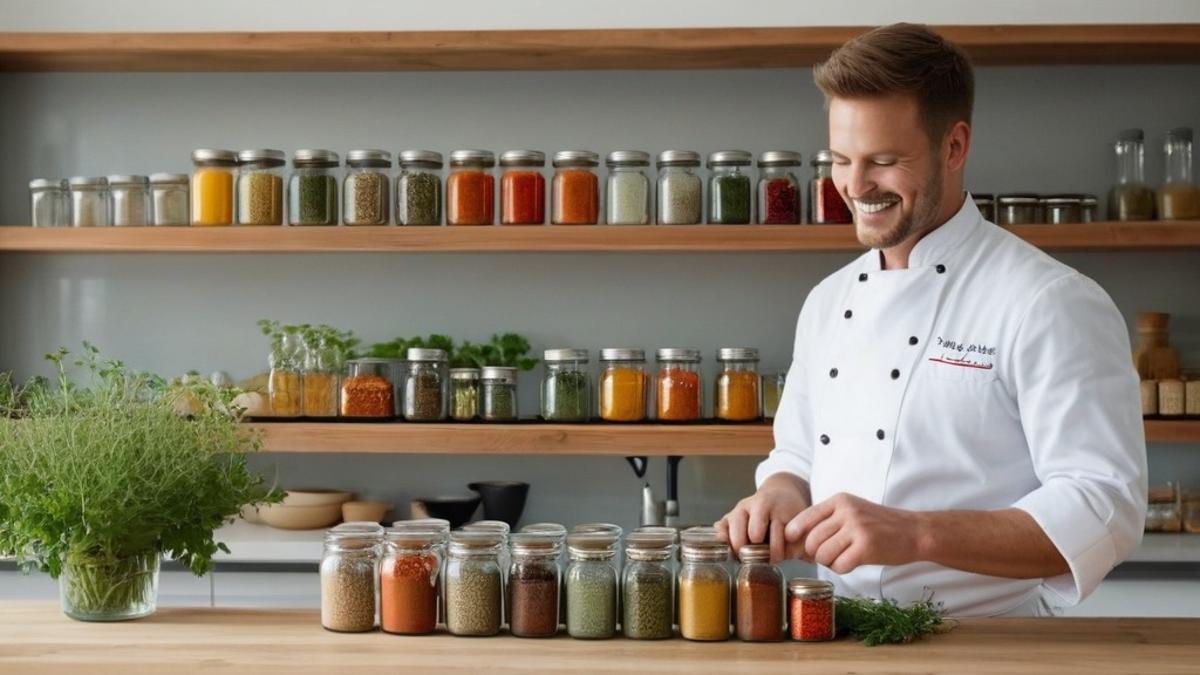
Deep drawers frequently become chaotic catch-alls for utensils, gadgets, and mismatched lids. One of the most practical smart kitchen hacks involves installing adjustable drawer dividers that create designated slots for every item. This prevents the common frustration of digging through a jumbled mess just to locate a whisk or vegetable peeler.
Pull-out shelving systems, particularly beneath sinks or inside pantry cabinets, address another persistent problem area. These installations allow you to access items stored at the back without unloading everything in front. Consider these upgrades for maximum impact:
- Pull-out trash and recycling bins that conceal waste while maximizing floor cabinet space
- Lazy Susans for corner cabinets, transforming notoriously wasted “dead zones” into accessible storage
- Under-shelf baskets that utilize the empty air space between shelves
- Vertical tray dividers for baking sheets, cutting boards, and serving platters
- Clear stackable bins for pantry staples like grains, pasta, and snacks
The Power of Labeling and Clear Containers
Transparency is a surprisingly underrated tool in efficient kitchen organization. When you can see exactly what you own and how much remains, you naturally reduce overbuying and food waste. Clear glass or acrylic containers replace bulky cardboard boxes and mismatched plastic bags, creating visual consistency while extending the shelf life of dry goods.
Labeling takes this concept further. A simple label maker or chalkboard tag system removes the guesswork from meal prep, especially for households juggling multiple cooks or busy family schedules. Studies from home organization retailers suggest labeled pantries can reduce grocery shopping time by up to 20%, since everything has an assigned, memorable place.
These kitchen organization tips collectively reinforce the broader philosophy behind minimalist kitchen ideas: every tool, container, and system should serve a clear purpose. When storage solutions are thoughtfully matched to your actual cooking habits, maintaining order becomes effortless rather than a constant uphill battle against accumulating chaos.
Building a Kitchen That Works for You, Not Against You
Transforming a chaotic kitchen into a functional, breathable space isn’t about buying every trendy organizer on the market. It’s about understanding how you actually cook, shop, and live—then building systems around those real habits rather than idealized ones.
Throughout this guide, one theme remains constant: a true clutter-free kitchen emerges from intentional decisions, not expensive renovations. Zoning your space, maximizing vertical storage, and embracing clear containers all work together to eliminate the daily friction that makes cooking feel like a chore.
Small Changes, Measurable Results
The numbers speak for themselves. Recovering that wasted 30% of cabinet volume or shaving 20% off grocery shopping time isn’t just convenient—it translates into real hours saved every month. Multiply that across a year, and efficient systems start paying dividends far beyond the kitchen itself.
These outcomes prove that decluttering kitchen spaces isn’t a one-time weekend project. It’s an ongoing practice that rewards consistency over perfection.
For households ready to start, consider these final action steps:
- Audit one cabinet or drawer weekly instead of overhauling the entire kitchen at once
- Reassess storage needs seasonally, since cooking habits shift throughout the year
- Involve every household member in maintaining labeled systems for long-term success
- Revisit minimalist kitchen ideas periodically to avoid slipping back into old clutter patterns
Ultimately, the most effective smart kitchen hacks aren’t flashy gadgets—they’re thoughtful habits paired with smart infrastructure. As American homes continue trending toward smaller footprints and multifunctional spaces, mastering efficient kitchen organization will only become more valuable.
Start small, stay consistent, and let your kitchen evolve into a space that genuinely supports the way you live.
Frequently Asked Questions
What are some essential tips for decluttering my kitchen on a budget?
To declutter your kitchen on a budget, start by sorting through your items and keeping only what you truly use and need. Utilize creative storage solutions like repurposed containers or baskets to organize remaining items. Donating any unused appliances or dishes can also free up space without any cost.
How can I maintain a clutter-free kitchen after I’ve organized it?
To maintain a clutter-free kitchen, establish a routine for cleaning and organizing after each use. Implement the ‘one in, one out’ rule, which means for every new item brought into the kitchen, an old item should be removed. Regularly reassess your kitchen items every few months to ensure you’re not accumulating unnecessary clutter again.
What storage solutions work best for small kitchen spaces?
For small kitchens, vertical storage solutions such as shelving, wall-mounted racks, and hanging pots can maximize space. Consider using under-cabinet organizers for spices and pantry items, which help to keep counters clear. Additionally, using drawer dividers and stackable containers can enhance organization and accessibility.
Are there specific organizational hacks for pantry items?
Yes, organizing your pantry can greatly contribute to a clutter-free kitchen. Use clear containers to store dry goods, making it easier to see what you have and preventing overbuying. Label shelves and containers for easy access, and arrange items by category or frequency of use to streamline your cooking process.
How can I deal with kitchen gadgets that I rarely use but don’t want to part with?
For kitchen gadgets that you rarely use, consider storing them in a dedicated bin or cabinet to keep them out of sight yet accessible. If possible, try to limit yourself to just a few versatile tools that can perform multiple functions to save space. You can also set a timer to reassess these gadgets after a few months, ensuring you only keep what truly serves a purpose.

Beatriz
Beatriz Johnson is a seasoned minimalist and writer with a passion for simplifying the complexities of personal organization and intentional living. With over a decade of experience in decluttering strategies and mindful consumption, she specializes in topics like space optimization, habit simplification, and sustainable lifestyle choices. Through her work on our website, Beatriz empowers readers to embrace minimalism, reduce mental and physical clutter, and create more meaningful, organized lives in today's fast-paced world.