The Power of Intentional Living: Organizing Your Home with Multifunctional Furniture and Smart Storage Hacks
The average American home has grown by nearly 1,000 square feet since the 1970s, yet issues related to clutter and disorganization have reached unprecedented levels, posing a fascinating contradiction. This phenomenon is prompting homeowners across the United States to embrace intentional living, a transformative mindset that emphasizes purposefulness over mindless accumulation of belongings.
Rather than merely investing in more storage solutions, individuals are critically evaluating how each item and piece of furniture occupies space within their homes. This mindful approach has sparked change not only in compact urban apartments in places like Brooklyn but also in spacious suburban homes in Texas and beyond. In both settings, there exists a movement toward creating harmonious living spaces that reflect personal values and needs.
Why Multifunctional Furniture Is Gaining Popularity
Multifunctional furniture lies at the heart of the intentional living movement, blending utility with aesthetics. As living spaces become more diverse and dynamic, these versatile pieces cater to various functions without compromising on style. Here are notable examples that exemplify this trend:
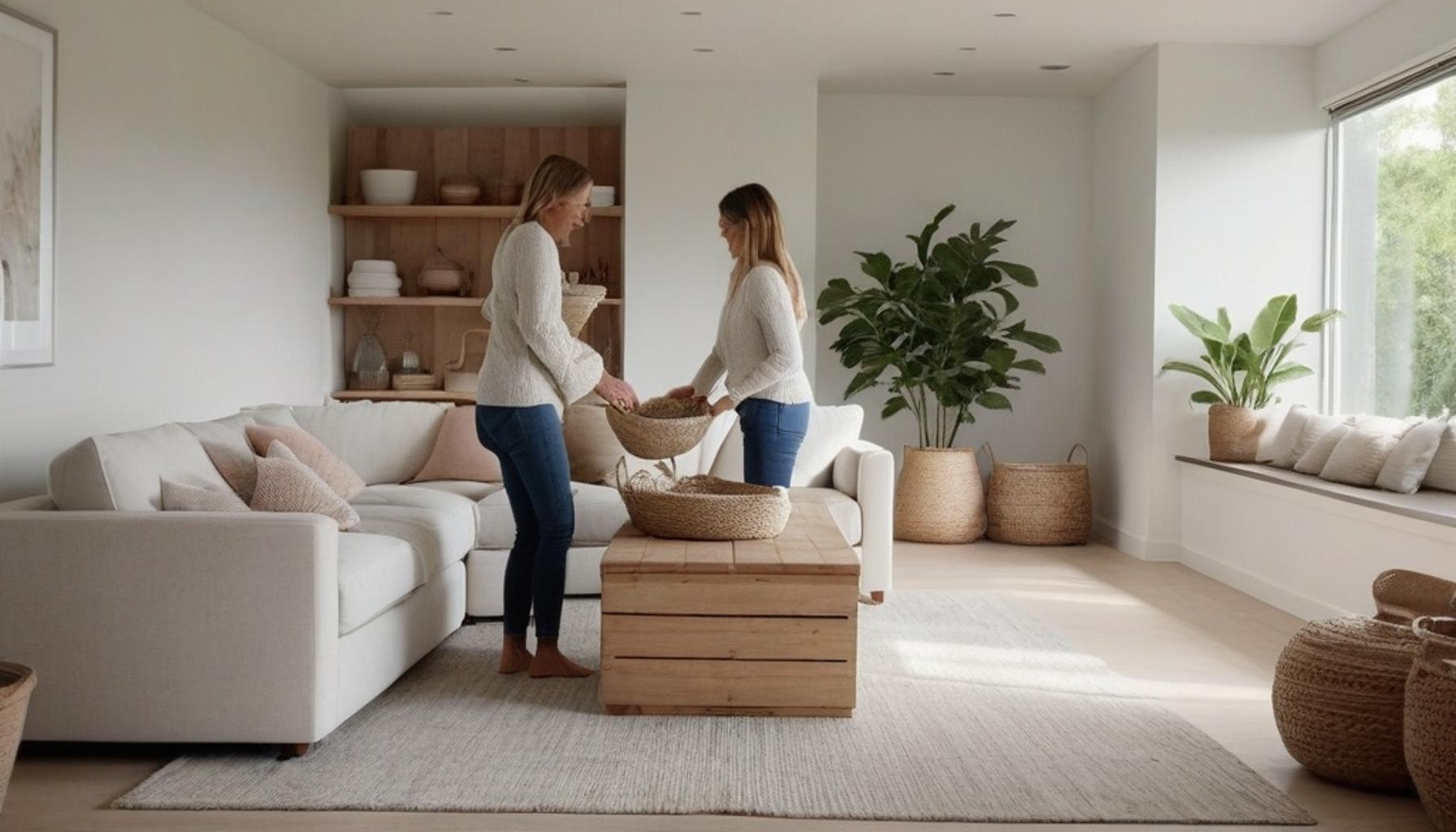
- Storage ottomans: These clever pieces serve not just as stylish footrests or casual seating but also as hidden compartments for blankets, toys, or miscellaneous items, reducing visual clutter.
- Murphy beds: This ingenious design allows a bed to fold away into a wall unit, effectively transforming a guest room into a multi-purpose office or creative space when not in use.
- Extendable dining tables: Perfect for both everyday meals and entertaining guests, these tables can compactly fit into smaller spaces yet expand for larger gatherings, accommodating varying needs seamlessly.
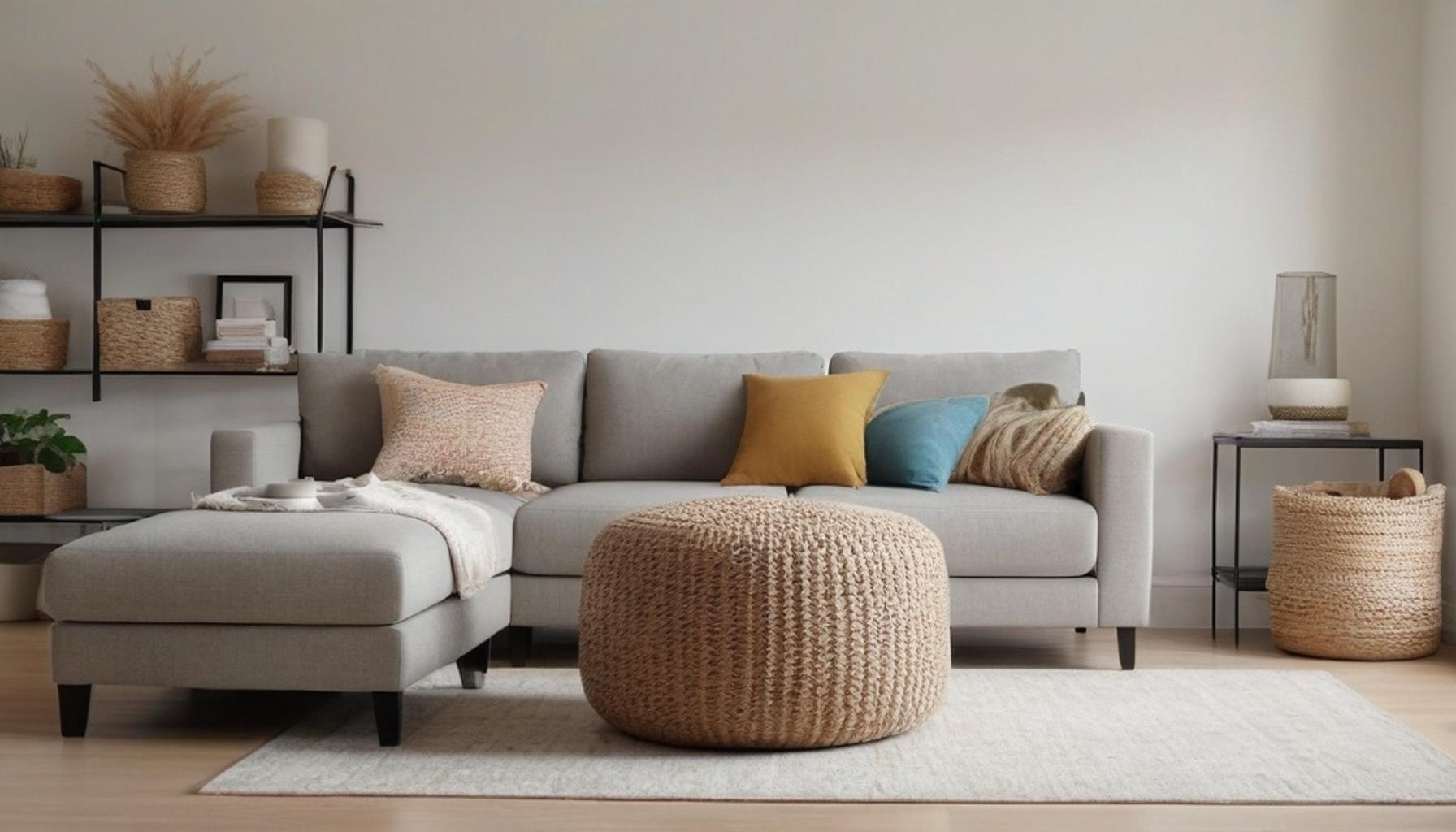
- Modular sofas: Designed with adaptability in mind, these sofas often include built-in shelving or the ability to convert into sleeper beds, proving that comfort and practicality can indeed coexist.
Smart Storage Hacks That Actually Work
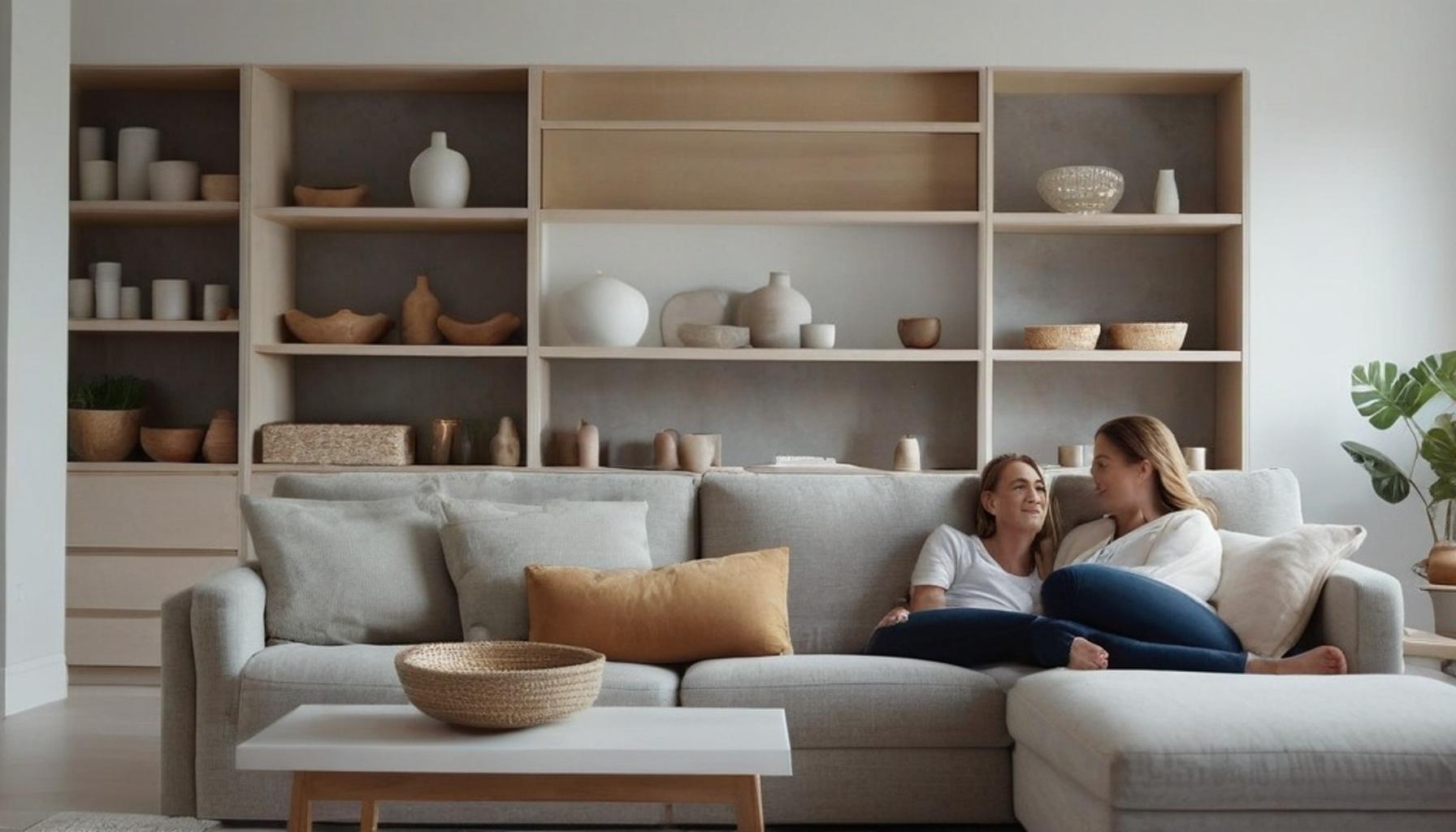
In addition to intelligent furniture choices, smart storage hacks have become essential for anyone looking to maximize their space, particularly renters who may be unable to remodel. Options such as vertical shelving systems, under-bed storage drawers, and over-the-door organizers can reclaim up to 30% more usable space in a typical room, allowing for a more organized environment.
These straightforward home organization ideas often require minimal investment and can lead to significant results in just a few days, transforming chaos into calm.
This article will dive deeper into practical decluttering strategies and insightful mindful living tips that move beyond temporary fixes. Readers will uncover how deliberate furniture selections and innovative storage solutions can metamorphose not just their homes but also their overall quality of life—one intentional decision at a time.
DISCOVER: Click here to explore innovative storage solutions
# The Psychology Behind Intentional Living and Clutter-Free SpacesClutter is not merely a visual nuisance; it carries measurable psychological weight. Research from Princeton University’s Neuroscience Institute found that cluttered environments compete for attention, reducing focus and increasing cortisol levels. This scientific backdrop explains why intentional living has moved from a niche lifestyle choice to a mainstream necessity for millions of Americans seeking mental clarity within their own four walls.Unlike the minimalist movement, which sometimes emphasizes owning as little as possible, intentional living focuses on purposeful consumption. It asks a deceptively simple question: does this item or piece of furniture genuinely serve my life? For many households, this question is reshaping everything from closet contents to living room layouts.
How Room Function Is Being Redefined
One of the most compelling shifts within this movement is the reimagining of what a room can be. Homeowners are no longer confined to rigid definitions of “bedroom,” “office,” or “dining room.” Instead, spaces are being designed to flex according to the rhythms of daily life.This adaptability is precisely where multifunctional furniture earns its reputation as a game-changer. Consider the following real-world applications gaining traction across American households:
- Convertible desks: Wall-mounted units that fold down for remote work sessions, then fold back up to reclaim floor space for yoga or family activities.
- Storage stairs: Increasingly popular in loft-style apartments, these staircases incorporate drawers within each step, offering discreet storage without sacrificing square footage.
- Bed frames with built-in drawers: A favorite among city dwellers, these frames eliminate the need for separate dressers, consolidating bedroom storage into a single footprint.
- Nesting coffee tables: Compact when unused, these tables expand to accommodate guests, then tuck neatly away afterward.
According to a 2023 survey by the American Home Furnishings Alliance, 62% of respondents reported prioritizing multifunctional pieces during their most recent furniture purchase, a significant jump from just 34% five years prior. This data signals a fundamental shift in consumer priorities, moving away from single-purpose items toward furniture that earns its keep in multiple ways.
The Role of Space Audits in Mindful Living
Before diving into decluttering strategies, many organizing professionals recommend conducting a “space audit.” This involves walking through each room and cataloging how frequently items are actually used versus how much space they occupy.This exercise often reveals surprising imbalances. A dining room used twice a year for holidays might occupy 150 square feet, while a home office used daily gets crammed into a closet corner. Recognizing these disparities is often the first practical step toward implementing genuine mindful living tips that create lasting change rather than temporary tidiness.
DON’T MISS OUT: Click here to discover innovative storage solutions
# Smart Storage Hacks That Transform Everyday LivingWalk into any American home built before 2010, and you’ll likely find dead space lurking in predictable places: beneath staircases, above kitchen cabinets, behind doors. Smart storage hacks exist precisely to reclaim these forgotten pockets, turning wasted square footage into functional real estate.The concept isn’t new, but its execution has grown remarkably sophisticated. Organizing consultants now speak of “vertical thinking” as a core principle, encouraging homeowners to look up rather than out when space feels tight.
Vertical Storage as an Underutilized Resource
Ceiling height often goes unappreciated until someone points out how much of it sits empty. Installing shelving that climbs toward the ceiling, rather than stopping at eye level, can add substantial storage without expanding a room’s footprint.Garage organization systems illustrate this well. According to the Self Storage Association, the average American garage stores $3,000 worth of unused items, many of which could be relocated to overhead racks or pegboard walls. This single adjustment often frees enough floor space to park a vehicle indoors again, a small but meaningful reclaiming of intended function.
Practical Home Organization Ideas Room by Room
Different rooms demand different storage philosophies. Below are approaches gaining popularity among professional organizers:
- Kitchens: Pull-out pantry shelves and magnetic knife strips reduce countertop clutter while keeping essentials within arm’s reach.
- Bathrooms: Over-the-toilet cabinets and recessed medicine cabinets exploit wall depth that typically goes unused.
- Entryways: Bench seating with hidden compartments handles shoes and bags without sacrificing a place to sit.
- Closets: Double-hang rods and slim velvet hangers can increase clothing capacity by nearly 50% in the same footprint.
These are not abstract suggestions. They represent tested decluttering strategies that homeowners across climates and housing types, from Brooklyn brownstones to Austin ranch homes, are adopting with measurable results.
The Financial Argument for Organized Living
There’s also an economic case tied to home organization ideas. A 2022 study from the National Association of Productivity and Organizing Professionals found that disorganized households spend an average of 55 minutes daily searching for misplaced items, translating to roughly 335 hours annually.That lost time carries a dollar value when calculated against average hourly wages. Beyond time, cluttered homes also correlate with higher rates of duplicate purchases, since misplaced items often get bought again unnecessarily.Approaching storage with intention, rather than reactive tidying, tends to interrupt this costly cycle. It reframes organization not as an aesthetic preference but as a practical strategy with tangible financial upside, one more reason intentional living continues gaining traction beyond design blogs and into everyday household budgeting conversations.
Rethinking What Home Organization Really Means
The throughline connecting multifunctional furniture, vertical shelving, and pull-out pantries is simpler than it looks: every square foot deserves a purpose. Intentional living isn’t a design trend borrowed from minimalist Instagram accounts. It’s a practical response to shrinking square footage, rising rents, and the quiet frustration of paying for space that clutter renders useless.
Small Changes, Measurable Returns
Swapping a coffee table for one with hidden storage, or adding double-hang rods to a closet, might seem like minor adjustments. But as the data shows, these choices compound. Reclaiming 335 hours a year from searching for lost items, or freeing up enough garage space to park a car again, are not trivial outcomes.
These are the kinds of mindful living tips that shift a household’s daily rhythm without requiring a renovation budget.
A Broader Perspective Worth Considering
What deserves more attention going forward is how decluttering strategies intersect with mental load. Homes cluttered with duplicate purchases and misplaced belongings don’t just cost money, they cost attention. Every unfound item is a small decision point, a moment of friction repeated daily across millions of American households.
Multifunctional furniture and smart storage hacks address the physical clutter. But the underlying shift is behavioral: choosing to evaluate belongings and spaces by function rather than habit.
- Ask whether furniture serves one purpose or several.
- Audit vertical and hidden spaces before assuming a home lacks storage.
- Track recurring purchases to spot organizational blind spots.
None of this demands perfection. It simply asks homeowners to treat space, like time and money, as a finite resource worth managing deliberately. That reframing, more than any single product or hack, is where the real power of intentional living takes hold.
Frequently Asked Questions
What are some examples of multifunctional furniture that promote intentional living?
Multifunctional furniture includes items like sofa beds, storage ottomans, and extendable dining tables. These pieces help save space while serving multiple purposes, allowing you to create a more intentional living environment by maximizing utility without sacrificing style.
How can I implement smart storage hacks in my home to support intentional living?
Smart storage hacks might include using vertical space with wall-mounted shelves, investing in under-bed storage solutions, or utilizing decorative baskets for organization. By decluttering and strategically organizing your belongings, you can create a more peaceful and purposeful living space.
What are the benefits of organizing my home with intentional living principles?
Organizing your home with intentional living principles can lead to reduced stress, increased focus, and a greater sense of clarity. By creating a space that reflects your values and needs, you foster an environment that promotes well-being and productivity.
How do I choose the right multifunctional furniture for my space?
When selecting multifunctional furniture, consider the size of your space, your lifestyle needs, and your aesthetic preferences. Look for pieces that seamlessly blend utility with design, ensuring they fit well within your home while providing additional storage or functionality as needed.

Beatriz
Beatriz Johnson is a seasoned minimalist and writer with a passion for simplifying the complexities of personal organization and intentional living. With over a decade of experience in decluttering strategies and mindful consumption, she specializes in topics like space optimization, habit simplification, and sustainable lifestyle choices. Through her work on our website, Beatriz empowers readers to embrace minimalism, reduce mental and physical clutter, and create more meaningful, organized lives in today's fast-paced world.