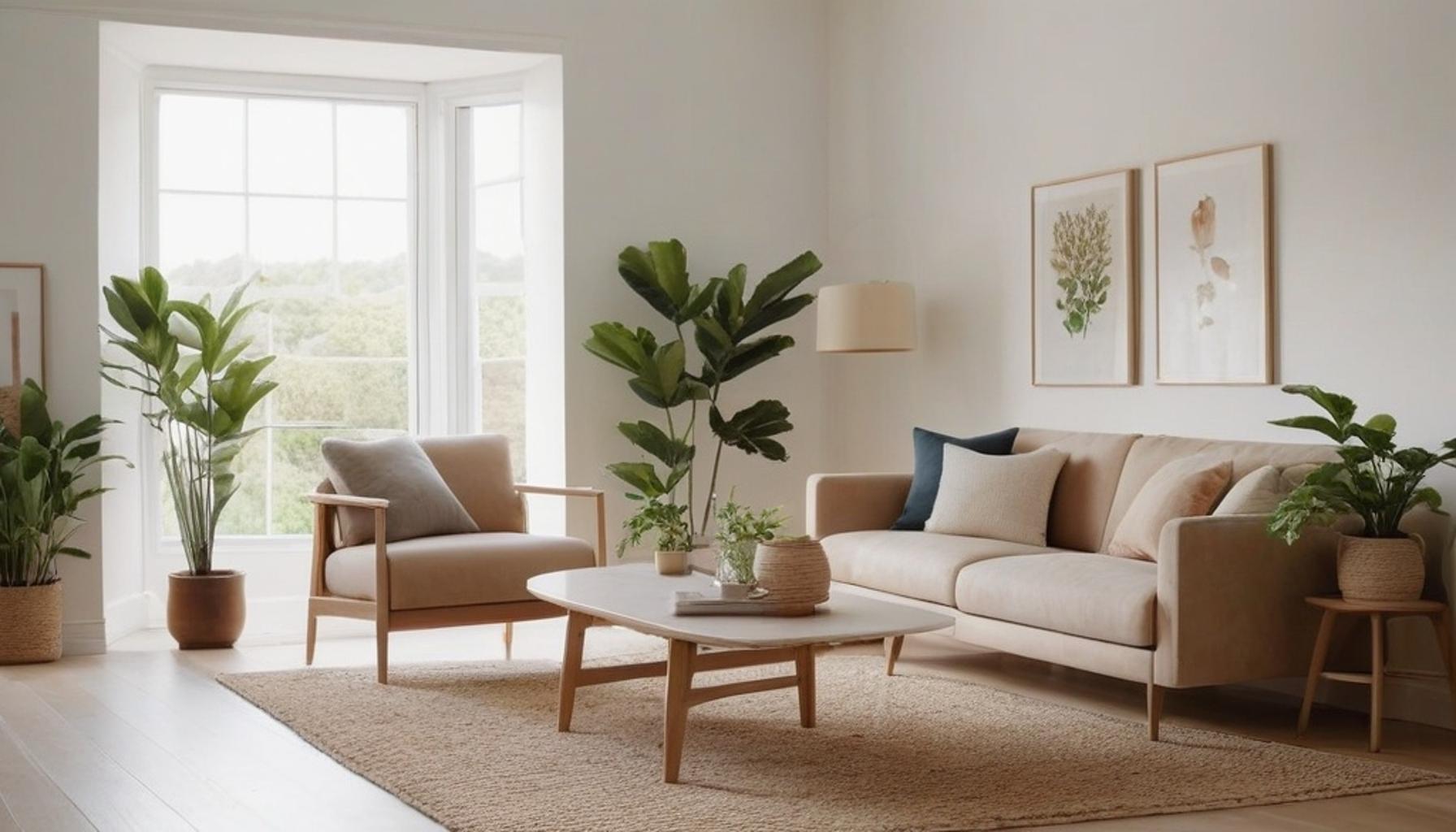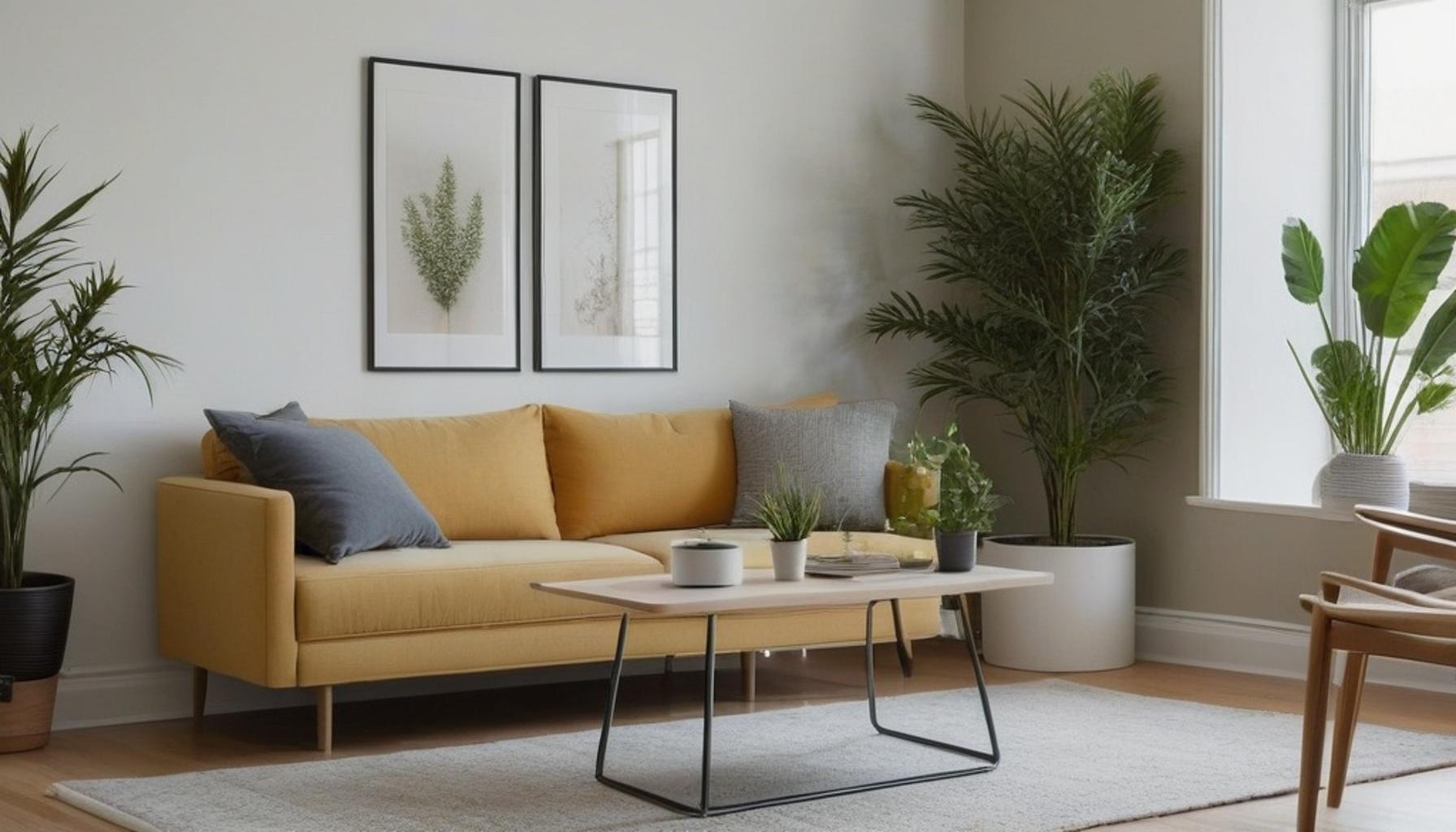
Efficient Living: Integrating Minimalist Design in Workspace Organization
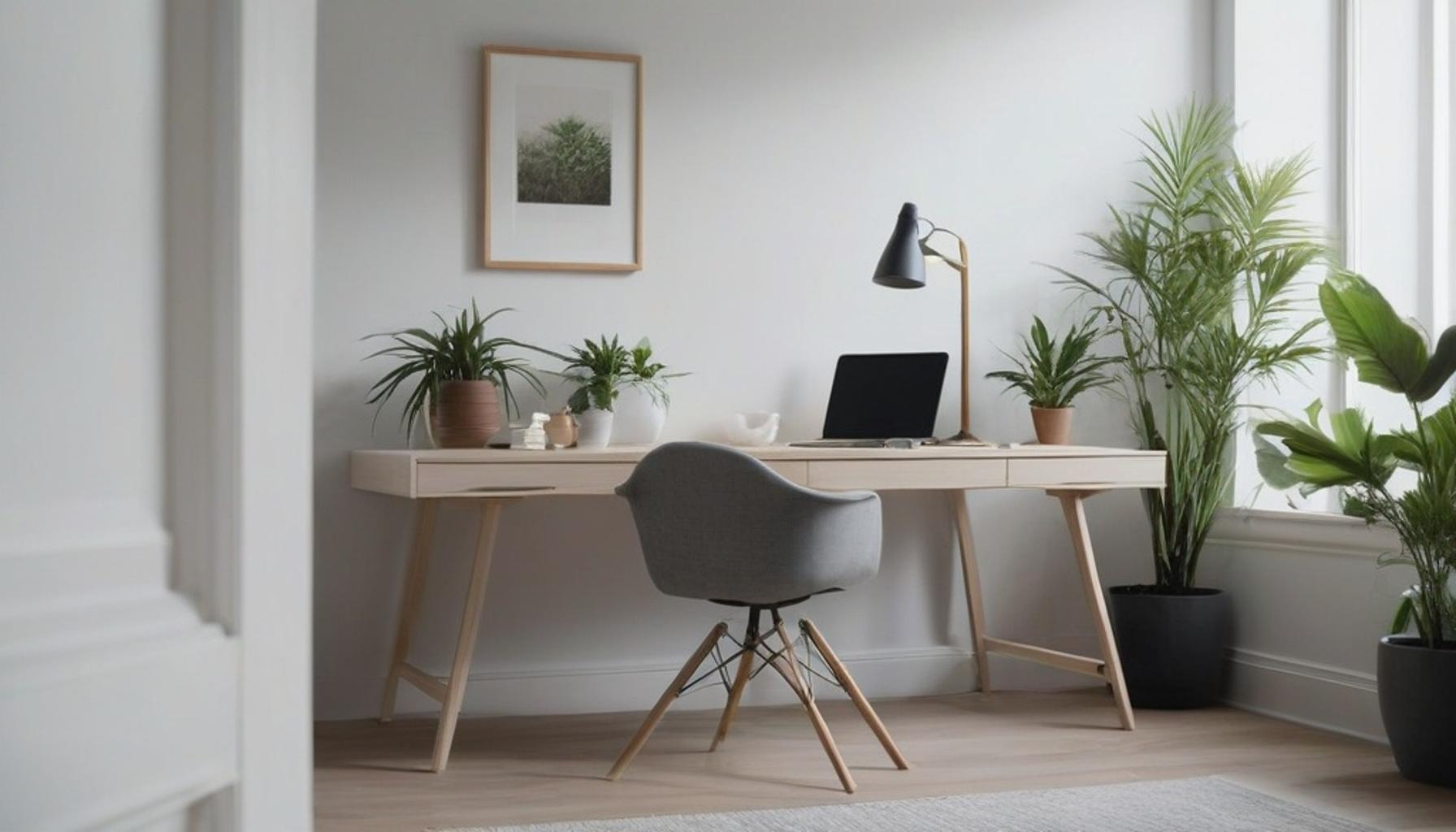
Rethinking the American Desk: Less Clutter, More Clarity
Across the United States, remote and hybrid workers are rethinking what their desks actually need. A cluttered corner in a Brooklyn apartment or a spare bedroom office in suburban Texas can feel equally chaotic without a clear system in place. That’s where minimalist design workspace organization comes in. By focusing on simplicity and functionality, individuals are finding ways to create more productive environments in their homes.
Studies on workplace productivity suggest that visual clutter competes for attention, slowing focus by measurable margins. For instance, a study published in the Journal of Neuroscience indicated that when surrounded by disarray, individuals experienced significant distractions, leading to decreased output. Simplifying a workspace isn’t just an aesthetic trend — it’s a strategy tied to real cognitive benefits, such as improved concentration and mental clarity.
Why Minimalism Is Gaining Ground
Interest in functional minimalist design has surged alongside the rise of remote work. The pandemic-induced shift to working from home has prompted people to search for practical, no-nonsense ways to reclaim their space and focus. Minimalism offers the promise of enhancing mental space by stripping away the non-essential, thus allowing the essential to shine through.
Popular efficient living workspace tips circulating online often include:
- Choosing multi-purpose furniture instead of stacking multiple pieces. Consider a desk that doubles as a shelf or a chair that can also serve as a storage solution.
- Digitizing paperwork to eliminate physical storage needs, which not only saves space but also reduces the time spent searching for documents in piles.
- Using neutral color palettes to reduce visual noise, creating a calming atmosphere that can enhance focus and decrease stress levels.
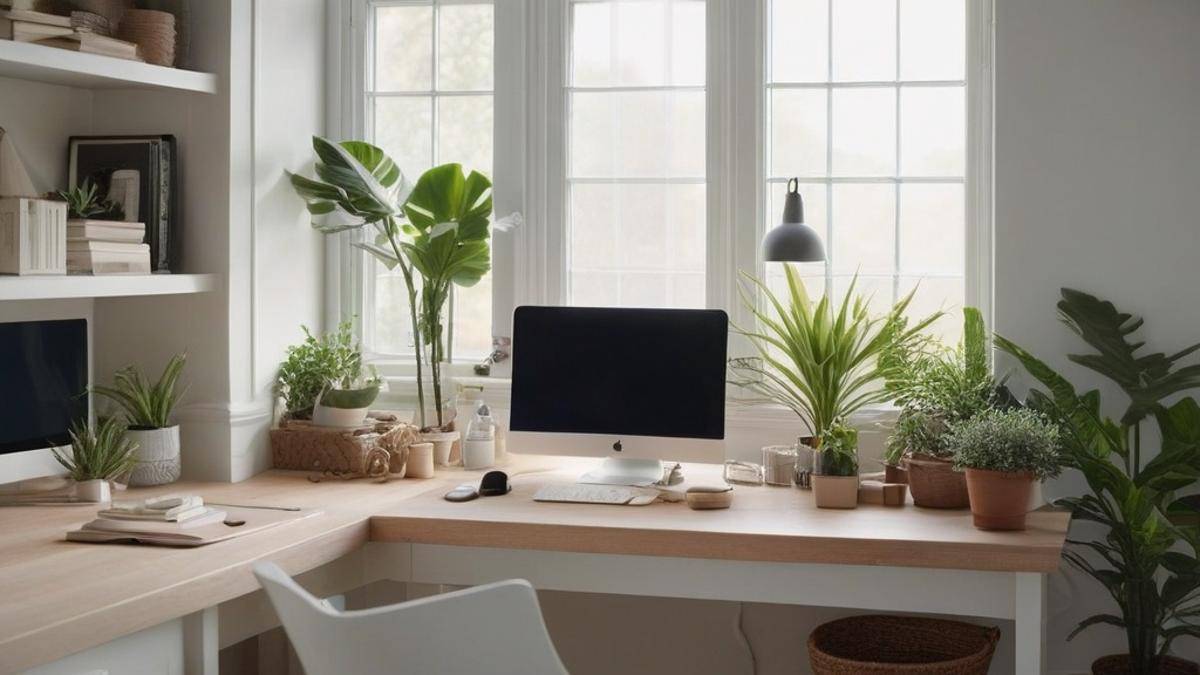
- Limiting desktop items to only daily essentials, such as a computer, a notebook, and perhaps a plant for a touch of nature, which can improve air quality and emotional well-being.
These aren’t abstract ideas — they’re concrete workspace decluttering techniques that anyone can implement this weekend. For example, spending just a few hours organizing could transform a chaotic desk into a serene and inspiring workspace, facilitating greater creativity and efficiency.
What This Article Will Cover
This piece explores how minimalist office organization ideas translate into everyday routines, from small apartments to corporate offices. Each section will take a closer look at practical layouts, offering suggestions for creating an appealing and functional workspace. Readers will discover step-by-step approaches for creating a minimalist workspace that supports both productivity and mental clarity.
Expect specific examples, such as the advantages of using a standing desk to promote better posture, as well as insights into why less truly can mean more when it comes to getting work done. By adopting these practices, individuals can foster an environment that prioritizes well-being and efficiency, ultimately reshaping their work-life balance.
DISCOVER MORE: Click here to learn about smart storage solutions
Building the Foundation: Zoning Your Space for Purpose
Before buying a single storage bin or minimalist desk organizer, professionals who specialize in minimalist design workspace organization recommend starting with zoning. This means mentally — and physically — dividing your workspace into specific areas based on function, rather than letting items pile up wherever there’s room.
A typical home office in cities like Denver or Chicago might benefit from three core zones: a primary work zone for active tasks, a reference zone for materials used occasionally, and a storage zone for items needed only a few times a month. This structure prevents the common mistake of treating an entire desk as one large catch-all surface.
The Psychology Behind Fewer Objects
Research from Princeton University’s Neuroscience Institute found that multiple stimuli competing for attention in one’s visual field can reduce the brain’s ability to process information effectively. Translated into workspace terms, every extra pen holder, stray cable, or unopened mail stack is quietly taxing your cognitive bandwidth.
This is precisely why functional minimalist design isn’t about owning fewer things for the sake of appearances. It’s a deliberate strategy to reduce decision fatigue. When there are fewer objects to process visually, the brain reserves more energy for actual problem-solving and deep work.
Some of the most effective workspace decluttering techniques reported by productivity coaches include:
- The one-in-one-out rule, where introducing a new item to your desk means removing another, keeping total volume consistent over time.
- Weekly five-minute resets, a quick end-of-week habit of clearing surfaces before starting the next work cycle fresh.
- Cable management systems, using clips or sleeves to eliminate the visual chaos of tangled cords behind monitors and laptops.
- Vertical storage solutions, such as wall-mounted shelves, that free up desktop real estate without sacrificing accessibility.
Interior designers across the country have noted a rising demand for minimalist office organization ideas that don’t require significant investment. Many effective changes cost little more than a Saturday afternoon and a trip to a local hardware or home goods store.
Small Space, Big Impact
For workers in compact spaces — think a Manhattan studio or a converted closet office in Seattle — every square inch matters. Here, creating a minimalist workspace often means thinking vertically rather than horizontally, mounting monitors on adjustable arms, or choosing foldable desks that tuck away after hours.
These space-conscious strategies prove that minimalism isn’t reserved for sprawling homes with dedicated offices. It’s an adaptable philosophy, one that scales to fit apartments, garages, and everything in between.
| Key Aspects | Summary |
|---|---|
| Workspace Layout | Efficient use of space through a functional minimalist design reduces clutter and distractions, enhancing productivity. |
| Color Palette | Neutral colors create a calm environment, encouraging focus. Incorporating this into your minimalist office organization can significantly boost concentration. |
| Functional Furniture | Selecting multifunctional furniture maximizes space efficiency and supports workspace decluttering techniques, ensuring every item has a purpose. |
| Personal Items | Limiting personal items to essentials allows for a minimalist design workspace organization that inspires creativity without overwhelming the senses. |
| Technology Integration | Organizing cables and tech gear effectively reduces visual chaos, aligning with efficient living workspace tips and facilitating a clean workspace. |
DIVE DEEPER: Click here for more insights
Choosing Materials and Tools That Support Simplicity
Once zoning establishes the logic of a workspace, the next layer involves selecting furniture and tools that reinforce rather than undermine that structure. Not every product marketed as “minimalist” actually supports minimalist design workspace organization. Some are simply plain-looking clutter in disguise.
Design consultants in cities like Austin and Portland often point clients toward multi-use furniture: a desk with hidden cable trays, a chair that adjusts without extra levers cluttering its frame, or a drawer system that consolidates office supplies into labeled compartments. The goal is fewer objects doing more work.
Material Choices Matter More Than People Expect
A 2022 survey by the American Society of Interior Designers found that natural materials like wood and matte metal were associated with higher reported focus levels compared to glossy plastic surfaces, which tend to reflect light and visually compete with screens. This detail is easy to overlook, yet it plays directly into functional minimalist design principles.
When selecting materials for a home office, consider these factors:
- Matte over glossy finishes, which reduce glare and visual noise during long work sessions.
- Neutral color palettes, such as soft grays, warm beige, or muted greens, shown to support calmer mental states.
- Durable, low-maintenance textures that don’t require constant cleaning or replacement, cutting down on future clutter.
Digital Minimalism Deserves Attention Too
Physical tidiness is only half the equation. Desktop icons, browser tabs, and overflowing inboxes create just as much cognitive drag as a messy shelf. Many professionals pursuing efficient living workspace tips now apply the same zoning logic to their screens.
This might include organizing digital files into three folders — active projects, references, and archives — mirroring the physical zoning system. It also means limiting open browser tabs to single digits, a habit some productivity researchers link to measurable improvements in task-switching speed.
Practical Steps for Long-Term Consistency
Sustaining a decluttered workspace requires more than one dramatic weekend overhaul. It calls for small, repeatable habits woven into daily routines.
Some of the most practical minimalist office organization ideas gaining traction include:
- Daily two-minute clearing before shutting down for the evening, preventing overnight buildup.
- Labeled storage bins that assign a specific home to every recurring item, from chargers to notepads.
- Quarterly audits, where unused tools, outdated documents, or redundant gadgets are reassessed and removed.
These small, consistent actions compound over time, turning a one-time decluttering effort into a lasting lifestyle shift centered on clarity and intention.
Bringing It All Together: A Workspace That Works for You
Across zoning strategies, material choices, and digital habits, one theme keeps surfacing: minimalist design workspace organization is not about owning less for its own sake. It’s about building an environment where every object, surface, and folder earns its place through function.
The research cited throughout this discussion, from the American Society of Interior Designers’ findings on matte materials to productivity studies on tab management, points to a consistent conclusion. Small, deliberate choices compound into significant gains in focus and calm.
Why This Matters Beyond the Desk
What starts as workspace decluttering techniques often spills into other areas of life. Once someone experiences the mental clarity of a well-organized desk, the same logic tends to migrate toward kitchens, closets, and even digital calendars.
This ripple effect is worth watching. As more Americans work from home or split time between offices and remote setups, the demand for adaptable, clutter-resistant systems will likely keep growing. Cities like Austin and Portland may be early adopters, but the underlying principles apply anywhere a laptop and a chair intersect.
Final Thoughts on Creating a Minimalist Workspace
There is no single blueprint for creating a minimalist workspace. What works for a freelance designer in a studio apartment will differ from what suits a remote analyst with a dedicated home office. The common thread is intention: choosing zones, materials, and habits that reduce friction rather than add to it.
Readers curious about functional minimalist design might start small, perhaps with a single drawer or one digital folder, before expanding outward. The broader lesson from this exploration of efficient living workspace tips is that simplicity is rarely accidental. It is built, tested, and refined one deliberate decision at a time.
Frequently Asked Questions
How can I start implementing minimalist design in my home office?
To start implementing minimalist design in your home office, assess your current setup and remove items that are not essential for your daily tasks. Focus on incorporating multifunctional furniture and keeping the color palette neutral to create a calm environment. Organize your work materials in a way that promotes easy access while still maintaining a clutter-free space.
What are the key elements of minimalist design workspace organization?
Key elements of minimalist design workspace organization include simplicity, functionality, and intentionality. Aim for a clean and open space, use storage solutions that are both practical and aesthetically pleasing, and choose decor items that inspire you without overwhelming the environment. This approach not only enhances productivity but also creates a more calming atmosphere.
Can minimalist design help with productivity in a workspace?
Yes, minimalist design can significantly boost productivity in a workspace. By reducing visual clutter and distractions, it helps you focus better on your tasks. A clean and organized environment allows for more efficient workflow and can lead to improved mental clarity.
What are some common mistakes to avoid when creating a minimalist workspace?
Common mistakes to avoid when creating a minimalist workspace include keeping too many non-essential items and neglecting proper storage solutions. Additionally, not establishing a routine for regular decluttering can lead to the gradual accumulation of clutter. It’s important to stick to the core principles of minimalism by regularly assessing your workspace and removing distractions.
How can I maintain a minimalist design in my workspace over time?
To maintain a minimalist design in your workspace over time, schedule regular decluttering sessions and stay mindful of what you bring into the space. Adopt a ‘one in, one out’ rule for new items and consistently evaluate the necessity of each item in your workspace. Keeping your workspace organized and minimal helps in cultivating a more productive and serene environment.
Is it necessary to invest in high-end furniture for a minimalist workspace?
It is not necessary to invest in high-end furniture for a minimalist workspace; the focus should be on functionality and simplicity. Affordable, well-designed pieces that serve multiple purposes can complement the minimalist aesthetic just as well. Look for furniture that is stylish yet practical, allowing you to maintain a clutter-free environment without breaking the bank.

Beatriz
Beatriz Johnson is a seasoned minimalist and writer with a passion for simplifying the complexities of personal organization and intentional living. With over a decade of experience in decluttering strategies and mindful consumption, she specializes in topics like space optimization, habit simplification, and sustainable lifestyle choices. Through her work on our website, Beatriz empowers readers to embrace minimalism, reduce mental and physical clutter, and create more meaningful, organized lives in today's fast-paced world.