The Art of Decluttering: Efficient Habits for a Clutter-Free Home
The average American household contains more than 300,000 items, according to the LA Times, and many families spend hours each week searching for things buried in the chaos. This statistic highlights the growing need for effective organization and decluttering in everyday life. Clutter affects homes across the nation, from overflowing garages in suburban Ohio, packed with forgotten treasures and excess furniture, to cramped studio apartments in New York City, where every inch counts. Clutter quietly drains time, energy, and peace of mind, contributing to stress and frustration in an already fast-paced lifestyle.
Learning how to declutter your home isn’t just about a one-time effort but rather about building sustainable, everyday routines that keep chaos at bay. It involves developing a mindset that recognizes the value of simplicity and order. By establishing systems that prioritize essential belongings and designate places for everything, homeowners can create an environment that is not only functional but also soothing.
What This Guide Will Cover
- Practical decluttering tips and tricks anyone can start today
- The science-backed benefits of decluttering for mental health and productivity
- Efficient decluttering habits that fit into busy American lifestyles
- Creative clutter-free home ideas for small spaces and large families alike
Each section of this guide aims to provide practical advice and valuable insights. For instance, one effective tip for immediate decluttering is the “One In, One Out” rule. Whenever you acquire a new item, like a trendy shirt or the latest kitchen gadget, commit to removing an old item from your home. This practice not only curbs impulse buys but also encourages conscious decision-making regarding your belongings.
Moreover, studies show that a clutter-free space can significantly enhance mental clarity and productivity. Decluttering has been linked to reduced stress levels and improved focus, allowing individuals to channel their energies into more productive pursuits or simply enjoy a calming atmosphere. A neat, organized home can transform a chaotic mind into one that fosters creativity and tranquility.
Whether you’re prepping for a move, tackling a garage that hasn’t seen the floor in years, or simply craving a calmer living room, this guide offers real, actionable strategies. From employing storage solutions that maximize vertical space for small apartments to creative ideas such as using decorative baskets in family rooms, there’s something for everyone. Decluttering is not about adhering to impossible standards of minimalism; it’s about finding what works for your life and developing systems that ensure your home feels like a sanctuary rather than a source of stress.
DISCOVER MORE: Click here for additional insights
Before diving into solutions for creating a clutter-free home, it’s worth asking: why do Americans accumulate so much stuff in the first place? The answer lies in a complex interplay of factors such as consumer culture, emotional attachment, and the absence of organizational systems to effectively manage the influx of belongings entering our homes.
The Art of Decluttering
The journey towards effective decluttering begins with recognizing patterns of consumption and accumulation. Retail therapy has become a prevalent coping mechanism for many, as shopping offers a temporary dopamine boost amidst daily stressors. Seasonal sales and the convenience of online shopping have taken this habit to unprecedented levels, making it easier than ever to collect items. According to data from the self-storage industry, a staggering one in ten Americans rents a storage unit, spending an average of $180 per month just to house items that do not fit into their homes. This amounts to over $2,000 annually dedicated to storing possessions instead of utilizing that space for living.
Common Culprits Behind the Chaos
Certain categories of items tend to clutter homes at a faster pace, leading to predictable clutter hotspots in most American households. These trouble spots include:
- Sentimental items — These can range from old greeting cards and childhood toys to inherited furniture, which often carry emotional weight that makes them feel impossible to part with.
- “Just in case” purchases — Common examples include duplicate kitchen tools, extra office supplies, or clothing kept for hypothetical future use that may never arise.
- Paper clutter — Accumulations of mail, receipts, and old documents can easily pile up, turning counters and drawers into overwhelming messes.
- Outdated technology — Items such as old phones, chargers, and obsolete gadgets tend to be stashed away for fear of needing them later, creating unnecessary clutter.
- Impulse buys — These are often the result of flashy sales events (e.g., Black Friday or Cyber Monday) that lead to purchases of items that never quite find their place in the home.
Understanding these patterns is the crucial first step towards building efficient decluttering habits that can last. Simply removing clutter during one session won’t address the underlying issues if the same behaviors continue to manifest.
The Psychology Behind Letting Go
Interestingly, decluttering isn’t solely a logistical challenge; it’s fundamentally psychological as well. Research from Princeton University indicates that visual clutter competes for attention in the brain, making it difficult to focus and process information effectively. This may explain why many people experience a strong sense of relief after clearing out a messy space.
Learning how to declutter your home effectively means understanding both the physical and emotional aspects of accumulation. For many individuals, the act of letting go isn’t just about discarding items; it’s often tied to releasing memories, identities, or even fears of future scarcity. This connection helps explain why decluttering can feel overwhelmingly challenging.
Finding Solutions that Work
The good news is that once you identify your personal clutter triggers—whether they stem from nostalgia, impulse buying, or procrastination—you can apply tailored decluttering tips and tricks. These tips focus on addressing specific habits rather than relying on generic advice that may not resonate with your lifestyle. Consider strategies like the “one in, one out” rule or setting a timer to tackle clutter in manageable increments. Additionally, organizing your items by category can help visualize what you truly need versus what is merely taking up space.
Ultimately, the journey to a clutter-free home is a path of both practical organization and self-discovery. With the right mindset and actionable strategies, embracing a more simplified living space is achievable, leading not just to a more orderly home, but a clearer mind as well. Embracing this mindset can be the first big step towards a lifestyle where your possessions serve you, rather than overwhelm you.
| Key Aspects | Description |
|---|---|
| Mindful Decision Making | Evaluate every item in your home by asking if it serves a purpose or brings joy. This principle fosters intentionality. |
| Daily Decluttering Routine | Incorporating short, daily decluttering sessions helps maintain a clutter-free home and combats accumulation effectively. |
| Organizational Systems | Implementing efficient storage solutions ensures everything has a designated space, reducing visual clutter and streamlining daily tasks. |
| Technology for Decluttering | Utilizing apps and online tools can enhance your decluttering process, making it easier to manage and visualize your progress. |
DISCOVER MORE: Click here to dive deeper
Building Systems That Stick: Practical Approaches to a Tidier Life
Once the psychological groundwork has been laid, the next phase in the art of decluttering involves creating systems that prevent clutter from creeping back in. Organizational experts agree that sustainable tidiness isn’t about a single weekend purge—it’s about establishing routines that make maintaining order almost automatic.
Room-by-Room Strategies for Lasting Results
One of the most effective clutter-free home ideas is tackling spaces methodically rather than attempting to overhaul an entire house in one exhausting session. Professional organizers often recommend starting with high-traffic areas first, since these spaces tend to accumulate mess the fastest and offer the most immediate visual payoff.
- Kitchens — Rotating through cabinets and discarding expired pantry items or duplicate gadgets can free up significant storage space.
- Closets — Applying the “hanger trick,” where clothing hangers are reversed and flipped only after wearing an item, reveals which pieces are truly in rotation versus which have gone untouched for a year or more.
- Entryways — Installing designated hooks, baskets, or shoe racks near the front door minimizes the daily pile-up of coats, bags, and mail.
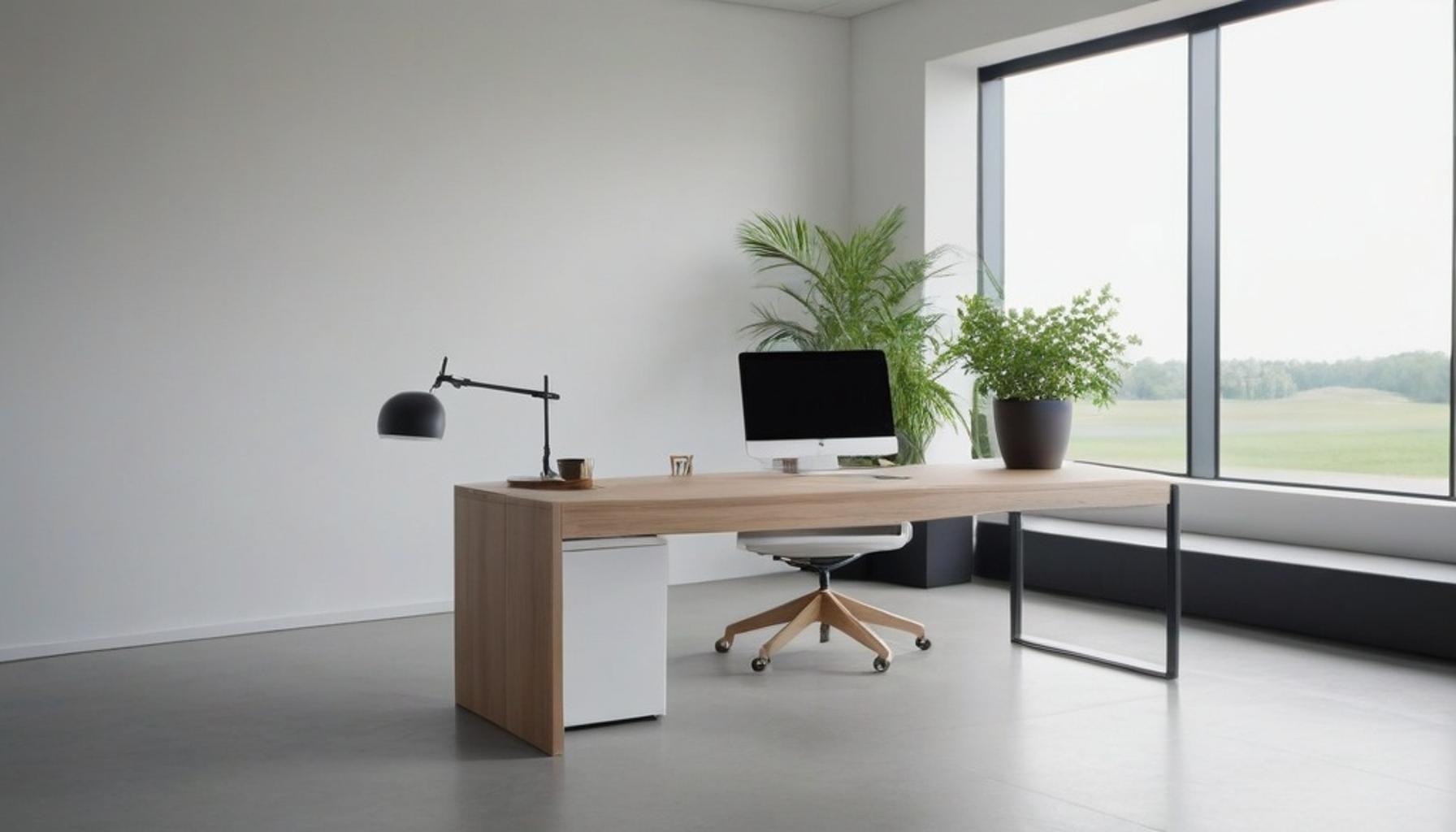
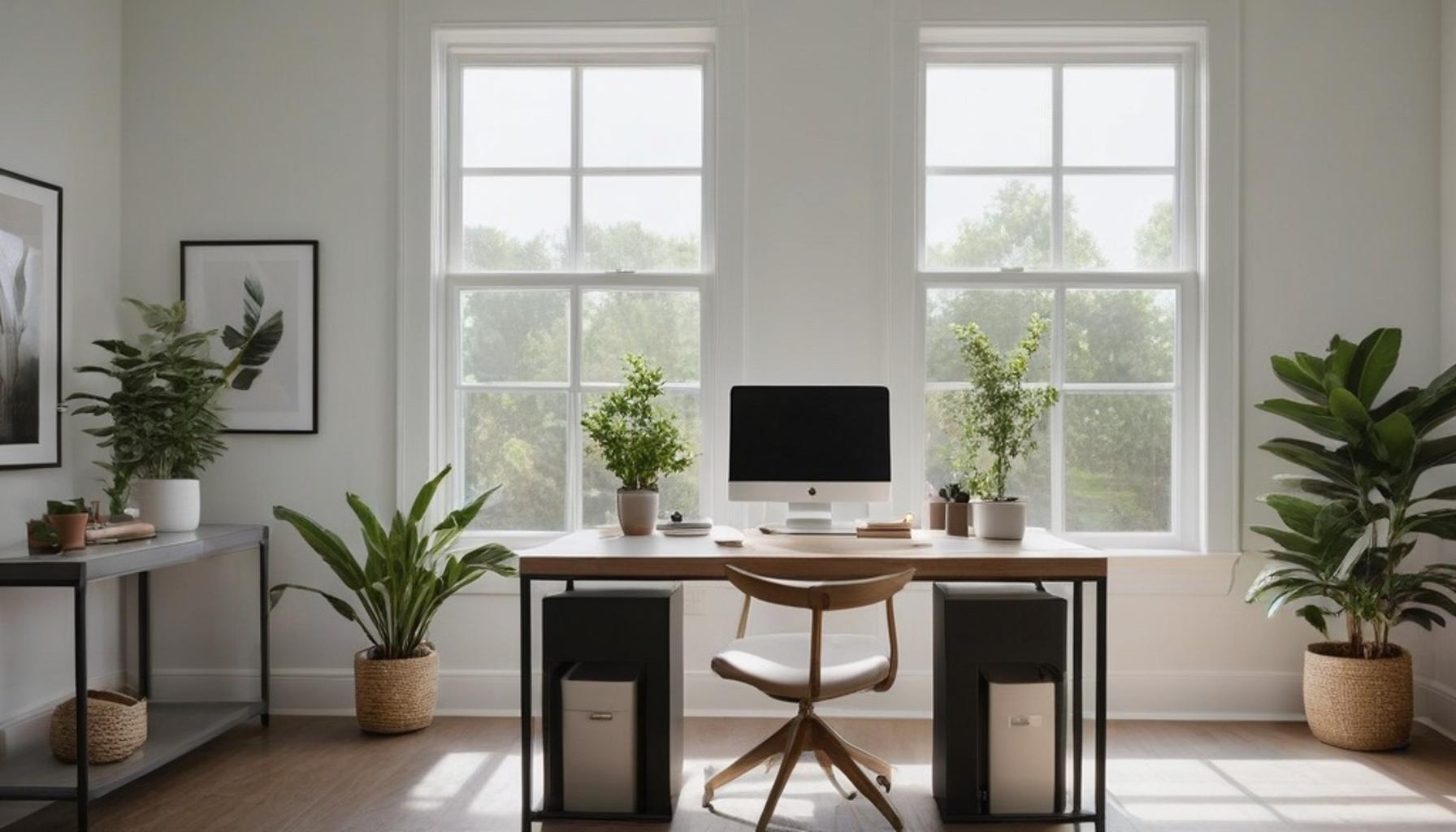
- Home offices — Digitizing paperwork and setting up a simple filing system can drastically cut down on paper clutter that accumulates on desks.
These targeted approaches make how to declutter your home feel less daunting, breaking the process into achievable, bite-sized tasks rather than one overwhelming project.
The Measurable Benefits of Staying Organized
The benefits of decluttering extend far beyond aesthetics. A study published by the American Psychological Association found that individuals living in cluttered environments reported higher cortisol levels—the hormone associated with stress—compared to those in tidy spaces. Beyond mental health, decluttering can also translate into tangible savings. Households that regularly purge unused items report spending up to 20% less on duplicate purchases, simply because they can locate what they already own.
There’s also a financial upside to letting go: platforms like Facebook Marketplace, Poshmark, and eBay have made it easier than ever to resell unwanted items, turning clutter into extra cash rather than landfill waste.
Efficient Habits Worth Adopting Today
Building efficient decluttering habits often comes down to small, consistent actions rather than dramatic overhauls. Consider incorporating these decluttering tips and tricks into your weekly routine:
- Dedicate 10 minutes daily to a “clutter sweep,” returning misplaced items to their designated spots.
- Adopt a “one-touch rule,” handling mail, packages, and papers immediately instead of letting them pile up.
- Schedule quarterly closet audits to reassess seasonal clothing and donate items no longer in use.
- Use clear bins and labels to maintain visibility, reducing the temptation to purchase duplicates of items already on hand.
These small, repeatable actions compound over time, transforming decluttering from an occasional chore into an effortless part of everyday life.
DISCOVER MORE: Click here for additional insights
Turning Small Wins Into a Lifelong Practice
Mastering the art of decluttering isn’t about achieving a magazine-worthy home overnight. It’s about recognizing that clutter is less a design flaw and more a byproduct of unexamined habits—habits that can be reshaped with intention and patience.
Across this article, one theme has surfaced repeatedly: sustainable change happens in layers. Understanding the emotional attachments behind physical belongings sets the foundation, while room-by-room strategies and daily micro-habits build the structure that keeps disorder at bay. Neither approach works particularly well in isolation. Together, they create a feedback loop where less clutter leads to less stress, which in turn makes it easier to maintain a clear space.
Why This Matters Beyond the Living Room
The benefits of decluttering reach into areas many homeowners don’t initially consider—improved sleep quality, more efficient mornings, and even stronger relationships, since shared spaces free of visual noise tend to reduce household friction. Financial researchers have also noted that Americans spend an estimated $1,700 annually replacing items they already own but simply cannot locate, a statistic that alone justifies investing time in efficient decluttering habits.
For readers wondering how to declutter your home without feeling overwhelmed, the answer lies in consistency rather than intensity. A single afternoon of aggressive purging rarely produces lasting results; ten minutes a day, repeated across months, almost always does.
As more clutter-free home ideas continue to circulate—from minimalist storage solutions to digital organization apps—the underlying principle remains unchanged. Spaces reflect habits, and habits are entirely within one’s control to adjust.
Anyone ready to explore further might consider researching the growing body of work on minimalism’s psychological effects, or simply start with one drawer today. Either path leads toward the same destination: a home that feels lighter, calmer, and genuinely lived-in rather than merely stored in.
Frequently Asked Questions
What are the most effective strategies for starting the art of decluttering my home?
Begin by setting specific goals for each room and tackle one area at a time to avoid feeling overwhelmed. Use methods like the Marie Kondo technique, where you only keep items that ‘spark joy,’ or the ‘Four-Box Method’ to categorize items as keep, donate, discard, or store.
How often should I practice the art of decluttering to maintain a clutter-free home?
To maintain a tidy space, consider implementing a decluttering routine every month or at the start of each season. Additionally, adopt the habit of reassessing your belongings regularly, ensuring that new items brought into your home align with your decluttering goals.
What tools or supplies are helpful in the art of decluttering?
Essential tools include boxes or bins for sorting items, trash bags for discarding, and storage solutions like shelving or baskets for organizing what you choose to keep. Labeling these containers can enhance efficiency and help you stay committed to the decluttering process.
How can I emotionally prepare myself for the art of decluttering, especially with sentimental items?
Acknowledge that letting go of sentimental items can be challenging. Start by allowing yourself to keep a few cherished items that hold the most meaning and document others through photos, which can provide a sense of connection without the physical clutter.
What role does mindset play in the art of decluttering?
Your mindset is crucial in the art of decluttering. Cultivating a positive attitude towards minimalism and viewing decluttering as a contribution to a more serene and organized life can motivate you to stick with your decluttering habits long-term.
Can I involve my family in the art of decluttering, and if so, how?
Absolutely! Engage your family by making decluttering a fun and collaborative activity. Set a date for a family decluttering day, and assign each person a space to tackle, encouraging teamwork and shared responsibility for the home environment.

Beatriz
Beatriz Johnson is a seasoned minimalist and writer with a passion for simplifying the complexities of personal organization and intentional living. With over a decade of experience in decluttering strategies and mindful consumption, she specializes in topics like space optimization, habit simplification, and sustainable lifestyle choices. Through her work on our website, Beatriz empowers readers to embrace minimalism, reduce mental and physical clutter, and create more meaningful, organized lives in today's fast-paced world.