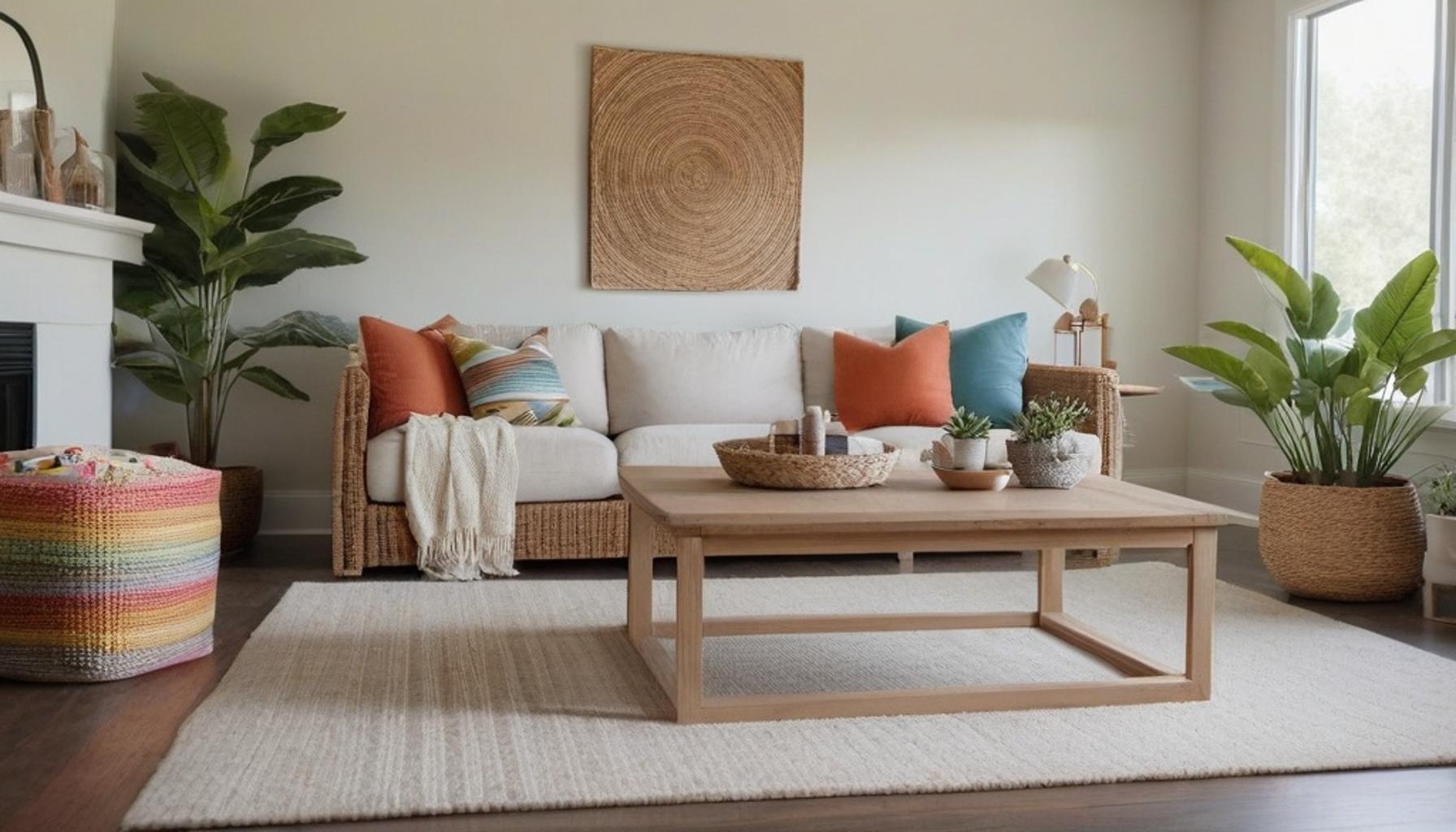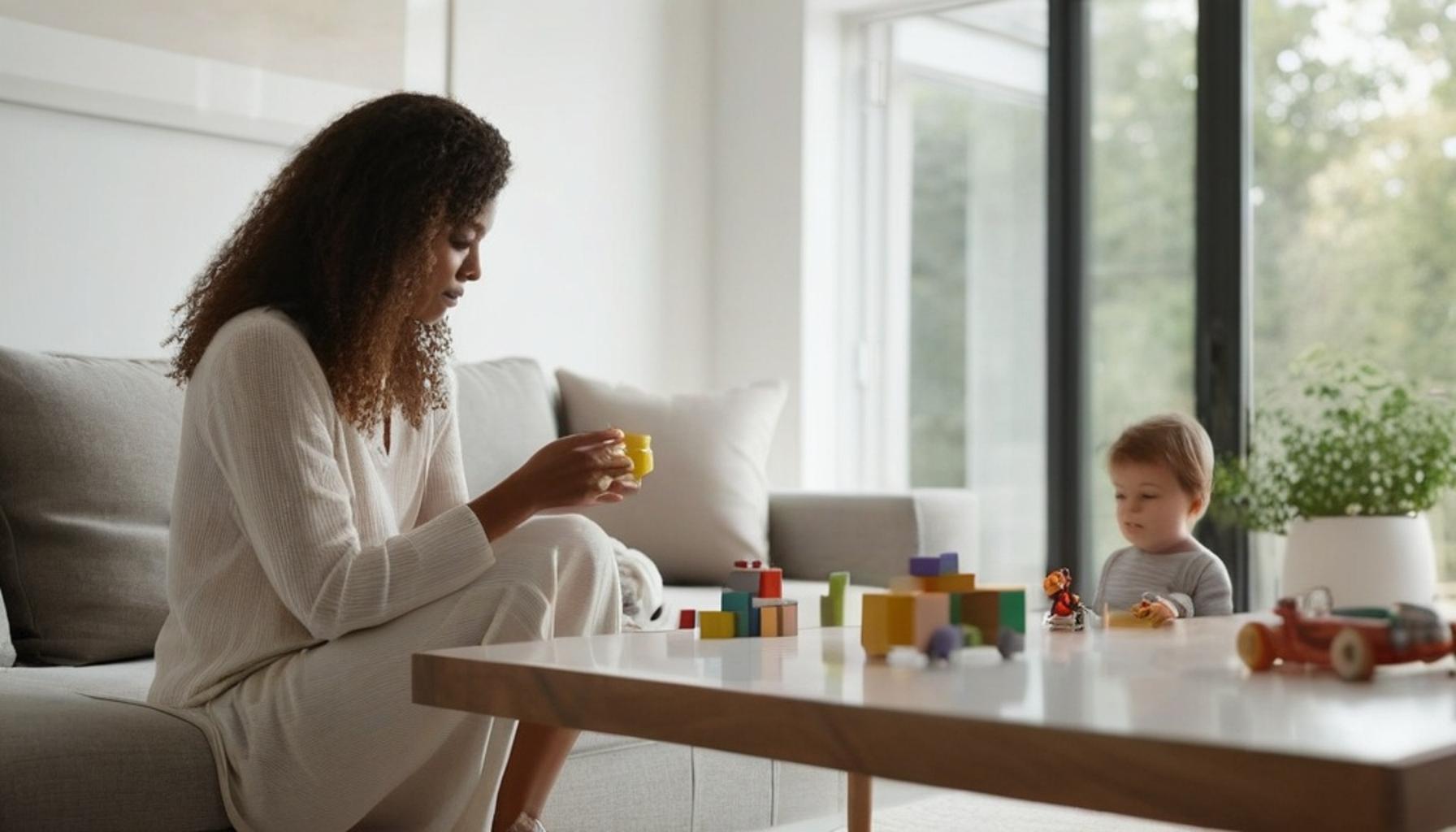
Efficient Living: Integrating Multifunctional Furniture in Your Home Organization
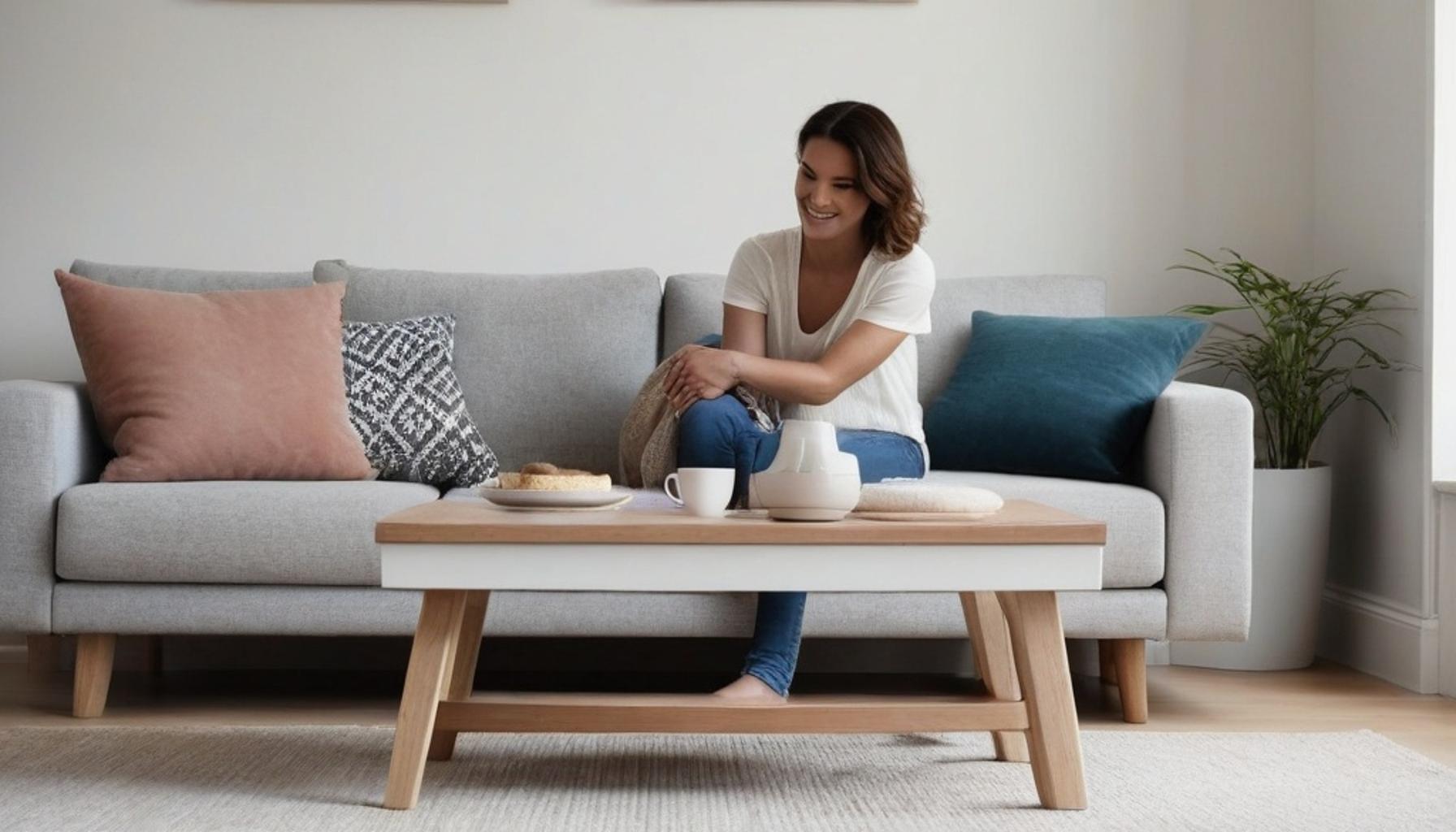
Rethinking Space in the Modern American Home
In today’s urban landscapes, the trend of downsizing residential spaces has reached unprecedented levels. Major metropolitan areas across the United States, including New York, San Francisco, and Chicago, are grappling with shrinking square footage, as the average American apartment now measures under 900 square feet, according to recent housing data. As living spaces become increasingly compact, homeowners and renters are challenged to reevaluate how they utilize every inch of their homes.
To address these space constraints, multifunctional furniture emerges as a practical solution tailored specifically for this dilemma. No longer limited to the realm of tiny studios or college dormitories, multifunctional furniture has transitioned into a widely embraced trend, representing a savvy approach to efficient living solutions that can adapt to various needs.
Why This Matters Right Now
The demand for furniture that serves multiple purposes is on the rise, as noted by interior designers who are seeing increased requests for products that offer versatility. For example, consider the classic sofa bed, designed not only for seating but also functioning as a comfortable sleeping space for guests. Additionally, coffee tables that convert into dining tables provide unexpected flexibility for homeowners, allowing them to host larger gatherings without needing a dedicated dining room. Ottomans that serve as both extra seating and concealed storage options illustrate another way to maximize utility in a limited area.
Moreover, this movement towards multifunctional furniture is not solely about maximizing space; it is about creating a home environment that seamlessly adapts to our evolving lifestyles. Highlighted below are several key areas where this trend significantly impacts modern living:
- Space-saving furniture designed to maximize small footprints effectively enhances the usability of any room.
- Storage-integrated pieces eliminate clutter with innovative designs that encourage organization and tidiness.
- Convertible designs cater to the burgeoning need for flexible home environments—perfect for those juggling a home office, guest room, or nursery all within the same space.
- Versatile home decor that shifts easily with seasons or lifestyle changes empowers individuals to refresh their spaces without significant investment.
Beyond their practicality, many multifunctional pieces boast stunning designs that merge aesthetic appeal with utility. This balance proves that home organization tips can enhance living spaces without sacrificing style, showcasing how innovative design can uplift and transform even the smallest areas.
In conclusion, exploring furniture for small spaces opens up new possibilities for enhancing everyday routines, reducing chaos, and empowering American households to live smarter rather than simply smaller. The integration of multifunctional furniture offers a glimpse into the future of interior design, where adaptability and style coexist harmoniously, allowing us all to make the most of our homes.
DISCOVER MORE: Click here for further insights
The Anatomy of Smart Furniture Choices
Walk into any furniture showroom across the country today, and you’ll notice a shift. Retailers from Los Angeles to Boston are dedicating entire floor sections to pieces that do more than one job. This isn’t a fleeting fad—it’s a direct response to how Americans are actually living now, with remote work, smaller households, and rising rent prices reshaping our priorities. The increasing need for adaptability in our living spaces is evident, and the furniture industry is responding with innovative solutions that affirm our evolving lifestyles.
Understanding what makes multifunctional furniture genuinely effective requires looking beyond marketing buzzwords. The best pieces share specific characteristics that set them apart from standard furniture options. They are designed not merely for aesthetic appeal but also for practicality, quickly becoming essential in homes that are adapting to modern living demands.
Core Features to Look For
When shopping for space-saving furniture, certain design elements consistently deliver the most value. These features determine whether a piece truly earns its place in a compact home:
- Modular components that can be rearranged or expanded as your household needs change over time. For instance, sectional sofas allow users to add or remove pieces based on daily requirements or entertaining needs.
- Hidden storage compartments built into beds, benches, and stairs that turn dead space into usable square footage. An innovative bed frame might contain drawers underneath, seamlessly integrating storage solutions without occupying additional real estate.
- Fold-away mechanisms that allow desks, tables, or beds to disappear when not in use, thereby freeing up floor space instantly. Consider a wall-mounted desk that folds down for work or study, then tucks away to make room for social gatherings.
- Durable, lightweight materials that make repositioning furniture easy without sacrificing structural integrity. Materials such as engineered wood or advanced polymers can provide both style and functionality without the cumbersome weight.
Take the Murphy bed, for instance. Once considered a relic of vintage apartments, it has experienced a remarkable resurgence, particularly among renters in cities like Seattle and Austin who need a home office by day and a bedroom by night. This adaptability exemplifies the intersection of form and function, making such pieces a modern necessity in the urban landscape. Similarly, nesting tables have become a staple for those seeking efficient living solutions without the bulk of traditional side tables, adeptly rearranging with ease to accommodate daily life.
Data from the furniture industry supports this shift. According to a 2023 report by the Home Furnishings Association, sales of convertible and space-saving furniture categories grew by nearly 18 percent year-over-year, outpacing traditional furniture segments significantly. This substantial growth signals a fundamental change in consumer priorities, as people increasingly value versatility and efficiency in their purchases. The rise of remote work and compact apartments is merely the catalyst for an enduring shift toward practical design.
What’s particularly compelling is how these choices ripple into daily routines. A well-chosen storage ottoman doesn’t just save space; it actively encourages better habits, prompting households to put things away rather than letting clutter accumulate on visible surfaces. This is where home organization tips and furniture design intersect most powerfully, creating systems that work with, rather than against, our natural tendencies. By integrating clever designs that facilitate organization, we don’t merely fend off clutter—we create a more serene living environment, improving our overall quality of life.
Ultimately, the evolution of furniture is not solely about aesthetics; it embodies a shift in lifestyle, making smart furniture choices pivotal in navigating today’s modern living demands. This trend promises to continue growing, influencing how we think about our spaces, our belongings, and the very essence of home.
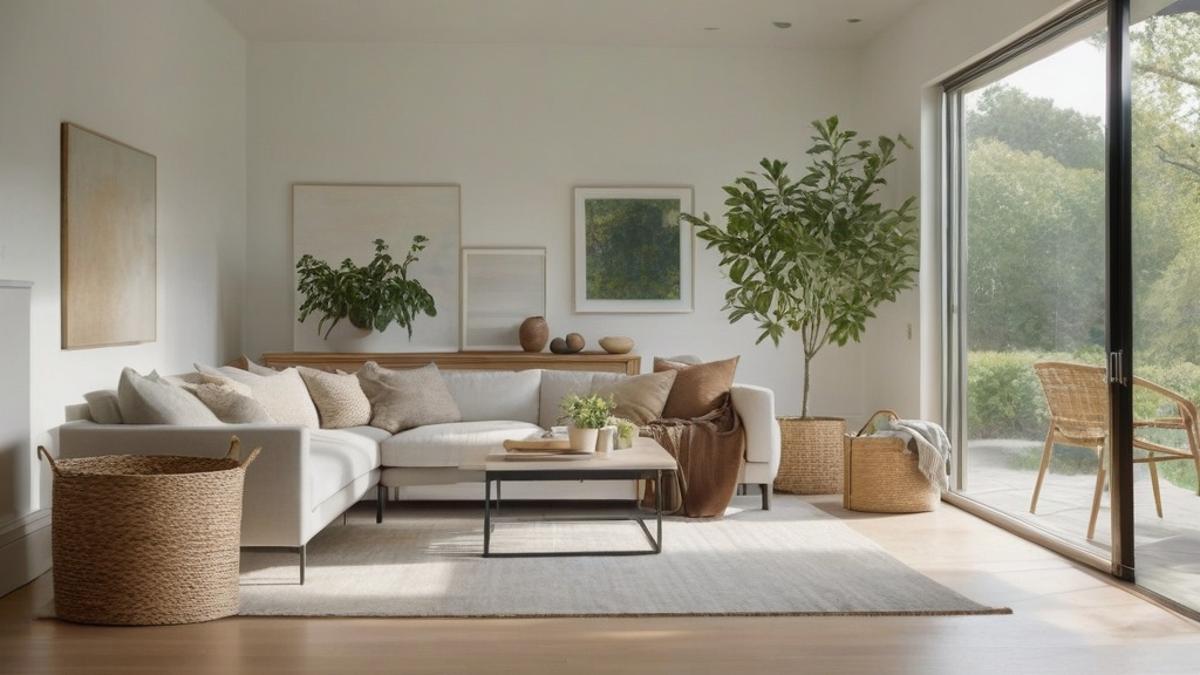
DISCOVER MORE: Click here to learn more
# Efficient Living: Integrating Multifunctional Furniture in Your Home Organization
Room-by-Room Strategies for Maximum Impact
Knowing the theory behind multifunctional furniture is one thing; applying it strategically throughout an actual home is another challenge entirely. Different rooms present different obstacles, and savvy homeowners are learning to tailor their approach based on how each space actually functions in daily life.
The living room, often the most trafficked area in any home, benefits enormously from pieces that transition between activities without requiring a complete rearrangement. A coffee table with a lift-top surface, for example, can become a makeshift desk during work hours and revert to its original purpose by evening.
Bedrooms and the Rise of Vertical Thinking
Bedrooms in smaller apartments, particularly in cities like New York and San Francisco where square footage commands a premium, have become testing grounds for creative furniture for small spaces. Platform beds with built-in shelving eliminate the need for separate nightstands entirely.
Loft-style bed frames, once associated primarily with college dorms, have found new life among urban professionals. Elevating the sleeping area to create a functional workspace or reading nook underneath is no longer a novelty; it’s becoming a legitimate design category, with major retailers like West Elm and IKEA expanding their offerings in this segment.
- Wall-mounted nightstands that fold flat when not needed, ideal for rooms where even a few inches of floor space matter.
- Under-bed storage drawers designed specifically for seasonal clothing rotation, a practical solution for households without basement or attic access.
- Convertible closets featuring adjustable rods and shelves that adapt as wardrobe needs shift throughout the year.
Kitchens and Dining Areas Reimagined
Kitchens present unique constraints since plumbing and electrical considerations limit how much furniture can actually move. Still, rolling kitchen islands with built-in cutting boards and storage have surged in popularity, according to National Kitchen and Bath Association surveys tracking renovation trends since 2021.
Extendable dining tables remain among the most practical examples of versatile home decor. A table seating four comfortably can expand to accommodate eight during holiday gatherings, then contract again for everyday use, eliminating the need for a separate formal dining set that sits unused most of the year.
Drop-leaf designs, a technique dating back to colonial American furniture making, have found renewed relevance among apartment dwellers in Chicago and Philadelphia who lack dedicated dining rooms altogether.
Practical Steps for Implementation
Transitioning toward these efficient living solutions doesn’t require replacing every piece at once. Consider these actionable steps:
- Audit current furniture and identify which pieces serve only one function despite occupying significant floor space.
- Prioritize high-traffic rooms first, since living areas and bedrooms typically offer the greatest return on investment.
- Measure carefully before purchasing, since multifunctional pieces often have specific clearance requirements for their transformations.
Interior designers increasingly recommend this incremental approach rather than wholesale replacement, noting that thoughtful integration produces better long-term satisfaction than rushed overhauls driven purely by trend.
DISCOVER MORE: Click here to learn more
Rethinking Space as a Long-Term Investment
The shift toward multifunctional furniture reflects something larger than a passing design fad. It signals a fundamental change in how Americans, particularly those in dense urban markets, are choosing to define comfort and functionality within increasingly compact footprints.
What began as a necessity for studio apartments in Manhattan or Boston has evolved into a broader philosophy embraced even by homeowners with ample square footage. The appeal, it seems, extends beyond mere space-saving; it speaks to a desire for adaptability in an unpredictable world where work, leisure, and rest increasingly blur together within the same four walls.
Weighing Practicality Against Sentimentality
Not every household will find this transition seamless. Traditional furniture carries emotional weight for many families, and the pragmatic efficiency of a convertible sofa bed doesn’t always compete easily with heirloom pieces passed down through generations.
Cost remains another consideration worth acknowledging. Quality space-saving furniture often commands a premium price tag compared to single-purpose alternatives, meaning the upfront investment requires careful budgeting rather than impulsive purchasing decisions.
Final Thoughts on Building a More Adaptable Home
Ultimately, successful home organization tips center on honest self-assessment rather than following trends blindly. A young professional in a Seattle studio has vastly different needs than a growing family in suburban Dallas, and furniture choices should reflect those realities.
As manufacturers continue refining designs and lowering production costs, expect furniture for small spaces to become even more sophisticated and affordable in coming years. For now, homeowners willing to experiment thoughtfully, room by room, stand to gain the most from this ongoing shift toward smarter, more versatile home decor.
Frequently Asked Questions
What are the benefits of using multifunctional furniture in small apartments?
Multifunctional furniture is ideal for small apartments as it maximizes space and enhances organization. Items like sofa beds or coffee tables with storage can serve multiple purposes, reducing clutter and making efficient use of the available area.
How do I choose the right multifunctional furniture for my home office?
When selecting multifunctional furniture for a home office, look for desks that can also serve as a dining table or shelves that double as room dividers. Prioritize items that fit your style and provide necessary storage for office supplies while maintaining a professional appearance.
Can multifunctional furniture improve the aesthetics of my living space?
Yes, multifunctional furniture can enhance the aesthetics of your living space by combining style with practicality. Many modern designs focus on sleek, contemporary looks that complement your decor while offering functionality without sacrificing visual appeal.
Is multifunctional furniture suitable for families with kids?
Absolutely! Multifunctional furniture is very suitable for families with kids as it often includes durable materials and clever storage solutions. Pieces like ottomans with hidden compartments or extendable dining tables help keep toys and other items organized while providing flexible space for family activities.

Beatriz
Beatriz Johnson is a seasoned minimalist and writer with a passion for simplifying the complexities of personal organization and intentional living. With over a decade of experience in decluttering strategies and mindful consumption, she specializes in topics like space optimization, habit simplification, and sustainable lifestyle choices. Through her work on our website, Beatriz empowers readers to embrace minimalism, reduce mental and physical clutter, and create more meaningful, organized lives in today's fast-paced world.