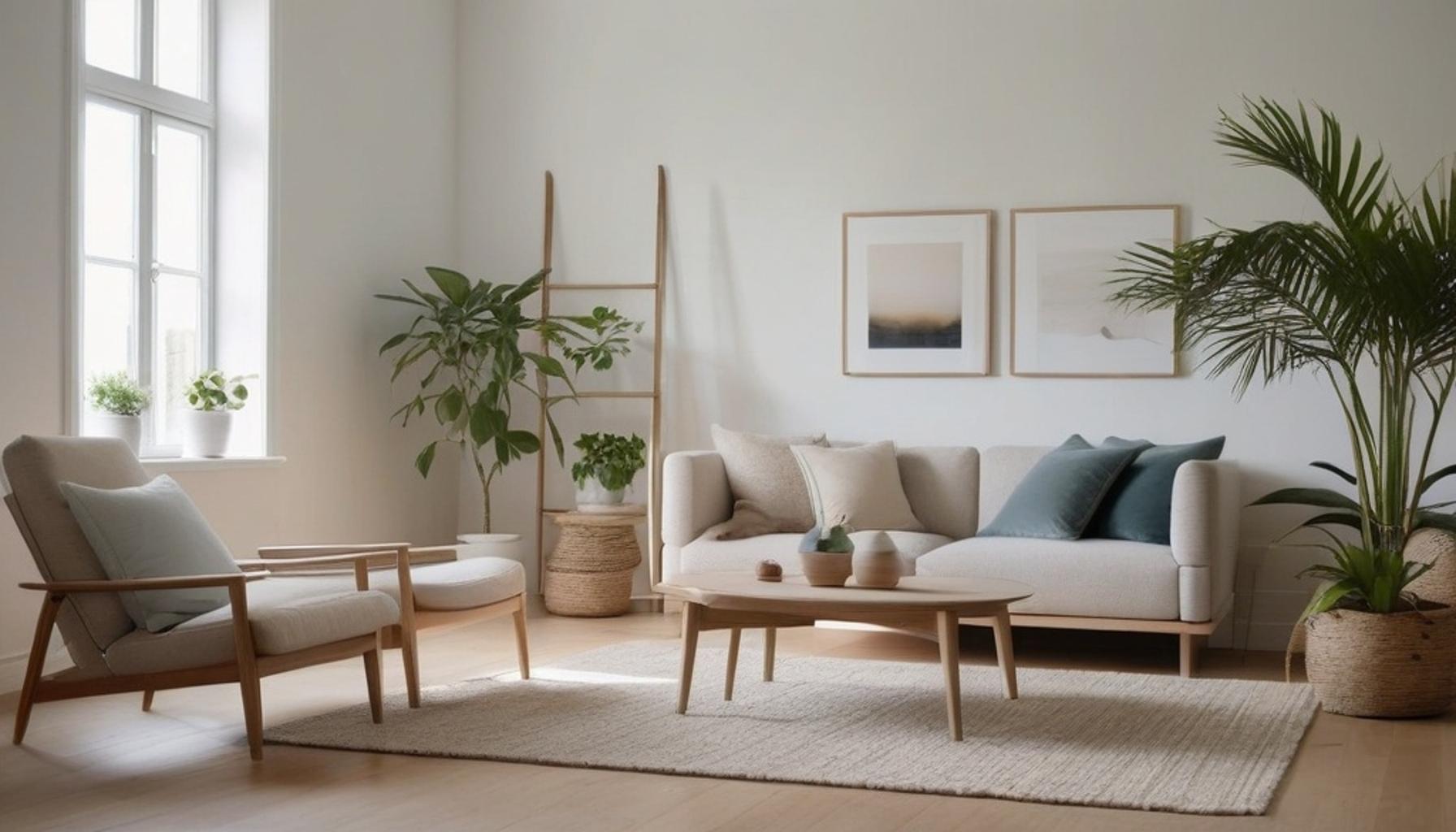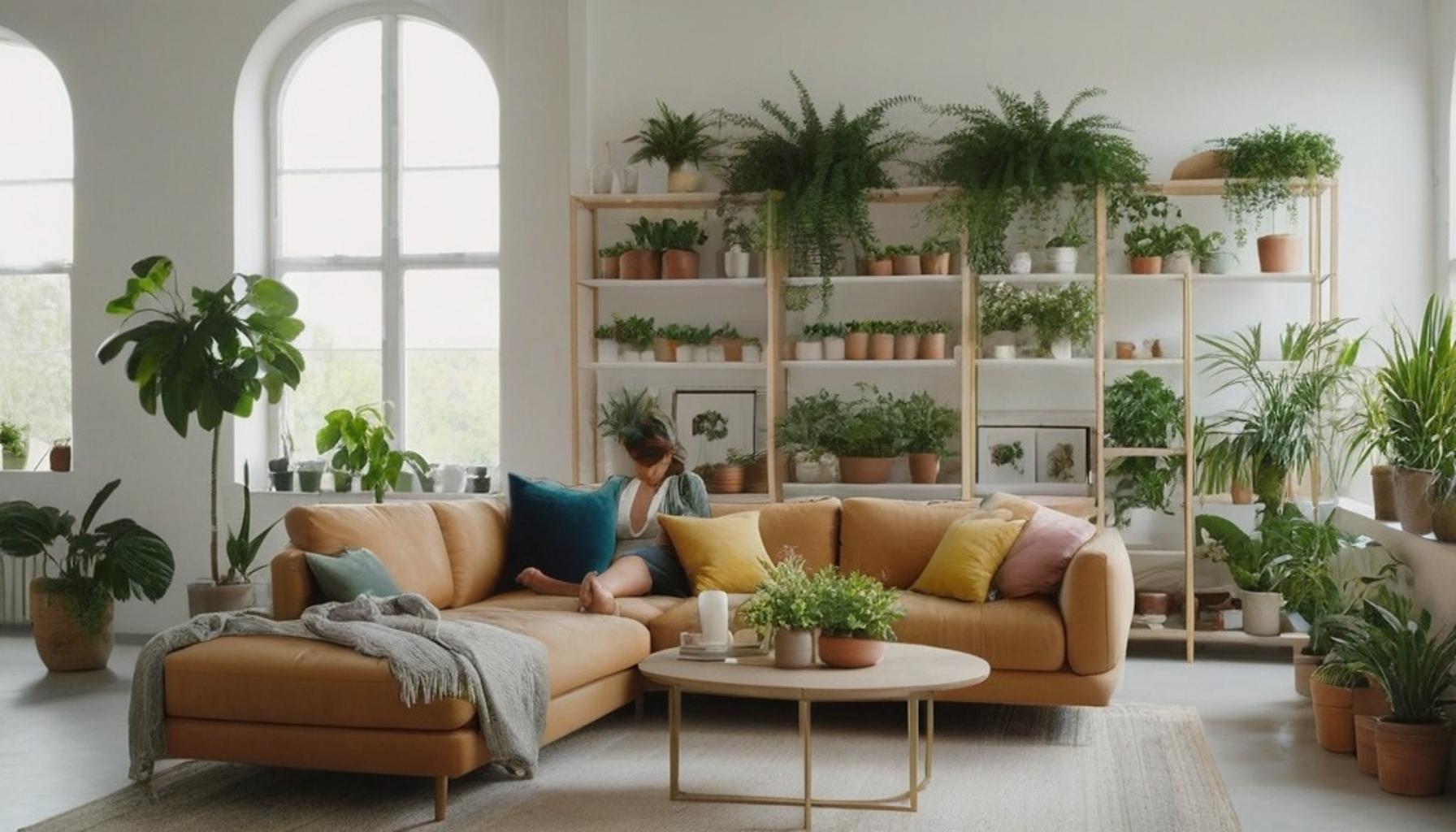
The Art of Decluttering: Creating an Organized Living Space Through Intentional Living
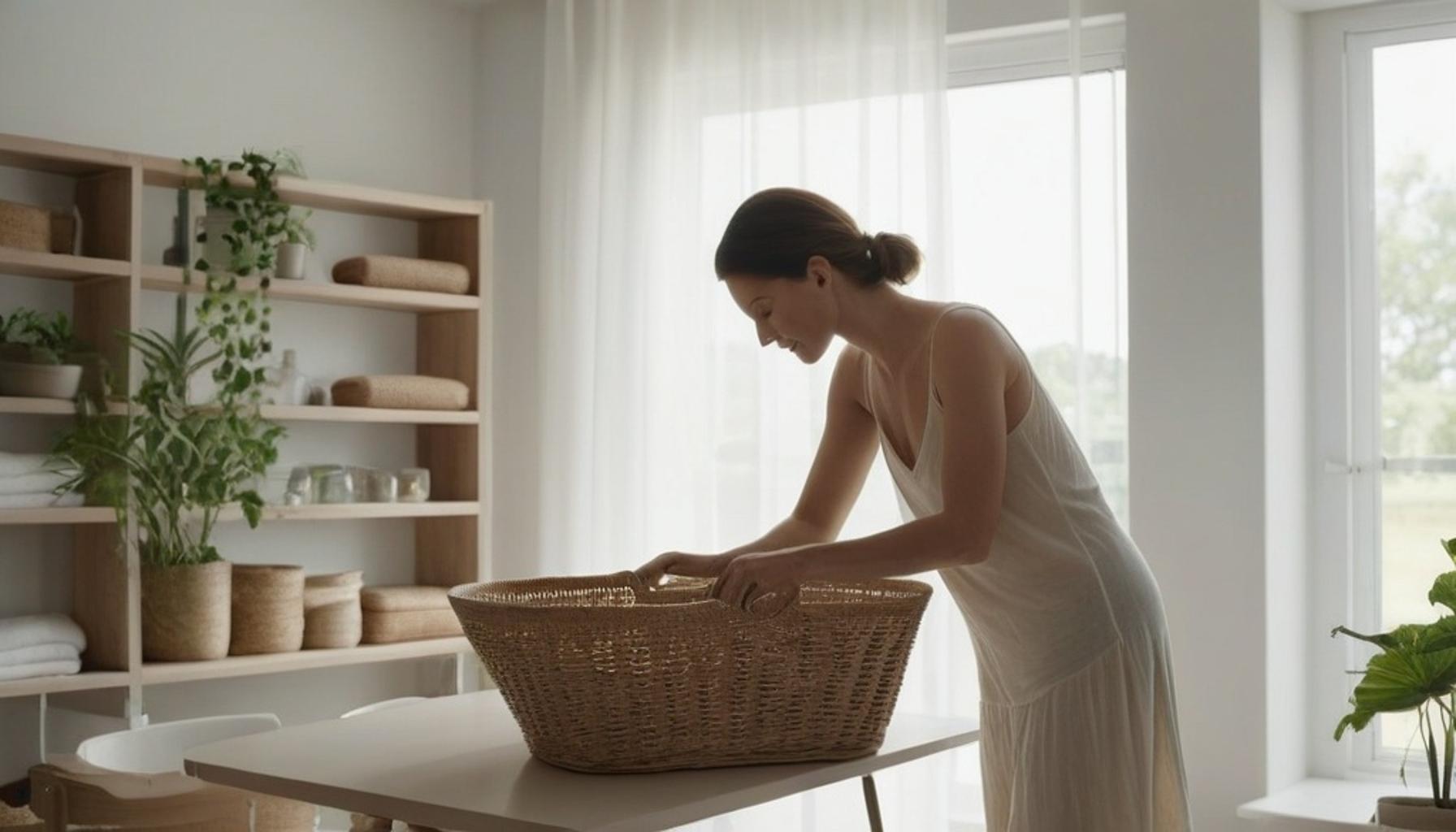
Why Your Home Might Be Holding You Back
The average American household contains over 300,000 items, according to the LA Times. That staggering number explains why so many people feel overwhelmed the moment they walk through their own front door.
This is where the Art of Decluttering comes into play. It’s not just about throwing things away—it’s a mindful practice rooted in intentional living tips that reshape how we relate to our belongings.
The Hidden Cost of Clutter
Research from Psychology Today links cluttered spaces to elevated cortisol levels, especially in women. A messy environment doesn’t just look chaotic; it can quietly drain mental energy every single day.
Consider what excess clutter typically costs us:
- Wasted time searching for misplaced items
- Increased stress and decision fatigue
- Reduced focus and productivity at home
- Higher cleaning and maintenance demands
A Shift Toward Purposeful Spaces
Creating an organized living space isn’t about achieving a sterile, empty house. It’s about curating a home where every object serves a purpose or brings genuine joy.
This philosophy borrows heavily from the minimalist lifestyle movement, which has surged in popularity across the U.S. over the past decade. Marie Kondo’s Netflix series alone reportedly caused a spike in secondhand donations at Goodwill locations nationwide.
What This Article Will Cover
Ahead, we’ll explore practical home organization ideas that go beyond quick fixes. From decision-making frameworks to room-by-room strategies, you’ll discover how small changes create lasting results.
We’ll also unpack the science-backed decluttering benefits that extend far beyond tidy shelves—touching mental clarity, relationships, and even financial habits.
DISCOVER MORE: Click here for smart storage solutions
The Psychology Behind Why We Accumulate So Much Stuff
Before diving into solutions, it helps to understand the problem. Americans aren’t naturally messy people—they’re responding to decades of marketing designed to convince them that more is better.
The self-storage industry alone generates over $39 billion annually in the United States, according to the Self Storage Association. That’s an entire economy built around belongings we don’t have room for, don’t use regularly, but can’t bring ourselves to release.
The Emotional Attachment Trap
Practicing the Art of Decluttering requires confronting an uncomfortable truth: most clutter isn’t about the objects themselves. It’s about what those objects represent.
A drawer full of old birthday cards, a closet packed with clothes from a previous decade, or shelves lined with unread books often symbolize identity, memory, or aspiration. Letting go feels like losing a piece of that story.
This is precisely why intentional living tips emphasize mindset shifts before physical action. Understanding the emotional weight behind possessions makes the sorting process far less daunting.
Common Triggers That Fuel Clutter Buildup
Several everyday habits quietly contribute to overflowing homes across the country. Recognizing them is the first step toward reversing the pattern.
- Impulse purchases driven by sales, discounts, or social media trends
- Sentimental hoarding of gifts, souvenirs, or inherited items
- “Just in case” thinking that stockpiles duplicates and backups
- Delayed decision-making, leaving items in limbo indefinitely
- Lack of designated storage systems for incoming belongings
Each of these habits adds up gradually, which explains why clutter rarely feels like a sudden crisis—it creeps in unnoticed until a home feels unmanageable.
Rethinking Ownership Through a Minimalist Lens
The minimalist lifestyle doesn’t demand extreme austerity. Instead, it asks a simple question: does this item add real value to daily life?
Applying this question consistently transforms how new purchases enter the home. It also reshapes existing spaces, paving the way toward practical home organization ideas that stick long-term rather than fading after a weekend cleaning spree.
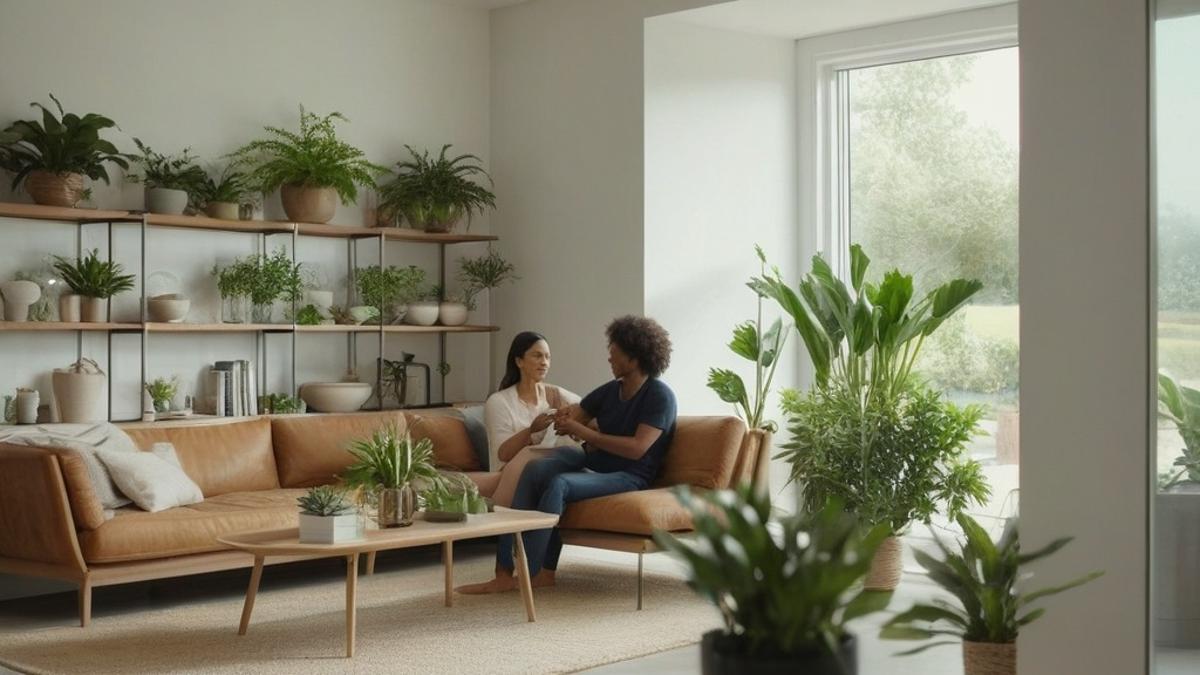
| Category | Key Features |
|---|---|
| Intentional Living | Focus on meaningful possessions that enhance quality of life. |
| Decluttering Benefits | Reduce stress and create a serene atmosphere, leading to improved mental clarity. |
| Home Organization Ideas | Use storage solutions like baskets or shelves to streamline your space efficiently. |
DISCOVER MORE: Click here for further insights
Proven Strategies That Turn Decluttering Into a Lasting Habit
Knowing why clutter accumulates is only half the equation. The other half involves practical, repeatable systems that transform a cluttered house into an organized living space without triggering burnout after day three.
The Room-by-Room Method Beats the All-at-Once Approach
Professional organizers across the country consistently recommend tackling one zone at a time rather than attempting a whole-house overhaul in a single weekend. This approach mirrors advice from the National Association of Productivity and Organizing Professionals, which notes that overly ambitious decluttering attempts often lead to abandoned projects.
A more sustainable version of the Art of Decluttering looks like this:
- Start with a single drawer, shelf, or closet rather than an entire room
- Set a timer for 20 to 30 minutes to maintain focus without exhaustion
- Sort items into four categories: keep, donate, sell, and discard
- Finish each session by immediately removing donation and trash items from the home
- Revisit high-traffic areas like kitchens and entryways every few weeks
This incremental process aligns with sustainable intentional living tips, allowing momentum to build naturally instead of forcing dramatic change overnight.
Measurable Decluttering Benefits Backed by Research
Beyond aesthetics, clearing physical space delivers measurable psychological and even financial returns. A study published in the Journal of Environmental Psychology found that individuals who described their homes as cluttered showed elevated cortisol levels, particularly among women managing household responsibilities.
Other documented decluttering benefits include:
- Reduced time spent searching for misplaced items, saving an average of 2.5 days per year according to some workplace productivity studies
- Lower cleaning time, since fewer surfaces are cluttered with objects collecting dust
- Improved focus and reduced anxiety, as reported in multiple behavioral psychology surveys
- Extra income generated through resale platforms like Facebook Marketplace, Poshmark, or local consignment shops
These outcomes explain why decluttering has evolved from a spring-cleaning chore into a recognized wellness practice.
Smart Storage Solutions That Support Long-Term Order
Sustainable organization depends on systems, not willpower alone. Practical home organization ideas that professional organizers frequently recommend include labeled bins for rotating seasonal items, vertical shelving to maximize small closets, and drawer dividers that prevent miscellaneous items from resettling into chaos.
Adopting even a few of these tools, paired with a genuine minimalist lifestyle mindset, helps households in cities from Seattle to Miami maintain order well beyond the initial decluttering push.
DISCOVER MORE: Click here for smart storage solutions
Final Thoughts: Turning Small Actions Into a Clutter-Free Future
The Art of Decluttering is not a one-time weekend project but an ongoing relationship between people and their possessions. From understanding the psychological roots of accumulation to applying room-by-room strategies, the journey toward a genuinely organized living space requires patience more than perfection.
What emerges from the research and real-world practices explored throughout this discussion is a clear pattern: small, consistent actions outperform dramatic, short-lived purges. Whether it’s dedicating 20 minutes to a single drawer or donating items the same day they’re sorted, these habits compound into lasting order.
The documented decluttering benefits, ranging from lower cortisol levels to reclaimed hours once lost searching for misplaced belongings, reveal why this practice has captured national attention beyond home design circles. Mental health professionals, productivity experts, and even financial planners now reference clutter reduction as a measurable lifestyle factor.
Adopting a minimalist lifestyle doesn’t necessarily mean owning fewer than 100 items or living in stark, empty rooms. For most American households, it simply means making deliberate choices about what deserves space, time, and attention.
Practical home organization ideas, paired with realistic intentional living tips, offer a sustainable framework rather than a rigid set of rules. The goal isn’t an Instagram-perfect closet; it’s a functional home that supports daily life without constant friction.
As more research continues to link physical environments to emotional well-being, decluttering will likely remain a topic worth revisiting. Readers curious about next steps might explore local donation centers, community swap events, or professional organizing services to see how these principles translate into their own homes, one shelf, one drawer, one deliberate decision at a time.
Frequently Asked Questions
What are the key principles behind the Art of Decluttering?
The Art of Decluttering revolves around intentional living, which focuses on evaluating what items truly add value to your life. Key principles include being mindful about what you keep, letting go of items that no longer serve a purpose, and organizing belongings in a way that makes your space functional and aesthetically pleasing.
How can I start the decluttering process in my home?
Begin by choosing a specific area or room to tackle; this helps avoid feeling overwhelmed. Use the ‘one in, one out’ rule: for every new item you bring into your home, consider removing one item. Additionally, set aside time for decluttering and approach it with a clear mindset and goal.
What are some effective methods for sorting items during decluttering?
Popular methods for sorting items include the Four-Box Method, where you label boxes as ‘Keep,’ ‘Donate,’ ‘Trash,’ and ‘Sell,’ or the Marie Kondo method that encourages you to keep only those items that ‘spark joy.’ Evaluate each item critically to determine its necessity and emotional significance.
How can the Art of Decluttering improve my mental health?
Decluttering can lead to reduced stress and anxiety by creating a more serene and organized living environment. A cleaner space often facilitates clearer thinking, productivity, and a sense of accomplishment, enhancing overall well-being and allowing for more intentional living.
What role does intentional living play in maintaining a clutter-free space?
Intentional living involves making conscious choices about the items and activities you allow into your life. By being mindful and purposeful in your consumption and organization habits, you can prevent future clutter and create a living space that reflects your values and priorities.
Are there any digital decluttering tips I should consider?
Absolutely! Start by organizing digital files into folders and regularly deleting unwanted documents, photos, and apps. Utilize cloud storage solutions to keep your devices running smoothly, and set aside time every few months to reassess your digital clutter and streamline your online presence.

Beatriz
Beatriz Johnson is a seasoned minimalist and writer with a passion for simplifying the complexities of personal organization and intentional living. With over a decade of experience in decluttering strategies and mindful consumption, she specializes in topics like space optimization, habit simplification, and sustainable lifestyle choices. Through her work on our website, Beatriz empowers readers to embrace minimalism, reduce mental and physical clutter, and create more meaningful, organized lives in today's fast-paced world.