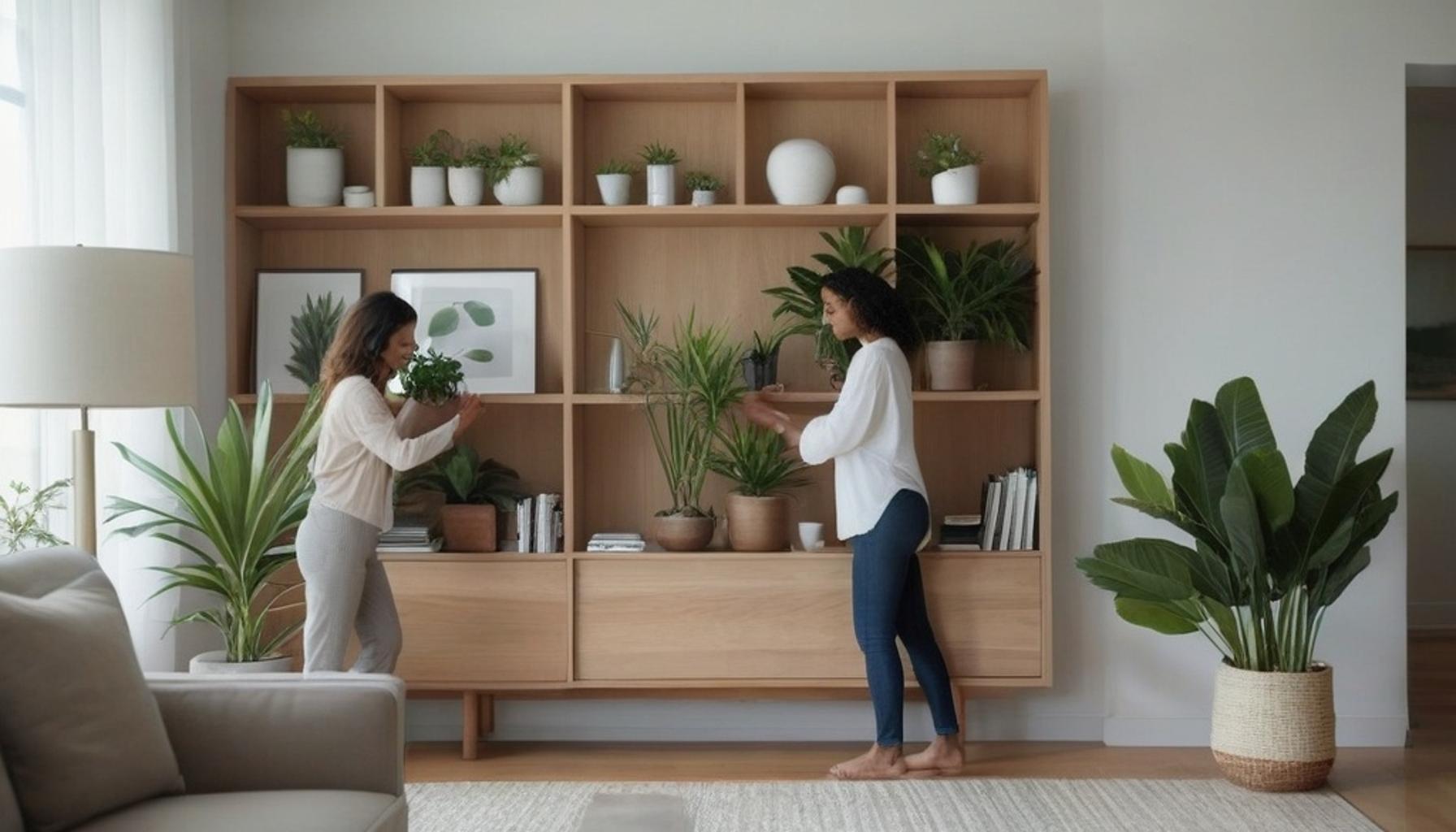
Embracing Minimalism: Effective Decluttering Techniques for Small Apartment Living
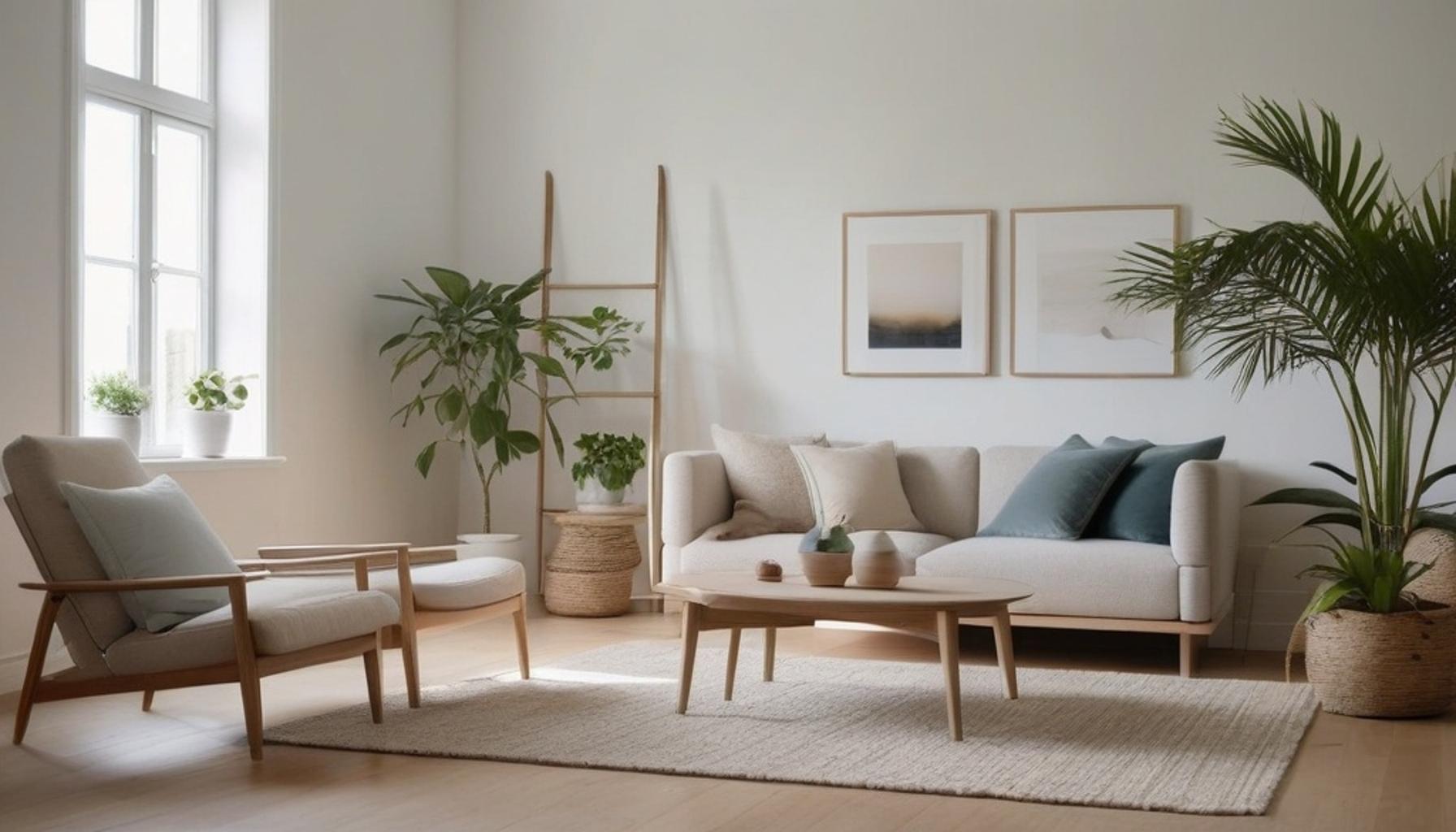
Why Small Spaces Demand a New Approach to Clutter
With the average American rental size dwindling to approximately 750 square feet, the challenge of managing space efficiently has become a pressing issue for many urban dwellers. City apartments, particularly in bustling metropolises like New York, San Francisco, and Chicago, are not only compact but also often lack the generous storage options found in suburban homes. Consequently, clutter in these smaller living environments escalates quickly, turning into a significant obstacle for achieving comfort and tranquility.
For residents navigating the tight quarters of their small apartments, mastering Decluttering Techniques for Small Apartments is not merely a matter of aesthetics, but an essential practice critical to maintaining both physical space and mental clarity. The constant struggle against clutter can lead to feelings of stress, frustration, and chaos in an individual’s living environment, making it increasingly clear why an effective approach is imperative.
What This Guide Will Cover
Minimalism has evolved from being seen as a fleeting design trend into a comprehensive strategy for surviving urban life within space constraints. This article provides a range of minimalist living tips that are specifically tailored for cramped spaces, ensuring clarity and functionality rather than simply appealing to visual trends.
- Proven small apartment organization systems will be explored, focusing on kitchens, closets, and multipurpose rooms that maximize usability without sacrificing aesthetics.
- Step-by-step methods on how to declutter effectively will be shared, including practical techniques that help navigate the emotional hurdles often associated with letting go of possessions.
- Smart storage solutions uniquely designed for studios and one-bedroom units will be examined, revealing innovative ideas like under-bed storage and vertical shelving that can greatly enhance space efficiency.
- Practical decluttering strategies that seamlessly integrate into busy schedules will also be discussed, providing readers with straightforward tips that can be incorporated in as little as 15 minutes a day.
Are you eager to discover how minimalism in small spaces can dramatically alter your cramped apartment into a relaxing, functional home? The techniques outlined in this guide will furnish actionable steps grounded in reality, moving beyond theoretical concepts and into the practical realm where they can be effectively implemented. With a little strategy and intention, even the smallest of spaces can become a sanctuary of comfort and order, reflecting a serene lifestyle rather than chaotic clutter.
DISCOVER MORE: Click here for smart storage solutions
Assessing Your Space Before You Start Purging
Before diving headfirst into bags of donated clothes and rearranged furniture, successful decluttering techniques for small apartments begin with an honest evaluation of what you actually own and use. Skipping this diagnostic step is why so many decluttering attempts fail within weeks, with clutter creeping back in almost as quickly as it left. Professional organizers frequently point to a telling statistic: the average American household contains over 300,000 items, yet studies suggest we regularly use only about 20% of what we own. In a 750-square-foot apartment, that math becomes especially unforgiving. With limited space to work with, every item you choose to keep should contribute to your quality of life.
Conducting a Room-by-Room Inventory
Rather than tackling an entire apartment in one overwhelming sweep, effective small apartment organization starts with breaking the process into manageable zones. This approach not only prevents burnout but also makes it easier to track progress.
- Begin your inventory by choosing a single drawer or shelf rather than an entire closet. These small, focused battles build momentum through small, completed wins.
- Photograph problem areas beforehand; visual evidence often reveals patterns of clutter that are easy to overlook day to day. For instance, you may notice how a corner of your living room has become the de facto storage spot for everything from old magazines to your dog’s forgotten toys.
- Separate items into four categories: keep, donate, sell, and discard, resisting the urge to create a vague “maybe” pile. Clear definitions will make decision-making more straightforward.
- Set a timer for 15 minutes per zone to maintain focus and avoid decision fatigue, a common obstacle when learning how to declutter effectively. This time constraint encourages quick, instinctive decisions rather than prolonged deliberation.
This zone-based method mirrors techniques used by professional organizers in bustling cities like Chicago and Boston, where apartment turnover rates are high and residents frequently need fast, repeatable systems to manage their belongings.
Understanding the Emotional Side of Letting Go
Clutter isn’t purely a physical problem; it is often tied to sentimental attachment, guilt over unused purchases, or simple decision avoidance. Recognizing this emotional component is central to any lasting minimalist living tips strategy. Researchers studying consumer behavior have found that people are far more likely to keep an item if they’ve touched or handled it recently, even if it serves no practical function. This phenomenon, sometimes called the “endowment effect,” explains why simply seeing an item can trigger reluctance to part with it. For instance, a dusty old trophy from high school may bring back fond memories of victory but serves little practical purpose in your current lifestyle.To counteract this, many minimalists recommend the “box method”: placing undecided items in a sealed box for 30 days. If the box remains untouched, it becomes far easier to donate or discard its contents without hesitation. This small psychological shift is often the turning point that makes minimalism in small spaces feel achievable rather than restrictive. Over time, the items in the box can become less significant, allowing you to let go with more confidence. Additionally, you can create a story around each item, deciding if it still fits into the narrative of your life. For example, if that old guitar hasn’t been played in years, think about whether it represents a passion you still want to pursue, or if it’s just taking up space. By evaluating items based on their emotional impact and relevance to your current life, you can make more informed choices about what to keep.In conclusion, embarking on the journey to declutter your small apartment can be daunting, but with these strategies, you can break the process into manageable chunks, understand your emotional ties to items, and ultimately create a space that feels more like home. Whether you are looking to minimize stress or simply enjoy a cleaner, more organized living space, these techniques will help guide you toward achieving your goals.
DISCOVER MORE: Click here to dive deeper
Maximizing Vertical Space and Smart Storage Solutions
Once you’ve assessed your belongings and confronted the emotional hurdles of letting go, the next step in mastering small apartment organization is rethinking how you use space itself. Most urban dwellings, especially in cities like New York or San Francisco, waste significant square footage by ignoring vertical real estate.
- Install floating shelves above doorways and windows to capture unused wall space without sacrificing floor area.
- Invest in stackable bins for closets, allowing you to double storage capacity in a single footprint.
- Use over-the-door organizers in bathrooms and kitchens to hold items that typically clutter countertops.
- Consider tension rods inside cabinets to create additional tiers for plates, cutting boards, or cleaning supplies.
According to a 2022 survey by the National Association of Productivity and Organizing Professionals, 68% of clients reported feeling less stressed after implementing vertical storage systems. This statistic underscores how minimalism in small spaces isn’t just about owning less, but also about organizing smarter.
Choosing Multi-Functional Furniture
Effective decluttering strategies extend beyond storage bins and shelving; furniture choices play a pivotal role too. Many small apartment residents overlook how much clutter accumulates simply because their furniture serves only one purpose.Ottomans with hidden storage, Murphy beds, and extendable dining tables have become staples for renters who want function without sacrificing style. A queen-sized bed frame with built-in drawers, for example, can replace an entire dresser, freeing up several square feet of floor space.Interior designers in compact markets like Brooklyn and Los Angeles often recommend measuring your apartment’s square footage against your furniture’s “utility ratio,” meaning how many functions each piece serves. A coffee table that also stores blankets and doubles as a desk offers far more value than a single-purpose accent table.
Digital Decluttering and Paperless Living
While physical clutter often takes center stage, digital and paper clutter can quietly overwhelm a small living space. Mail, receipts, and old bills pile up quickly, particularly in apartments without dedicated office nooks.Switching to paperless billing and digital receipts eliminates unnecessary paper accumulation. Scanning important documents and storing them in cloud services reduces the need for filing cabinets altogether. This approach is especially useful for renters in smaller units where every drawer counts.
Establishing Maintenance Routines That Stick
Learning how to declutter effectively isn’t a one-time event; it requires ongoing habits. Setting a recurring weekly “reset” session, even just 20 minutes, prevents small piles from becoming overwhelming messes.Many minimalist living tips emphasize the “one in, one out” rule: for every new item brought into the apartment, an old one should leave. This simple practice keeps possessions in check without requiring dramatic decluttering sessions down the road.
Bringing It All Together: A Sustainable Path to Minimalist Living
Mastering decluttering techniques for small apartments isn’t about achieving a picture-perfect, sparse room overnight. It’s a layered process that blends emotional readiness, spatial strategy, and consistent habits. From confronting sentimental attachments to installing floating shelves, every step contributes to a home that feels calmer and more functional.
Throughout this journey, one theme remains constant: small apartment organization thrives on intentionality. Choosing furniture that serves multiple purposes, digitizing paperwork, and committing to weekly reset sessions aren’t isolated tricks. They work together as a system that supports long-term simplicity.
It’s worth remembering that minimalism in small spaces looks different for everyone. A studio apartment in Chicago presents different challenges than a one-bedroom in Austin. What matters most is adapting these principles to fit your lifestyle, budget, and the realities of your specific square footage.
If you’re wondering how to declutter effectively without feeling overwhelmed, start small. Tackle one drawer, one shelf, or one closet at a time. Momentum builds naturally once you see tangible results.
- Revisit your belongings quarterly to prevent clutter from creeping back.
- Prioritize vertical storage and multi-functional furniture as long-term investments.
- Treat digital organization as seriously as physical tidying.
Ultimately, these decluttering strategies offer more than just a tidier apartment. They create breathing room, both physically and mentally, allowing residents to focus on what truly matters. As more Americans embrace compact urban living, the demand for practical, sustainable minimalist living tips will only continue to grow.
Frequently Asked Questions
What are some effective decluttering techniques for small apartments?
Some effective decluttering techniques for small apartments include the Marie Kondo method, which emphasizes keeping only items that spark joy, and the ‘One In, One Out’ rule, where you remove one item for every new item brought in. Additionally, utilizing storage solutions like under-bed storage and vertical shelving can maximize your space and keep your apartment organized.
How can I start decluttering my small apartment without feeling overwhelmed?
Start by tackling one area or category at a time, such as a specific room or a type of item. This way, you can focus your efforts and gradually make progress without feeling overwhelmed by the entire space. Set achievable goals and celebrate small victories to stay motivated.
What should I do with items I no longer want when decluttering my small apartment?
You can donate gently used items to local charities, sell them online through marketplaces, or give them away to friends and family. For items that are too damaged to be reused, consider recycling or disposing of them responsibly to minimize waste.
How can I maintain a clutter-free environment in my small apartment after decluttering?
To maintain a clutter-free environment, establish a regular cleaning and decluttering routine, such as weekly tidying sessions or monthly assessments of your items. Practice the ‘One In, One Out’ rule and be mindful of what you bring into your space to prevent future clutter from accumulating.
Are there specific storage solutions that work best for small apartments?
Yes, utilizing multifunctional furniture such as ottomans with storage, Murphy beds, or coffee tables with shelves can help maximize space. Additionally, vertical storage options, like wall-mounted shelves and hooks, can be effective in keeping items organized while making the most of limited floor space.
How can I make the decluttering process more enjoyable and less stressful?
To make decluttering more enjoyable, listen to your favorite music or a podcast while you work, and invite a friend to join you for support and motivation. Setting a timer for short bursts of focused decluttering can also help make the process feel less daunting and more manageable.

Beatriz
Beatriz Johnson is a seasoned minimalist and writer with a passion for simplifying the complexities of personal organization and intentional living. With over a decade of experience in decluttering strategies and mindful consumption, she specializes in topics like space optimization, habit simplification, and sustainable lifestyle choices. Through her work on our website, Beatriz empowers readers to embrace minimalism, reduce mental and physical clutter, and create more meaningful, organized lives in today's fast-paced world.