Intentional Living: How Minimalist Design Enhances Home Management and Reduces Stress
Rethinking the American Home: Less Clutter, More Calm
Across the United States, a growing number of homeowners are trading overflowing closets and cluttered countertops for something simpler. This shift, known as Intentional Living, is reshaping how people design, organize, and experience their living spaces. It’s not just a design trend—it’s a lifestyle philosophy gaining serious momentum.
Research from the American Psychological Association links cluttered environments to elevated cortisol levels, especially in women managing households. That connection between physical space and mental state is pushing more families toward minimalist design as a practical solution.
Why This Matters Right Now
Modern life comes with constant noise—digital notifications, packed schedules, and homes filled with belongings that no longer serve a purpose. Intentional living offers a counterbalance by asking a simple question: does this item or habit add real value?
Homeowners embracing this approach report several tangible benefits:
- Reduced decision fatigue from fewer possessions to manage daily
- Faster cleaning routines, sometimes cutting weekly chore time in half
- Lower household stress tied to visual clutter and disorganization
- More intentional spending, avoiding impulse purchases that add to clutter
These aren’t abstract promises—they’re outcomes documented by professional organizers and behavioral researchers alike.
What This Article Covers
This guide explores practical home management tips rooted in minimalist principles. Readers will discover specific strategies to reduce stress at home, along with the broader benefits of minimalism backed by real-world examples.
From decluttering methods to room-by-room design choices, this piece breaks down actionable intentional living practices anyone can start implementing today.
DISCOVER MORE: Click here for smart storage solutions
# The Science Behind the Simplicity MovementWalk into any big-box home goods store in America, and you’ll notice something curious. Storage solutions now occupy entire aisles that once held decorative clutter. This isn’t a coincidence—it’s a direct response to how consumers are rethinking their relationship with stuff.The numbers tell a compelling story. According to the National Association of Professional Organizers, the average American home contains over 300,000 individual items. That statistic alone explains why so many households feel perpetually overwhelmed, regardless of square footage.
The Clutter-Stress Connection Is Real
Princeton University researchers found that visual clutter competes for attention in the brain, literally reducing our capacity to focus and process information efficiently. This explains why cleaning out a junk drawer can feel disproportionately satisfying—it’s not just tidiness, it’s cognitive relief.Intentional living practices work because they address root causes rather than symptoms. Instead of buying another organizational bin, practitioners ask harder questions about consumption patterns and daily habits.Consider how this plays out in real homes across different regions:
- Suburban families in Texas are downsizing garages, selling rarely-used sporting equipment and reclaiming space for actual parking
- Urban apartment dwellers in cities like Chicago and Seattle are adopting capsule wardrobes, some reducing clothing inventory by 70 percent
- Midwest homeowners are converting formal dining rooms—used maybe twice yearly—into functional home offices or reading nooks
These aren’t extreme minimalist manifestos. They’re practical adjustments driven by home management tips that prioritize function over accumulation.
Minimalist Design Isn’t About Empty Rooms
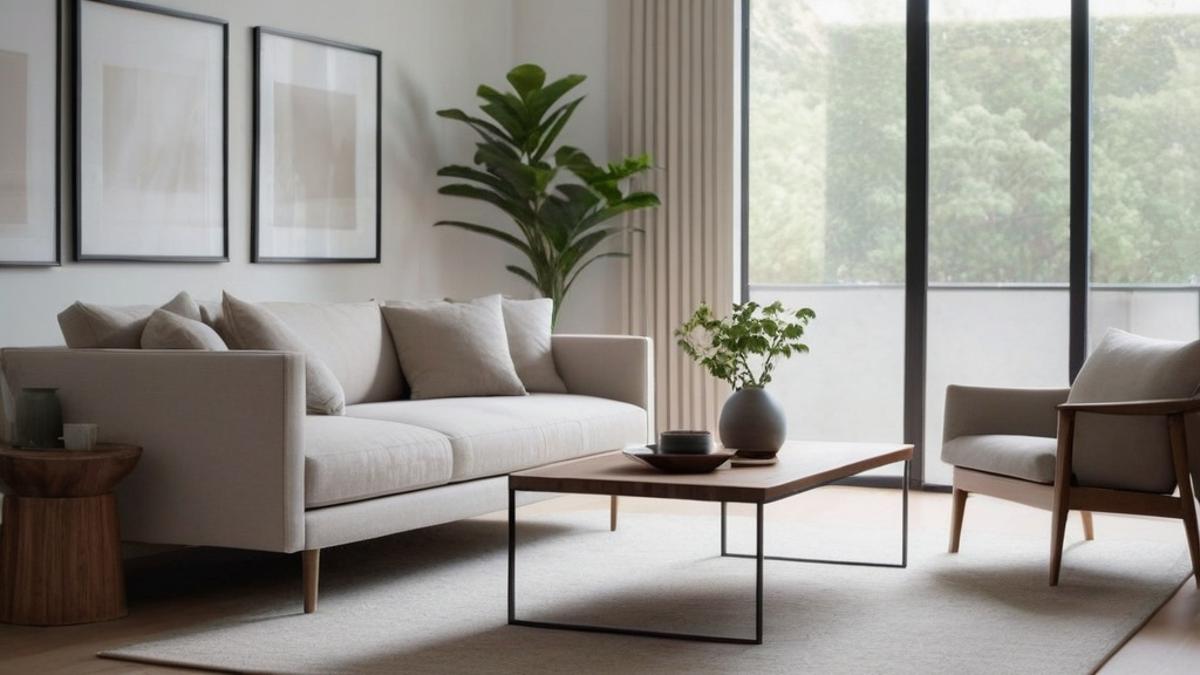
A common misconception paints minimalism as stark, cold, or impractical for family life. That couldn’t be further from reality.Minimalist design focuses on intentionality, not deprivation. It means choosing a durable, well-made sofa over three mediocre pieces of furniture. It means displaying photographs that genuinely matter instead of covering every wall with decor that blends into background noise.Interior designers specializing in this approach report that clients often feel more comfortable, not less, once excess items disappear. Rooms breathe. Cleaning takes minutes instead of hours. Guests notice the calm atmosphere without necessarily identifying why.This foundational shift sets the stage for exploring specific, actionable strategies—the kind that transform overwhelming spaces into environments that genuinely support daily life.
| Aspect | Details |
|---|---|
| Minimalist Design | Aesthetic simplicity, fostering calm and peace at home. |
| Home Management Tips | Implementing decluttering and space-saving solutions for efficiency. |
| Reducing Stress | Fostering a tranquil environment leads to mental clarity and reduced anxiety. |
| Benefits of Minimalism | Enhances focus, promotes mindful living, and encourages emotional well-being. |
DISCOVER MORE: Click here for additional insights
# Practical Systems That Make Intentional Living StickUnderstanding the psychology behind clutter is one thing. Building sustainable systems around that knowledge is where real transformation happens.Home organization experts consistently point to one strategy above others: the one-in-one-out rule. Every new item entering the home requires an existing item to leave. This simple mechanism prevents the slow creep of accumulation that fills closets and garages over years.
The 90/90 Rule and Other Decision-Making Frameworks
Professional organizers frequently reference the 90/90 rule when helping clients declutter. The premise is straightforward: if an item hasn’t been used in the past 90 days, and there’s no reasonable expectation it will be used in the next 90, it’s a candidate for donation or disposal.This framework removes emotional guesswork from decisions that often stall organizational efforts. It replaces sentiment-based hoarding with data-based choices.Home management tips like this one work because they create repeatable systems rather than one-time purges. Intentional living isn’t a weekend project—it’s an ongoing practice.Other frameworks gaining traction include:
- The “one shelf” method, where an entire category of items must fit on a single designated shelf or space
- Digital decluttering sprints, where households tackle photo libraries, email inboxes, and cloud storage alongside physical spaces
- Seasonal rotation systems, particularly popular in regions with distinct weather changes like the Northeast and Upper Midwest
Reducing Stress at Home Through Spatial Design
Architects and designers now factor psychological wellbeing directly into floor plans. Open sightlines, dedicated storage built into walls, and multi-functional furniture all reduce the visual noise that Princeton researchers identified as cognitively taxing.A 2022 survey from the American Institute of Architects found that homeowners requesting “flexible, clutter-resistant spaces” increased by nearly 40 percent compared to five years prior. This demand is reshaping new construction and renovation projects nationwide.The benefits of minimalism extend beyond aesthetics into measurable time savings. Households practicing intentional living report spending 30 to 50 percent less time on weekly cleaning routines, according to organizing industry surveys.That’s not a minor convenience. For working parents juggling careers and family obligations, reclaiming several hours weekly represents meaningful breathing room.
Financial Clarity as an Unexpected Benefit
Something interesting happens when households adopt intentional living practices: spending habits shift naturally. Consumers become more selective, favoring quality purchases over impulsive ones.Financial planners have started noting this pattern among clients pursuing minimalist lifestyles, observing reduced credit card debt and increased savings rates tied directly to decreased consumption.
Bringing It All Together: A Home That Works for You
The evidence keeps pointing in the same direction. Intentional living is not a fleeting design trend but a response to genuine cognitive and financial pressures that many American households face today.
From the one-in-one-out rule to the 90/90 decision framework, the systems explored throughout this article share a common thread. They replace guesswork with structure, giving people a repeatable way to manage possessions without relying on willpower alone.
What the Research Really Tells Us
Architects, financial planners, and organizing professionals are converging on similar conclusions from very different angles. Whether it’s the 40 percent rise in demand for clutter-resistant floor plans or the measurable drop in weekly cleaning time, the data suggests something structural is shifting in how Americans think about their homes.
Minimalist design isn’t simply about owning less. It’s about creating environments that support decision-making, reduce sensory overload, and free up hours that would otherwise disappear into maintenance and searching for misplaced items.
Where This Leaves Homeowners Today
Anyone looking to reduce stress at home doesn’t need a complete renovation or a dramatic purge to start. Small, consistent choices, a shelf cleared here, a digital folder organized there, compound over time into noticeably different living conditions.
The benefits of minimalism extend well beyond tidy shelves. They touch financial habits, mental clarity, and the everyday rhythm of managing a household.
As more research emerges on the link between physical space and psychological wellbeing, one thing seems increasingly clear. Adopting intentional living practices isn’t about chasing a minimalist aesthetic for its own sake. It’s about designing a home that quietly supports the life happening inside it.
Frequently Asked Questions
How does intentional living relate to minimalist design in home management?
Intentional living focuses on making conscious choices that align with your values and goals. Minimalist design complements this by reducing clutter and distractions in your home, allowing you to create a space that fosters peace and enhances your overall well-being. This intentional approach to home management can lead to less stress and a more organized, enjoyable living environment.
What specific benefits does minimalist design provide for reducing stress at home?
Minimalist design can significantly reduce stress by creating a serene and uncluttered environment. Fewer possessions mean less to clean and organize, which can alleviate feelings of overwhelm. Additionally, a calmer aesthetic with neutral colors and simple lines can promote relaxation and mindfulness in your living space.
Can adopting intentional living principles change my perspective on my belongings?
Yes, adopting intentional living principles encourages you to evaluate the purpose and value of your belongings. This mindset shift often leads to the realization that many items are not essential, prompting you to declutter and keep only what truly brings you joy or serves a purpose. This can enhance your home’s atmosphere and your emotional health.
How can I start implementing intentional living practices in my home today?
To start implementing intentional living practices, begin by decluttering areas in your home, focusing on one space at a time. Consider what items enhance your life and which ones create stress. Then, embrace a minimalist design by opting for functional furniture, neutral colors, and open spaces that promote a sense of calm and clarity in your environment.

Beatriz
Beatriz Johnson is a seasoned minimalist and writer with a passion for simplifying the complexities of personal organization and intentional living. With over a decade of experience in decluttering strategies and mindful consumption, she specializes in topics like space optimization, habit simplification, and sustainable lifestyle choices. Through her work on our website, Beatriz empowers readers to embrace minimalism, reduce mental and physical clutter, and create more meaningful, organized lives in today's fast-paced world.