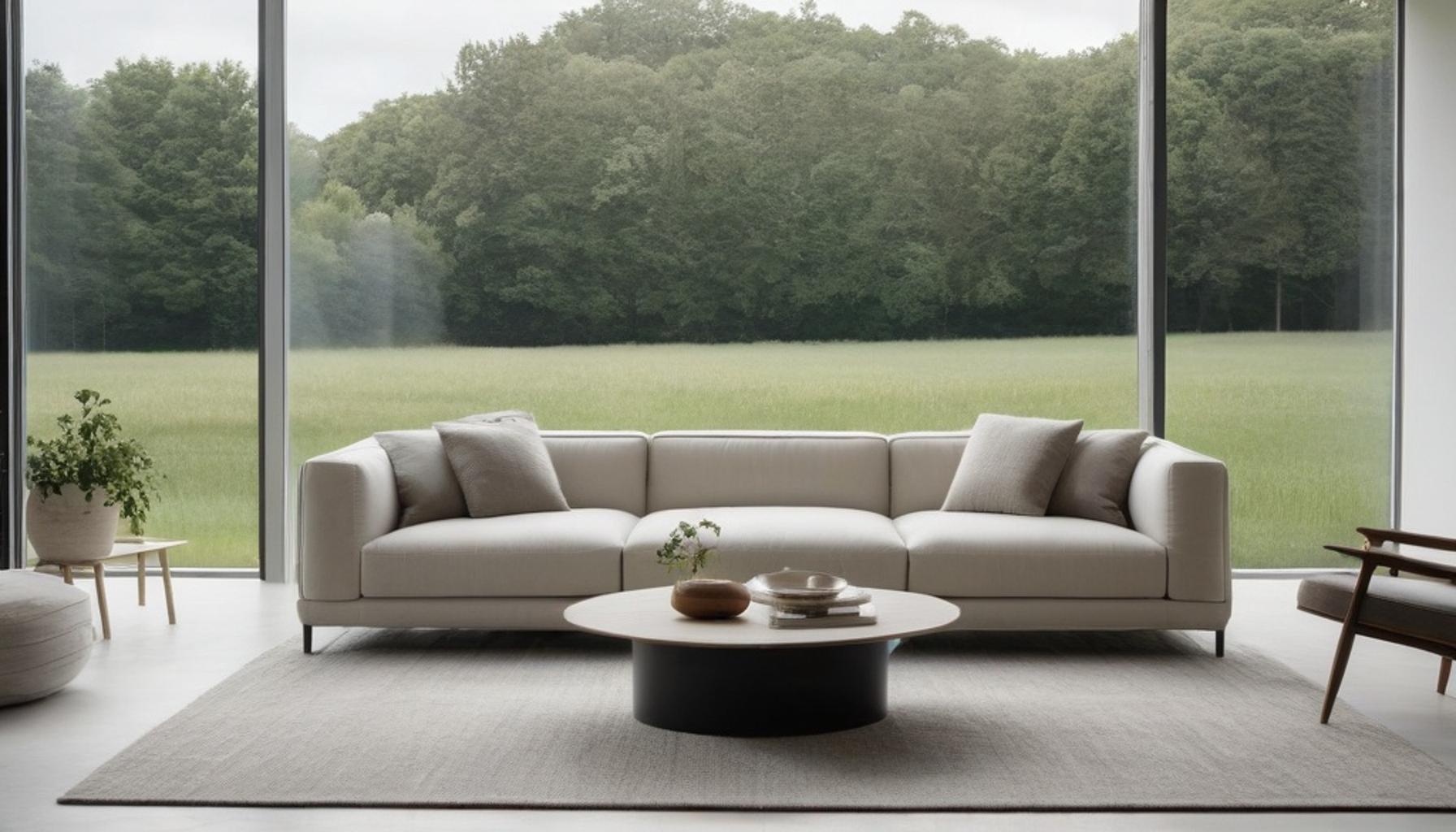
Intentional Living: How to Create Organized Spaces with a Minimalist Mindset
Rethinking the Way We Live and Organize
Across the United States, closets are overflowing, garages are packed, and storage units have become a $39 billion industry. Yet more space rarely means more peace of mind. Many individuals find themselves tangled in the chaos created by excess, leading to a paradoxical scenario where increased material wealth does not necessarily equate to emotional well-being.
This growing contradiction has sparked renewed interest in Intentional Living, a philosophy that challenges the notion that happiness stems from accumulation. At its core, intentional living advocates for making conscious decisions about what we own, how we spend our time, and how we nurture relationships.
Why Clutter Is a National Conversation
The average American household contains over 300,000 items, according to organizational studies. This statistic reveals the extent of the clutter issue prevalent in our society and serves as a clear reason why decluttering tips have surged in popularity. Common household items include everything from clothing and toys to kitchen gadgets that have long lost their utility. Searches for guidance on ‘how to declutter’ or ‘minimalist living’ have become common as people seek solutions to their growing disarray.
Popular figures like Marie Kondo have influenced many to rethink their relationship with belongings through methods that emphasize joy and functionality. Kondo’s famous question, “Does this spark joy?” has ignited a movement focused on valuing quality over quantity. Additionally, minimalist YouTube channels and “no-buy year” challenges showcase transformative journeys that confirm the axiom: less can genuinely mean more.
What This Article Will Explore
Adopting a minimalist mindset isn’t about owning nothing. It is about being deliberate with space, time, and belongings, allowing individuals to lead more fulfilling lives. Understanding this distinction is crucial; it’s not merely about reducing items, but curating one’s environment to serve personal needs and values. This piece breaks down how to apply these principles practically, including:
- Creating organized spaces that support daily function rather than visual clutter. For example, using clear bins can help categorize items, making them easy to find and access.
- Building sustainable habits rooted in simplicity in life. This might involve setting limits on shopping habits or choosing to repurpose items instead of buying new ones.
- Practicing mindful living through smaller, smarter choices, such as opting for experiences over material gifts, which can foster deeper connections and personal growth.
- Understanding the psychological benefits linked to decluttered environments. Studies show that reducing clutter can lower stress levels and improve focus, making way for clearer thinking and enhanced productivity.
Whether the goal is a calmer living room or a completely reimagined lifestyle, the path starts with a single, intentional decision. As individuals embark on this journey, they may find themselves not only decluttering their homes but also rediscovering and prioritizing what truly brings them joy and fulfillment.
DISCOVER MORE: Click here to learn more
# The Foundations of an Organized, Intentional HomeBefore diving into storage bins and closet systems, it helps to understand what actually makes a space feel calm versus chaotic. Research from UCLA’s Center on Everyday Lives of Families found that women who described their homes as cluttered had elevated cortisol levels throughout the day. In other words, disorganization is not just an aesthetic issue. It has measurable effects on the body and mind.
Zones, Not Just Categories
One of the most practical decluttering tips from professional organizers is to think in terms of zones rather than categories alone. Instead of simply grouping “kitchen items” together, successful organized spaces are built around how a room is actually used throughout the day.Consider a typical American kitchen. Rather than one large drawer for utensils, an intentional approach might separate the space into:
- A morning zone with coffee filters, mugs, and travel cups positioned near the coffee maker.
- A cooking zone with knives, cutting boards, and frequently used spices within arm’s reach of the stove.
- A packing zone for lunch containers, snack bags, and reusable water bottles near the exit door.
This zone-based method reduces the number of steps needed to complete daily tasks, which is a core principle behind a minimalist mindset. Fewer steps mean less friction, and less friction means the system is more likely to be maintained long-term.
The One-In, One-Out Rule
Many professional organizers, including members of the National Association of Productivity and Organizing Professionals, point to a simple rule that prevents clutter from creeping back: for every new item that enters the home, one item must leave. This applies to clothing, books, kitchen gadgets, and even children’s toys.This habit is not about deprivation. It is a practical way to maintain simplicity in life without requiring dramatic, one-time purges that often do not last. Studies on behavior change suggest that small, consistent habits are far more sustainable than sweeping overhauls, which is why this rule has gained traction among busy families across the country.
Starting Small: The 15-Minute Reset
Rather than dedicating an entire weekend to decluttering, many advocates of mindful living recommend a daily 15-minute reset. This might involve returning items to their designated zones, sorting mail, or clearing kitchen counters before bed.Over the course of a year, that adds up to roughly 91 hours spent maintaining order, a small investment compared to the hours often lost searching for misplaced items or feeling overwhelmed by visual chaos. This approach makes Intentional Living accessible, even for households with demanding schedules.
DISCOVER MORE: Click here for further insights
# Beyond the Closet: Applying Minimalism to Digital and Emotional ClutterPhysical spaces are only part of the equation. A growing number of professional organizers now argue that true Intentional Living must extend beyond drawers and closets into the digital and emotional clutter that quietly drains attention every day.
The Hidden Cost of Digital Disorder
According to a 2022 report from McKinsey, the average American worker spends nearly 1.8 hours daily searching for information buried in emails, apps, and files. That is almost nine hours a week lost to digital chaos, a figure that rivals the time spent tidying a physical home.Applying a minimalist mindset to devices can look surprisingly similar to organizing a kitchen drawer. Consider these practical steps:
- Delete unused apps that have not been opened in more than 60 days.
- Unsubscribe from newsletters that no longer serve a clear purpose.
- Create folder zones for email, mirroring the same zone-based logic used in physical rooms.
Just as a cluttered countertop creates friction in the kitchen, a cluttered inbox creates friction in daily decision-making. This is why many decluttering tips now include a digital component alongside the physical one.
Emotional Attachment and the Psychology of Letting Go
Behavioral economists have long studied what is known as the endowment effect, the tendency for people to overvalue items simply because they own them. This explains why a worn-out sweater or a broken kitchen gadget can feel harder to discard than logic would suggest.Organizing experts across the country, from New York apartments to Texas ranch homes, often recommend a simple reframe: instead of asking “might I need this someday,” ask “does this support the life I am currently living.” This subtle shift in language has been shown to reduce decision fatigue during decluttering sessions.
Shared Spaces, Shared Systems
Households with multiple family members face a unique challenge. A system that works for one person can collapse when a partner, roommate, or child does not follow the same logic.Successful organized spaces in shared homes typically rely on visible, low-effort systems rather than complicated ones. Labeled bins, color-coded folders, and open shelving tend to outperform closed cabinets with unspoken rules, simply because everyone can see and understand the system at a glance.This visibility supports mindful living by removing the mental burden of remembering where things belong. It also reduces household friction, a factor cited in several family communication studies as a common source of daily stress.Ultimately, simplicity in life is not achieved through a single overhaul, but through consistent, visible systems that everyone in the household can maintain together.
Intentional Living as an Ongoing Practice, Not a Finish Line
Across closets, inboxes, and shared family systems, one theme keeps surfacing: Intentional Living is less about achieving a picture-perfect space and more about building habits that hold up under real, everyday pressure.
A minimalist mindset does not require owning fewer than 100 items or living out of a single suitcase. It simply asks a household to be more deliberate about what earns space, attention, and time. That principle applies equally to a garage in Ohio, a studio apartment in Brooklyn, or a shared inbox used by an entire family.
What the Data Really Suggests
The numbers referenced throughout this discussion, from nearly nine hours a week lost to digital disorganization to the psychological weight of the endowment effect, point to a consistent pattern. Clutter, whether physical, digital, or emotional, tends to cost more in mental bandwidth than in square footage.
Organized spaces succeed when they reduce daily decisions rather than add new rules to memorize. That is why visible systems consistently outperform complicated ones.
A Realistic Starting Point
Readers looking to apply these decluttering tips do not need to overhaul an entire home in a weekend. A more sustainable approach might include:
- Choosing one zone, physical or digital, to simplify this week.
- Testing a visible system before investing in closed storage.
- Revisiting decisions monthly rather than treating them as permanent.
Ultimately, mindful living and simplicity in life are ongoing practices, shaped by small, repeatable choices rather than one dramatic reset. For readers curious about where their own habits fall short, the most revealing question may not be about storage bins or apps at all, but about how much daily friction they have simply learned to live with.
Frequently Asked Questions
What is intentional living and how does it relate to minimalism?
Intentional living is a lifestyle choice that emphasizes living with purpose and making deliberate decisions that align with your values. It often involves adopting a minimalist mindset, where you prioritize what truly matters and eliminate distractions, allowing you to create organized spaces that enhance your well-being.
How can I start incorporating intentional living practices in my home?
Begin by assessing your current possessions and identifying items that no longer serve a purpose or bring you joy. Develop a system for decluttering, such as the ‘one in, one out’ rule, and create designated spaces for items that you choose to keep, ensuring every item has its own place.
What are some practical tips for creating organized spaces with a minimalist approach?
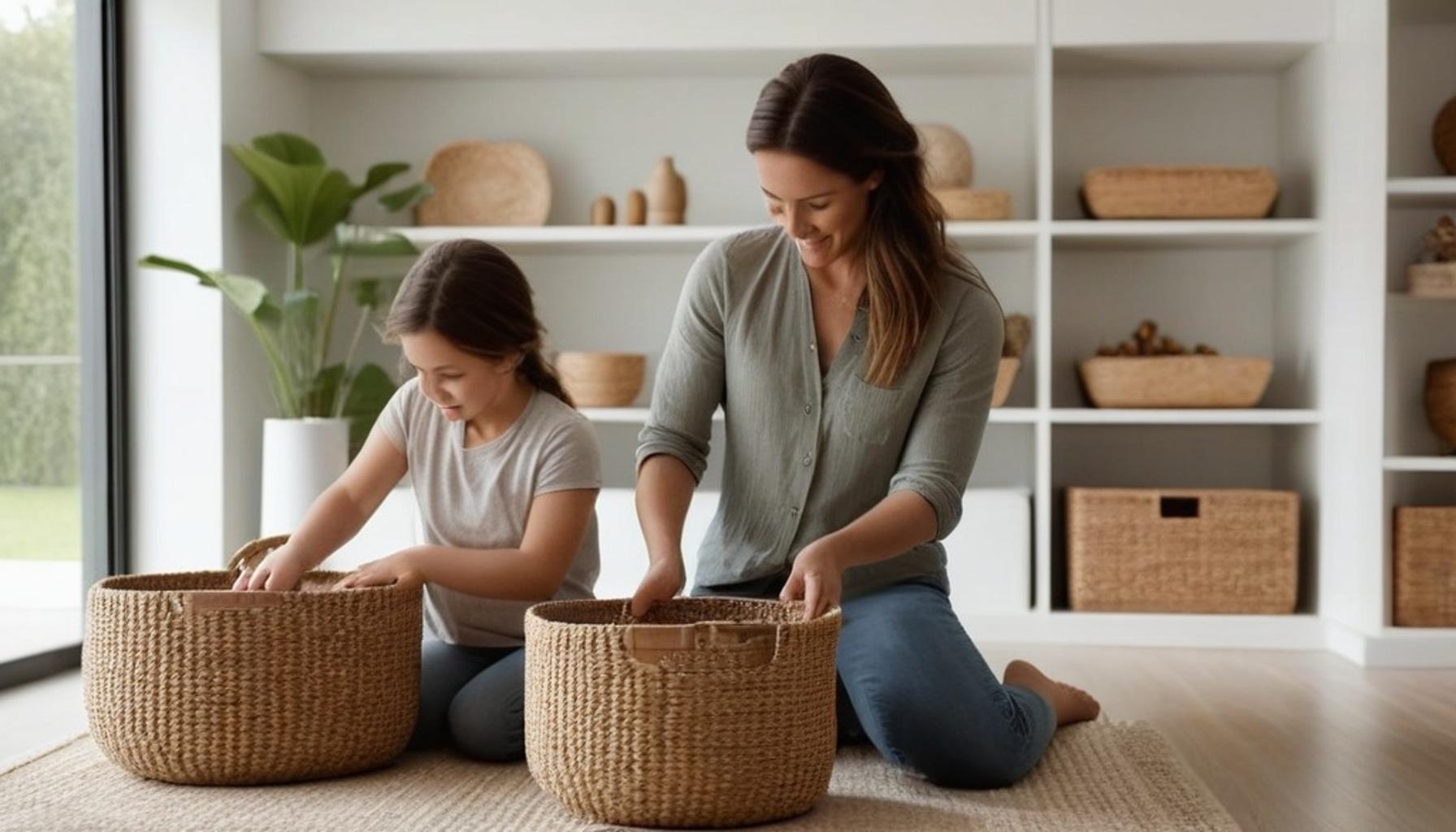
Focus on multifunctional furniture that maximizes space while reducing clutter. Use storage solutions like baskets, bins, and shelves to keep items organized and easily accessible, and consider adopting a monochromatic color scheme to create a calming and cohesive environment.
How does intentional living contribute to mental clarity and well-being?
By intentionally simplifying your environment and reducing physical clutter, you can also alleviate mental clutter, which helps improve focus and reduce stress. Organized spaces created through intentional living practices allow for easier navigation of daily tasks, promoting a more peaceful and fulfilling life.
Can intentional living be a sustainable lifestyle choice?
Yes, intentional living often aligns with sustainability as it encourages mindful consumption and cherishing experiences over material possessions. By adopting minimalist principles, you can reduce waste and make more environmentally conscious choices, contributing to a healthier planet.
How can I maintain organized spaces once I’ve adopted a minimalist mindset?
Establish regular habits, such as monthly check-ins to reassess your belongings and maintain order. Create a routine for cleaning and organizing that fits your lifestyle, and stay committed to the principles of intentional living by continuously evaluating what serves you in your space.

Beatriz
Beatriz Johnson is a seasoned minimalist and writer with a passion for simplifying the complexities of personal organization and intentional living. With over a decade of experience in decluttering strategies and mindful consumption, she specializes in topics like space optimization, habit simplification, and sustainable lifestyle choices. Through her work on our website, Beatriz empowers readers to embrace minimalism, reduce mental and physical clutter, and create more meaningful, organized lives in today's fast-paced world.