The Art of Functional Design: Creating a Clutter-Free Home with Minimalist Furniture
Why Minimalist Furniture Is Reshaping American Homes
As the pace of modern life accelerates, many Americans are reexamining their living spaces. A report from the National Association of Home Builders indicates a growing preference for open, uncluttered layouts, steering away from bulkier traditional furnishings. This evolution has ushered functional design and minimalist furniture into the spotlight of contemporary home planning.
From compact high-rise apartments in metropolitan areas like Chicago to spacious suburban homes in cities such as Austin, the consensus is clear: Americans are seeking environments that exude calm, organization, and purpose. The rise in minimalist design is not merely a trend; it represents a profound change in how individuals approach their living spaces.
What This Article Covers
This guide aims to unravel the practical strategies for designing a minimalist space that accommodates comfort without compromising style. By delving into furniture selection, layout planning, and innovative storage solutions, you’ll gain insights into how to create a space that resonates with your lifestyle.
- The core principles behind functional home design, emphasizing simplicity and accessibility
- Smart minimalist furniture ideas tailored for both small and large spaces, featuring multi-functional pieces that serve varied purposes
- Proven clutter-free home tips that effectively streamline your living environment and enhance usability
- The long-term benefits of minimalist furniture on mental clarity and everyday living, supporting a more serene lifestyle
Whether you’re considering downsizing or yearning for a more intentional living space, this exploration provides concrete steps to become an active participant in minimalism. It is essential to note that the ultimate goal is not to achieve emptiness; rather, it is about cultivating clarity, efficiency, and a design ethos that genuinely reflects how you live your life. Adopting minimalist furniture can lead to more mindful consumption, encouraging a deeper connection with fewer, but more meaningful possessions.
In a world where distractions are ever-present, choosing a minimalist approach can transform the home into a sanctuary that inspires creativity and peace of mind, making it an increasingly popular choice among American homeowners.
DISCOVER MORE: Click here to learn about smart storage solutions
The Foundations of Functional Design Minimalist Furniture
At its core, functional design minimalist furniture is about intention. Every piece in a room should serve a purpose, whether that’s storage, seating, or visual balance. This philosophy rejects the idea of furniture as mere decoration and instead treats each item as a working component of daily life.
Interior designers across the United States, from Los Angeles to New York, report a steady climb in clients requesting fewer, better-made pieces rather than rooms packed with ornamental furnishings. According to a 2023 survey by the American Society of Interior Designers, nearly 60% of respondents said they prioritized functionality over aesthetics when purchasing new furniture, a notable shift from previous decades when style often took precedence.
Core Principles That Guide Designing a Minimalist Space
Successfully designing a minimalist space requires more than just removing excess items. It involves a deliberate approach rooted in a few key principles:
- Purpose over decoration — Every piece should answer the question, “What does this do for me?”
- Quality over quantity — Investing in durable, well-crafted furniture reduces long-term clutter and replacement costs.
- Visual breathing room — Open spaces between furniture pieces create a sense of calm and order.
- Neutral palettes — Soft, cohesive color schemes minimize visual noise and complement functional home design.
These principles aren’t rigid rules but flexible guidelines that adapt to different lifestyles. A young professional in a Seattle studio apartment might apply them differently than a family in a four-bedroom home outside Denver, yet the underlying logic remains consistent.
Why Space Planning Matters Just as Much as Furniture Choice
Many homeowners assume minimalism is solely about owning less. In reality, how furniture is arranged plays an equally critical role. Poor placement can make even a sparsely furnished room feel chaotic, while thoughtful layout can maximize functionality in tight quarters.
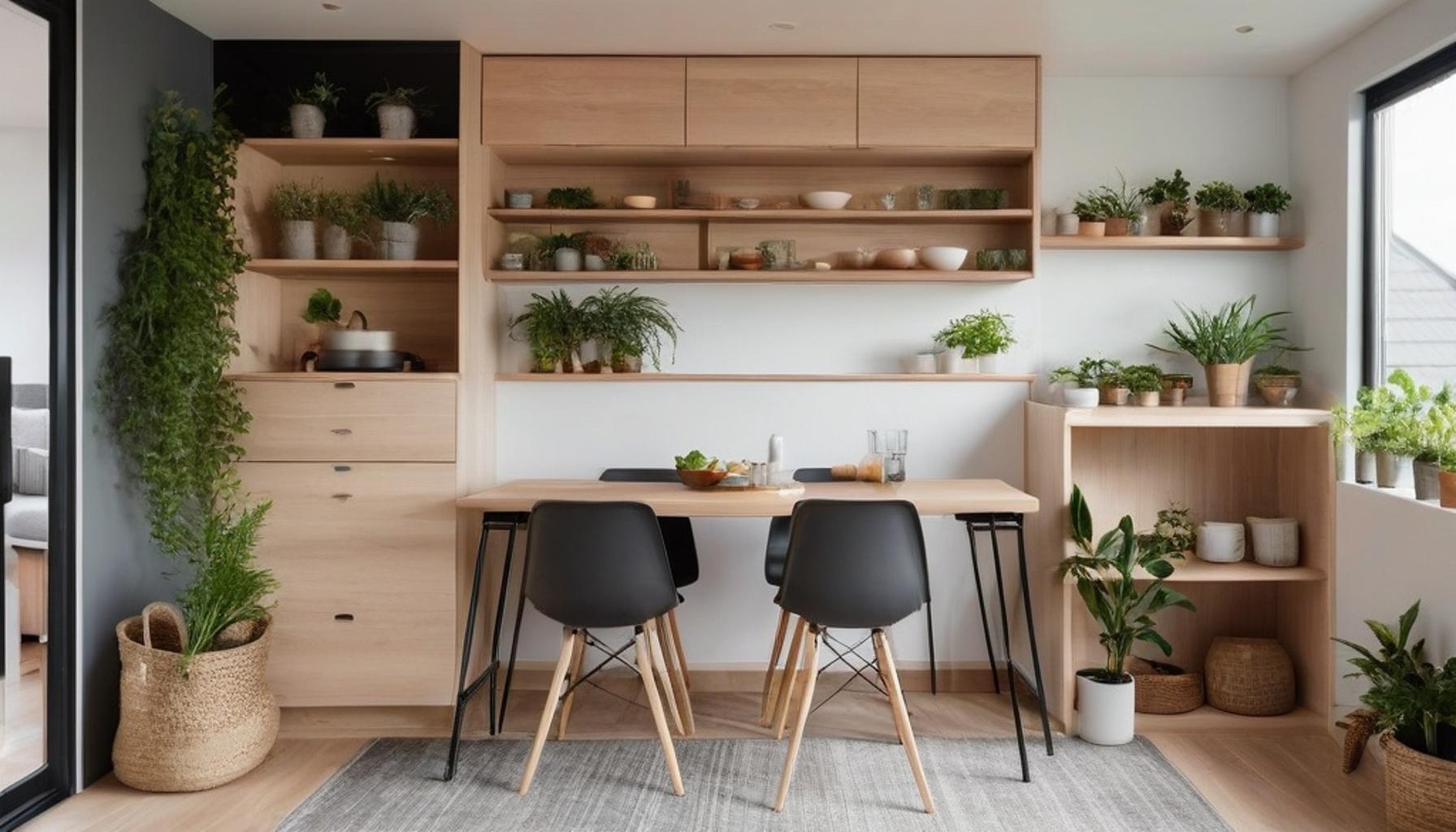
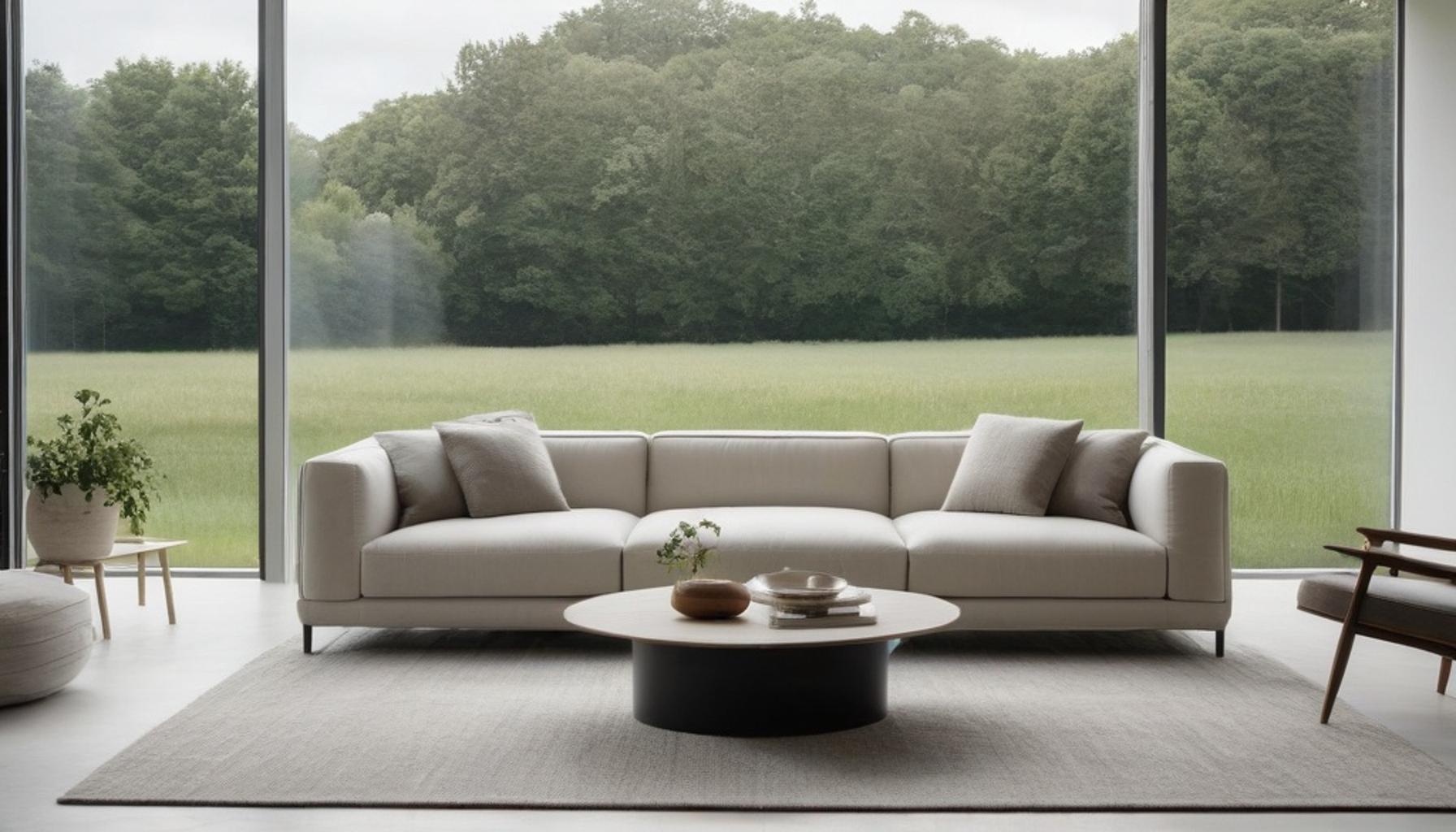
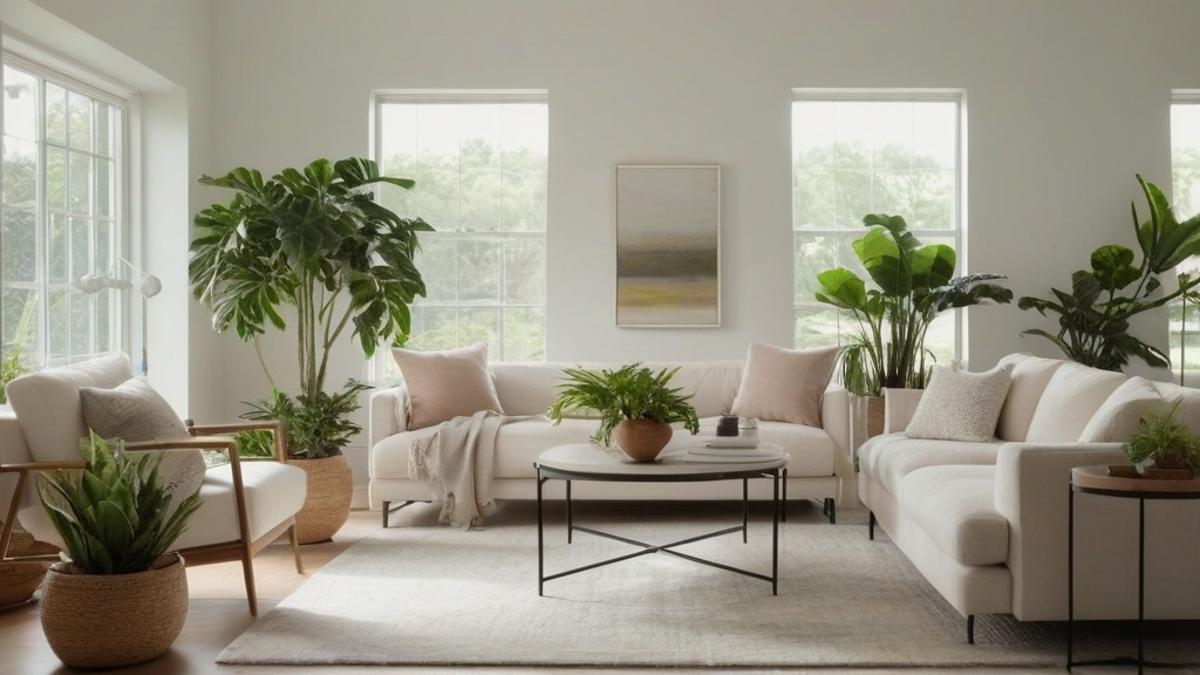
Consider the growing popularity of modular sofas and extendable dining tables. These pieces allow homeowners to reconfigure their living areas based on immediate needs, whether hosting guests or simply relaxing after work. This adaptability is central to modern minimalist furniture ideas, proving that less can indeed function as more when thoughtfully designed.
DISCOVER MORE: Click here for innovative storage ideas
# The Art of Functional Design: Creating a Clutter-Free Home with Minimalist Furniture
Practical Strategies for Achieving a Clutter-Free Home
Understanding the theory behind functional design minimalist furniture is one thing; putting it into practice is another. Homeowners often struggle with the transition, unsure where to begin when downsizing possessions or rethinking layouts. The good news is that clutter-free living doesn’t require an overnight overhaul.
Professional organizers across the country, including members of the National Association of Productivity and Organizing Professionals, suggest starting room by room rather than tackling an entire home at once. This incremental approach makes the process less overwhelming and more sustainable in the long run.
Multi-Functional Pieces That Maximize Small Spaces
Urban living has pushed minimalist furniture ideas into new territory, particularly in cities like San Francisco and Chicago, where square footage comes at a premium. Furniture that serves double or triple duty has become essential rather than optional.
- Storage ottomans — Function as seating, footrests, and hidden compartments for blankets or books.
- Murphy beds with built-in shelving — Transform bedrooms into home offices during the day.
- Nesting tables — Provide flexible surface space without permanently occupying floor area.
- Wall-mounted desks — Fold away when not in use, freeing up entire sections of a room.
These solutions directly address one of the most common clutter-free home tips experts recommend: choosing items that adapt to multiple needs rather than accumulating separate furniture for every function.
The Long-Term Benefits of Minimalist Furniture
Beyond aesthetics, the benefits of minimalist furniture extend into financial and psychological territory. A 2022 study published by the Journal of Environmental Psychology found that individuals living in visually organized spaces reported lower cortisol levels, a hormone linked to stress, compared to those in cluttered environments.
Financially, investing in fewer but higher-quality pieces often proves more economical over time. A well-built oak dining table, for instance, might cost more upfront than a mass-produced alternative but can last decades without needing replacement.
This durability aligns with broader sustainability trends as well. The Environmental Protection Agency estimates that Americans discard over 12 million tons of furniture annually, much of it ending up in landfills. Choosing quality over disposability directly reduces this environmental impact.
Retailers have taken note of this shift. Companies like West Elm and Room & Board have expanded their lines of modular, long-lasting furniture specifically designed for functional home design, catering to consumers who view purchases as long-term investments rather than temporary solutions.
Rethinking How We Live With Less
The shift toward functional design minimalist furniture is not a fleeting trend confined to design magazines or social media feeds. It represents a fundamental reconsideration of how Americans want to interact with their living spaces, from studio apartments in Brooklyn to suburban homes in Austin.
What began as an aesthetic preference has evolved into a practical philosophy. Homeowners are discovering that designing a minimalist space isn’t about deprivation. It’s about intention, choosing pieces that genuinely earn their place rather than filling rooms out of habit or obligation.
Bringing the Pieces Together
Throughout this exploration, several themes have emerged consistently. Multi-functional furniture solves real spatial constraints. Quality construction reduces long-term costs and environmental waste. Organized environments contribute measurably to lower stress levels, as research from the Journal of Environmental Psychology confirmed.
These aren’t isolated benefits. They reinforce one another, creating a cycle where thoughtful choices lead to calmer spaces, which in turn encourage more mindful consumption habits.
For readers just beginning this journey, the most valuable clutter-free home tips often boil down to patience and honesty about actual needs versus perceived wants. Not every trendy piece from a catalog will suit every lifestyle.
Looking Ahead
As retailers like West Elm and Room & Board continue expanding modular offerings, consumers will likely see even more innovative minimalist furniture ideas enter mainstream markets. This growth suggests that functional home design is transitioning from niche interest to standard expectation.
The broader question worth considering is how this movement might influence manufacturing practices, urban housing design, and even consumer psychology over the next decade. Those exploring the benefits of minimalist furniture today may be witnessing the early stages of a lasting transformation in American domestic life.
Frequently Asked Questions
What are the key principles of functional design in minimalist furniture?
The key principles of functional design in minimalist furniture include simplicity, utility, and purposeful use of space. Each piece should serve a specific function while also contributing to the overall aesthetic of the home. This approach helps to create an uncluttered environment that promotes relaxation and focus.
How can I choose the right minimalist furniture for my home?
When selecting minimalist furniture, consider size, functionality, and material. Look for pieces that fit the scale of your space, offer multiple functions, and are made of durable materials. It’s also important to choose colors and styles that complement your existing decor to maintain a cohesive look.
Can I achieve a clutter-free home with minimalist furniture on a budget?
Yes, you can create a clutter-free home with minimalist furniture even on a budget. Look for second-hand or discount furniture stores, and consider DIY projects to customize pieces to fit your needs. Prioritize fewer high-quality items that serve multiple purposes to maximize your investment.
How does functional design help in maintaining a clutter-free environment?
Functional design promotes the use of well-organized and purposeful furniture pieces, which directly reduces clutter. By incorporating multi-functional items and maximizing vertical space, you create a home that encourages tidiness and organization. This strategy not only enhances the aesthetic but also improves daily living.
What are some examples of multi-functional minimalist furniture?
Examples of multi-functional minimalist furniture include sofa beds, coffee tables with storage, and nesting tables that can be easily tucked away. These pieces provide versatility, allowing you to adapt your space for different needs without overcrowding. The key is to find items that balance form and function seamlessly.

Beatriz
Beatriz Johnson is a seasoned minimalist and writer with a passion for simplifying the complexities of personal organization and intentional living. With over a decade of experience in decluttering strategies and mindful consumption, she specializes in topics like space optimization, habit simplification, and sustainable lifestyle choices. Through her work on our website, Beatriz empowers readers to embrace minimalism, reduce mental and physical clutter, and create more meaningful, organized lives in today's fast-paced world.