Efficient Living: Space Optimization Strategies for Tiny Home Organization
Small Spaces, Smart Solutions
Across the United States, more than 10,000 tiny homes have been built in the last decade, according to industry estimates from the American Tiny House Association. Homeowners from Portland to Austin are increasingly trading their traditional living spaces for the advantages of smaller footprints, emphasizing financial freedom and simplicity in their lifestyles. This trend reflects a broader shift towards minimalism and sustainable living, as many are seeking to reduce their environmental impact and eliminate the burden of excessive consumerism.
However, downsizing from a 2,000-square-foot house to a compact 200-square-foot home presents a significant challenge: where does everything go? This quest for effective organization transforms Tiny Home Organization from a mere preference to an essential necessity. The art of fitting one’s life into a shrunken space requires innovative solutions and thoughtful strategies.
Why Space Optimization Matters
Living small does not equate to living cluttered. In fact, with the right space optimization strategies, even the most constrained floor plans can be transformed into nimble, fully equipped homes. Many successful tiny home dwellers rely on several core principles that help them maximize their living areas.
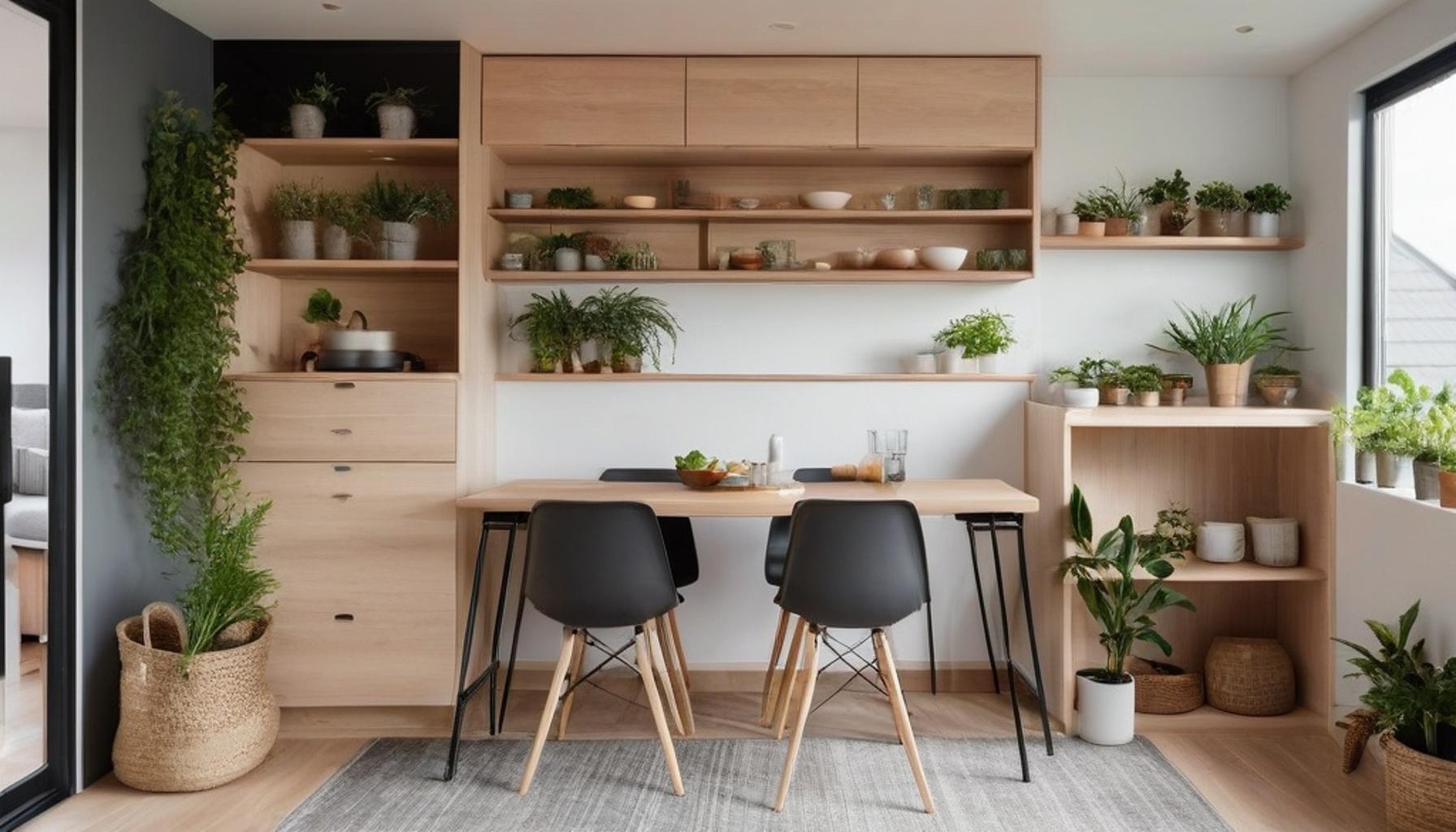
- Vertical storage: Utilizing the vertical dimension of walls frees up valuable floor space. Shelving units, hooks for hanging items like bikes or jackets, and wall-mounted organizers are excellent options.
- Multi-functional furniture: Investing in furniture that serves multiple purposes—such as a sofa bed or an ottoman with hidden storage—can drastically reduce clutter and maximize usability.
- Built-in solutions: Tailoring storage solutions to the specific dimensions of your tiny home not only enhances accessibility but also helps maintain clean lines and a sense of order.
- Consistent decluttering habits: Establishing a routine for regular decluttering plays a pivotal role in keeping a tiny home manageable. Adopting a ‘one in, one out’ rule ensures that new items do not accumulate unnecessarily.
What This Guide Covers
This article will explore practical tiny home storage ideas that real homeowners implement in their daily lives. Expect to find actionable tips grounded in experience rather than mere theory. The insights drawn from architects, minimalist bloggers, and tiny home builders will ignite inspiration for those contemplating downsizing, whether out of choice or curiosity.
From embracing the minimalist lifestyle to implementing smarter organization strategies, this journey into efficient living offers a roadmap worth exploring. Discover how to navigate the challenges of decluttering small spaces while creating a functional and inviting home. Ultimately, these techniques and insights may lead to a more fulfilling way of living in an increasingly crowded world.
DIVE DEEPER: Click here for more insights
# Mapping Your Space: The Foundation of Tiny Home OrganizationBefore installing a single shelf or purchasing storage bins, successful tiny home dwellers start with something far less exciting: measurements. Understanding the exact dimensions of every nook, cranny, and wall becomes the blueprint for effective Tiny Home Organization.Sarah Mitchell, a tiny home resident in Boulder, Colorado, spent three weeks mapping her 220-square-foot home before moving in a single box. “I created a spreadsheet with every wall measurement, ceiling height, and awkward corner,” she explains. “That data became the foundation for every storage decision I made afterward.”This methodical approach might seem excessive, but it addresses a critical truth about small-space living: guesswork leads to wasted space, and wasted space in a tiny home is simply not an option.## The Zone-Based Approach to Small SpacesProfessional organizers increasingly recommend dividing tiny homes into distinct functional zones, even when walls don’t physically separate these areas. This strategy, borrowed from studio apartment design in cities like New York and San Francisco, creates psychological separation in physically connected spaces.Consider implementing these zone categories:
- Sleep zone: Often elevated in a loft space, this area should remain distraction-free, dedicated solely to rest.
- Culinary zone: Compact kitchens benefit from clearly defined prep, cooking, and cleaning sub-sections, even within a few square feet.
- Work zone: A fold-down desk or convertible surface keeps productivity separate from relaxation areas.
- Hygiene zone: Bathroom areas require careful waterproofing and ventilation planning alongside storage considerations.
This zoning technique isn’t merely aesthetic—it’s one of the most effective space optimization strategies for maintaining mental clarity in compact quarters. Research from environmental psychologists suggests that clearly defined activity areas reduce stress, even when those areas measure just a few square feet.## Measuring Twice, Building OnceThe National Association of Home Builders reports that custom-built storage solutions in tiny homes typically utilize 30% more available space compared to retrofitted furniture designed for standard homes. This statistic underscores why precise measurement matters so much before implementing any tiny home storage ideas.Tiny home builders across Texas, Colorado, and Oregon consistently emphasize that successful organization begins long before move-in day. It starts with understanding your space intimately, identifying underutilized areas, and planning storage solutions that complement your specific dimensions rather than generic recommendations.
DISCOVER MORE: Click here for additional insights
Vertical Thinking: Building Upward When You Can’t Build Outward
Once the mapping phase concludes, the next breakthrough in Tiny Home Organization involves a mental shift: thinking vertically instead of horizontally. Floor space in a 200-square-foot home is precious, but wall space and ceiling height often remain dramatically underused.
Architects specializing in compact dwellings point to a simple statistic: the average tiny home wastes 40% of its vertical storage potential by relying on furniture designed for conventional houses. Bookshelves that stop at five feet, cabinets that ignore the space above doorways, and lofts without integrated drawers all represent missed opportunities.
Practical Vertical Solutions Worth Considering
- Ceiling-mounted racks: Kitchens in tiny homes across Portland and Austin increasingly feature suspended pot racks, freeing cabinet space entirely.
- Stair-step storage: Staircases leading to sleeping lofts can double as drawer systems, a technique borrowed from Japanese micro-apartment design.
- Door-back organizers: The reverse side of nearly every door represents unused real estate perfect for pantry items, cleaning supplies, or shoes.
- Wall-mounted folding furniture: Tables and desks that collapse flat against a wall when not in use exemplify smart tiny home storage ideas.
The Multi-Purpose Furniture Revolution
Furniture serving a single function has become something of a luxury tiny home residents can’t afford. Instead, multi-purpose pieces have emerged as one of the defining space optimization strategies within the movement.
Ottomans that open into storage compartments, staircases with built-in drawers, and dining tables that transform into workspaces all reflect this philosophy. In Nashville, tiny home builder Jason Reyes reports that nearly 85% of his clients request at least one convertible furniture piece in their initial design consultations.
“People used to think of furniture as fixed-purpose,” Reyes notes. “Now they’re asking how many jobs a single piece can perform before they even consider buying it.”
Decluttering as an Ongoing Discipline
Unlike traditional homes where clutter can accumulate in guest rooms or garages, tiny homes demand continuous discipline. Decluttering small spaces isn’t a one-time spring cleaning event; it becomes a weekly, sometimes daily, habit.
The “one in, one out” rule has gained popularity among tiny home communities in California and Colorado. Under this system, acquiring any new item requires removing an existing one, maintaining strict equilibrium within limited square footage.
This ongoing practice represents one of the most sustainable efficient living tips for anyone pursuing minimalist home organization, proving that space optimization is less about a single dramatic overhaul and more about consistent, mindful habits.
Small Footprint, Smart Future
From vertical shelving to convertible furniture, the throughline is clear: Tiny Home Organization isn’t about sacrifice, it’s about intention. Every square inch becomes an opportunity rather than a limitation once residents adopt the right mindset.
The strategies explored throughout this piece, from ceiling-mounted racks to the disciplined “one in, one out” rule, share a common thread. They prove that space optimization strategies work best when treated as ongoing systems rather than one-time fixes.
Consider the numbers again: homes wasting 40% of vertical potential, builders reporting 85% demand for multi-functional furniture. These figures suggest something bigger than a housing trend. They point to a cultural shift in how Americans define comfort and success.
Looking Beyond the Square Footage
Tiny home dwellers in Austin, Portland, and Nashville aren’t simply saving money on utilities or mortgages. They’re rethinking consumption itself, one drawer, one shelf, one decision at a time.
- Start small: Apply one vertical storage solution before overhauling an entire room.
- Test furniture flexibility: Choose pieces that solve at least two problems simultaneously.
- Commit to routine: Schedule regular decluttering sessions rather than waiting for chaos to force the issue.
Whether someone lives in 800 square feet or 8,000, these tiny home storage ideas translate surprisingly well into any living situation craving more clarity and less clutter.
Ultimately, minimalist home organization isn’t a temporary trend confined to tiny homes on wheels. It’s a broader invitation to reconsider what truly deserves space in daily life, physically and mentally. The most valuable efficient living tips may have less to do with square footage and more to do with the freedom that comes from owning less and living intentionally.
Frequently Asked Questions
What are some essential storage solutions for tiny home organization?
When it comes to tiny home organization, utilizing vertical space is key. Consider installing shelves, hooks, or pegboards to maximize wall storage. Multi-functional furniture, like ottomans with hidden compartments or bed frames with drawers, can also help keep your space tidy while providing additional functionality.
How can I effectively declutter my tiny home?
Start by sorting your belongings into categories: keep, donate, or discard. Use the one-year rule; if you haven’t used an item in the past year, it’s time to let it go. Additionally, adopting a minimalist mindset and being intentional about new purchases can help maintain a clutter-free environment.
What are some budget-friendly tips for optimizing space in a tiny home?
You can optimize space on a budget by repurposing everyday items. For example, use old crates as shelving units or transform a ladder into a stylish book display. DIY projects can be both fun and functional, allowing you to customize your tiny home organization solutions without breaking the bank.
How can I maximize my kitchen storage in a tiny home?
Maximizing kitchen storage can be accomplished by utilizing every inch of space. Install shelves above countertops for additional storage and use under-sink organizers to keep cleaning supplies out of sight. Consider magnetic strips for knives and spice jars to free up drawer space and maintain an efficient cooking area.

Beatriz
Beatriz Johnson is a seasoned minimalist and writer with a passion for simplifying the complexities of personal organization and intentional living. With over a decade of experience in decluttering strategies and mindful consumption, she specializes in topics like space optimization, habit simplification, and sustainable lifestyle choices. Through her work on our website, Beatriz empowers readers to embrace minimalism, reduce mental and physical clutter, and create more meaningful, organized lives in today's fast-paced world.