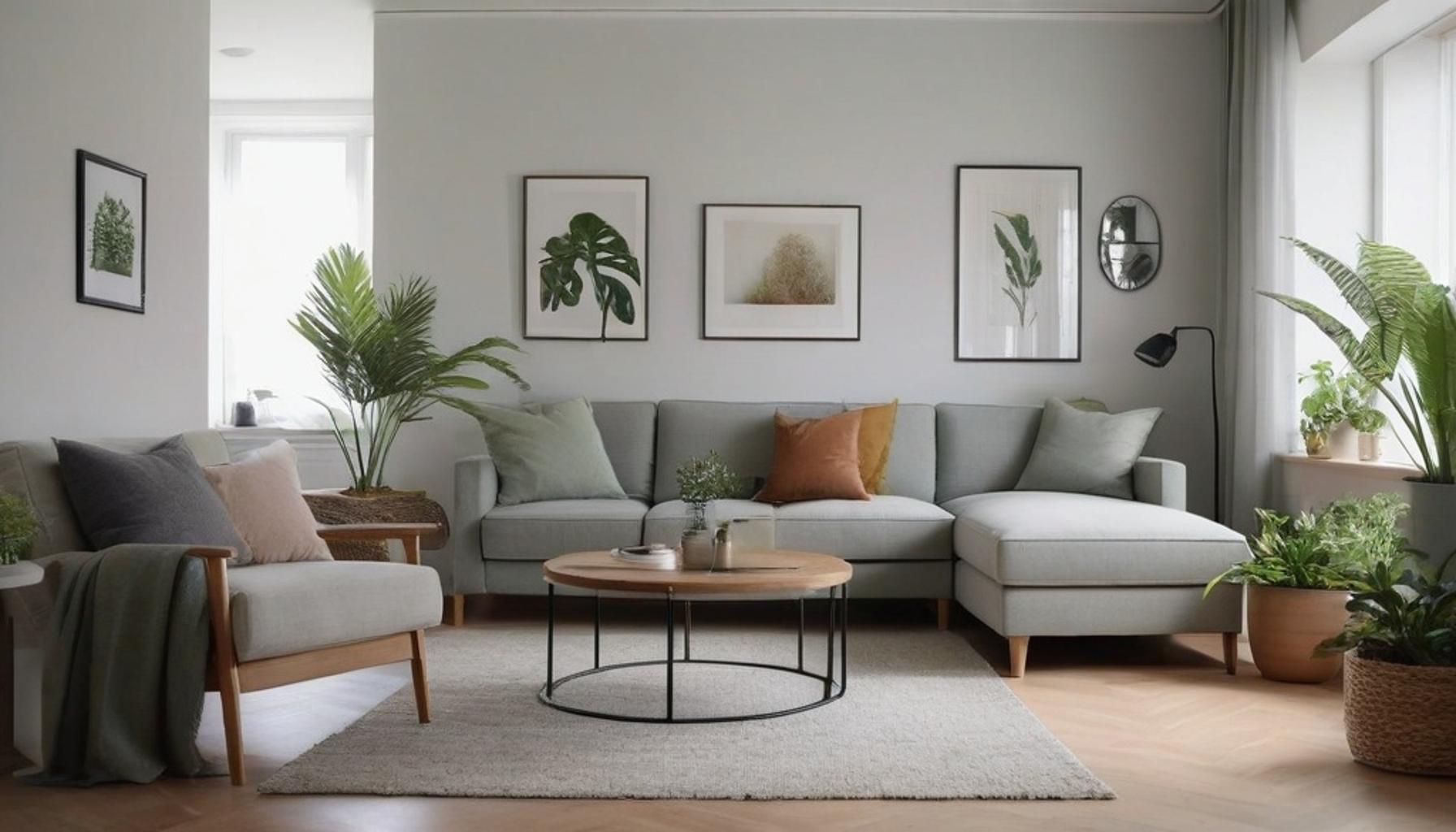
Vertical Storage Solutions: Maximizing Space in Your Living Room with Minimalist Design
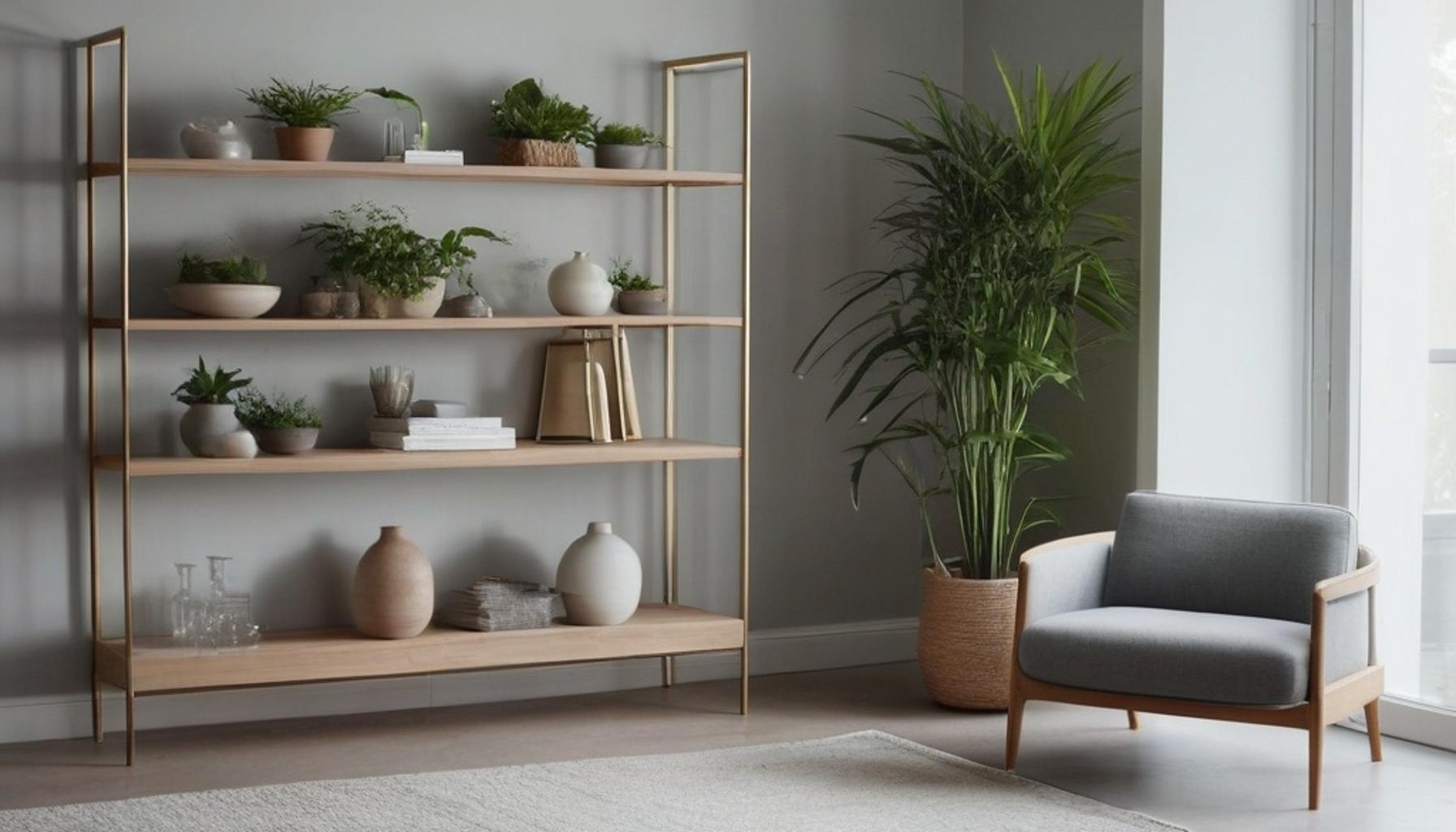
Small Rooms, Big Ideas: Why Vertical Thinking Wins
The average American living room measures just 340 square feet. In such a limited space, clutter can easily overwhelm, making even the most well-designed areas feel small and uninviting. This is precisely where vertical storage solutions come into play, revolutionizing the way homeowners think about and utilize their wall space, thus transforming underutilized areas into valuable functional square footage.
As opposed to merely spreading furniture across the floor, more astute homeowners are looking up—literally. This shift in perspective is compelling many to rethink how they approach living room organization, particularly in urban apartments, compact condos, and starter homes where real estate can be at a premium.
What Makes This Approach So Effective?
The combination of minimalist design with vertical strategies effectively addresses two prevalent issues: the constraints of space and the unsightly visual clutter. By adopting this innovative approach, rooms can be transformed into areas that feel more open, purposeful, and considerably easier to maintain.
Here are some examples of popular vertical solutions gaining traction in modern homes:
- Vertical shelving units that stretch majestically from floor to ceiling, not only provide essential storage but also serve as engaging focal points.
- Wall-mounted media consoles that eliminate the need for bulky TV stands, thereby freeing up valuable floor space for additional seating or decor.
- Innovative space-saving furniture like ladder shelves and ceiling-hung storage, which cleverly utilize corners and heights that would otherwise be wasted.
- Built-in nooks that serve dual purposes as both display areas and storage solutions, enabling homeowners to showcase their favorite books or decorative items while keeping essentials neatly tucked away.
A Growing Trend Worth Exploring
As interest in home organization continues to evolve, interior designers across the nation observe a notable rise in requests for home storage solutions that prioritize height instead of width. This is not merely a fleeting trend; it highlights a broader cultural shift toward seeking simplicity, efficiency, and functionality in interior design.
With more people gravitating towards minimalism in their living environments, the exploration and implementation of vertical storage solutions present unique opportunities for enhancing both aesthetics and practicality. In the sections ahead, we will delve deeper into specific strategies, product recommendations, and design principles that are geared toward maximizing the potential of your living room.
DISCOVER MORE: Click here for additional insights
# Building Upward: The Anatomy of Smart Vertical Storage SolutionsWalk into any well-organized living room and you will notice something surprising: the floor stays remarkably empty. That is not by accident. Designers achieve this by directing attention—and function—toward the walls.Vertical storage solutions work because they exploit an often-overlooked resource: the space between eye level and the ceiling. Most living rooms only use the bottom third of their walls, leaving several feet of prime real estate untouched.## Floor-to-Ceiling Shelving: The Backbone of Vertical DesignAmong the most effective tools in minimalist design ideas is the floor-to-ceiling shelving unit. Unlike traditional bookcases that top out around five feet, these units climb the full height of a room, often reaching eight or nine feet in standard American homes.This approach delivers several practical advantages:
- Increases usable storage capacity by up to 40 percent compared to standard-height furniture, according to interior design industry estimates.
- Draws the eye upward, creating an illusion of taller ceilings and a more spacious room.
- Vertical shelving units can be customized with adjustable brackets, allowing homeowners to reconfigure sections as storage needs change.
- Reduces the footprint on the floor, leaving more room for seating, movement, or an open layout.
Many homeowners in cities like New York, Chicago, and San Francisco—where square footage is notoriously expensive—have adopted this strategy specifically to combat the constraints of apartment living.## Wall-Mounted Systems: Function Without the FootprintAnother cornerstone of effective living room organization is wall-mounted furniture. Media consoles, floating cabinets, and modular wall systems eliminate the need for legs, bases, or bulky frames that eat into floor space.Consider the difference: a traditional TV stand might occupy three to four square feet of floor space, plus clearance for walking around it. A wall-mounted console holding the same components uses zero floor space, freeing that area entirely for other purposes.This is not just about tidiness. It is about reclaiming square footage that can be repurposed for a reading chair, a small workspace, or simply open, breathable space—an increasingly desired feature in modern home storage solutions.## Why Height-Based Storage Continues Gaining GroundIndustry data suggests this shift is accelerating. Searches for space-saving furniture have climbed steadily over the past several years, particularly among renters and first-time homeowners navigating smaller floor plans.The appeal is straightforward: vertical solutions solve a spatial problem without demanding a renovation budget or a larger home. They simply ask homeowners to think differently about the walls they already have.
DISCOVER MORE: Click here to dive deeper
Layering Function: From Ladder Shelves to Hidden Compartments
Once the basics of floor-to-ceiling shelving and wall-mounted consoles are in place, the next layer of vertical storage solutions involves furniture pieces designed for dual-purpose living. This is where minimalist design ideas start to feel less like restriction and more like clever engineering.
Ladder Shelves and Leaning Units
Ladder-style shelving has become a favorite among apartment dwellers in cities like Boston and Seattle, where narrow living rooms demand furniture that leans rather than sprawls. These units rest against a wall at an angle, requiring minimal anchoring while still climbing six to seven feet.
Unlike bulky bookcases, ladder shelves visually recede into the wall, making them ideal vertical shelving units for smaller spaces. They also tend to cost less than custom built-ins, often ranging between 80 and 250 dollars depending on material and height.
Vertical Storage with Hidden Compartments
Another trend reshaping living room organization is the rise of storage furniture that conceals its function entirely. Tall cabinets with flush doors, for example, can hold everything from board games to seasonal décor while presenting a clean, uninterrupted facade.
This matters because clutter, even when organized, can visually compete with a room’s sense of calm. Concealed vertical storage removes that competition altogether.
- Slim-profile cabinets as narrow as 12 inches deep can still hold a surprising volume of items when built tall.
- Pieces with soft-close doors and integrated lighting are increasingly common in home storage solutions marketed toward small-space living.
- Some modular systems allow stacking additional cabinet units as storage needs grow, avoiding the need to replace furniture entirely.
The Psychological Payoff of Going Vertical
There is a reason this approach resonates beyond simple practicality. Design researchers have long noted that visual clutter contributes to feelings of stress, while ordered, open spaces tend to support a sense of calm and control.
By shifting storage upward, homeowners are not just solving a spatial puzzle—they are curating an environment. A living room where books, electronics, and personal items are neatly arranged on space-saving furniture feels intentional rather than accidental.
This is particularly relevant for renters, who make up nearly 35 percent of American households, according to recent Census Bureau estimates. For this group, vertical solutions offer flexibility without the commitment of permanent renovations, making them one of the most practical entry points into intentional, minimalist living.
DISCOVER MORE: Click here to unlock smart storage solutions
Rethinking the Room You Already Have
Square footage may be fixed, but the way a living room feels rarely has to be. Across this guide, one idea keeps resurfacing: vertical storage solutions turn wasted air into usable, organized space without demanding a bigger lease or a bigger mortgage.
From floor-to-ceiling shelving to leaning ladder units and cabinets with hidden compartments, each approach solves the same core problem in a different way. What ties them together is a commitment to minimalist design ideas that prioritize clarity over accumulation.
What to Keep in Mind Going Forward
Before investing in new pieces, it helps to think about how a room will actually be used six months or a year from now. Storage needs shift, and the best space-saving furniture tends to be the kind that adapts alongside daily life.
- Start with wall height, not floor space, when planning new vertical shelving units.
- Favor modular or stackable pieces that can grow with changing needs.
- Choose concealed storage for items that disrupt visual calm, even when tidy.
For renters and homeowners alike, these choices add up to more than tidiness. They reflect a broader shift in how Americans are approaching small-space living, especially as urban square footage continues to shrink while rent prices climb.
Ultimately, effective living room organization is less about owning less and more about placing things with intention. Thoughtful home storage solutions do not just clear the floor, they change how a room feels to walk into every single day.
As minimalist design continues to influence mainstream interiors, vertical thinking is likely to remain one of its most practical, lasting expressions.
Frequently Asked Questions
What are some examples of vertical storage solutions for small living rooms?
Some effective vertical storage solutions for small living rooms include wall-mounted shelves, tall bookcases, and vertical cabinets. Utilizing pegboards or floating shelves can also provide both storage and decorative options while saving floor space.
How can I incorporate vertical storage without sacrificing style in a minimalist design?
To maintain a minimalist aesthetic while using vertical storage, choose sleek, simple designs and neutral colors that blend well with your existing decor. Consider open shelving that showcases decorative items or books, as well as furniture pieces that serve dual purposes, such as storage ottomans or coffee tables.
Are there any DIY vertical storage solutions I can create myself?
Yes, there are numerous DIY vertical storage solutions you can create, such as building custom shelving units from reclaimed wood or upcycling old furniture into taller pieces. Consider creating a ladder shelf or installing floating shelves for a stylish and personalized touch to your living room.
What types of materials work best for vertical storage solutions in a living room?
Durable materials such as wood, metal, and strong composites work well for vertical storage solutions. Wood provides warmth and character, while metal offers a modern edge; you can also use combinations of both for a contemporary look that fits your minimalist design.
How can I use baskets or bins with vertical storage solutions effectively?
Using baskets or bins on open shelves can help keep your living room organized while maintaining a clean, minimalist look. Opt for matching or complementary designs to create a cohesive appearance, and label the bins for easy access to items without cluttering the space.
What are the benefits of vertical storage in maximizing living room space?
Vertical storage solutions maximize living room space by drawing the eye upward, making the area appear larger while providing ample storage. They help minimize clutter by keeping items off the floor, allowing for a more open and airy environment that aligns with minimalist design principles.

Beatriz
Beatriz Johnson is a seasoned minimalist and writer with a passion for simplifying the complexities of personal organization and intentional living. With over a decade of experience in decluttering strategies and mindful consumption, she specializes in topics like space optimization, habit simplification, and sustainable lifestyle choices. Through her work on our website, Beatriz empowers readers to embrace minimalism, reduce mental and physical clutter, and create more meaningful, organized lives in today's fast-paced world.