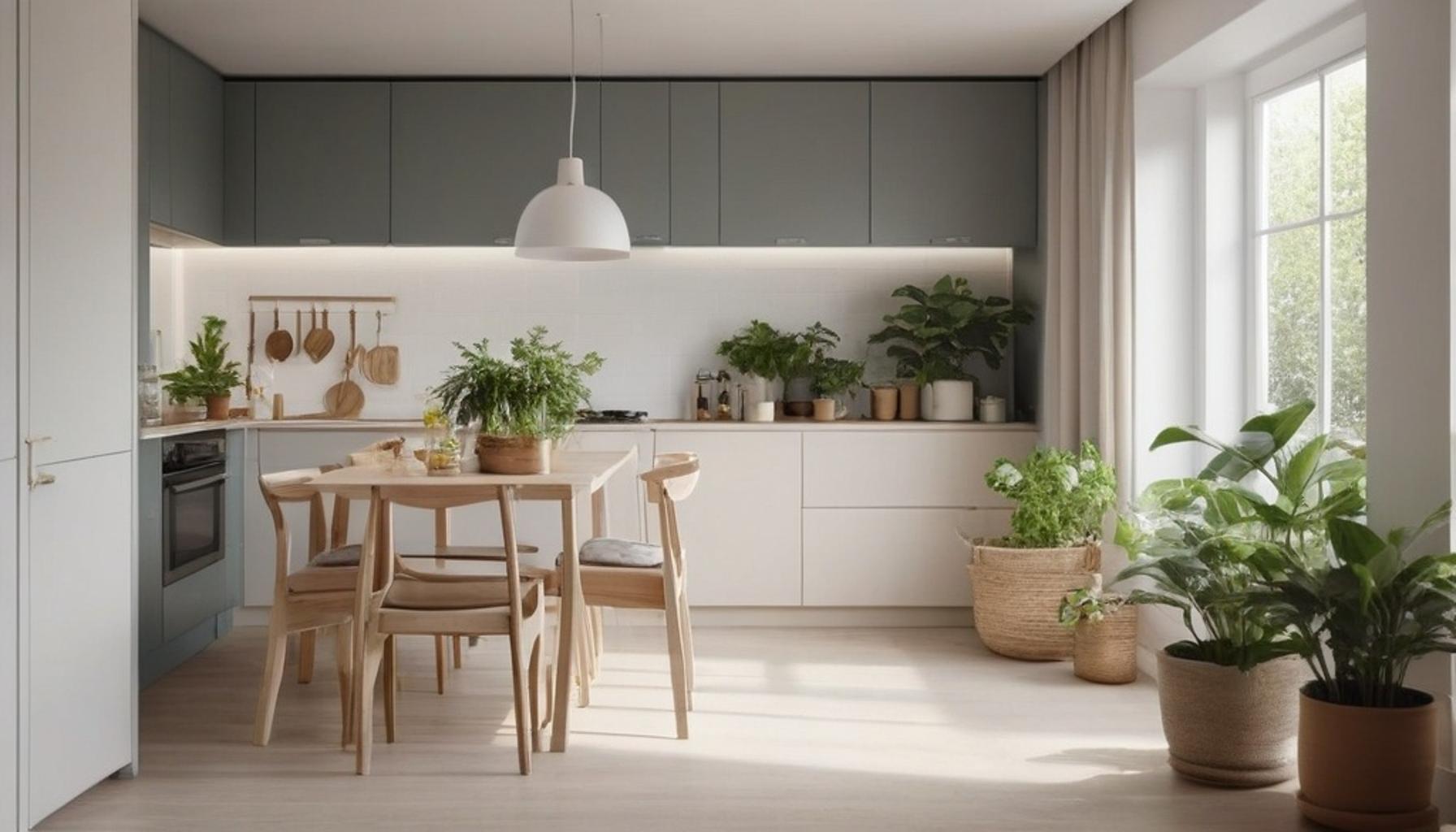
Mindful Consumption in the Kitchen: Organizing Your Space for Intentional Living and Sustainable Choices

Rethinking the Heart of Your Home
The average American kitchen holds more than 500 items, yet studies show most households actively use less than half of them. This disconnect between accumulation and actual need sits at the core of Mindful Consumption in the Kitchen, a growing movement reshaping how people shop, cook, and store food. Maxing out utensils, appliances, and pantry items often leads to confusion, frustration, and even waste, as an overabundance makes preparing meals more time-consuming and less enjoyable.
From overflowing pantries to single-use plastics piling up in landfills, kitchens have quietly become symbols of excess. Many people may not realize that this overabundance contributes to a cycle of consumerism that promotes environmental harm. However, a shift is underway across the country as more households embrace sustainable kitchen organization. This new approach encourages simpler, more deliberate routines, often framed around eco-friendly practices that benefit both the homeowner and the planet.
Why This Trend Is Gaining Momentum
Rising grocery costs, food waste awareness, and a cultural pull toward simpler living have converged to persuade many to rethink their culinary environments. Consider these figures:
- The USDA estimates that up to 30-40% of the food supply in the United States goes to waste annually. This staggering number not only reflects misuse within households but also contributes to increased greenhouse gas emissions.
- Households practicing intentional living tips report saving hundreds of dollars each year on groceries. Strategies such as meal planning and bulk purchasing of staples can significantly cut costs and curb impulse buying.
- Minimalist kitchens often reduce clutter-related stress, according to organizational psychology research. A tidy kitchen can lead to better focus, improved cooking creativity, and an overall enhanced cooking experience.
These numbers reveal a kitchen crisis hiding in plain sight, one that can be resolved through practical changes. By addressing clutter and waste, consumers can embrace a more efficient and enjoyable cooking space.
What This Article Will Explore
This guide unpacks how eco-friendly kitchen choices and thoughtful design can transform everyday habits. Readers will discover:
- Strategies for minimalist kitchen design that maximize function without excess. For instance, utilizing multi-purpose kitchen tools or decluttering cabinets by donating unused items can profoundly streamline the cooking process.
- Tools for building lasting mindful eating habits. Engaging with local farmers’ markets or opting for seasonal produce not only supports local economy but encourages healthier eating patterns.
- Storage solutions that reduce waste and support sustainability goals, such as investing in reusable storage containers and composting organic waste.
Curious how a few intentional swaps can reshape your relationship with food and space? The answers may start closer than expected—right in your own kitchen drawer. By taking a closer look and making small, manageable changes, anyone can contribute to a more sustainable kitchen ethos and cultivate healthier, more fulfilling culinary practices.
DISCOVER MORE: Click here to learn about smart storage solutions
Auditing Your Kitchen: The First Step Toward Intentional Living
A kitchen audit is more than a simple inventory; it’s a comprehensive evaluation that serves as a cornerstone for sustainable living and intentional consumption. Homeowners are often amazed to discover just how much they possess. The process typically involves taking stock of every item in cabinets, drawers, and pantry shelves and may reveal shocking insights about kitchen management. Many find an avalanche of duplicate gadgets, unused appliances, expired spices, and mismatched containers lurking within their kitchen confines.
The act of auditing allows homeowners to recognize the patterns of consumption that have slipped under the radar in the hustle and bustle of daily life. For instance, a couple may realize they have accrued an arsenal of mugs from various coffee shops across the country, despite the fact that they hardly utilize more than a few of them. The awareness gained from this exercise can be eye-opening and paves the way for a more organized and thoughtful kitchen.
Common Culprits Behind Kitchen Clutter
Specific categories of items often contribute to kitchen chaos. By identifying these common offenders, families can strategically declutter with maximum effectiveness:
- Single-use gadgets: Items such as avocado slicers, corn on the cob holders, or pineapple corers might sound appealing, but they often occupy valuable drawer space, serving a singular function that rarely justifies their place in the kitchen.
- Duplicate cookware: Households frequently find themselves with multiple sets of measuring cups or multiple spatulas—often unnecessary and largely unthoughtful purchases made during shopping sprees or as gifts. Evaluating how many of each item are genuinely needed can lead to significant space and budget savings.
- Expired pantry goods: Many families are shocked to realize just how much food waste they contribute to. According to Feeding America, the average American family discards roughly 1,160 pounds of food annually. Items like forgotten cans of beans and stale grains not only take up valuable space but also contribute to ongoing environmental challenges.
- Excess plastic storage: A plethora of mismatched lids and warped containers often takes up residence in cabinets. Not only do these items lack practicality, but their clutter can also lead to frustration during meal prep.
By tackling these categories head-on and determining what is truly necessary, households can lay the groundwork for lasting organizational changes. This method is central to fostering a minimalist kitchen design that encourages efficiency and mindfulness.
Turning Insight Into Action
Real transformation requires action—insight from the kitchen audit must translate into purposeful organization. After evaluating their belongings, many organizers suggest categorizing items into three groups: keep, donate, and discard. Household excess can often find new life in local shelters, community kitchens, or thrift stores. By donating gently used cookware, families can not only declutter their kitchen but also contribute to local communities in need.
This crucial step reinforces intentional living tips that extend well beyond the kitchen. Practicing mindful evaluation in one area can influence broader lifestyle choices throughout the home. The kitchen becomes a training ground for cultivating conscious habits—whether it be in the living room, bedroom, or even one’s time management. Each drawer organized, each shelf optimized, and each decision made emphasizes a commitment to a sustainable and intentional lifestyle.
Ultimately, the integration of mindful consumption practices in the kitchen is not merely about creating a visually appealing space; it’s about fostering an awareness that spills over into every aspect of life. As individuals embrace these changes, they contribute to a larger narrative of reduced waste and heightened consciousness in a consumer-focused world.

DISCOVER MORE: Click here for additional insights
Designing a Sustainable Kitchen System That Actually Sticks
Once the audit dust settles, the real work begins: building a system that supports mindful consumption in the kitchen for the long haul. Organization without a sustainable framework tends to collapse within weeks, leaving families right back where they started. The goal is to create habits and storage solutions that reinforce good choices automatically, rather than relying on willpower alone.
Professional organizers across the country increasingly recommend a “zone” approach to kitchen layout. Grouping items by function—baking supplies together, everyday dishware within easy reach, rarely used appliances stored higher or farther back—reduces decision fatigue and curbs impulsive re-purchasing of items already owned but forgotten. This zoning strategy is a foundational principle of minimalist kitchen design, where every object has a designated home and purpose.
Choosing Materials That Align With Eco-Friendly Values
Sustainable kitchen organization isn’t just about tidiness; it’s also about what the storage solutions themselves are made from. Swapping plastic containers for glass, stainless steel, or bamboo alternatives reduces microplastic exposure and long-term landfill contribution. The Environmental Protection Agency estimates that containers and packaging make up more than 28 percent of total U.S. municipal solid waste, making thoughtful material choices in the kitchen a meaningful lever for change.
- Glass jars and containers: Reusable, non-toxic, and often repurposed from products already brought into the home, such as pasta sauce or pickle jars.
- Beeswax wraps: A growing alternative to plastic cling film, offering a washable and compostable option for food storage.
- Cloth produce bags: Increasingly available at U.S. grocery chains like Whole Foods and Sprouts, reducing single-use plastic at the point of purchase.
These small material swaps represent tangible eco-friendly kitchen choices that compound over time, reducing household waste without requiring a complete lifestyle overhaul.
Building Routines Around Mindful Eating Habits
An organized kitchen naturally supports better food choices. When fresh produce is visible and accessible—rather than buried in a cluttered fridge drawer—families are statistically more likely to consume it before spoilage. This visibility principle, often called “the eye-level effect,” has been used in behavioral studies on food consumption and waste reduction.
Meal planning also plays a critical role. Households that dedicate even fifteen minutes each week to planning meals around what they already own report significant reductions in both grocery spending and food waste. Pairing this with mindful eating habits, such as portioning meals thoughtfully and storing leftovers in clearly labeled containers, further strengthens the connection between an organized space and reduced consumption.
These small, repeatable actions transform the kitchen from a source of clutter and waste into a functioning example of intentional living tips put into daily practice, proving that sustainability often starts with the smallest, most overlooked spaces in the home.
The Kitchen as a Starting Point for Lasting Change
Across every drawer, shelf, and pantry corner, the evidence keeps pointing to the same conclusion: Mindful Consumption in the Kitchen is not a one-time project but an ongoing practice. What begins as a simple decluttering exercise often evolves into a broader shift in how households think about waste, spending, and daily routines.
The numbers reinforce why this matters. With packaging and containers accounting for nearly a third of municipal solid waste nationwide, and food waste costing the average American family hundreds of dollars each year, the kitchen sits at the intersection of environmental and financial stakes most people underestimate.
Sustainable kitchen organization offers a practical entry point precisely because it doesn’t demand perfection. Swapping a few plastic containers for glass, dedicating fifteen minutes to weekly meal planning, or simply rearranging shelves so fresh produce stays visible—these are small, repeatable actions rather than sweeping lifestyle overhauls.
Minimalist kitchen design plays a supporting role throughout this process, not as an aesthetic trend but as a functional framework. When every item has a designated zone, decision fatigue drops, impulsive purchases decline, and existing resources get used more fully before new ones are acquired.
Perhaps the most important takeaway is this: intentional living tips work best when they’re embedded into physical space rather than treated as abstract goals. A kitchen designed with visibility, accessibility, and eco-conscious materials in mind quietly nudges better choices, meal after meal, without requiring constant willpower.
As more U.S. households grapple with rising grocery costs and growing awareness of environmental impact, mindful eating habits and thoughtful kitchen systems are likely to move from niche practice to mainstream expectation. The question worth sitting with isn’t whether to start, but which drawer to open first.
Frequently Asked Questions
How can I start practicing mindful consumption in my kitchen?
Begin by assessing what you currently have in your kitchen. Take inventory of your pantry and appliances, and donate or discard items that you no longer use or need. Focus on buying only what you will truly use, opting for whole, sustainable ingredients whenever possible.
What are some effective ways to organize my kitchen for mindful consumption?
You can organize your kitchen by categorizing items based on usage, such as grouping cooking utensils, food items, and appliances together. Utilize clear containers and labels to enhance visibility and reduce waste by easily identifying what you have on hand.
How does mindful consumption contribute to sustainability in the kitchen?
Mindful consumption reduces food waste and encourages the purchase of locally sourced and organic products, which help lower your carbon footprint. By making intentional choices about what you bring into your kitchen, you support sustainable farming practices and conserve resources.
What role does meal planning play in mindful consumption?
Meal planning allows you to create a roadmap for your weekly cooking, helping to ensure you only buy ingredients you will use. This practice minimizes impulse purchases, reduces food waste, and fosters a deeper connection to the meals you prepare.
Can technology assist in achieving mindful consumption in the kitchen?
Absolutely! There are numerous apps available that can help you track your pantry inventory, plan meals, and provide recipes based on available ingredients. Additionally, smart appliances can help monitor energy usage, reminding you to make more sustainable choices.

Beatriz
Beatriz Johnson is a seasoned minimalist and writer with a passion for simplifying the complexities of personal organization and intentional living. With over a decade of experience in decluttering strategies and mindful consumption, she specializes in topics like space optimization, habit simplification, and sustainable lifestyle choices. Through her work on our website, Beatriz empowers readers to embrace minimalism, reduce mental and physical clutter, and create more meaningful, organized lives in today's fast-paced world.