Smart Storage Solutions for Small Spaces: Enhancing Efficiency in a Minimalist Lifestyle
Rethinking Square Footage in the Age of Micro-Living
The average American apartment has shrunk to just 882 square feet, according to recent housing data, while urban rents continue climbing. This shift has forced renters and homeowners alike to get resourceful with every inch they own. Smart storage solutions for small spaces have become less of a design trend and more of a survival skill.
Why Space-Saving Strategies Matter Now
From studio apartments in Brooklyn to tiny homes in Austin, Americans are embracing compact living without sacrificing comfort. The secret lies in combining efficient storage ideas with intentional design choices. As housing prices soar in metropolitan areas, the concept of “less is more” becomes crucial as people look for ways to optimize their living conditions.
Consider what separates a cluttered room from an organized sanctuary:
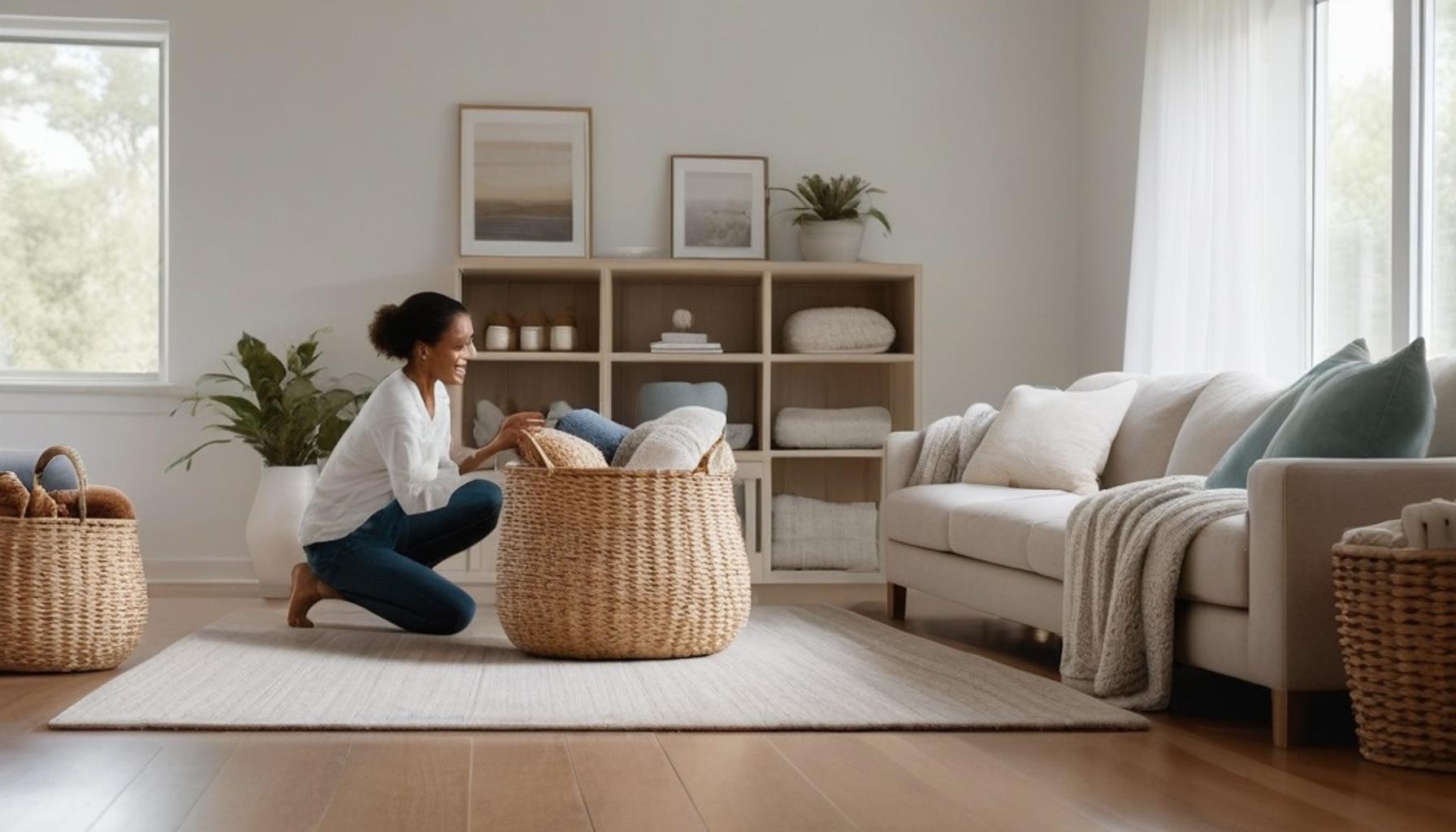
- Multi-functional furniture that hides storage in plain sight, such as ottomans that can hold blankets or couches with built-in compartments.
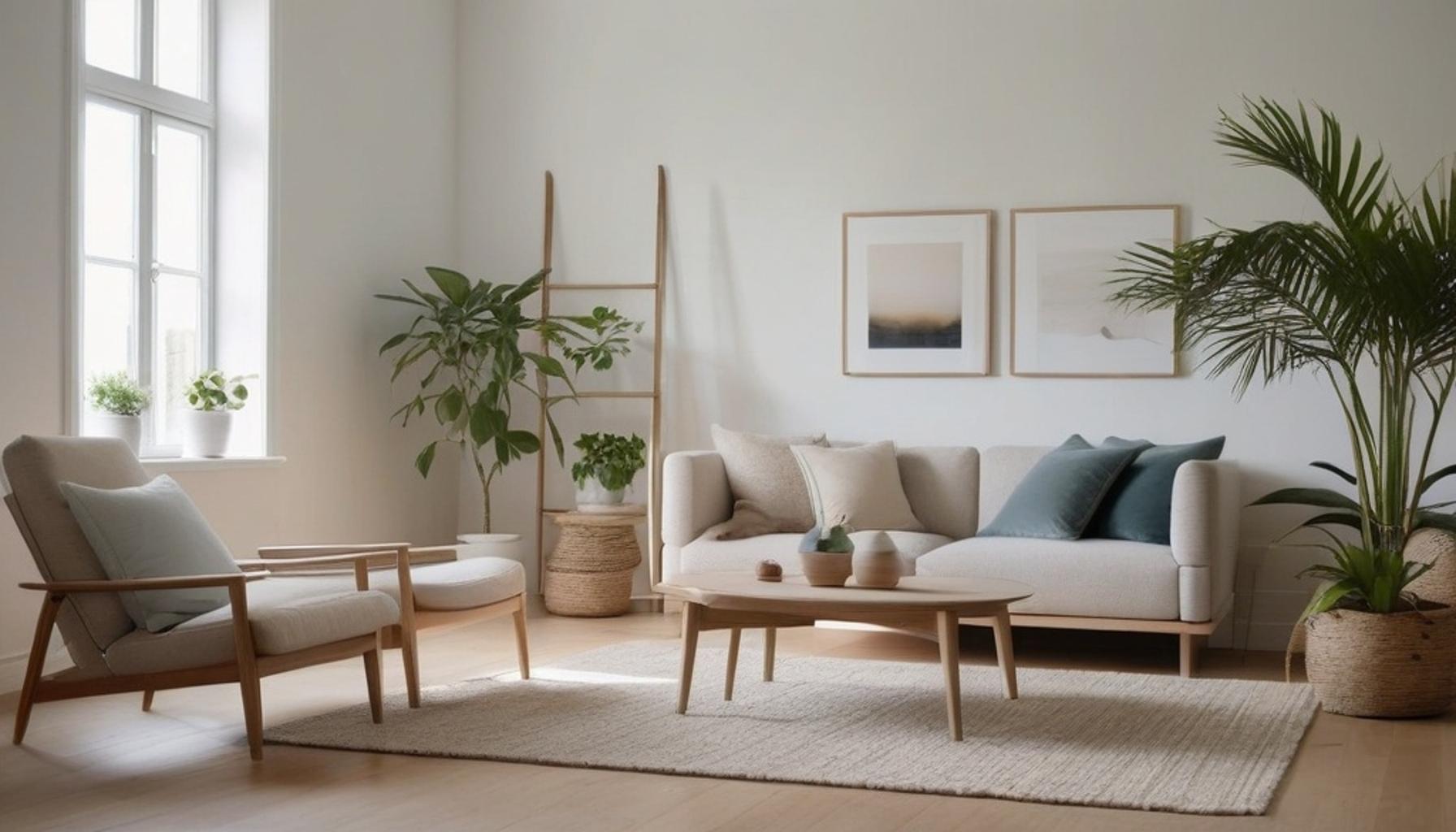
- Vertical shelving that maximizes unused wall space, taking advantage of high ceilings to display books, plants, or decorative items.
- Under-bed containers designed for seasonal items, allowing you to keep heavier winter gear stowed away during warmer months.
- Modular closet systems that adapt to changing needs, offering both hanging and drawer storage to fit various clothing types.
The Minimalist Connection
This shift toward compact living isn’t just about fitting more into a smaller space; it’s about embracing minimalist lifestyle tips that prioritize function over excess. Minimalism encourages individuals to assess their belongings critically and to retain only those items that provide genuine value or joy.
Effective small space organization often starts with a simple question: does this item earn its place? Answering honestly prompts a natural decluttering process, which can significantly open up space in a home. For many, this means letting go of items that have become more of a burden than a benefit.
Ahead, we’ll explore creative storage solutions that transform overlooked corners into functional zones. For example, empty corners can be utilized for a small desk with shelves above it for a compact work-from-home setup, illustrating that limited square footage doesn’t equate to limited possibilities. By exploring these innovative strategies, individuals can create surroundings that reflect both their style and needs, demonstrating that even the smallest spaces can feel like true homes.
DIVE DEEPER: Click here to learn more
Understanding Your Space: The Key to Smart Storage Solutions
Before diving into the world of trendy bins, decorative baskets, or stylish furniture pieces, it is crucial to take a moment and assess what you currently possess. Professional organizers and decluttering experts from various parts of the country are nearly unanimous in their opinion: smart storage solutions for small spaces are only effective when they address your real-life habits rather than mirroring perfect but impractical Pinterest inspirations.
One of the first steps in this audit is to closely observe how you utilize each area in your home over the course of a week. For example, where do your keys habitually land when you walk through the door? Is there a designated spot for them, or do they end up on the kitchen counter? Where does your laundry end up accumulating—by the bedroom door, in front of the washing machine, or somewhere else entirely? Recognizing these patterns will guide you in determining the most effective placement for small space organization systems, ensuring they coincide with your daily routines and not just where you believe they should be located.
The Zone Method: A Practical Starting Point
Leading professional organizers in bustling cities like Chicago and San Francisco champion the concept of segmenting a home into functional zones, a method that proves beneficial regardless of the overall square footage. This approach can transform even a compact 400-square-foot studio into a series of intentional areas tailored for specific activities, instead of merely being viewed as a single overwhelming room.
Some common zones you might consider creating in your own space include:
- Entry zone: A designated area for shoes, bags, and mail, ideally outfitted with a slim console table or wall-mounted hooks to foster ease of access and organization.
- Work zone: A space specifically for laptops, documents, and office supplies, which can be tucked away in a closet or cozy corner to reduce visual clutter.
- Rest zone: This area revolves around the bed and utilizes configurations like headboards with shelving or nightstands featuring drawers, which can help maintain order while contributing to a peaceful ambiance.
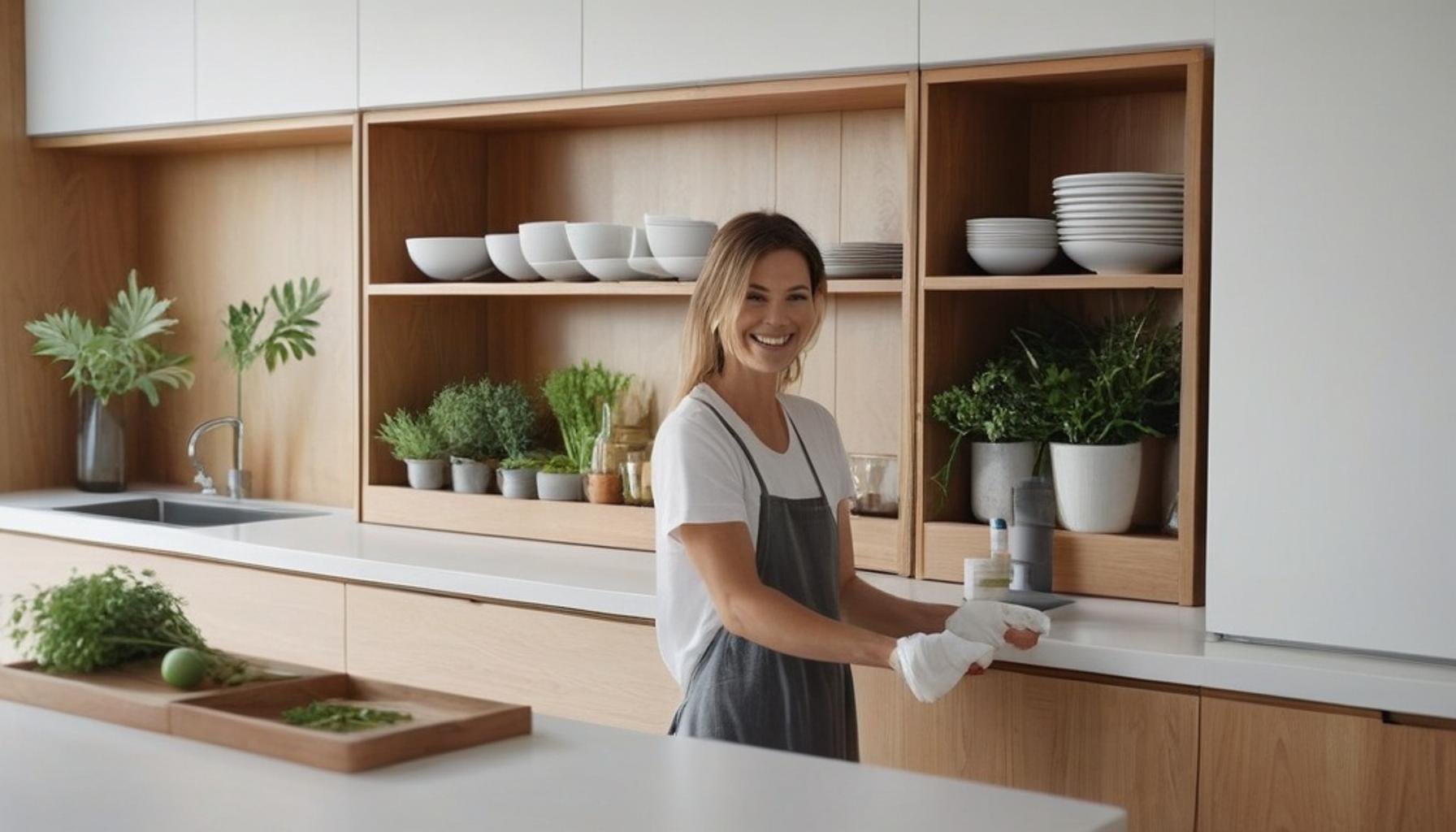
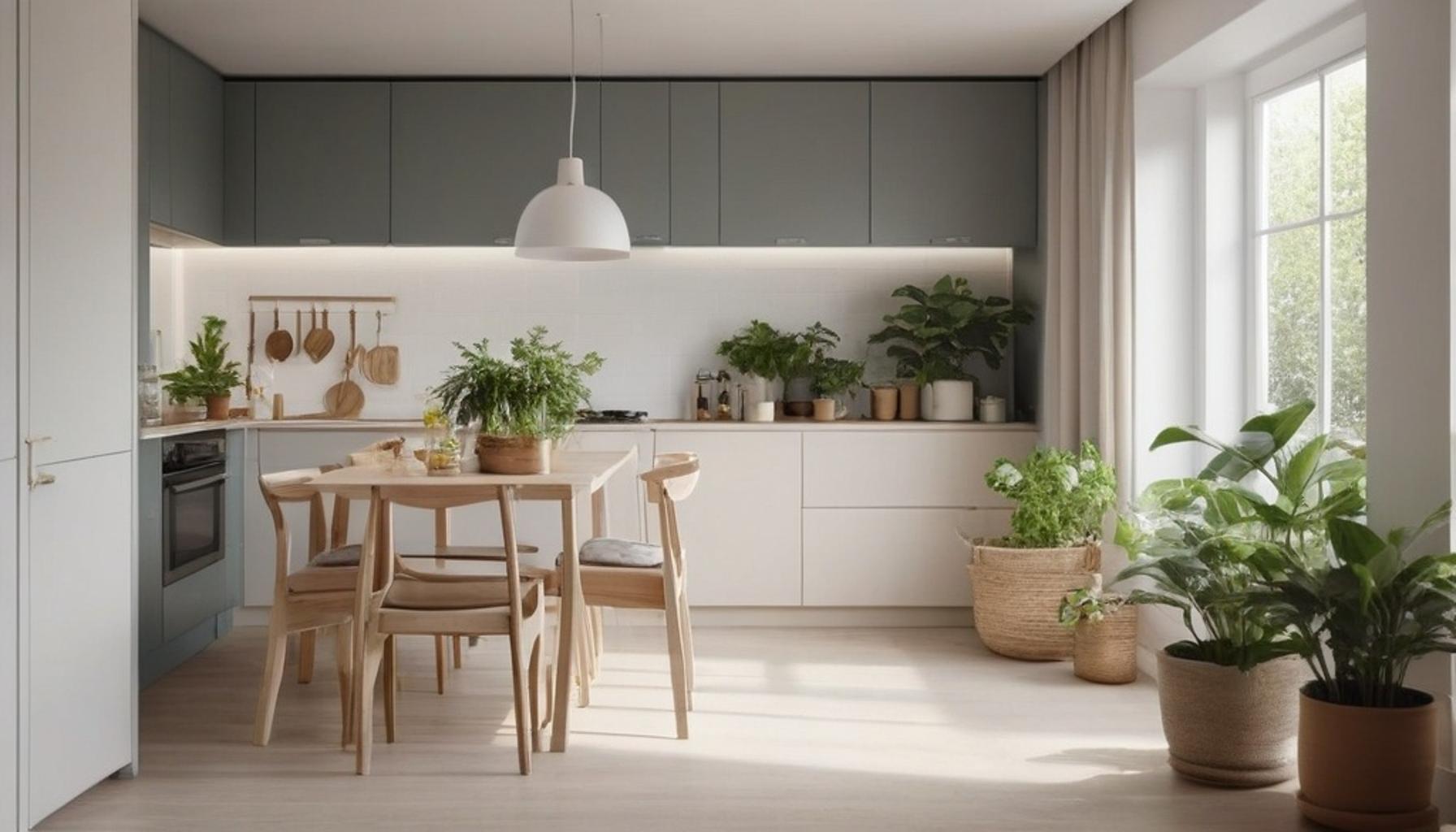
- Kitchen prep zone: This functional kitchen area should emphasize the use of stackable containers and pull-out organizers to minimize counter congestion, allowing for a more enjoyable cooking experience.
By establishing these zones, the concept of storage begins to feel much less scattered and far more intentional, effectively underpinning your daily life.
Decluttering Techniques That Actually Stick
It is worth noting that many popular decluttering techniques tend to falter because they neglect to tackle the underlying issues that lead to clutter in the first place. A more sustainable approach focuses on categorizing possessions based on frequency of use. For instance, items that are utilized on a daily basis should occupy prime, easily accessible spots in your home. In contrast, seasonal or less frequently used items can afford to be stored in higher locations, deeper recesses, or in underutilized areas like beneath the bed or above closets.
This tiered organization strategy, favored by minimalist enthusiasts across the nation, serves to prevent the often-experienced pitfall of storing everything within direct sight, which can lead to quick clutter accumulation and overcrowding.
Industry data indicates that households that adopt organized zones and tiered storage methods report a notable reduction in clutter within the first 90 days of implementation. This statistic underscores the value of thoughtful planning, showcasing why informed organization strategies are superior to impulsive purchases.
Ultimately, efficient storage ideas succeed not merely because of innovative products, but because they stem from an understanding of how a space came to be utilized, day after day, by the people living within it.
DIVE DEEPER: Click here to discover smart storage solutions
Vertical Thinking: Unlocking Overlooked Storage Real Estate
Once your zones are established, the next frontier lies in a dimension many homeowners overlook entirely: vertical space. Walls, doors, and even ceilings often sit underutilized while floor space becomes increasingly cramped. Interior designers working in tight urban markets like New York City and Boston frequently point to vertical expansion as one of the most creative storage solutions available to renters and homeowners alike.
Floating shelves installed above desks, beds, or sofas can hold books, plants, or decorative bins without consuming a single inch of walkable area. Pegboards, once relegated to garages and workshops, have made a surprising crossover into kitchens and home offices, offering customizable hanging storage for everything from utensils to office supplies.
Furniture That Works Overtime
Multipurpose furniture represents another cornerstone of small space organization. Rather than purchasing separate pieces for separate functions, savvy consumers are gravitating toward items engineered to serve dual or even triple roles.
Consider these examples that have gained traction across small apartments nationwide:
- Storage ottomans: These double as seating, a footrest, and a hidden compartment for blankets or magazines.
- Murphy beds with built-in shelving: Popular in studio apartments, these fold away to reveal a home office or living area during daytime hours.
- Bed risers with drawers: These elevate the mattress while creating substantial storage underneath for clothing or seasonal items.
- Expandable dining tables: These accommodate guests when needed and collapse to a fraction of their size otherwise.
Retail data from furniture companies specializing in compact living has shown a steady rise in demand for convertible and modular pieces, particularly among renters in cities where average apartment sizes have shrunk over the past decade.
The Psychology Behind Minimalist Storage Choices
Beyond the physical mechanics of organizing a space, there is a psychological component that often goes unaddressed. Behavioral researchers studying consumer habits have noted that visual clutter can elevate stress hormones and reduce a person’s ability to focus, a finding that lends credibility to the growing popularity of minimalist lifestyle tips centered on concealment rather than display.
This is why closed storage, such as cabinets with doors or drawers with dividers, tends to outperform open shelving when it comes to long-term mental clarity, even though open shelving often photographs better for social media.
Choosing furniture and containers that hide contents from view, rather than simply organizing them attractively in the open, has become a quiet but influential trend among those pursuing genuine simplicity rather than curated aesthetics.
Ultimately, the most efficient storage ideas combine vertical space utilization, multipurpose furniture, and a deliberate nod to psychological comfort, proving that small square footage does not have to mean small potential.
Bringing It All Together: The Future of Small Space Living
Across the country, from micro-apartments in San Francisco to compact condos in Chicago, the demand for smart storage solutions for small spaces continues to climb. This is not a passing trend but a response to real economic and cultural shifts, including rising urban rents and a growing preference for simplicity over excess.
Throughout this discussion, a clear pattern emerges. Effective small space organization rarely depends on a single trick or product. Instead, it results from layering strategies: establishing functional zones, reclaiming vertical real estate, and investing in furniture that performs multiple duties at once.
Equally important are the decluttering techniques that precede any organizational system. Without first evaluating what truly deserves space in a home, even the most creative storage solutions will eventually buckle under accumulated excess.
Practical Takeaways for Long-Term Success
- Reassess storage zones every few months as needs and seasons change.
- Prioritize furniture that hides clutter rather than simply displaying it.
- Use vertical space before considering a move to a larger home.
- Treat decluttering as an ongoing habit, not a one-time event.
What makes this movement particularly compelling is its intersection with mental well-being. Choosing efficient storage ideas is no longer just about tidiness; it reflects a broader desire for calmer, more intentional living environments.
As more Americans embrace smaller footprints by choice or necessity, the principles outlined here offer a practical roadmap. The most successful minimalist lifestyle tips are not about owning less for its own sake, but about ensuring every item and every inch of space serves a clear purpose.
In the end, small spaces are not limitations to overcome but invitations to think more deliberately about how we live, store, and ultimately experience our homes.
Frequently Asked Questions
What are some innovative smart storage solutions for small apartments?
Innovative smart storage solutions for small apartments include multi-functional furniture like sofa beds and ottomans with hidden compartments. Wall-mounted shelves and pegboards can maximize vertical space, while under-bed storage bins help utilize often-overlooked areas. Using furniture that can serve dual purposes, such as a desk that folds into the wall, is also a great strategy.
How can I effectively organize a small kitchen using smart storage solutions?
To effectively organize a small kitchen, consider using stackable containers for pantry items and installing magnetic strips for knives and utensils. Pull-out shelves or lazy Susans in cabinets can enhance accessibility, and using the inside of cabinet doors for additional storage can save valuable space. Vertical dividers for pots and pans can also help maximize cabinet space.
What are some smart storage solutions for maximizing closet space?
Maximizing closet space can be achieved by utilizing vertical closet organizers and adding additional shelving above hanging clothes. Using slim hangers to save space is also effective, along with incorporating storage bins or baskets for smaller items on shelves. Over-the-door organizers can create additional storage options for shoes, accessories, or even cleaning supplies.
How can I incorporate smart storage solutions in a minimalist lifestyle without clutter?
In a minimalist lifestyle, incorporating smart storage solutions involves selecting only essential items and utilizing hidden storage options, like furniture with built-in compartments. Investing in quality and versatile organizers helps maintain a tidy environment. Always aim to declutter regularly, ensuring that every item has a designated place, which helps to avoid visual clutter in your small space.

Beatriz
Beatriz Johnson is a seasoned minimalist and writer with a passion for simplifying the complexities of personal organization and intentional living. With over a decade of experience in decluttering strategies and mindful consumption, she specializes in topics like space optimization, habit simplification, and sustainable lifestyle choices. Through her work on our website, Beatriz empowers readers to embrace minimalism, reduce mental and physical clutter, and create more meaningful, organized lives in today's fast-paced world.