Intentional Living: Daily Routines for an Organized and Efficient Minimalist Lifestyle

Across the United States, a quiet shift is taking place in how people structure their mornings, workdays, and evenings. From studio apartments in Brooklyn to suburban homes in Austin, more Americans are embracing Intentional Living as a response to overwhelming schedules and cluttered spaces. This revitalized approach emphasizes the significance of consciously choosing how we spend our time and resources.
This lifestyle isn’t about deprivation or minimalism for minimalism’s sake. Instead, it revolves around designing daily routines for minimalism that free up time, energy, and mental space for what truly matters—whether that means pursuing hobbies, fostering relationships, or simply enjoying moments of tranquility.
The Numbers Behind the Movement
Recent surveys suggest that over 60% of American adults feel chronically overwhelmed by their schedules, leading many to seek relief through an organized minimalist lifestyle. Rather than viewing this movement as a fleeting trend, people are realizing it provides practical solutions to everyday stress.
This approach focuses on three core areas:
- Simplified mornings that eliminate decision fatigue before 9 a.m. For instance, meal prepping breakfast items like overnight oats or hard-boiled eggs can save valuable time in the mornings.
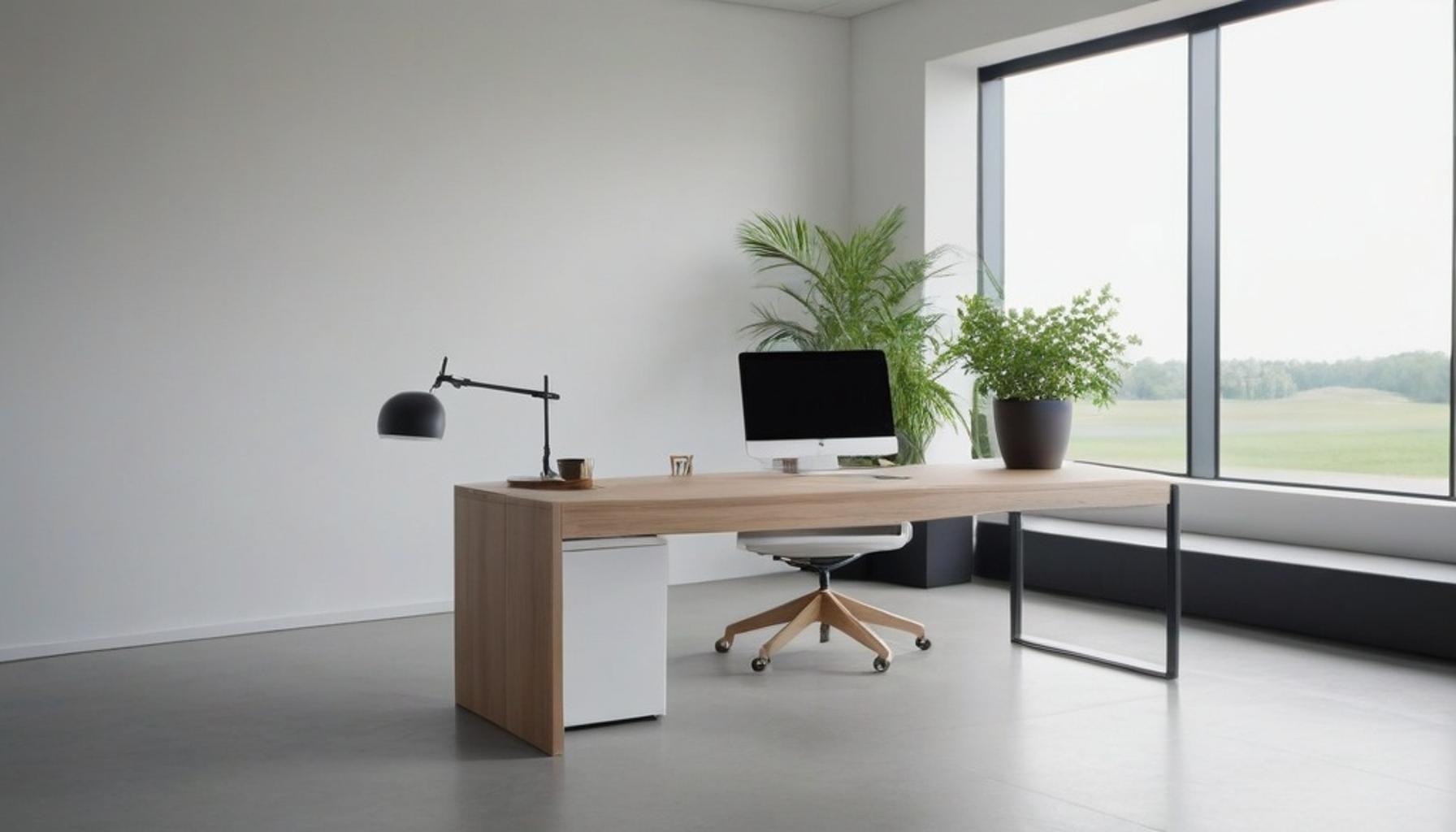
- Streamlined workspaces that reduce visual clutter and distraction. Initiatives like the “one in, one out” rule for office supplies can foster an environment conducive to productivity and creativity.
- Evening routines designed for genuine rest, not screen-scrolling. Activities such as reading, journaling, or meditative practices encourage restorative sleep rather than engaging with technology late into the night.
What This Article Will Cover
This guide breaks down practical, efficient living tips that anyone can start implementing today. Expect real examples, not vague theory. From creating a capsule wardrobe that simplifies weekly clothing choices to establishing digital detox windows that limit screen time, these strategies have enabled thousands of Americans to reclaim hours in their week.
Moreover, practical steps such as decluttering one small area each week or adopting a minimalist budgeting plan can further enhance the benefits of intentional living. Such practices not only reduce physical clutter but can also alleviate financial stress and promote mental clarity.
Ready to explore how Intentional Living principles can reshape your daily rhythm? Discover how easy it can be to incorporate these changes into your life, unlocking a new level of fulfillment that many are now finding essential in their quest for balance and clarity.
DIVE DEEPER: Click here to discover more
Building the Foundation: Morning Rituals That Set the Tone
Every successful implementation of Intentional Living starts with how a person wakes up. Sleep researchers at institutions like Stanford have long noted that the first hour after waking disproportionately shapes mood and productivity for the rest of the day. This is precisely why daily routines for minimalism place such heavy emphasis on structured, distraction-free mornings.
Consider the typical American morning: a phone alarm that doubles as a scrolling trap, a closet full of options yet nothing feels ready to wear, and a rushed breakfast eaten standing at the kitchen counter. This chaotic sequence, repeated daily, quietly drains mental energy before the workday even begins.
The Power of Reducing Micro-Decisions
Behavioral psychologists point to a concept called “decision fatigue”—the idea that every small choice we make depletes our cognitive resources. An organized minimalist lifestyle tackles this head-on by removing unnecessary choices from the early hours.
Practical adjustments that many U.S. households have adopted include:
- Pre-selecting outfits the night before, often from a pared-down capsule wardrobe of 20 to 30 versatile pieces.
- Prepping breakfast in batches, such as overnight oats, smoothie packs, or egg muffins, cutting morning prep time to under five minutes.
- Charging phones outside the bedroom, which naturally delays screen exposure and encourages a calmer wake-up process.
- Setting a fixed wake time, even on weekends, to stabilize circadian rhythms and reduce grogginess.
These aren’t drastic lifestyle overhauls. They’re small, deliberate shifts that compound over time, forming the backbone of sustainable minimalist daily habits.
A Ripple Effect Beyond the Morning
What’s particularly interesting is how these morning adjustments influence the rest of the day. According to a 2023 productivity study conducted by a workplace wellness firm, employees who followed structured morning routines reported a 25% increase in perceived focus during work hours compared to those with erratic starts.
This is where Intentional Living principles reveal their true value—not as isolated tricks, but as an interconnected system. A calm morning often leads to clearer priorities at work, which in turn reduces the mental clutter carried into the evening.
For Americans juggling careers, family responsibilities, and personal goals, this ripple effect can be transformative. Instead of reacting to the day’s demands, individuals following these efficient living tips begin to shape their days proactively, one deliberate choice at a time.
| Category | Description |
|---|---|
| Morning Rituals | Incorporate practices like meditation and journaling to enhance focus. |
| Mindful Decision-Making | Reduce choice fatigue with planned meals and task lists. |
| Evening Wind-Down | Engage in relaxing activities to promote better sleep and rejuvenation. |
DISCOVER MORE: Click here for additional insights
Midday Momentum: Structuring Work Hours Around Intentional Living
Once the morning routine sets a steady tone, the challenge becomes maintaining that clarity through the unpredictable middle hours of the day. This is where many people abandon their Intentional Living goals, letting notifications, meetings, and multitasking chip away at the calm they built earlier.
A 2022 University of California, Irvine study found that the average office worker switches tasks every three minutes when digital distractions are present. For anyone practicing daily routines for minimalism, protecting midday focus is just as important as a peaceful morning.
Single-Tasking as a Minimalist Strategy
Contrary to popular belief, multitasking rarely saves time—it often doubles the mental effort required to switch between tasks. An organized minimalist lifestyle embraces single-tasking as a core principle, encouraging workers to complete one task fully before moving to the next.
Common techniques adopted across American workplaces include:
- Time-blocking, where specific hours are dedicated exclusively to one type of task, such as emails, calls, or deep work.
- Batching notifications, checking messages only at set intervals rather than reacting instantly to every ping.
- Clearing the desk at the end of each task, reinforcing a minimalist workspace that mirrors a minimalist mind.
- Using a single to-do list instead of scattered notes, sticky papers, or multiple apps competing for attention.
These efficient living tips aren’t about squeezing more tasks into a day. They’re about reducing friction so that the tasks that matter most receive full attention.
The Lunch Break as a Reset Point
Interestingly, how someone spends their lunch break can reveal a lot about their relationship with Intentional Living principles. Eating at a desk while scrolling through emails might feel productive, but it often extends mental fatigue into the afternoon.
Many professionals now treat lunch as a deliberate pause. Stepping outside for ten minutes, eating without a screen, or practicing a short breathing exercise can restore focus more effectively than pushing through without a break.
Data from the American Psychological Association suggests that even brief midday breaks can reduce reported stress levels by nearly 20%. For those building sustainable minimalist daily habits, this small ritual acts as a hinge between a focused morning and a purposeful afternoon.
Rather than viewing the workday as a block of unavoidable chaos, intentional professionals are beginning to see it as another space where minimalist structure can quietly reduce noise—one task, one break, one decision at a time.
DIVE DEEPER: Click here to discover smart storage solutions
Bringing It All Together: The Quiet Power of Intentional Living
From the first quiet moments of morning to the last deliberate task before evening, Intentional Living reveals itself not as a single grand gesture but as a series of small, repeated choices. A made bed, a single to-do list, a screen-free lunch—none of these actions seem revolutionary on their own. Together, they form the backbone of an organized minimalist lifestyle that quietly resists the chaos of modern schedules.
What research from institutions like UC Irvine and the American Psychological Association makes clear is that the cost of distraction and clutter isn’t just measured in lost minutes. It’s measured in stress, fatigue, and diminished attention that compounds throughout the day. Reversing that pattern doesn’t require a dramatic overhaul; it requires structure applied consistently.
This is precisely why daily routines for minimalism matter so much. They transform abstract values like simplicity and focus into concrete, repeatable actions. A time-blocked afternoon, a cleared desk, a ten-minute walk at lunch—these are not lifestyle aesthetics. They are practical tools with measurable effects on stress and productivity.
For readers considering where to begin, a few efficient living tips stand out as accessible starting points:
- Choose one midday habit, such as single-tasking, and commit to it for a full week.
- Track how often digital notifications interrupt focus, then adjust accordingly.
- Treat breaks as scheduled events, not afterthoughts.
Ultimately, minimalist daily habits aren’t about restriction. They’re about reclaiming attention in a world engineered to fragment it. As more Americans reexamine how they spend their hours, Intentional Living principles offer a grounded, evidence-based path forward—one where less noise leads to more clarity, and where every ordinary day becomes an opportunity for deliberate, meaningful structure.
Frequently Asked Questions
What are some daily routines that promote intentional living?
Daily routines that promote intentional living include setting aside time for mindfulness practices such as meditation or journaling, creating a consistent morning routine that includes goal-setting, and establishing evening relaxation rituals. Additionally, incorporating time for meal planning and simplified cleaning can significantly enhance your efficiency.
How can I declutter my home to support an intentional living lifestyle?
To declutter your home, start by assessing each room and determining which items are essential and bring you joy. Implement a ‘one in, one out’ rule to minimize new acquisitions and consider donating or selling items you no longer use. Regularly scheduled decluttering sessions can help maintain a minimalist space.
What role does mindfulness play in intentional living?
Mindfulness is central to intentional living, as it encourages awareness of your thoughts and actions, helping you to make conscious choices. By practicing mindfulness, you can better identify what truly matters to you and prioritize those aspects in your daily routines and lifestyle.
Can technology help with intentional living, or does it distract from it?
Technology can both aid and distract in intentional living, depending on how it’s used. Tools like digital planners and productivity apps can streamline tasks and enhance organization, but it’s essential to minimize distractions from social media and notifications to maintain focus on your intentional goals.
How do I create a minimalist workspace that fosters intentional living?
To create a minimalist workspace, start by removing any non-essential items that do not contribute to your productivity. Keep only the tools and supplies you regularly use and incorporate organizational systems like drawer dividers or minimalist shelving. A clean, clutter-free desk helps foster focus and creativity.
What are some pitfalls to avoid when adopting an intentional living lifestyle?
Common pitfalls include taking on too many changes at once, leading to burnout, and being overly rigid with routines which can create stress. It’s essential to approach intentional living with flexibility, adjusting routines as needed, and remembering that it’s a gradual journey rather than a one-time effort.

Beatriz
Beatriz Johnson is a seasoned minimalist and writer with a passion for simplifying the complexities of personal organization and intentional living. With over a decade of experience in decluttering strategies and mindful consumption, she specializes in topics like space optimization, habit simplification, and sustainable lifestyle choices. Through her work on our website, Beatriz empowers readers to embrace minimalism, reduce mental and physical clutter, and create more meaningful, organized lives in today's fast-paced world.