Demystifying Minimalism: How Simple Living Promotes a More Meaningful and Sustainable Life
Rethinking What Truly Matters
Americans are drowning in stuff. The average U.S. household contains over 300,000 items, and self-storage has become a $39 billion industry nationwide. This entanglement in material possessions often leads to cluttered spaces and overwhelmed minds, creating an urgent need for change.
Yet a quiet movement is pushing back against this culture of accumulation. Minimalism and simple living have moved from fringe philosophy to mainstream conversation. They’ve made their mark in bestselling books like “The Life-Changing Magic of Tidying Up” by Marie Kondo, popular Netflix documentaries such as “Minimalism: A Documentary About the Important Things,” and viral social media challenges like the “30-Day Minimalism Game.” This growing visibility indicates a collective questioning of what really matters in our lives.
Why This Trend Deserves a Closer Look
This isn’t just about tidying closets or owning fewer sweaters. Real minimalism touches deeper questions about purpose, consumption, and environmental impact. For many, it represents a path to reduced stress and enhanced well-being that seems increasingly needed in today’s fast-paced world.
Consider what’s driving people toward simpler lifestyles:
- Rising awareness of the benefits of minimalism for mental health and reduced anxiety: Studies have shown that clutter can lead to heightened levels of stress and anxiety. By embracing minimalism, individuals often report a clearer mind and a sense of calm.
- Growing concern over consumer waste and its role in climate change: According to the EPA, nearly 292 million tons of waste were generated in 2018, with a significant portion originating from consumer products. Those embracing minimalism are challenged to consider their consumption habits and look for sustainable alternatives.
- A desire to escape debt cycles tied to constant purchasing: Many Americans face mounting debt as a result of purchasing more than they truly need. Minimalism advocates for prioritizing experiences over possessions, potentially leading to financial freedom.
- The search for a more meaningful life through minimalism, rather than material markers of success: As societal values shift, people are finding that quality of life resides more in relationships and experiences than in the ownership of things.
Financial experts and environmental scientists alike are taking notice. Reducing consumption not only declutters homes; it can significantly shrink carbon footprints and support sustainable simple living on a broader scale. For instance, choosing to adopt a minimalist wardrobe can reduce the demand on the fashion industry, which is known for its considerable environmental impact.
What This Article Will Uncover
This piece breaks down how to practice minimalism in practical, everyday terms. Readers will find real strategies, not vague inspiration, aimed at promoting genuine change.
Expect actionable minimalism lifestyle tips, backed by research and grounded in the realities of American life—from suburban households to city apartments. The goal is clarity, not deprivation. With a focus on mindful consumption and intentional living, this article will delve into practical ways individuals can curate their lives for greater satisfaction and sustainability.
Ultimately, minimalism is not merely a trend; it reflects an evolving consciousness regarding what constitutes a fulfilling life in a consumer-driven society. By exploring this philosophy, we can potentially unlock a more purposeful existence.
SEE ALSO: Maximizing Small Spaces: Smart Storage Solutions for a Clutter-Free Home
The Roots of a Modern Movement
Minimalism is often perceived as a stark lifestyle choice characterized by an absence of clutter, but the movement’s origins run much deeper, tracing back to influential philosophical and artistic movements. Among its historical anchors are Henry David Thoreau’s time spent in a simple cabin at Walden Pond, which advocated for a life of purpose amid nature. Thoreau’s work serves as an early blueprint for a way of living that emphasizes simplicity and self-sufficiency. Similarly, Buddhist teachings have long emphasized the concept of detachment from material possessions, promoting mental clarity and liberation from desires as paths to inner peace.
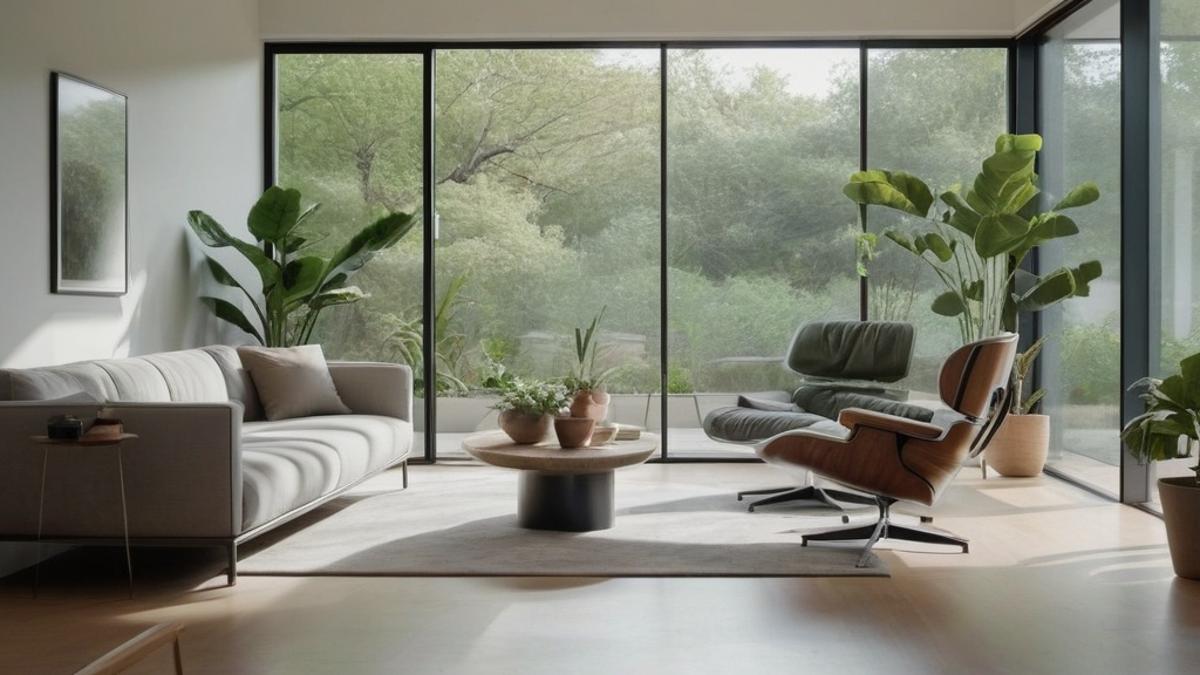
Furthermore, the minimalist aesthetics of mid-century design, championed by figures such as Charles and Ray Eames, offered a vision of beauty rooted in function and simplicity. Their designs exemplified how less can indeed be more, creating spaces and objects that resonated with modern sensibilities while prioritizing essential forms. The contemporary incarnation of minimalism and simple living finds itself at a unique intersection, largely propelled into mainstream consciousness by a combination of economic realities, the pervasive nature of social media, and a mounting skepticism toward consumer culture.
The 2008 financial crisis was a pivotal moment that reshaped American attitudes toward wealth and happiness. As millions faced foreclosures, job losses, and plummeting savings, many began to question the entrenched belief that material wealth equated to personal fulfillment. This introspective shift paved the way for a nuanced understanding of what constitutes “success” in modern life. Many individuals began exploring alternatives to traditional metrics of success, seeking a greater connection with their values, passions, and relationships.
The Psychology Behind Letting Go
Research into the psychology of possessions unveils compelling insights into how material items affect well-being. A notable study published in the Journal of Environmental Psychology discovered a direct correlation between cluttered living spaces and elevated cortisol levels—the body’s primary stress hormone. In fact, the impact of clutter extends beyond the physical realm, intruding upon our mental landscapes and creating a persistent source of stress.
The empirical benefits of embracing minimalism are plentiful and worthwhile:
- Decreased decision fatigue: A smaller collection of belongings reduces daily choices about what to wear or use, liberating cognitive resources for more significant life decisions.
- Increased focus and productivity: Research from Princeton University’s Neuroscience Institute highlights that visual clutter can detract from attention, adversely affecting productivity and task completion. By eliminating distractions, individuals often report enhanced performance in various aspects of life.
- Improved emotional regulation: Many who adopt minimalist practices report heightened feelings of calm and control, attributing this to a diminished sense of obligation toward maintaining numerous possessions.
- Greater life satisfaction: Psychological studies consistently show that experiential purchases—such as traveling with loved ones or enjoying shared meals—yield deeper, longer-lasting happiness compared to acquiring material goods.
These insights suggest that the journey toward a meaningful life through minimalism is not merely about decluttering but is fundamentally connected to human psychological needs and the way our brains process stimuli and environments.
From Suburbs to City Apartments: A Nationwide Shift
The adaptability of the minimalist movement across diverse American settings is particularly compelling. In sprawling suburban homes, minimalism often implies confronting years of accumulated belongings—furniture, seasonal decorations, and unused sporting equipment. In contrast, urban dwellers, especially in densely populated areas like New York City or San Francisco, frequently adopt minimalist principles to maximize limited square footage and mitigate exorbitant rent costs. For many city residents, living well simply necessitates embracing fewer possessions.
Real estate trends reflect this emerging lifestyle. The popularity of smaller, more efficiently designed homes is on the rise, as seen in the burgeoning tiny house movement, which is now a multi-billion dollar niche market in America. While not everyone will choose to downsize to a mere 400 square feet, the underlying values of intentional living and mindfulness have begun to influence broader housing and lifestyle choices across the nation.
In conclusion, as minimalism continues to capture the imagination of many, it becomes increasingly clear that this movement is more than just a trend. It represents a profound shift in how individuals conceptualize happiness, fulfillment, and the nature of success in the context of modern American life.
| Key Aspect | Description |
|---|---|
| Prioritizing Experiences | Minimalism encourages individuals to invest in experiences rather than possessions, leading to deeper connections and fulfillment. |
| Environmental Benefits | Embracing a minimalist lifestyle decreases consumption, promoting sustainable simple living practices that reduce waste and environmental impact. |
| Clarity and Focus | A decluttered space fosters a clear mind, which is essential for personal growth and achieving goals in both personal and professional life. |
| Financial Freedom | By reducing unnecessary expenditures, minimalism helps individuals save money, paving the way for investments in meaningful pursuits. |
LEARN MORE: The Art of Functional Design: Creating a Clutter-Free Home with Minimalist Furniture
The Environmental Dividend of Owning Less
Beyond personal well-being, sustainable simple living carries measurable environmental weight. The Environmental Protection Agency estimates that the average American generates over 4.9 pounds of waste daily, much of it tied to packaging from unnecessary purchases and discarded goods that quickly fall out of fashion or function. Minimalism directly confronts this cycle by encouraging consumers to buy less, choose quality over quantity, and resist the pull of fast fashion and disposable electronics.
The fashion industry alone accounts for roughly 10 percent of global carbon emissions, according to the United Nations Environment Programme. Every capsule wardrobe adopted, every impulse purchase avoided, chips away at this staggering figure. Minimalists often report owning 50 to 70 percent fewer clothing items than the average American household, a shift that translates directly into reduced textile waste and lower demand for resource-intensive manufacturing.
This connection between minimalism and environmental stewardship has given rise to a growing subset of eco-conscious minimalists who prioritize secondhand shopping, repair over replacement, and locally sourced goods. The ripple effect is significant: less demand for mass production often means fewer emissions, reduced water usage, and diminished strain on landfills nationwide.
Digital Clutter: The Invisible Frontier
While much of the minimalist conversation centers on physical belongings, a parallel movement has emerged around digital consumption. The average American spends over seven hours daily interacting with screens, according to data from Data Reportal, much of it consumed by notifications, endless scrolling, and digital clutter in the form of unused apps, overflowing inboxes, and subscription overload.
Digital minimalism, a term popularized by author and computer science professor Cal Newport, extends the core principles of minimalism and simple living into the virtual realm. Practitioners advocate for intentional technology use, arguing that constant connectivity fragments attention and undermines the very focus that minimalism seeks to cultivate.
Practical strategies for those exploring how to practice minimalism in the digital space include:
- Conducting regular app audits: Removing unused applications and disabling non-essential notifications to reclaim mental bandwidth.
- Setting designated screen-free hours: Establishing boundaries, particularly during meals and before bedtime, to restore natural rhythms.
- Unsubscribing strategically: Trimming email lists and streaming subscriptions to only those that provide genuine value.
- Practicing single-tasking: Resisting the urge toward constant multitasking, which studies from Stanford University suggest diminishes overall cognitive performance.
The Economic Case for Simplicity
Financial motivations remain a powerful driver behind minimalism’s staying power. With the average American household carrying over $6,000 in credit card debt, according to Federal Reserve data, the appeal of spending less resonates deeply. Minimalist practitioners frequently report significant increases in savings rates, with some documenting the ability to pay off debt years ahead of schedule simply by curbing discretionary purchases.
This financial clarity often extends into broader life choices, including career decisions. Freed from the pressure of sustaining high consumption lifestyles, many minimalists pursue passion projects, part-time work, or entrepreneurial ventures that align more closely with personal values rather than salary alone.
YOU MAY ALSO LIKE: Intentional Living: How to Create Organized Spaces with a Minimalist Mindset
Rethinking What Enough Really Means
The evidence gathered across financial ledgers, landfill statistics, and screen-time reports points to a single conclusion: minimalism and simple living is less about austerity and more about alignment. When possessions, digital habits, and spending patterns reflect genuine priorities rather than default consumption, something measurable shifts, wallets stabilize, waste declines, and attention returns to where it matters most.
What makes this movement worth continued attention is its refusal to fit into a single template. Some households pursue a meaningful life through minimalism by clearing closets, while others focus entirely on digital boundaries or debt reduction. The common thread is intentionality, not deprivation.
The benefits of minimalism extend well beyond tidy shelves. Lower emissions from reduced clothing turnover, healthier relationships with technology, and stronger household finances all suggest that this lifestyle carries consequences reaching far past the individual adopting it.
For readers considering where to begin, the path rarely requires dramatic upheaval. Start small: audit one category of belongings, silence unnecessary notifications for a week, or track discretionary spending for thirty days. These modest experiments often reveal larger patterns worth addressing.
Among the most practical minimalism lifestyle tips is simply this: treat simplicity as an ongoing practice rather than a finished project. Habits shift, priorities evolve, and what feels essential today may look different a year from now.
As American households continue grappling with debt, clutter, and digital fatigue, the principles explored here offer a tested, data-backed alternative. Whether the motivation is environmental, financial, or purely personal, sustainable simple living presents a framework worth investigating further, one drawer, one inbox, one decision at a time.
Frequently Asked Questions
How can minimalism and simple living help reduce stress in daily life?
Minimalism and simple living encourage decluttering both physical spaces and mental load. By simplifying your belongings and commitments, you create a more peaceful environment and allow your mind to focus on what truly matters, reducing anxiety and enhancing overall well-being.
What are some practical steps to start embracing minimalism and simple living?
Begin by evaluating your possessions and identifying items that no longer serve a purpose or bring joy. Set aside time to declutter your living space, adopt a more intentional purchasing strategy, and focus on experiences rather than material items to align your lifestyle with minimalism.
Can adopting minimalism and simple living lead to financial savings?
Yes, embracing minimalism often leads to significant financial savings by encouraging mindful spending and reducing impulse purchases. By prioritizing quality over quantity and focusing on necessities, individuals can allocate their resources more effectively and even free up funds for meaningful experiences.
How does minimalism and simple living contribute to sustainability?
Minimalism promotes sustainability by encouraging individuals to consume less and choose eco-friendly products. This lifestyle minimizes waste, reduces the demand for mass-produced goods, and fosters a deeper appreciation for nature, making it easier to live in harmony with the environment.
Is minimalism and simple living suitable for families with children?
Absolutely! Families can benefit from minimalism by teaching children about the value of experiences over possessions. By decluttering together and making intentional choices about toys and activities, families can foster a simpler, more focused lifestyle while still enjoying quality time.
What common misconceptions exist about minimalism and simple living?
Many people assume that minimalism means living with as little as possible, but it’s more about intentionality and prioritizing what adds value to your life. Others think it requires a drastic lifestyle overhaul, but small, gradual changes can also yield significant benefits without feeling overwhelming.

Beatriz
Beatriz Johnson is a seasoned minimalist and writer with a passion for simplifying the complexities of personal organization and intentional living. With over a decade of experience in decluttering strategies and mindful consumption, she specializes in topics like space optimization, habit simplification, and sustainable lifestyle choices. Through her work on our website, Beatriz empowers readers to embrace minimalism, reduce mental and physical clutter, and create more meaningful, organized lives in today's fast-paced world.