Exploring Minimalism: Organization Tips to Maximize Small Spaces in a Minimalist Lifestyle
Small Space, Big Potential: Rethinking How You Live
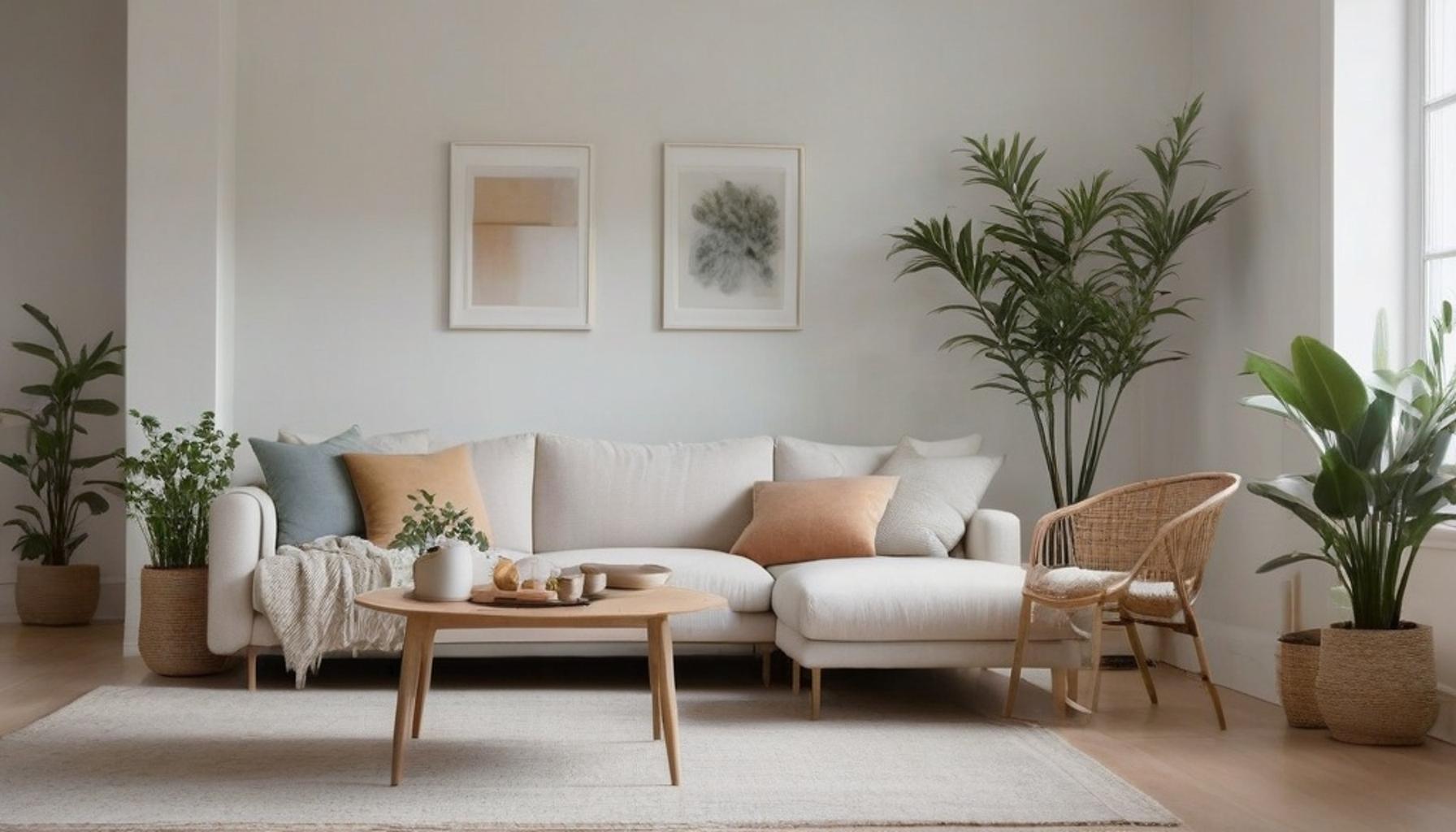
A 400-square-foot studio in Brooklyn or a compact condo in San Francisco might seem limiting, but minimalism organization tips are proving otherwise. Across the United States, renters and homeowners alike are discovering that less clutter often means more freedom. The trend of embracing small living has surged as urban areas continue to evolve, pushing many to reconsider their relationship with space. Instead of viewing small areas as constraints, more people are pivoting to see them as opportunities for creative expression and invention.
Urban living has forced a shift in how Americans approach their homes. With average apartment sizes shrinking and rent prices climbing, learning how to maximize small spaces isn’t just a design trend—it’s a necessity. For instance, in New York City, where the average monthly rent can reach over $3,000, finding ways to efficiently utilize every inch becomes crucial.
Why Minimalism Is Gaining Ground
The appeal of a minimalist lifestyle goes beyond aesthetics. It’s about reclaiming time, money, and mental clarity by owning less and living intentionally. Minimalism encourages individuals to evaluate their possessions and prioritize what truly adds value to their lives.
- Less time spent on cleaning and maintenance means more time for personal projects or leisure activities.
- Lower spending on unnecessary purchases creates financial freedom and allows for better investments or experiences.
- Reduced visual clutter is linked to decreased stress and improved focus, creating a more serene living environment.
- Every square foot becomes more functional, serving multiple purposes, which enhances overall lifestyle efficiency.
This article dives into practical strategies for organizing small apartments without sacrificing comfort or style. Understanding these strategies can pave the way for a more enjoyable living experience.
What You’ll Learn
From decluttering for minimalism to smart storage hacks, we’ll cover the tools and mindset shifts that make tiny spaces feel larger. Here’s what to expect:
- Multi-functional furniture solutions, like a sofa bed or a coffee table with hidden storage, can dramatically increase usability.
- Vertical storage techniques, such as shelving and wall hooks, allow you to maximize vertical space while keeping the floor clear.
- Digital decluttering methods ensure that your online life is as organized as your physical space, easing mental burdens.
- Room-by-room minimalist home organization plans help establish a structured approach to reducing clutter and enhancing comfort.
Whether you’re downsizing by choice or necessity, these minimalist lifestyle tips offer a roadmap to a more organized, intentional way of living. Embracing these concepts not only optimizes your home but can significantly improve your overall quality of life. As you explore these ideas, consider how they can transform not just your living space, but your approach to the world around you.
DISCOVER: Click here for smart storage solutions
The Foundation: Decluttering Before You Organize
Before diving into storage solutions or furniture arrangements, successful minimalism organization tips always start with one critical step: decluttering. Skipping this phase is like painting over a cracked wall—the results rarely last. According to a 2023 study by the National Association of Productivity and Organizing Professionals, the average American household contains over 300,000 items, many of which go unused for months or even years.
Decluttering for minimalism isn’t about tossing everything you own into a donation bin overnight. It’s a deliberate process that requires honest evaluation of what serves your daily life versus what simply takes up space. For renters in cities like Chicago or Austin, where closet space is often an afterthought in apartment design, this step becomes even more essential.
The Three-Box Method: A Practical Starting Point
One approach gaining traction among minimalist communities is the three-box method. This simple system helps break down what can feel like an overwhelming task into manageable decisions.
- Box one is for items you use regularly and plan to keep, which should represent your true essentials.
- Box two contains items you’re unsure about, prompting a 30-day trial period to see if you genuinely miss them.
- Box three is designated for donation, sale, or disposal, clearing physical and mental space immediately.
This method works particularly well for organizing small apartments, where every closet, drawer, and shelf needs to justify its contents. Residents in compact spaces, like those found in Boston’s historic brownstones, often find that this structured approach prevents the common trap of simply relocating clutter rather than eliminating it.
Setting Realistic Expectations for Small Space Living
It’s worth noting that minimalism doesn’t mean living with bare walls and a single chair. Rather, it’s about curating possessions that align with your lifestyle and values. A minimalist lifestyle in a 500-square-foot apartment might still include a well-loved book collection or a few cherished decor pieces—the key is intentionality.
Data from a 2022 Zillow survey found that 68% of renters in urban centers cited “lack of storage” as their top frustration with small living spaces. This statistic underscores why minimalist home organization strategies have become so relevant, particularly as more Americans choose city living over suburban sprawl. Understanding this foundation sets the stage for the practical, room-specific solutions we’ll explore next.
| Category | Key Aspects |
|---|---|
| Storage Solutions | Utilizing vertical space through shelves and over-the-door organizers can significantly enhance storage in small apartments. |
| Multi-Functional Furniture | Incorporating furniture that serves multiple purposes, such as ottomans with storage, can help maximize small spaces while reducing clutter. |
| Decluttering | Regularly assessing belongings for decluttering can help maintain a clean and organized environment, key to a successful minimalist lifestyle. |
| Creative Organization | Using baskets and labels not only aids in organizing but adds a personalized touch to your space. |
DISCOVER MORE: Click here for more insights
Room-by-Room Strategies to Maximize Small Spaces
Once the decluttering phase settles, the real transformation begins. Applying targeted minimalism organization tips to specific rooms allows residents to see immediate, functional improvements rather than vague, abstract results. This is where theory meets daily practicality.
Vertical Thinking: The Underrated Storage Solution
Floor space is finite, but walls rarely reach their full potential. Installing floating shelves, over-the-door racks, and pegboards can free up significant square footage. Interior designers in cities like San Francisco, where studio apartments often measure under 400 square feet, frequently recommend vertical storage as the single most effective way to maximize small spaces without costly renovations.
Kitchen cabinets, closets, and even bathroom walls can benefit from stackable bins or tension rods that create additional tiers. This approach is a cornerstone of organizing small apartments, especially for renters who cannot modify built-in structures.
Multi-Functional Furniture as a Space-Saving Ally
Furniture that serves double duty has become a defining feature of modern minimalist lifestyle tips. Ottomans with hidden storage, beds with built-in drawers, and expandable dining tables reduce the need for separate storage units altogether.
According to a 2023 report by Furniture Today, sales of multi-functional furniture pieces rose by 22% over the previous year, a trend largely attributed to shrinking apartment sizes in metropolitan areas like New York and Los Angeles. This shift reflects a broader consumer demand for pieces that combine form, function, and minimal footprint.
The Kitchen and Bathroom: Small Rooms, Big Impact
Kitchens and bathrooms often present the greatest organizational challenges due to their compact dimensions. Drawer dividers, magnetic spice racks, and clear labeled containers can transform chaotic cabinets into streamlined systems.
- Group similar items together to reduce visual clutter and speed up daily routines.
- Use clear containers so contents remain visible without opening every lid.
- Reserve prime eye-level space for items used daily, storing seasonal or rarely used items higher up or further back.
These small adjustments align with core principles of minimalist home organization, proving that even the tiniest rooms can function efficiently when every item has a designated place.
Digital Clutter: The Often-Overlooked Frontier
Physical space isn’t the only area worth streamlining. A 2023 survey by Pew Research Center found that 74% of American adults feel overwhelmed by digital clutter, including unused apps, overflowing inboxes, and disorganized files. Addressing this digital dimension complements physical decluttering for minimalism, reinforcing the idea that a minimalist lifestyle extends beyond visible surroundings into daily digital habits as well.
DISCOVER MORE: Click here for more insights
Bringing It All Together: A Smarter Way to Live Small
Minimalism isn’t a one-time weekend project; it’s an evolving practice that rewards consistency over perfection. The strategies outlined throughout this guide, from vertical storage to multi-functional furniture, demonstrate that minimalism organization tips work best when treated as ongoing habits rather than a single dramatic overhaul.
Consider the broader picture. Square footage in American cities continues to shrink, yet the demand for functional, breathable living spaces keeps growing. This tension is precisely why organizing small apartments has become such a relevant conversation, not just for design enthusiasts but for everyday renters and homeowners looking to stretch limited square footage.
Small Changes, Lasting Impact
What separates a cluttered space from a functional one often comes down to intentionality. Choosing to maximize small spaces through smart storage, purposeful furniture, and consistent upkeep creates a ripple effect that touches daily routines, stress levels, and even how guests perceive a home.
Readers who commit to decluttering for minimalism often report an unexpected side effect: more mental clarity. Fewer physical distractions can translate into fewer mental ones, a connection increasingly supported by organizational psychology research.
Where to Go From Here
Anyone ready to embrace minimalist home organization should start small. Tackle one drawer, one shelf, or one closet before expanding to an entire room. Momentum builds naturally once visible progress appears.
- Revisit storage systems every few months to ensure they still serve current needs.
- Extend minimalist principles beyond physical items into digital spaces and daily schedules.
- Invest in furniture and tools that solve multiple problems at once, rather than accumulating single-purpose items.
Ultimately, the most effective minimalist lifestyle tips aren’t about owning less for its own sake. They’re about creating room, literally and figuratively, for what actually matters. As more Americans navigate compact urban living, this approach offers a practical, adaptable framework worth exploring further.
Frequently Asked Questions
What are the best minimalism organization tips for small apartments?
For small apartments, consider multifunctional furniture such as a storage ottoman or a bed with built-in drawers. Additionally, utilize vertical space by installing shelves and hooks, and try to declutter regularly to maintain an organized environment.
How do I decide what to keep when embracing a minimalist lifestyle?
When deciding what to keep, ask yourself if each item serves a purpose or brings you joy. Start with one area at a time and use the ‘one in, one out’ rule; for every new item you bring in, consider removing one to maintain balance.
Can you recommend some minimalism organization tips for small kitchens?
In small kitchens, use clear containers to store pantry items, allowing you to see what you have at a glance. Additionally, consider magnetic spice racks or stick-on hooks for tools to save counter space and keep essentials within reach.
What storage solutions work best for small bathrooms in a minimalist setting?
For small bathrooms, wall-mounted shelves and over-the-toilet cabinets can maximize vertical space. Additionally, using baskets or bins to group similar items can help maintain an organized and clutter-free environment.
How can I maintain a minimalist organization after decluttering?
To maintain minimalism organization, establish a routine for regular decluttering, such as once every few months. Implement a system where you reassess your belongings frequently and stick to a limit for categories like clothing or books to prevent accumulation.

Beatriz
Beatriz Johnson is a seasoned minimalist and writer with a passion for simplifying the complexities of personal organization and intentional living. With over a decade of experience in decluttering strategies and mindful consumption, she specializes in topics like space optimization, habit simplification, and sustainable lifestyle choices. Through her work on our website, Beatriz empowers readers to embrace minimalism, reduce mental and physical clutter, and create more meaningful, organized lives in today's fast-paced world.